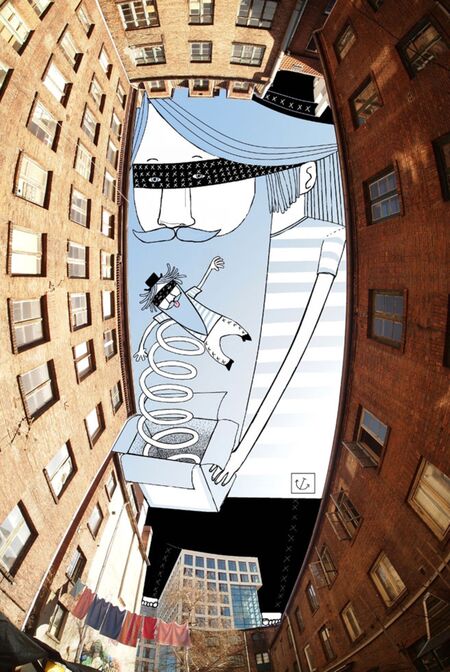
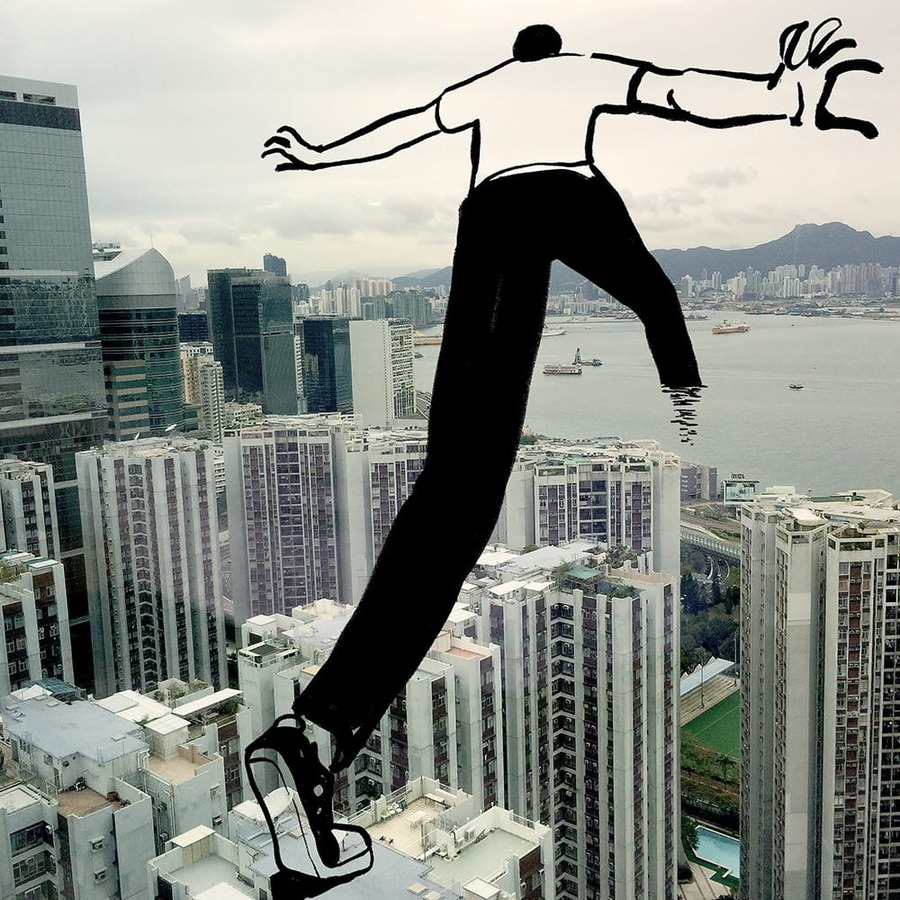
Christoph Nimmann. «abstractsunday» Project (pinterest.com)
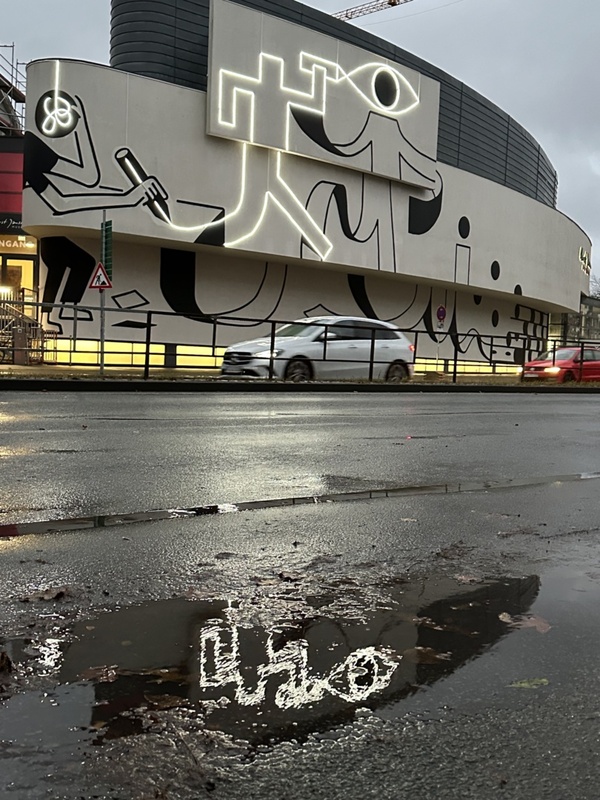
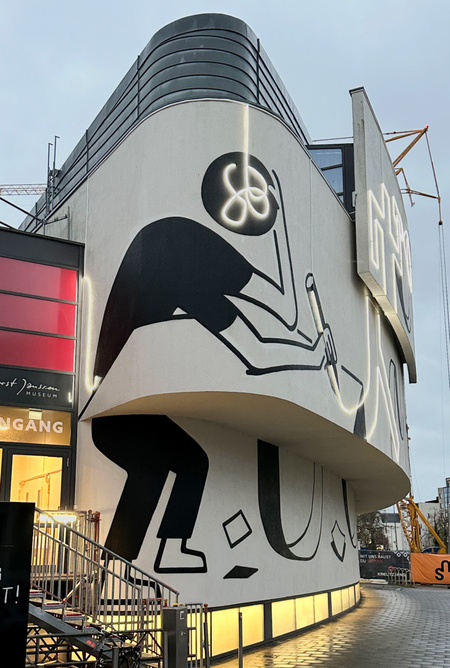
Works by Christoph Niemann (https://www.christophniemann.com)
Contemporary illustration is undergoing a period of intense transformation. An increasing number of practicing artists, both in Russia and abroad, note that their work extends beyond the «traditional» boundaries of the genre: «I create things that go beyond illustration, ” or „I prefer to call myself an artist.“ This gives rise to a natural crisis of identity: „Am I an illustrator? An artist? A researcher? A teacher?“
Traditionally, illustration was understood as an applied art serving text—be it literary, advertising, or magazine content—and subordinate to the client’s demands. However, in the 21st century, many illustrators have begun to operate as independent authors—partially due to the development of digital technologies, the emergence of new economic models, and theoretical and institutional shifts, as well as changes in educational programs.
Previously, illustrations mostly «lived» in books and magazines, but now they can be seen everywhere: on social media, in graffiti on the streets, on t-shirts and mugs, within brand collaborations, and even in virtual reality.
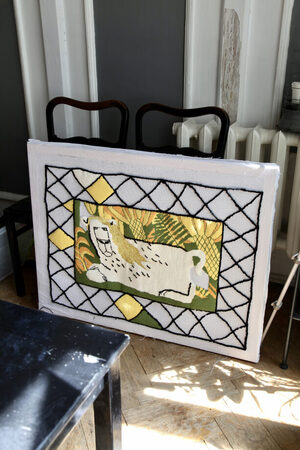
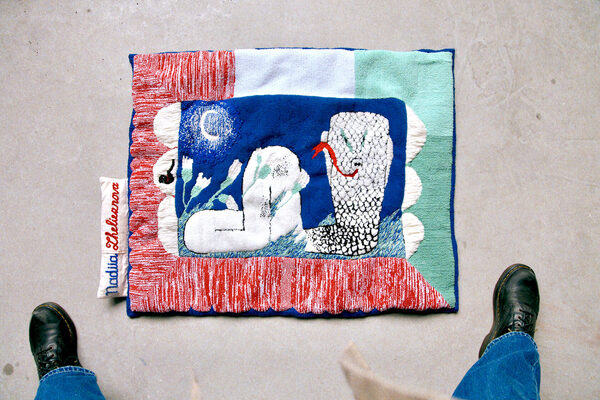
Works by Nadia Zheleznova (http://slonvboa.ru/nadiiazhelieznova)
These global shifts could not help but impact the field of education. Where art colleges once primarily taught craft—how to accurately render what a client requested—they now face a new challenge: teaching the future illustrator to be an author. Several European schools have introduced dedicated «authorial practice» tracks.
Instead of narrow courses focused solely on drawing technique or a specific style, programs are emerging that teach conceptual thinking. Students are encouraged to find their own themes and develop a unique creative voice; an interdisciplinary approach has become crucial. After all, their work is no longer confined to a sheet of paper—it can become a digital product, a piece of street art, or part of an exhibition.
The author formulates the idea, sets the content and concept of the project themselves, and the illustration becomes their tool for research and expression.
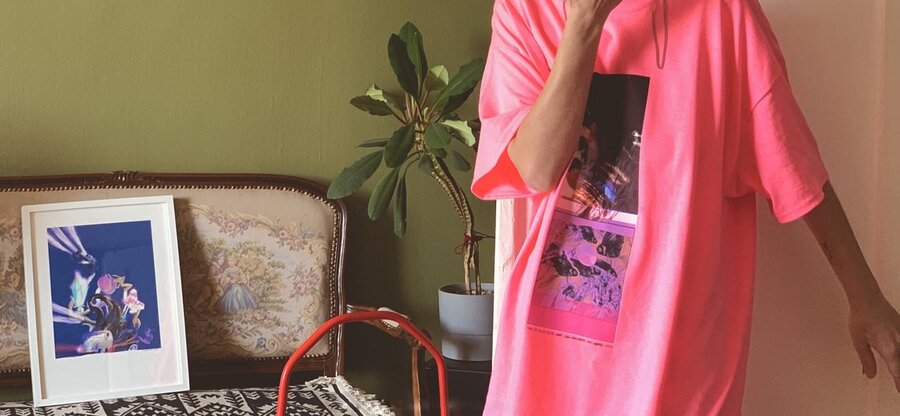
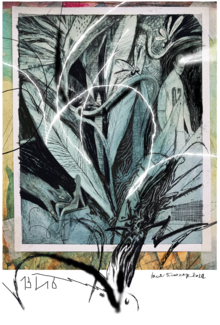
Yulia Blukher’s Works (https://hsedesign.ru/designer/4351?roistat_visit=3818237)
The author decides which theme to investigate, which media to use, and in what form to present the result. This could be an art book, a series of posters, an exhibition project, an object, a multimedia installation, or even ceramics and street art.
In the book «A Study of Authorial Illustration: The Magic Window» (2019), the author, Maxim Leroux, discusses the role of the illustrator who is simultaneously the text’s author. Through interviews and 12 case studies, Leroux demonstrates how authorial illustration creates a «system of meanings, ” enveloping the reader in several layers of context—from the text and other illustrations to the reader’s response.
The book „Adaptation and Illustration: New Cartographies“ (2024) offers an innovative perspective on illustration, discussing it through the lenses of adaptability and intermediality. The authors view illustration practice not as an isolated phenomenon, but as a dynamic form constantly engaged in dialogue with other media—graphic novels, theater, cinema, mobile applications, and more. This approach radically expands traditional perceptions of the discipline, asserting its status as a hybrid and transmedia form.
Work by Thomas Lamadieu (https://www.thomaslamadieu.com)
Related Reading:
- «The Theoretical Turn» and Pedagogy in Illustration Education
- Maxime Leroy, A Study of Authorial Illustration: The Magic Window, Newcastle upon Tyne, Cambridge Scholars Publishing, 2019, viii, 101 pp.
- Adaptation and Illustration
Visual Material Sources: pinterest.com, hsedesign.ru, slonvboa.ru, christophniemann.com.