
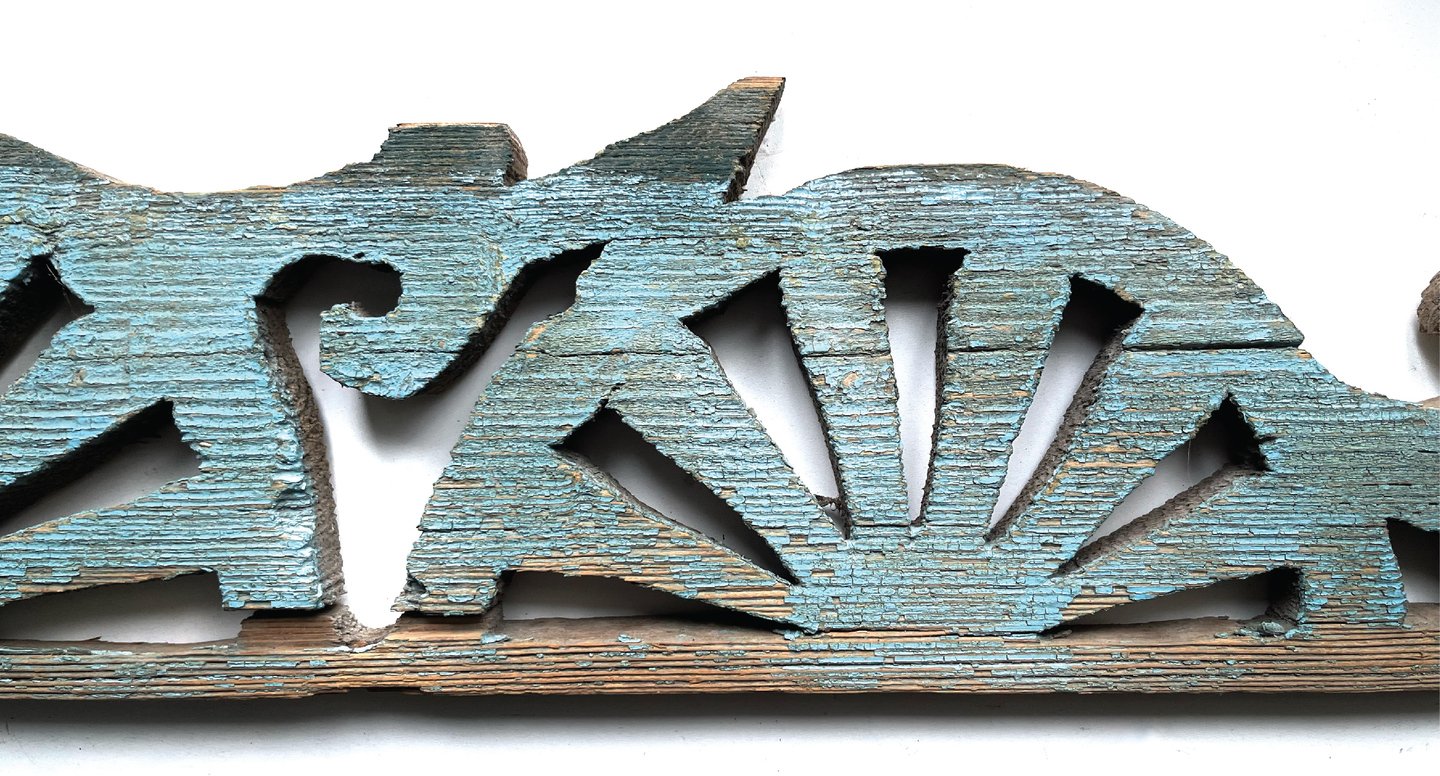
History of Craft
In traditional Russian architecture, window casings serve not only as a utilitarian element but also as a means of artistic self-expression. The earliest mentions of carved window frames date back to the 17th century, but the element achieved widespread use and stylistic diversity during the 18th–19th centuries, a period of flourishing wooden architecture.

Originating as a means to protect window openings from the elements, the window casing gradually evolved into an independent decorative form, absorbing characteristics from local craft schools, religious beliefs, and the aesthetic ideals of the era. Wood carving art developed particularly vigorously in regions such as the Arkhangelsk, Vologda, Kostroma, and Nizhny Novgorod provinces.
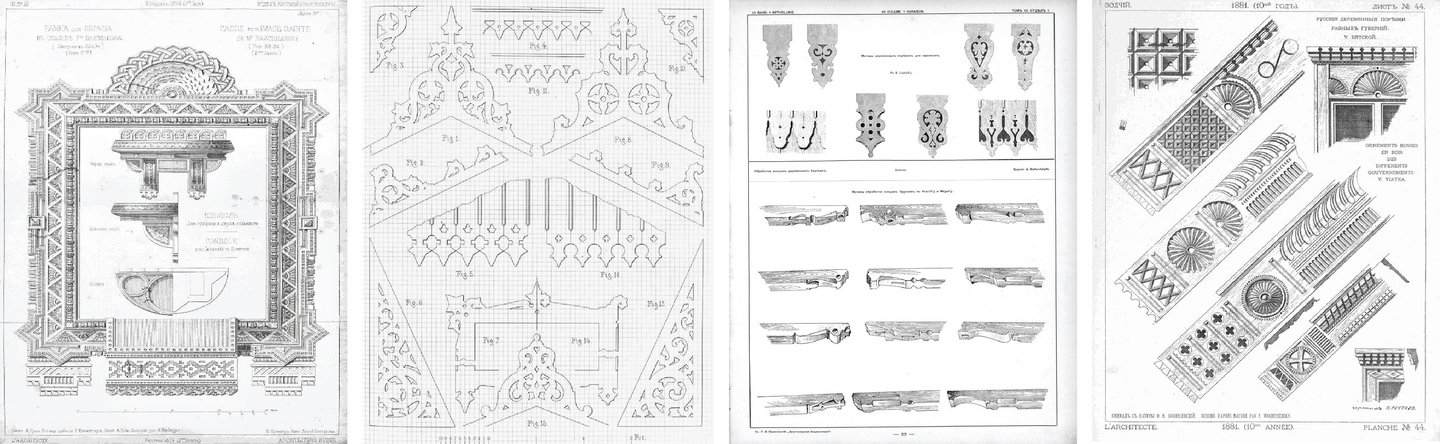
The art of carved window casings is an example of the synthesis of architecture and decorative and applied arts, where craftsmanship transcends utilitarian function to become an artistic statement. Ornamentation, proportions, and compositional accents in the carving—all of it is governed not only by practical needs but also by aesthetic intention.
The brand concept involves the interplay between the craft of carving door casings and contemporary apparel. It offers a modernist perspective framed by tradition, utilizing the image of the door casing as both a structural and semantic element.
brand positioning
The project centers on the technique of carving наличники (window/door trim), meticulously examining and exploring various aspects of their existence—from form and symbolism to loss and the marks left on facades. The main objective is to ensure that local heritage and contemporary aesthetics speak a unified visual language.
Audience:
Young and mature consumers who are drawn to meaning, visual uniqueness, and local identity.The project’s protagonist is a person looking out of a window. Just as window frames create protection and define space, the person in the project seeks their place within this intertwining of tradition and modernity.
Selection
A range of pieces at various levels, utilizing the distinct characteristics of the craft: merchandise lines (low pieces) and the development of complex, high-end items (high pieces).
conceptual pieces
The direct integration of the molding into the garment combines aesthetic and functional purposes. The edge of the molding becomes a thick, lacy element that covers the main shoulder seam—much like how the molding itself masks and adorns the junction between the wall and the window.
merch
Merchandise is based on printmaking techniques. Coloring the trim is the final stage in creating a frame. The artist approached the graphic method of working with the chosen craft, drawing inspiration from the traces of vanished details or the entire frame on the house facade. The print was developed by coloring an element of the actual trim and transferring its silhouette onto objects.
print design
The choice of color palettes is based on the color story of the original casings—faded layers of paint, natural wear, and the combination of saturated and muted tones form the visual language of the collection.
accessories