Frame by Frame
Breaking down pipelines, showing the evolution of a shot.
«Frame by frame»
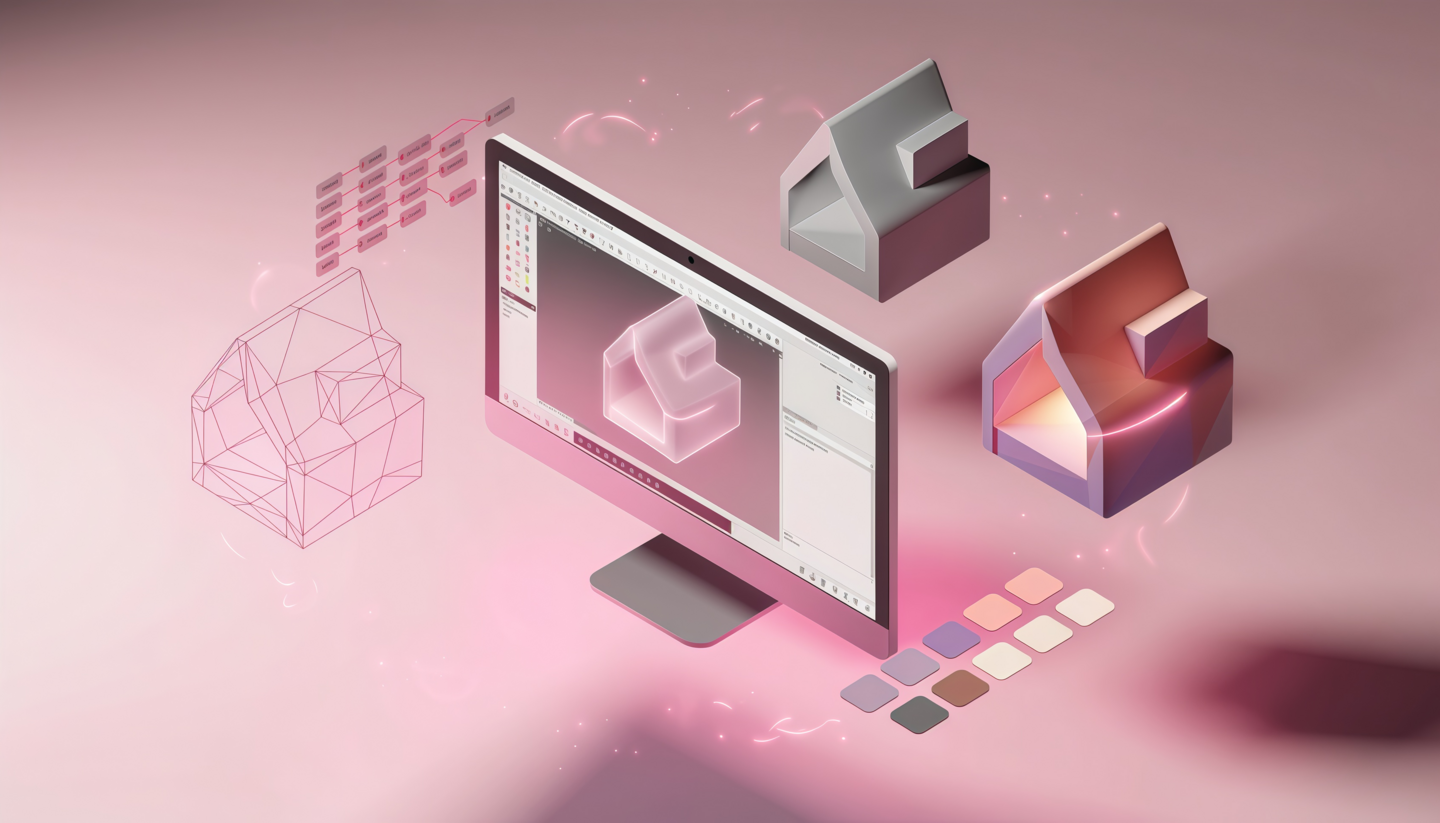
Frame by frame — a Russian-language educational media outlet covering 3D and VFX production. We dissect real-world pipelines, demonstrate how an abstract idea evolves into a final shot, and explain the rationale behind the technical decisions studios make. We move beyond mere «how to make it look beautiful» tutorials to offer an analysis of «why it worked in production.»
Mission:To demystify the process of creating 3D and VFX. To show how artists test hypotheses, optimize scenes, and arrive at the final result. To help readers apply this experience to their own projects.
Business Goal:Within the first year, establish a consistent audience among aspiring 3D artists and indie developers. Launch initial paid integrations with software developers (render farms, plugins) and educational platforms.
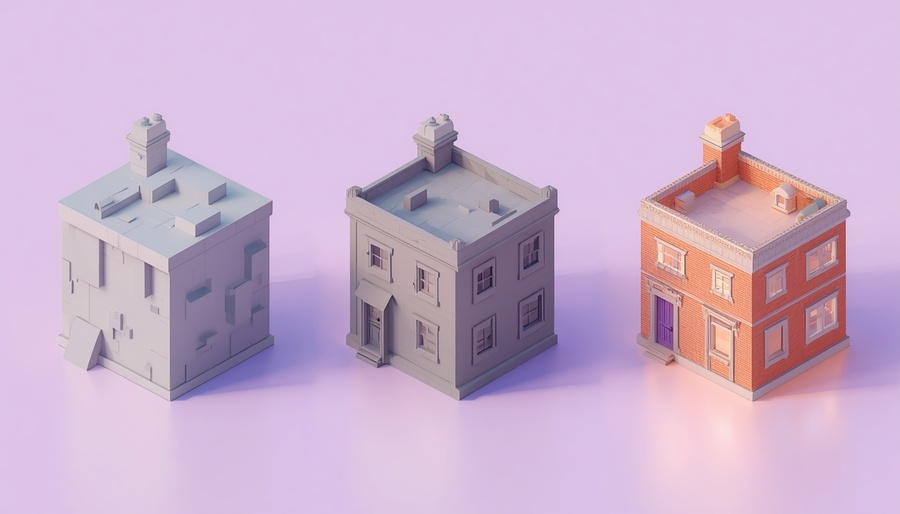
Media Goal:To create a Russian-language archive of visual breakdowns tracking the evolution of 3D scenes and VFX shots. Each piece links the early versions (blocking, gray materials) with the final render, explaining the changes along the way.
Project Idea and Goal
At the core of «Frame by Frame» is an analysis of a specific change: what the initial solution was, what it became in the final render, and why it was revisited. This visual comparison is supplemented with development materials, such as screencasts, node views, and artist commentary.
Media Objectives:
Comparing early and final versions of models, textures, lighting, and compositing.
Explaining how technical constraints (polygon count, render time) and creative decisions influenced the outcome.
Assembling concepts, references, and author commentary into cohesive visual breakdowns.
Creating a materials archive searchable by project and solution type (e.g., «geometry optimization, ” „lighting in Houdini“).
Benefit for the reader:
Students or emerging artists gain practical examples of how to test and refine their own ideas. Sources and intermediate versions are already compiled into one resource. The professional understands the search logic behind the finished frame.
Competitor Analysis Method
Goal: To determine which existing projects already cover 3D/VFX creation and to understand the additional value that «Frame by Frame» can offer.
Search: For queries such as «VFX breakdown,» «3D pipeline,» «making of 3D,» and «before and after rendering.» Websites, YouTube channels, and studio publications are reviewed.
Analysis Criteria: Target audience, theme, presentation format, visual clarity of comparisons, and presence of primary sources.
Main Platform: Telegram channel. Short visual breakdowns: blocking and final render, GIF showing changes, artist commentary. Each post focuses on a single technical decision (lighting, textures, simulation) and the rationale behind its revision.
Secondary Platform: Website archive. Complete production histories detailing the chronology of changes and links to source files. Materials are organized by project and by category: modeling, environment, lighting, VFX, pipeline.
Audience intersection points: Communities focused on 3D, VFX, and game development. Posting «before/after» comparisons and excerpts from the breakdowns with a link to the full material. Placement across thematic Telegram channels, Discord servers, and specialized CG platforms.
Competitors
Unique Selling Proposition
«We show the logic of production, not the buttons in the software.»
Most instructional channels answer the question, «how to make it look good.» We answer the question, «why it worked in a real-world project.» Every breakdown centers on a specific technical or artistic decision: why this particular simulation method was chosen, how the geometry was optimized for the rendering budget, and what alternatives were dismissed and why. The reader doesn’t receive a set of instructions—they receive a production artist’s way of thinking—the ability to evaluate constraints and make decisions.
«Visual Archive with Task Type Search»
We compile case studies into a structured archive where you can find material not by project title, but by solution type: «lighting in interiors,» «building deconstruction,» «grass optimization,» «fire compositing.» Readers can locate similar challenges, study the team’s constraints and the implications of their decisions, and apply that experience to their own projects. No Russian-language CG media offers such structured searching.
Target Audience
Alina, 21 years old — 3D Course Student
She is taking online courses in 3D modeling while completing academic projects. She sees polished work on ArtStation and doesn’t understand how artists achieve such results—she attributes it to talent rather than a refined pipeline. She wants to study real-world development examples to more confidently test and refine her own ideas. What she needs isn’t a dry tutorial, but a breakdown showing the path from the first version to the final product and the rationale behind changes.Nikita, 25 years old — Indie Developer
He develops a small game with a team of 3–4 people, focusing on 3D graphics and VFX. He tests ideas with prototypes but often doesn’t know what to improve or what to cut to avoid wasting resources. He wants to find similar challenges and study the outcomes of others' decisions to guide the direction of his project’s development. It is important for him to understand the difference between «good enough» and «perfect, but slow.»Maxim, 28 years old — Studio VFX Artist
He has been working in production for 3–4 years, specializing in simulations in Houdini. He wants to advance to a supervisor role or take on more complex projects but feels stuck at his current level. He wants to study in-depth technical material, interviews with peers, and studio case studies to understand how decisions are made at the pipeline level, not just on a shot-by-shot basis.Sofia, 27 years old — Concept Artist / 3D Generalist
She creates characters and environments for games on a freelance basis, working with various studios and frequently switching styles. She wants to understand why some sketches make it to the final product while others are rejected. She wants to see the connection between artistic exploration, project goals, and production constraints so that she can choose visual solutions more accurately and gain quicker sign-off from the client.