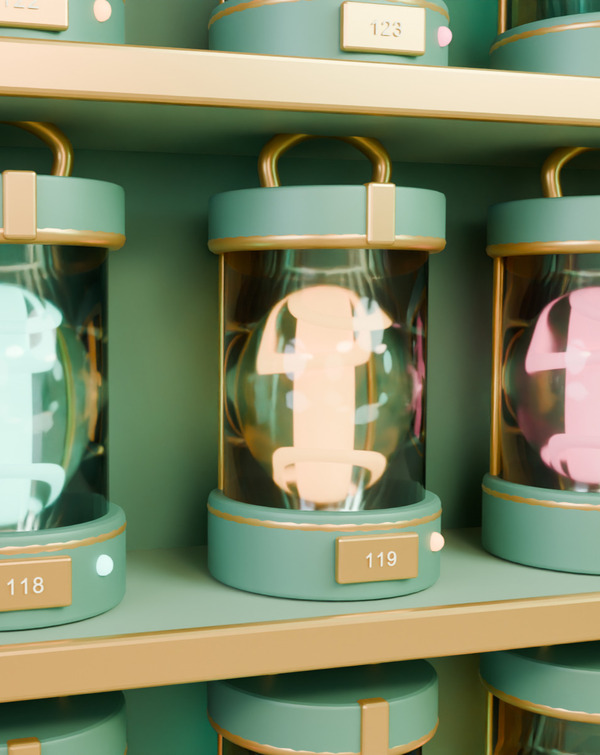
To the Bureau of Lost Memories, people rarely bring anything whole. Usually, it’s fragments: a few words from a conversation, a sliver of light in an unfamiliar room, the sensation of a road walked every day long ago. Sometimes a person remembers only that they felt good—where or with whom they were is no longer clear.

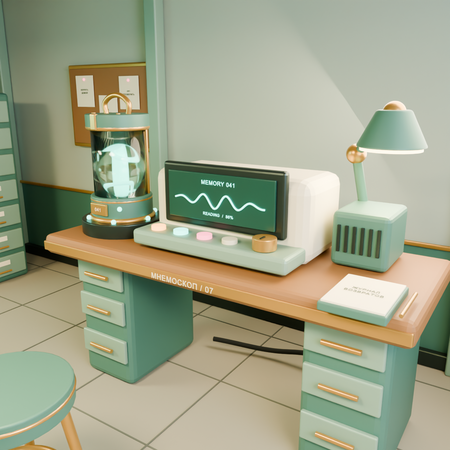
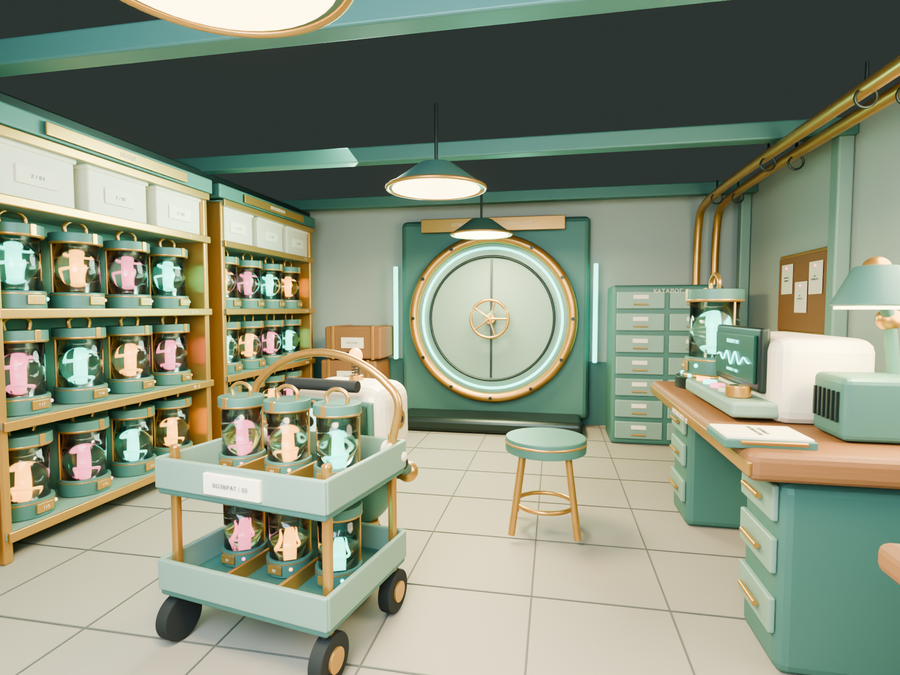
Each such fragment goes to a reading station. A faint signal appears on the screen, and a light illuminates inside the glass capsule. The archivist fills out a card and attempts to determine what the find relates to: a place, a person, or a specific moment. Some cards remain half-filled for years.
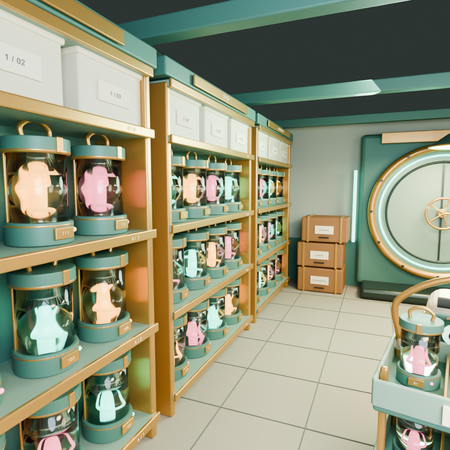
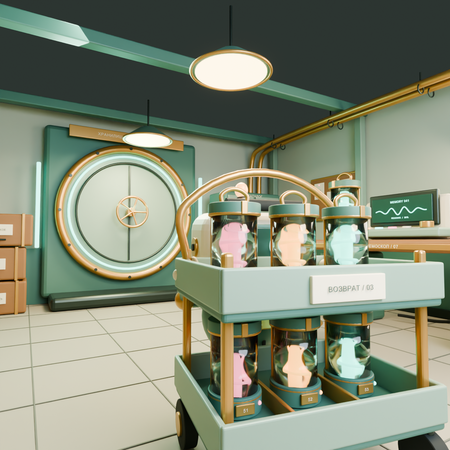
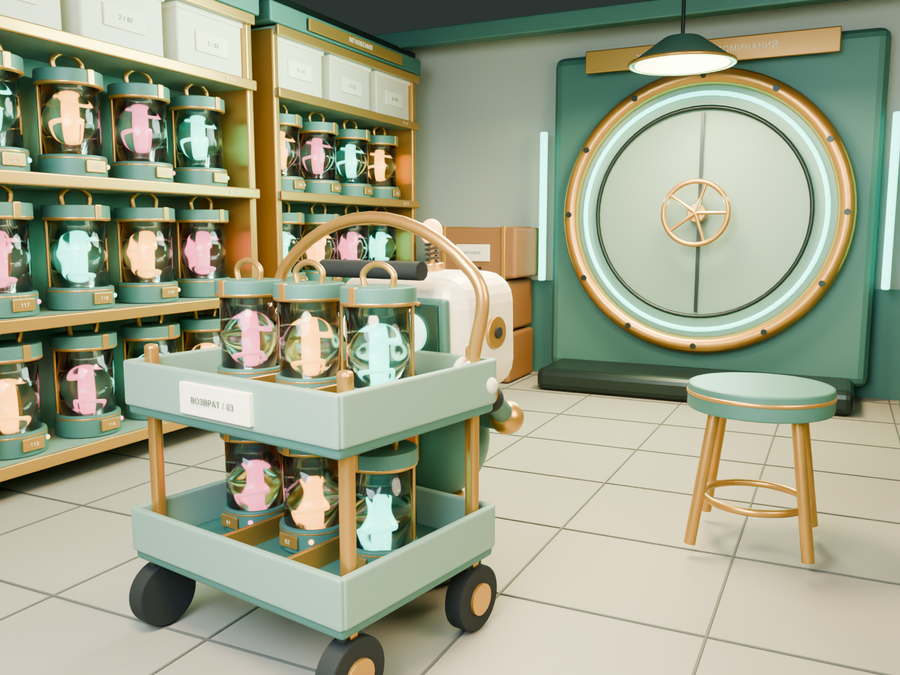
Next, Memik is assigned to work. He carefully places the capsules onto a cart and takes them to the archive. He has to move slowly through the aisles—the memories are encased in fragile glass shells. Along the way, he checks the shelves to ensure everything is in its place.
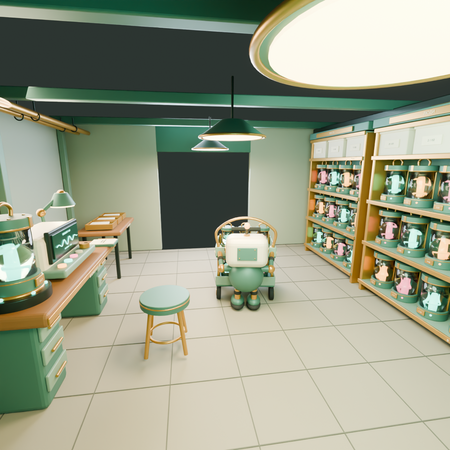
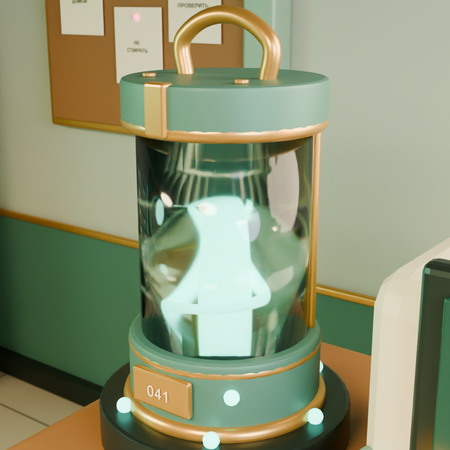
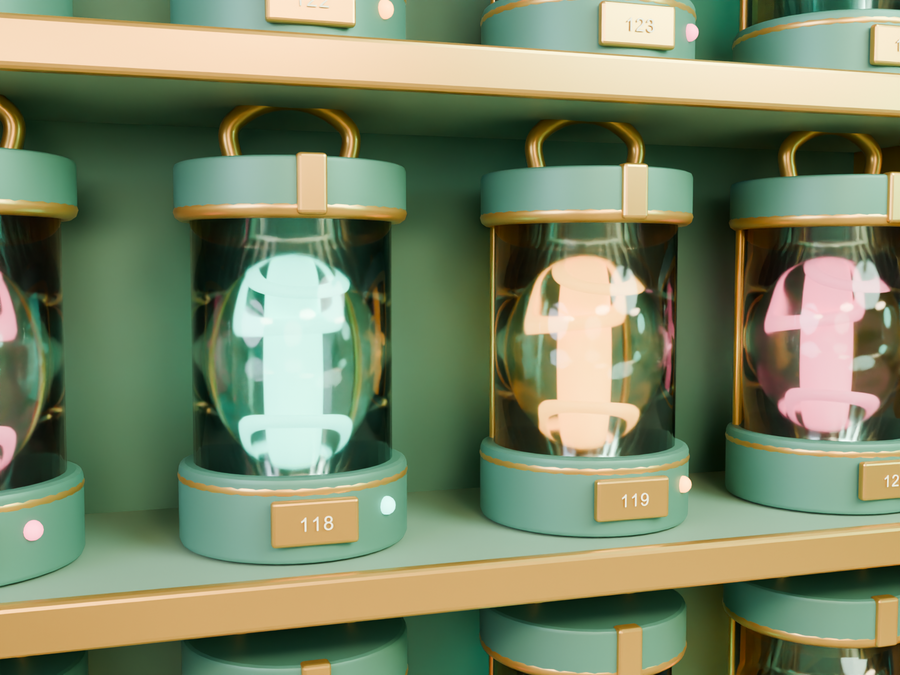
A visitor may linger in front of the shelving unit, scanning the numbers. It is nearly impossible to identify a memory by its label. But sometimes, noticing the tint of light inside a capsule is enough to suddenly recall another detail.
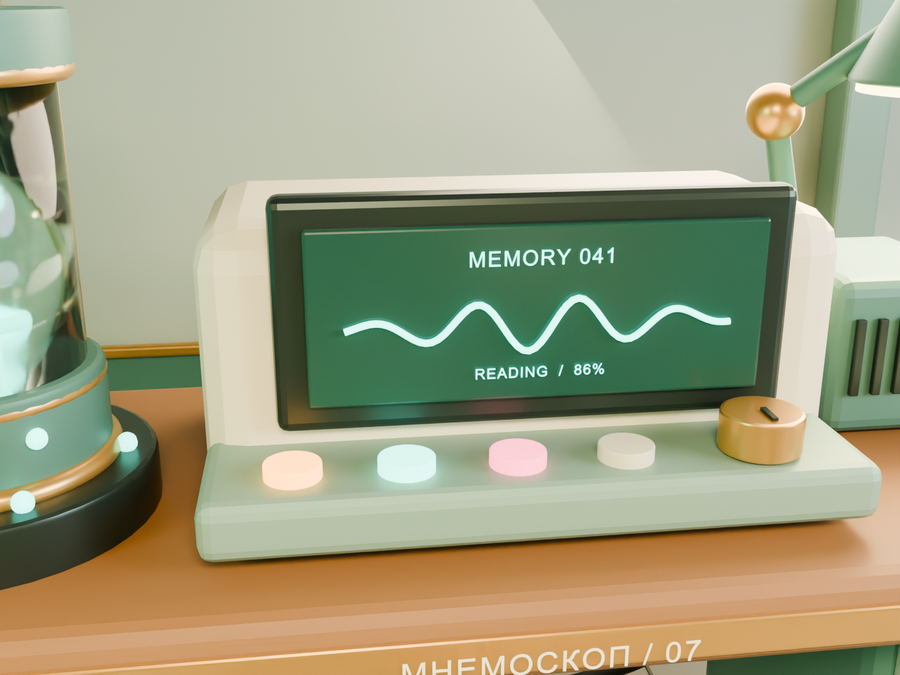
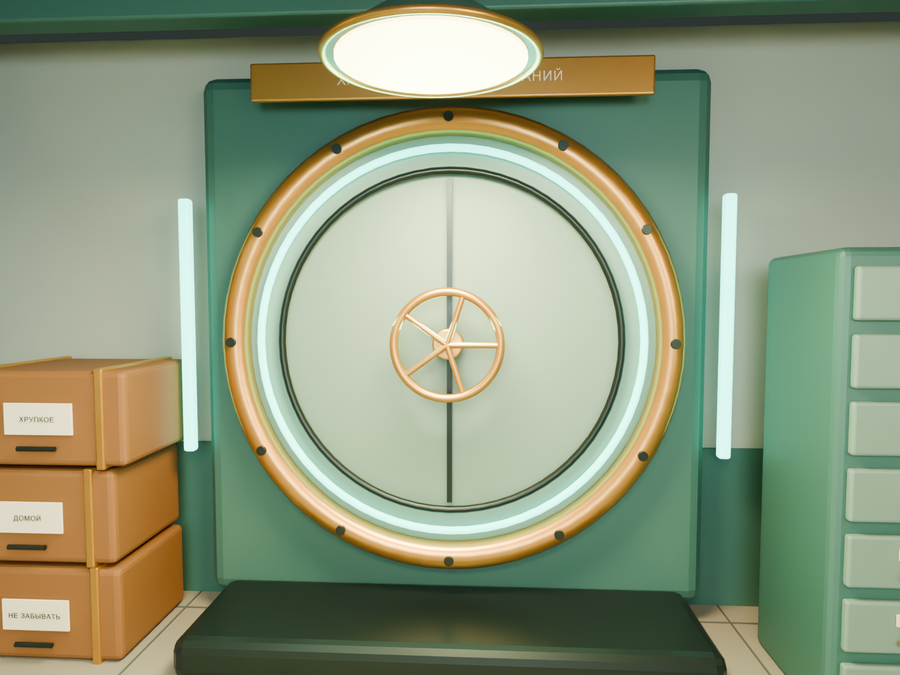
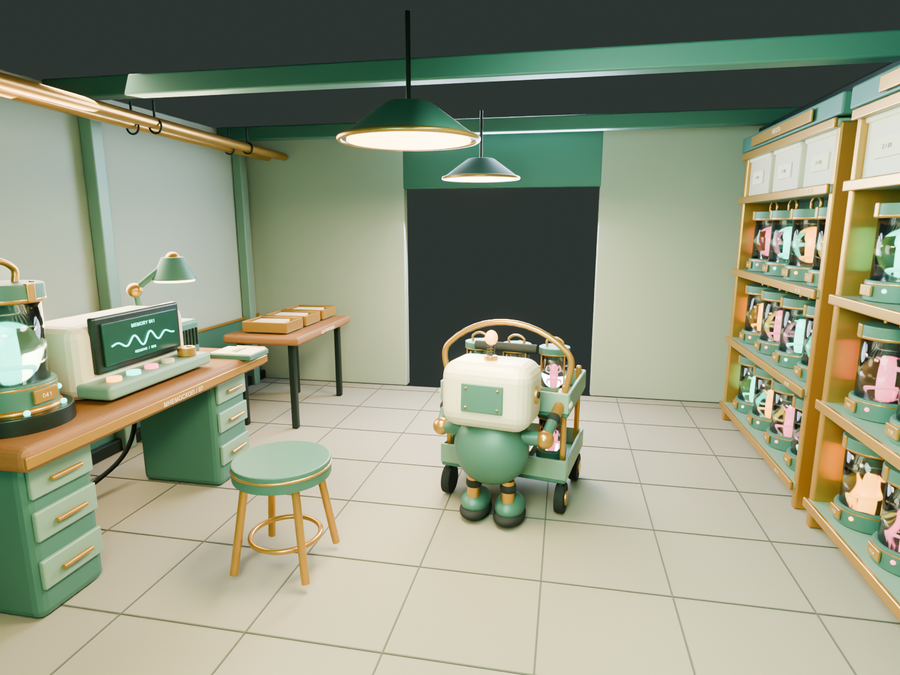
Memik stops the cart and waves his hand. You can come closer. The office is open, and the search is still ongoing.