
This project explores and reinterprets the urban bus stop as a site where people encounter the vanishing nature of the Ussuri Taiga. The stop becomes a quiet reminder: just beyond the borders of Luchegorodsk, at the threshold of the taiga, exists an entire world of rare animals, insects, and flowers that requires protection and is on the verge of extinction.
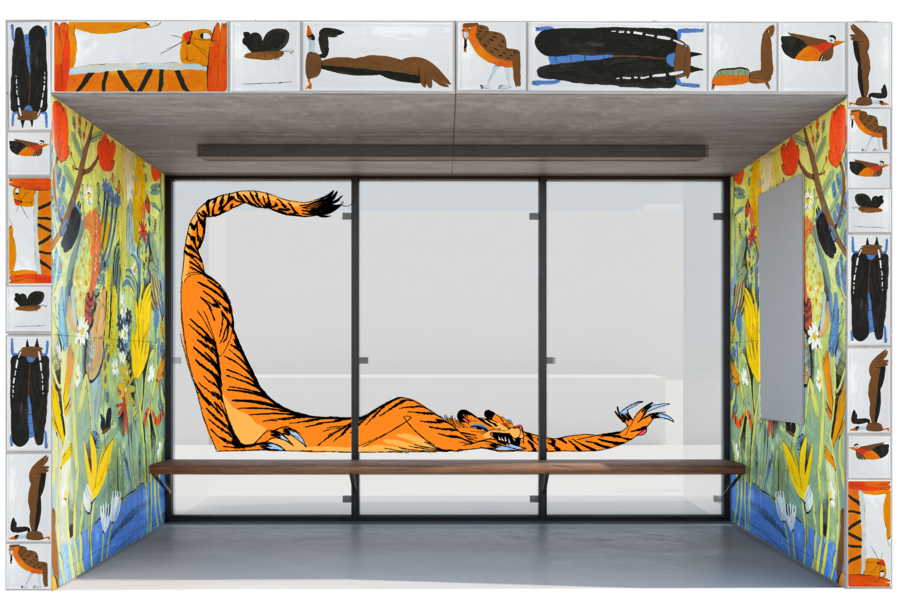
For our stop, we selected location #3. It is on Square 4.5 m, with glazing. This will allow the picturesque pines to emphasize the flora and fauna of Luchegorsk.
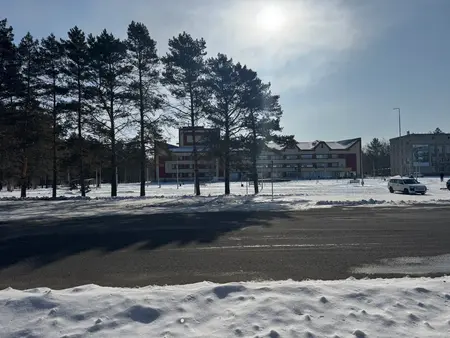
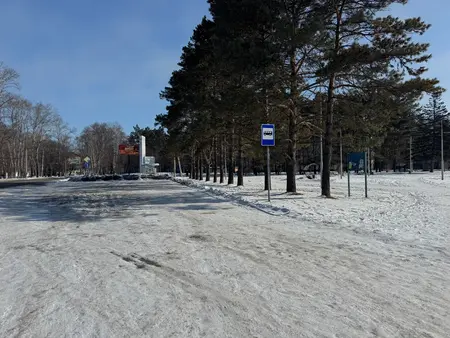
Location Photos
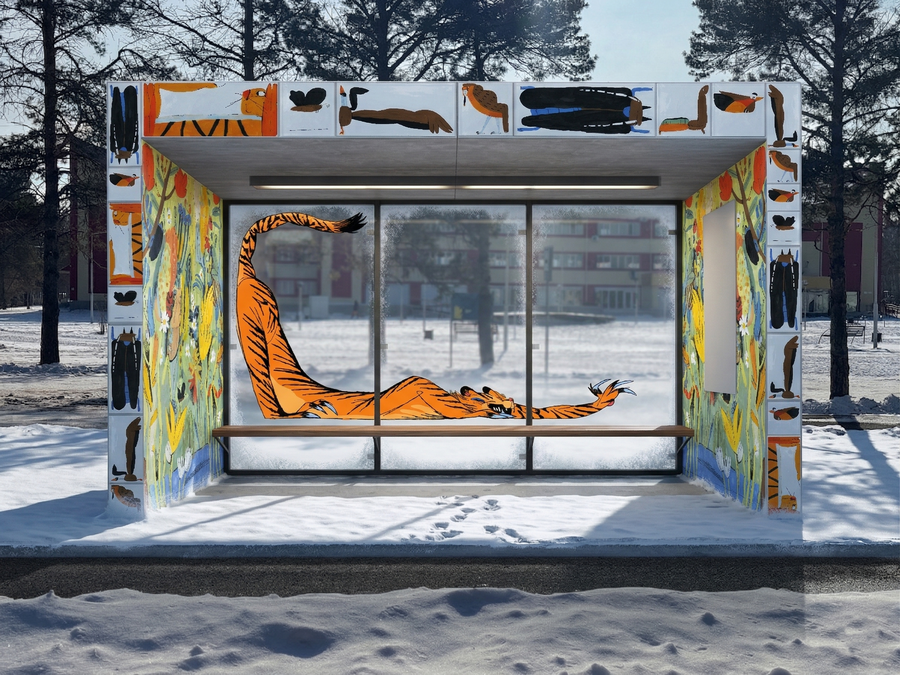
Description of Sections
In the ceramic series, rare inhabitants of the city of Luchigorsk are depicted on individual tiles.
Each species is on the brink of extinction: the fish owl is one of the world’s rarest owls; the black crane nests in the Bikin River valley and is listed in the International Red Book; the mandarin duck is a rare species whose population is declining; the relic stag beetle is the largest beetle in Russia (up to 11 cm); the Maaka swallowtail is the largest diurnal butterfly in Russia (wingspan up to 13.5 cm); and the Far Eastern turtle, which has a soft body and a proboscis instead of a nose, lives in the Bikin River.
Together, they gather in a silent Red Book under the open sky.
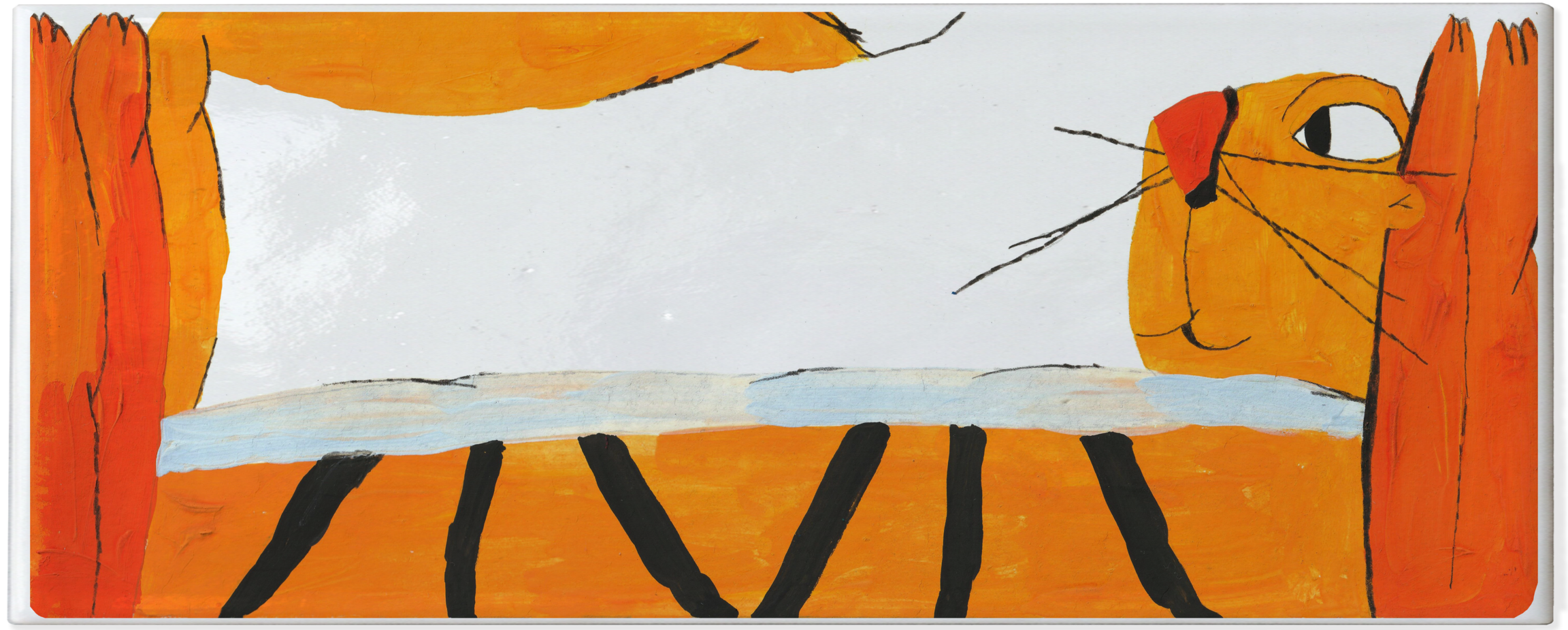
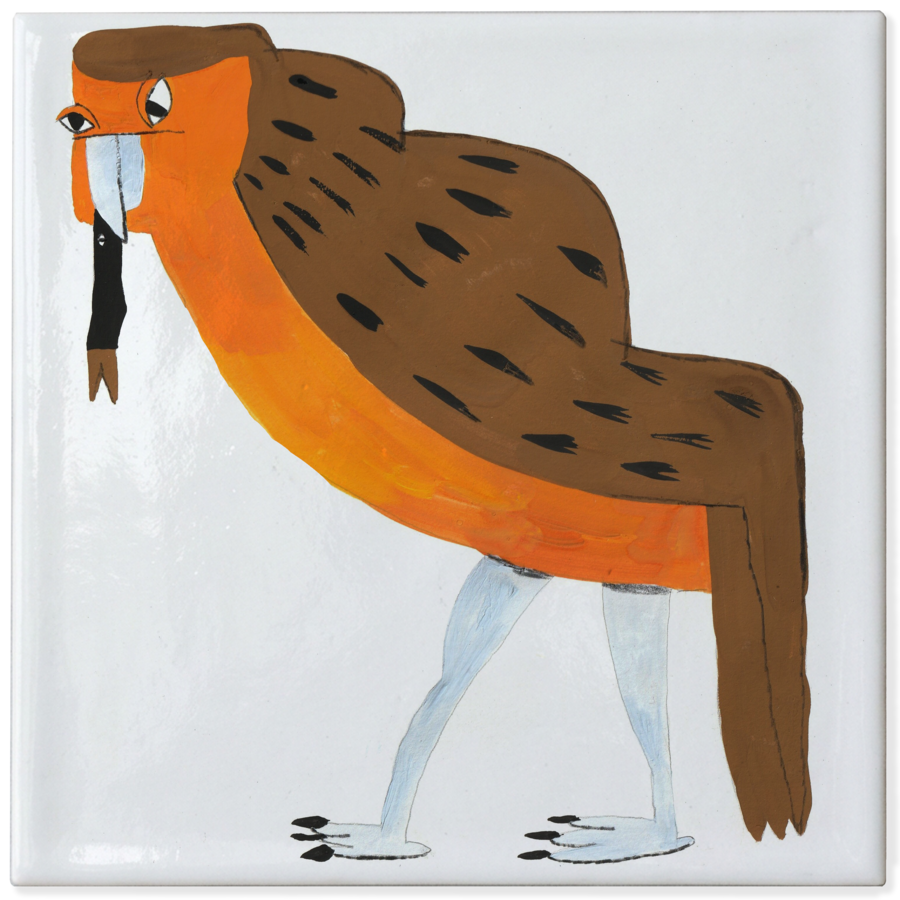
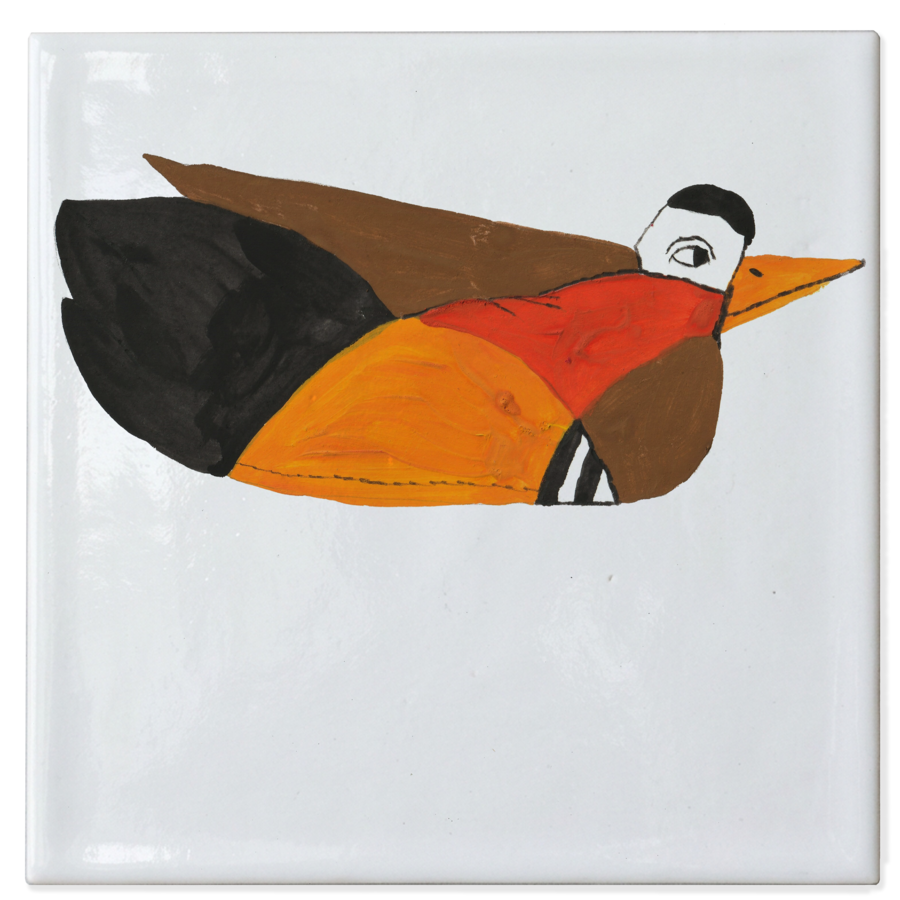
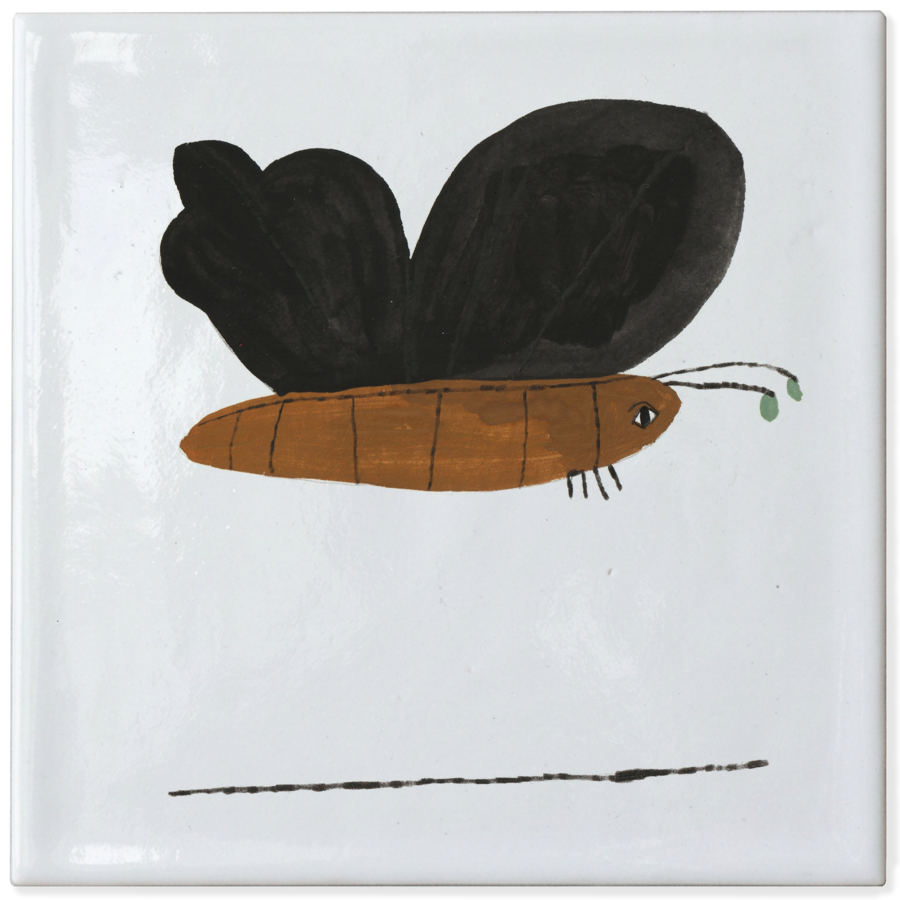
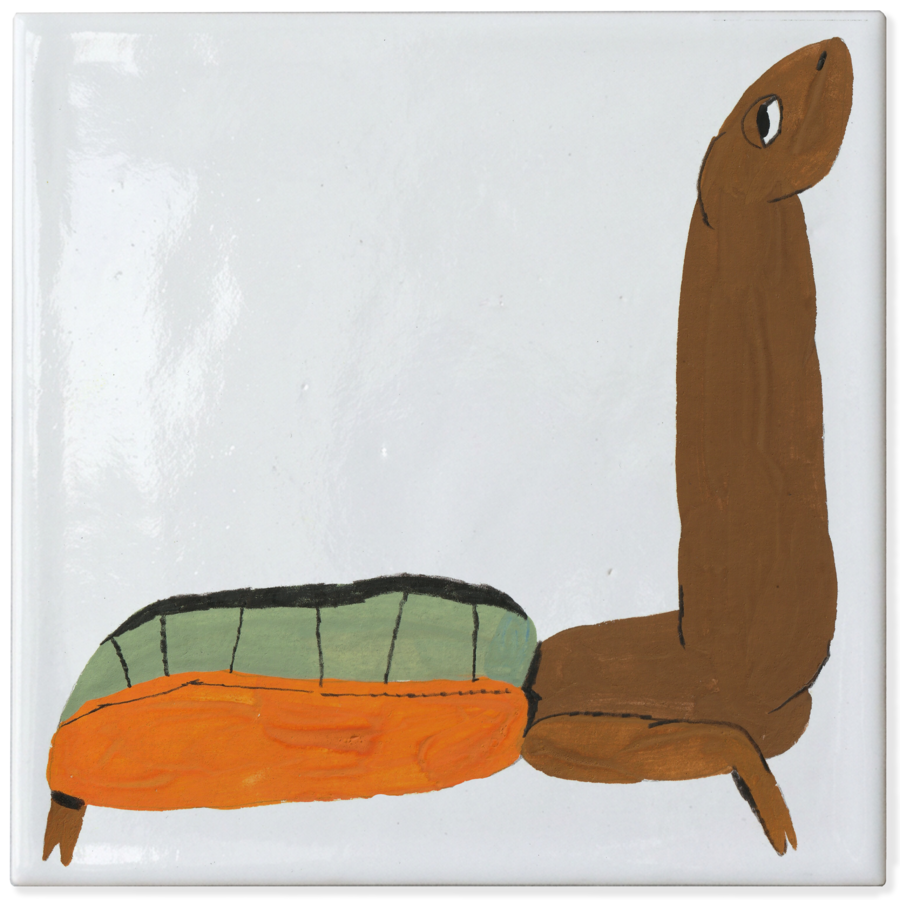
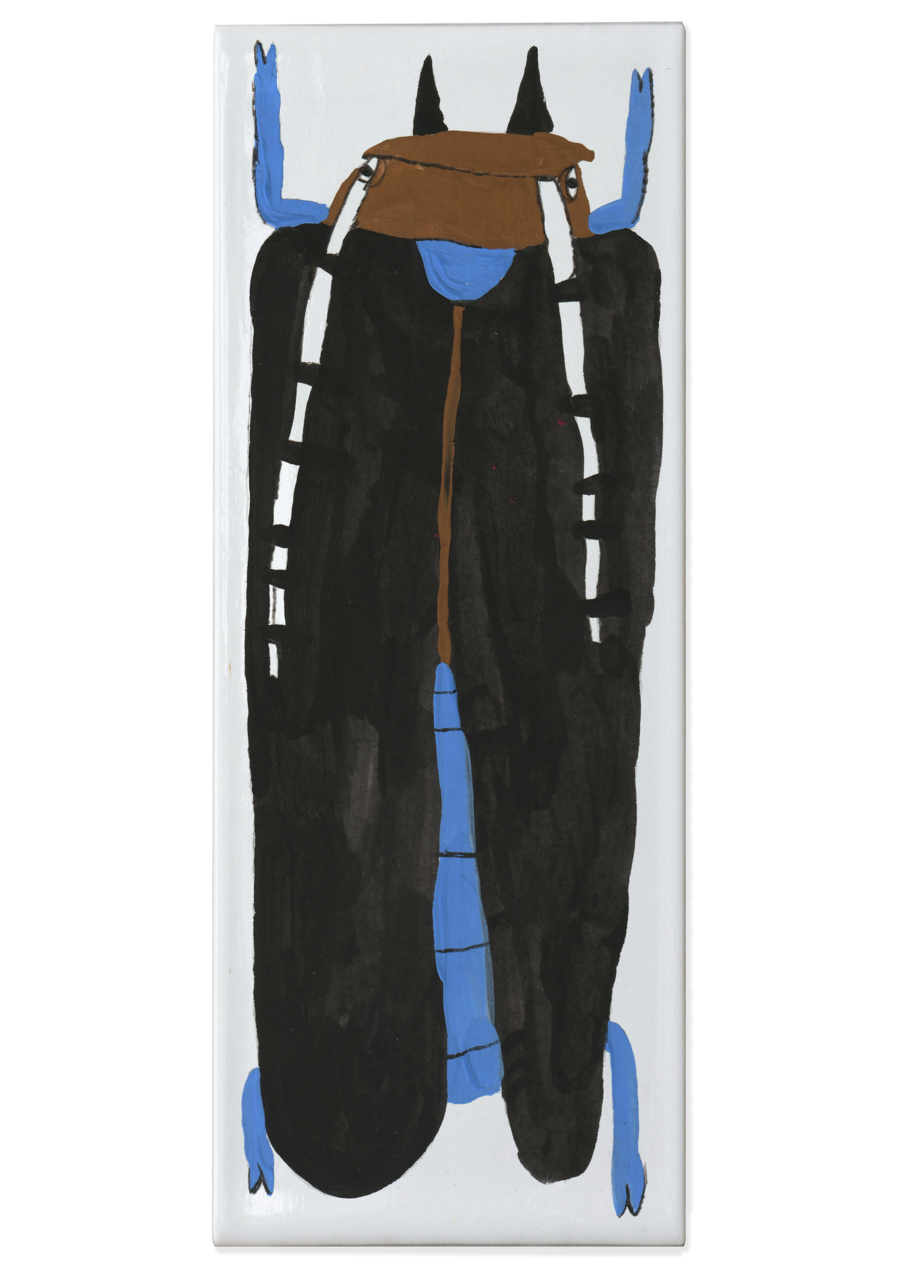
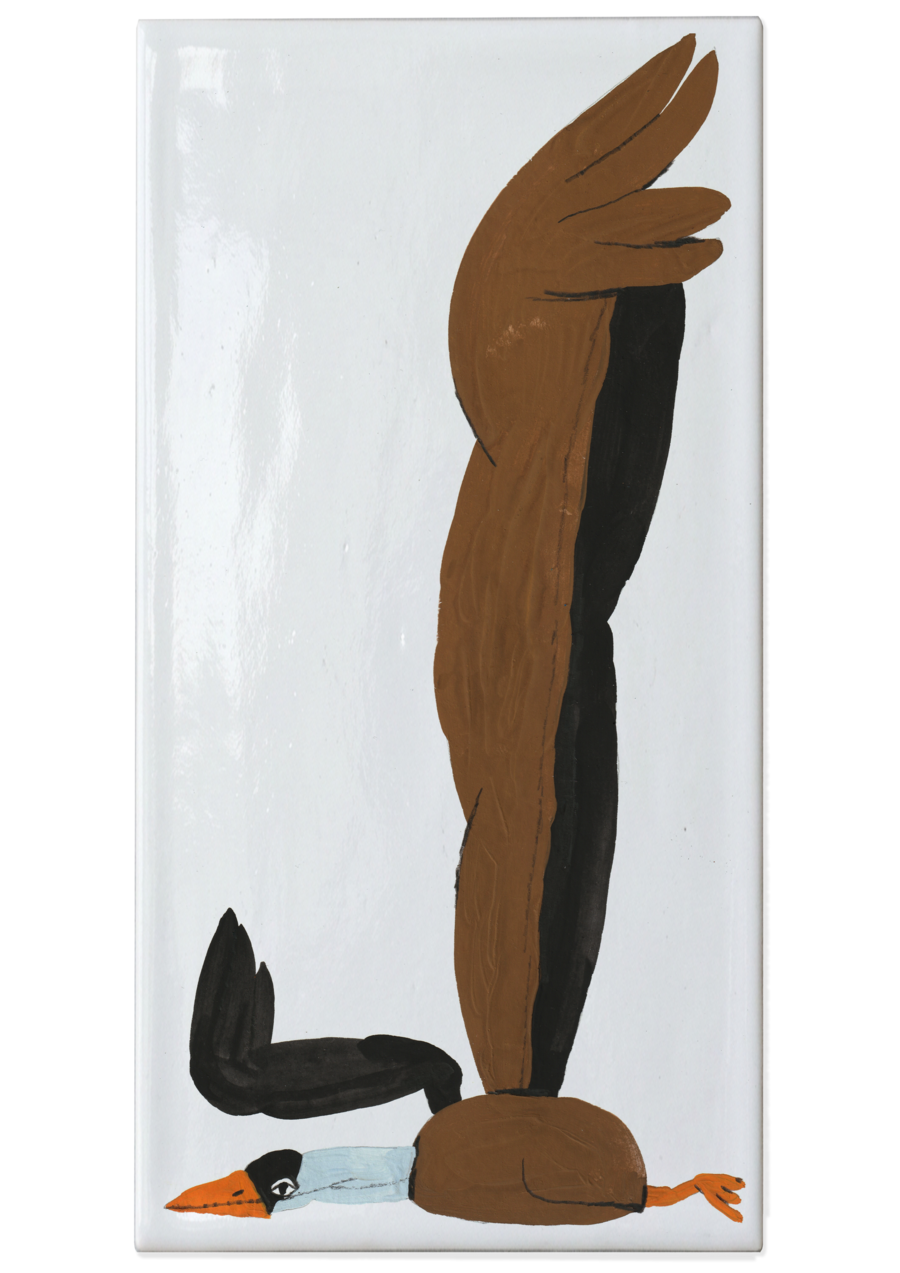
Ceramic Tile
Black Crane; Relict Long-sible; Fish Owl; Mandarin Duck; Maca Whimbrel; Far Eastern Tortoise; Amur Tiger
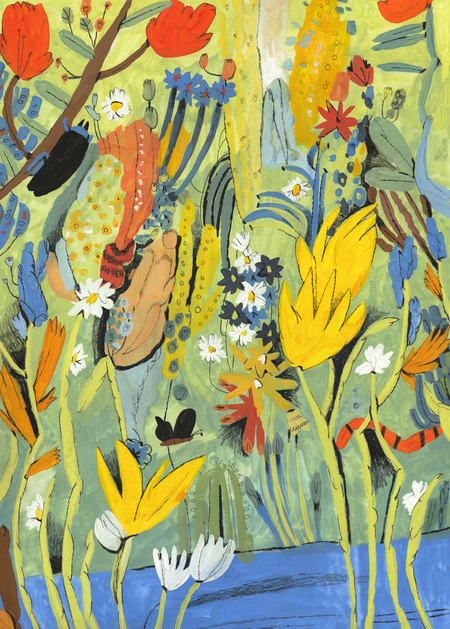
The side wall conceals the flora of Luchegorsk, which gathers into a single field: burnet, wild iris, cornflower, blue forget-me-not, chamomile. They hide within them vanishing inhabitants—just as nature itself does.
Interior wall
Only eight Amur tigers inhabit the area around Lucegorodsk because it is a peripheral zone with deep snow and low ungulate populations. By protecting this area, we are preserving the entire taiga, clean rivers, and hundreds of other rare animals in the Lucegorodsk region.
Tiger
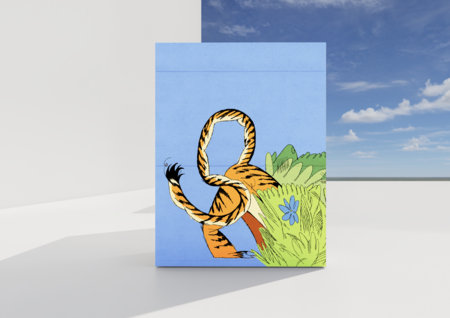
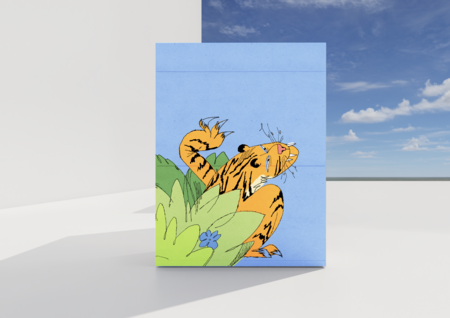
Side wall visualization
on the hunt
Production Technologies
Glass Printing Technology The design is printed onto a self-adhesive vinyl film using a solvent or UV printer. The design is then covered with a matte or glossy lamination film.
Method for Applying Designs Inside and Outside Side Glass Exterior acrylic paint is used; it is elastic, does not crack in the cold, and does not fade.
Ceramics Polished or Lappato stone porcelain tile is used. The tiles are 400×400 mm and 800×1600 mm, with a thickness of 8 mm or more, featuring a flat design application on the surface. For the design, we also use exterior acrylic paint over which two coats of lacquer are applied.
Grout for Ceramic Adhesion We used Polyurethane adhesive and mushroom anchors (2 per tile) for attachment to the concrete. The gap is 2–3 mm and does not need to be sealed.
Merchandise
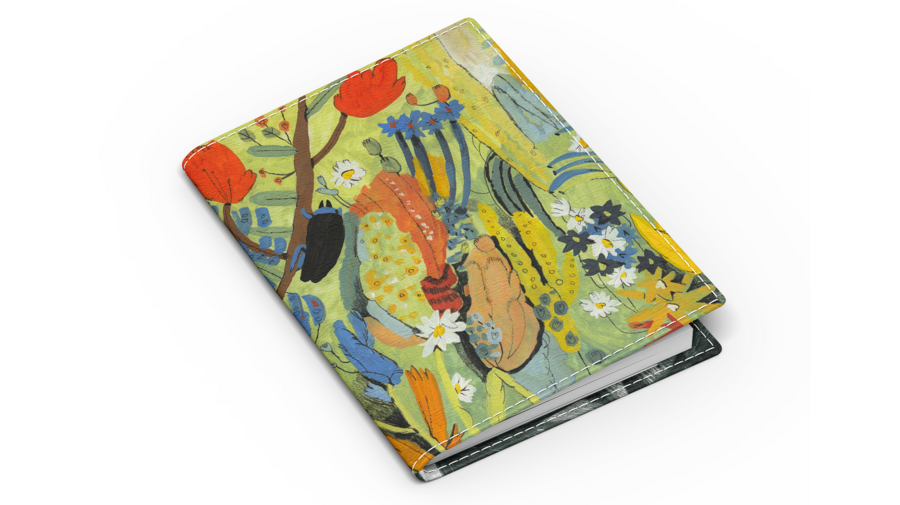
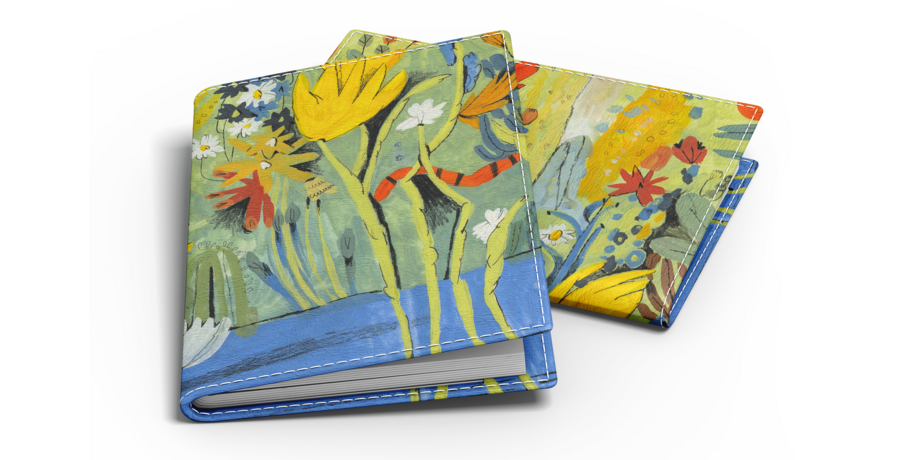
Passport Covers
T-shirt
Student IDs