This is an interactive career guidance session for high school students interested in the game development industry.
3 lessons, for 7th–11th grade, with 20–40 participants.
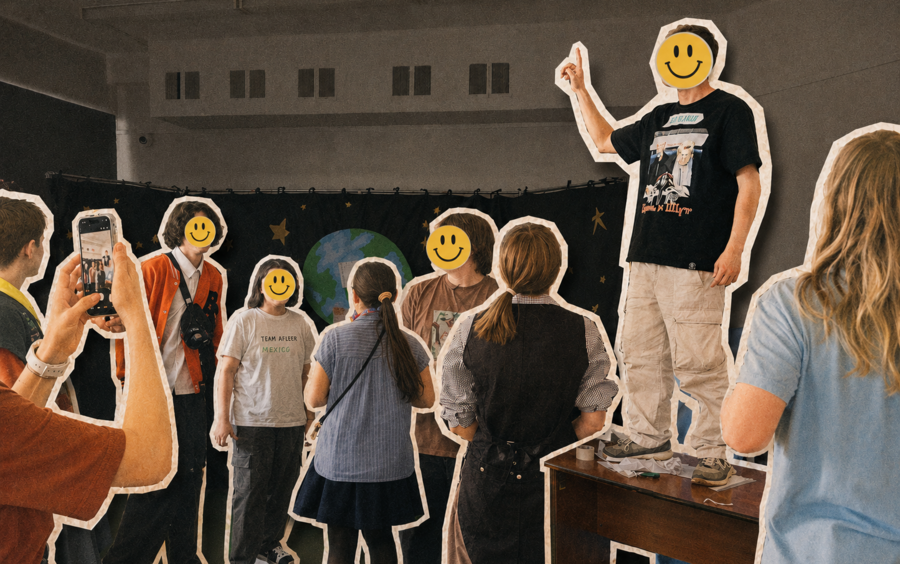
The main innovation is that the entire session is a live role-playing game.
Students take on the roles of various professionals in the gaming industry. Working together in these roles, they create their own small live role-playing game, and then they test it.
The scripting department handles the events and characters—the roles and motivations of the heroes. The game design department develops the rules and mechanics, and the production team organizes the process and runs the game.
The goal is to generate interest
By building a comprehensive understanding of various specializations within game development. It’s a revelation: I now see that this is specifically a vision keeper’s role, and this is a game writer’s. Ultimately, participants apply this experience to themselves—expanding their mental map of possibilities and gaining a broader perspective on what is possible in life.
What is going on here?
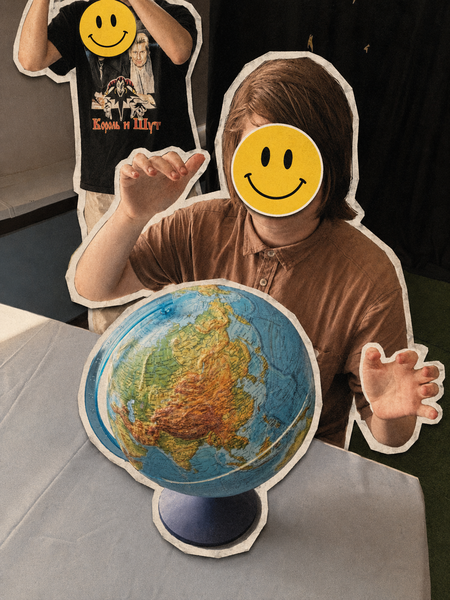
- We play a live role-playing game based on «Alien"—survivors must lie to escape the infected planet, while the crew members must identify the pilot and prevent the infected from escaping.
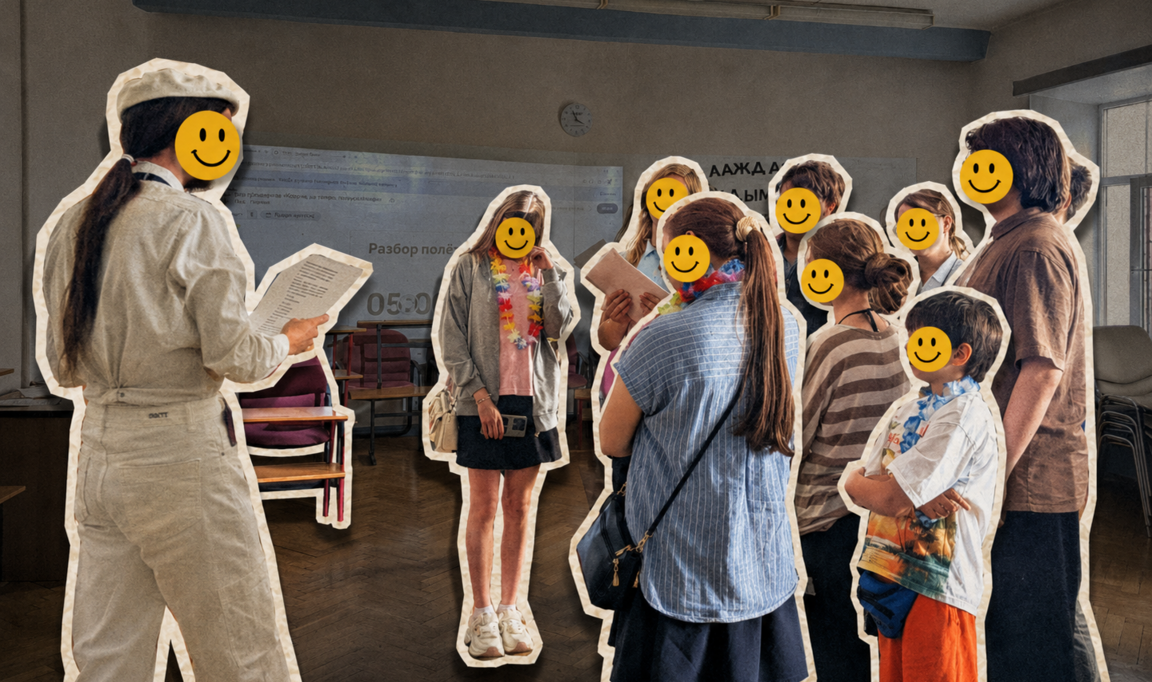
- We break down the game piece by piece so that everyone understands what we are doing and what possible challenges exist within the system.
- We divide into two studios—and become game designers, narrative designers, writers, and producers.
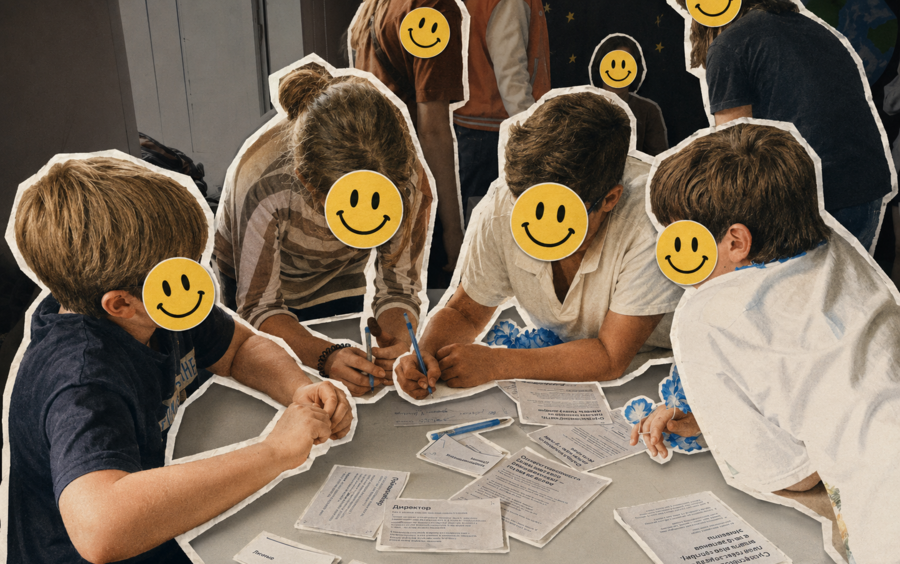
- Using a collective framework composed of instructions, we create the game—drawing inspiration from the experience gained in the «Alien» game.
- We play what we made—each studio guides the other studio through gameplay and returns with feedback.
Participant Takeaways
«One game involves many specialists”—after all, there are so many people involved, and everyone does something different. Four departments, 11 specialists—and each has its own function, its own instructions, its own goals, and its own perspective on what a game is.
«Well, I can make games"—I just finished one. And people are already playing it and saying it’s cool.
All the instructions are maximally detailed and step-by-step—you just need to know how to read to follow them.
Since the framework is collaborative, the end result is a comprehensive and impressive one—a living role-playing game.
«Maybe I want to do this?”—I love games in the end. This happens thanks to reflection.
Reflection and Pre-reflection
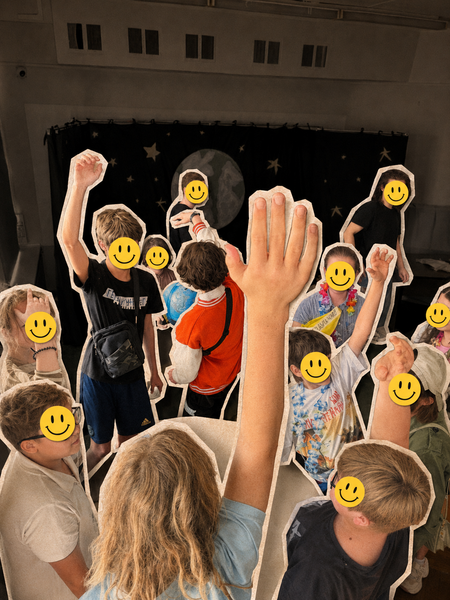
After the game, the facilitator slowly lists the emotions, and participants raise their hands if they feel them: Irritation? Interest? Inspiration? Confusion?
Next, participants are given one minute to consider the question, «If we were to play this game a second time, what specialist would you want to become?»
After voting with their feet—they move to the department corresponding to their chosen specialization.
Also, at the very beginning, there is a reflection prompt for the participants:
The facilitator asks the participants: «Has anyone of you already chosen a profession?» «How do you feel about this choice?» and discusses it for a few minutes using a script.
Cognitive Load Study
I also encountered a problem—too much complex information in a single moment, leading to a high density of cognitive load. Therefore, I conducted research to find facilitation patterns that reduce cognitive load without losing contextual depth.
I compiled 24 methods of corporate and pedagogical facilitation and described each using a strict template. From these methods, I identified 14 patterns—recurring mechanisms of operation—across various structures, ranging from time to communication format.
I documented 117 connections between the patterns and the methods. This allowed for an overall systematization of facilitation principles, making them easily transferable to non-standard contexts—not just LARPs.
A convenient visualization website featuring all patterns and techniques.
Full text research file, so you can easily feed it to a neural network. It becomes a true expert on the subject from this.
Project Results
«Adults love numbers, ” so:
I ran the game four times. The administrations of all the schools gave positive feedback on the event and its developmental impact.
A total of 55 students participated—and in their words, it was interesting and fun.
I also organized six assistants to help with the execution.
Example of a completed game: