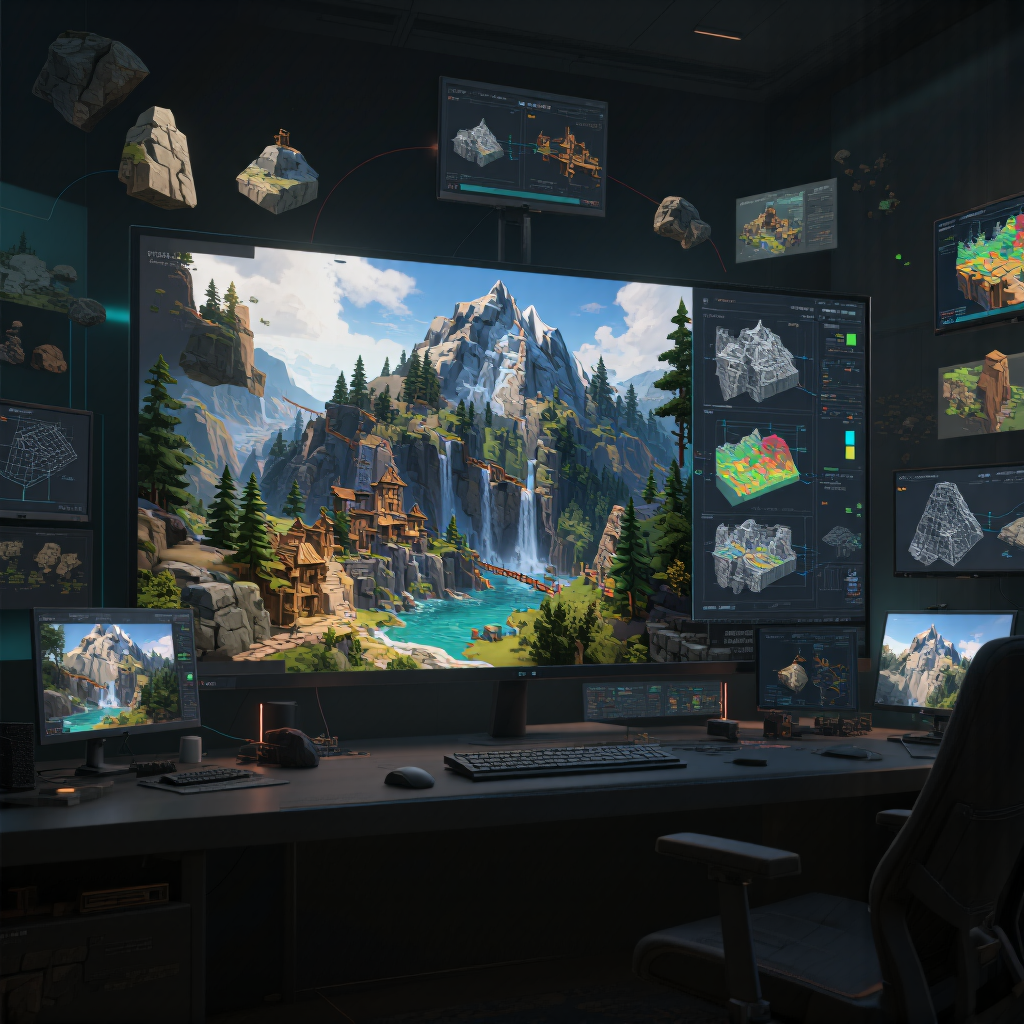
Процедурная генерация окружений и модульных ассетов
Advanced course on automating the creation of game environments and sets of interchangeable assets in Unreal Engine.
What is this course about?
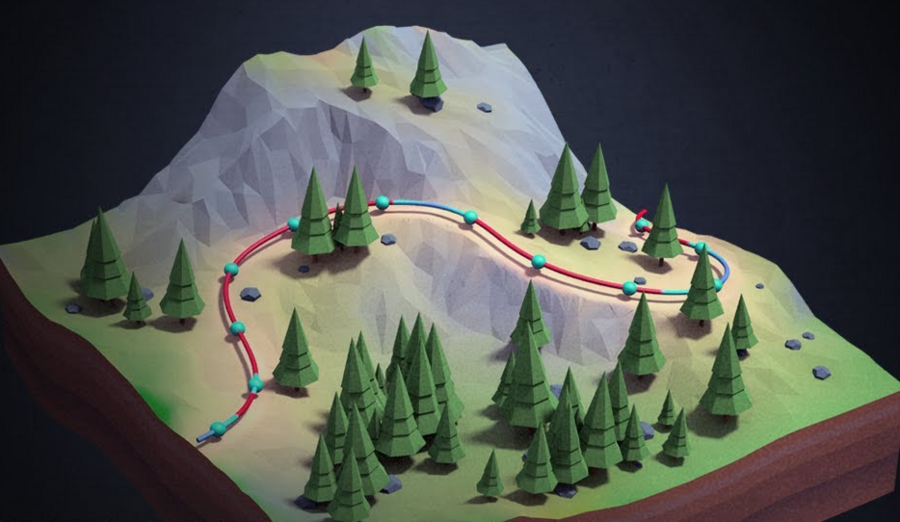
Contemporary projects demand massive amounts of environments that are impractical to build by hand within a reasonable timeframe; consequently, studios increasingly rely on procedural pipelines and modular asset libraries. This approach is used in open-world game development, film and television, architectural visualization, and the combination of Houdini and Unreal Engine has become the standard for such solutions.
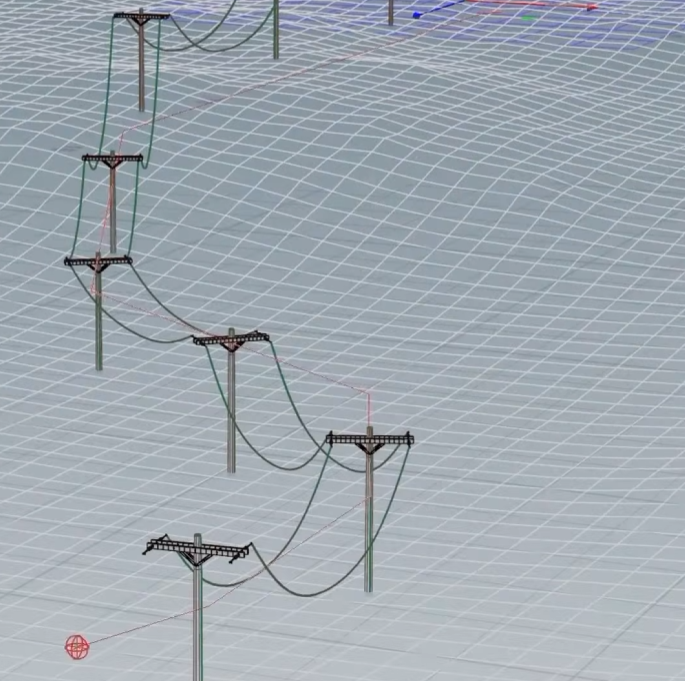
Attendees will explore how procedural environment pipelines are structured, what modularity is and why it is necessary, how to design tools for a team, and how procedural content integrates into Unreal Engine. Next, they will dive into practical application: learning to build generators for structures, roads, vegetation, and terrain, creating modular sets, and preparing them for use in the engine. The course will conclude with a procedural environment, complete with a set of modular assets, created using a custom tool in Houdini and exported to Unreal Engine as a finished scene.
Who is this course for?
◈ Environment Artists and Technical Artists proficient in Houdini who want to automate scene creation. ◈ Graduates of procedural modeling courses aiming to solidify their skills on complex production tasks. ◈ Game studio Environment Artists needing to accelerate production and reduce routine workload. ◈ Architectural Visualizers looking to generate large-scale scenes based on established rules.
Course duration: 10 weeks.
Contact hours:
60 academic hours.
Classes are held online, featuring synchronous sessions, work reviews, and deadlines.
What will course participants learn?
◈ Skillfully select the procedural environment generation approach for the specific project task;
◈ Design the structure of a procedural tool: inputs, logic, parameters, and output results;
◈ Create modular asset sets while accounting for grid alignment, tiling, and reuse;
◈ Build generators for buildings and architectural elements based on rules and modules;
◈ Generate terrain, roads, and vegetation, and distribute objects according to rules and masks;
◈ Package tools as Houdini Digital Assets with a user-friendly interface for other users;
◈ Export modular assets and the generated environment to Unreal Engine and assemble them into a working scene.
What practical assignments will students complete in the course?
◈ Designing the blueprint for a future tool;
◈ Creating a modular asset set with correct interlocking;
◈ Building a procedural building generator with customizable parameters;
◈ Generating environmental fragments: topography, roads, vegetation, and object placement;
◈ Exporting assets to Unreal Engine with material and collision setup;
◈ Final project: a procedural environment featuring a set of modular assets, exported to Unreal Engine and assembled in a scene.
Prerequisites
◈ Proficient command of Houdini: working with attributes, groups, VEX, or Wrangle at a basic level;
◈ Basic familiarity with Unreal Engine;
◈ A computer meeting the requirements for Houdini and Unreal Engine 5 (a video card supporting DirectX 12/Vulkan, 16GB of RAM or more);
◈ Installed Houdini, Unreal Engine 5, and the Houdini Engine plugin.