Cinema is fascinating because even the most unbelievable things on screen can feel completely natural. It is this capacity of filmmaking to transform the impossible into a convincing reality that sparked my contemplation.
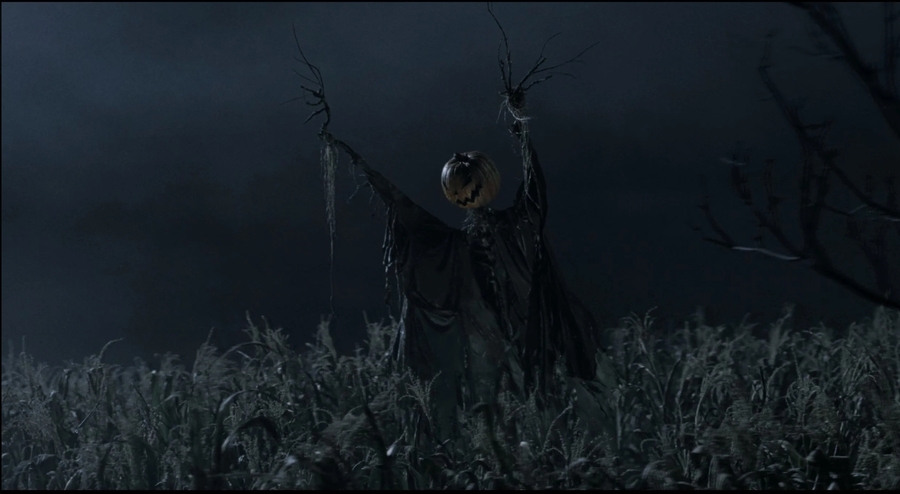
Sleepy Hollow 1999 dir. Tim Burton
Creating a convincing headless character in film is more challenging than simply hiding the actor’s head; it is crucial that the movements remain natural and the effect itself is imperceptible.
In Tim Burton’s films—Sleepy Hollow (1999) and Beetlejuice (1988)—different techniques were employed to achieve the most convincing and realistic portrayal of the headless character while preserving the naturalness of their movements and the invisibility of the effect.
The research center features two films that each portray characters whose bodies exist separately from their heads.
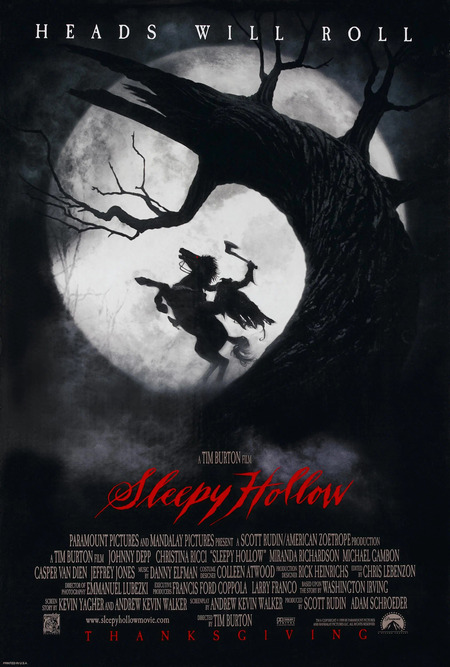
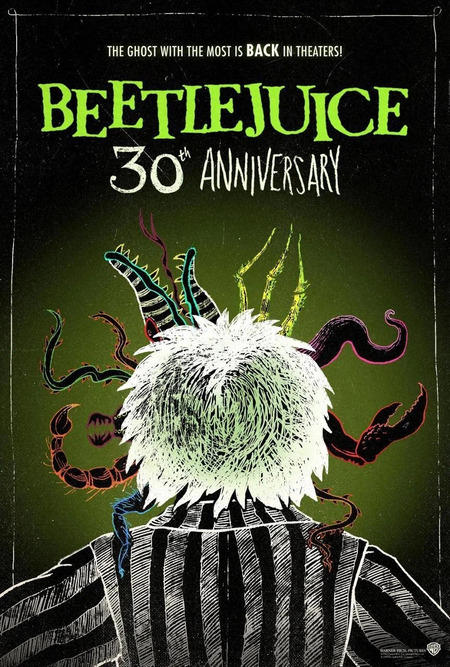
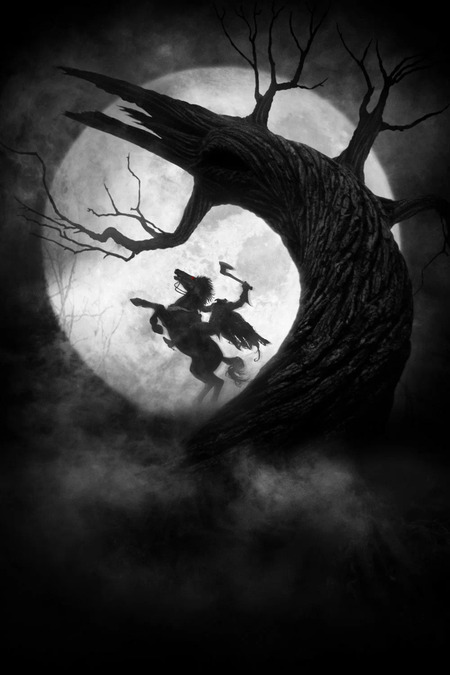
Posters: Sleepy Hollow (1999) and Beetlejuice (1988), directed by Tim Burton
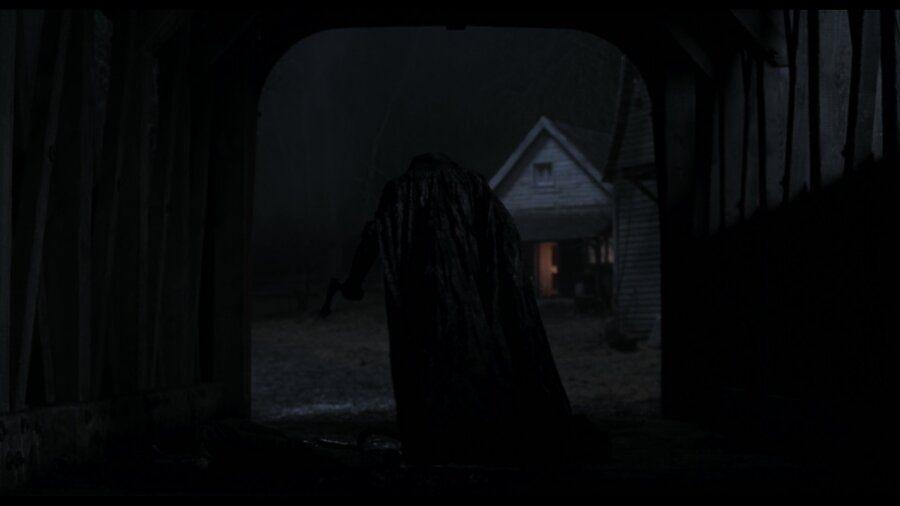
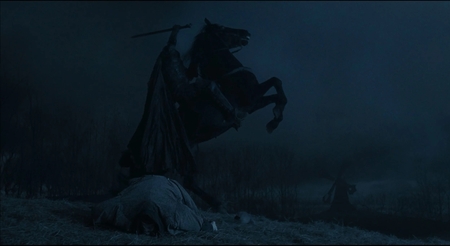
Focus on the headless rider
His movements, interaction with other actors, and use of props are highlighted. To provide a comparison, a scene from «BillDjuice» is chosen, where Adam Maitland’s head separates from his body and then returns to its place. These examples show how different techniques help maintain the naturalness of the movement and make the effect convincing.
Sleepy Hollow 1999 dir. Tim Burton
Topics
I will begin with «Snoopy» and examine how the Headless Rider was created.
I will explore why the actor wore a blue hood and how his head was later removed from the frame.
Next, I will review scenes featuring computer models and props, and then move on to «BillDjuice,» where many effects were created right on set.
I will compare the technologies used to determine how the methods of creating headless characters have evolved, what new possibilities have emerged, and how much more convincing the on-screen effects have become.
Finally, I will try to understand what has changed with the advent of digital technologies and why the combination of old and new techniques helps create the most believable effect.
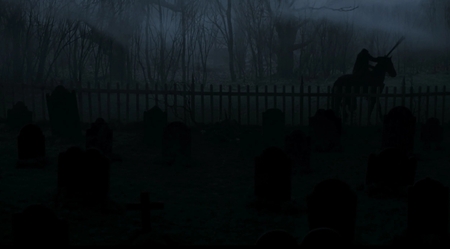
Sleepy Hollow 1999 directed by Tim Burton
To understand how the headless characters in «Slumber Valley» and «Beatlejuice» were created, I consulted the accounts of the special effects creators themselves.
The primary sources were Adam Berry’s article for Industrial Light & Magic (2024) and Douglas Turner’s piece for American Cinematographer (1988). These resources help clarify the techniques used during filming, how practical and digital effects were combined, and what challenges the crew faced. Additionally, the bibliography includes issues No. 34 and No. 80 of Cinefex.
By comparing these accounts with film stills, one can see how successfully various creative solutions worked and whether the illusion was managed to remain seamless.
Sleepy Hollow 1999 Making Of & Behind the Scenes
How have the methods of creating headless characters evolved from «Bitjuss» to «Sleepy Hollow,» and do digital effects truly look more convincing than practical ones?
Digital technology has allowed for the preservation of an actor’s natural movements while digitally removing their head post-production. However, these new possibilities brought new complexities, as separate background shooting and the addition of missing details were required. At the same time, mechanical constructions and dummies have not lost their significance and have continued to be combined with computer graphics. This combination is what could yield the most convincing result.
Perhaps the issue is not so much the novelty of the technology, but rather how well it is tailored to a specific scene and objective.
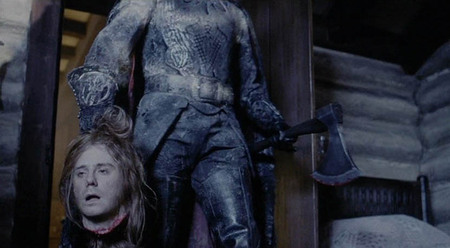
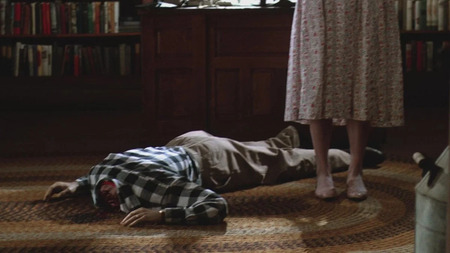
Sleepy Hollow (1999) and Beetlejuice (1988), directed by Tim Burton
Sleepy Hollow: Digital Deletion of Heads and the Convergence of Technologies
What Changed by 1999
Unlike the Beatlejuice, which used a mechanical rig and a cascader with a special overlay for different angles, in Sleepy Hollow, the ability to preserve the performer’s body and movements while only removing the head during digital post-production became possible.Sleepy Hollow 1999 — Making Of & Behind the Scenes
What is most interesting is when the creative process influences technological development as a whole. In the film The Headless Rider, the character not only moves across the set but also gallops, fighting and actively interacting with other actors. To maintain human proportions and movement, the decision was made to film a real person and digitally remove the head afterward. According to VFX Supervisor Jim Mitchell, one approach considered was raising the upper part of the clothing while hiding the actor’s head inside, but this distorted the figure’s proportions, leading to the decision to film a real performer and remove the head digitally.
Sleepy Hollow 1999 dir. Tim Burton
The work on the headless body began at the material preparation stage
Stunt performer Ray Park played the Knight in the action scenes. His movements were preserved, and his head was removed during digital post-production. However, digital removal does not automatically transform the original footage into the final effect; moreover, the head occupies a significant portion of the frame, obscuring the background, part of the collar, and sometimes other actors. Behind the Knight’s head could be parts of the landscape or moving fog.
To restore these parts of the image, specialists filmed a clean plate—the same background without the Knight—as an additional step. After the head was removed, the background areas were restored, the missing part of the collar was created using computer graphics, and additional takes were used for the covered faces of other actors.
Sleepy Hollow 1999 Making of & Behind the Scenes
How was the head removed from the image?
During the filming of action sequences, Ray Park wore a blue hood specially designed by ILM for Burton’s film. Its color allowed specialists to isolate the head area using a color key and remove it from the image. However, removing the hood was not enough because there were areas of the background behind it that the camera could not see, and the blue hood only helped remove the head.
Clean plate and space reconstruction where the head was
To ensure that removing the rider’s head did not leave a void in its place, the same background was shot separately but without the actor. With this plate, hidden areas of the image were reconstructed—and working with the fog, which was constantly changing and moving, was especially challenging.
Sleepy Hollow 1999 Making of & Behind the Scenes
In Beatlejuice, a similar task was executed right on set. They placed a piece of set dressing that mimicked the front of the table in the scene with the talking head in front of the camera and hid the actor’s body behind it. The difference was that in one film the image was reconstructed after filming, whereas in the other, unwanted elements were hidden during the shoot itself. But the main goal was to ensure the audience saw the character, not the technical apparatus.
Digital Collar
After the Rider’s head was removed, it became apparent that a portion of the cloak’s high collar was also obscured. During filming, the actor’s head covered it, so ILM created a digital collar that moved along with the body.
The cloak itself remained real; the computer graphics merely supplemented it. It was especially important to maintain the natural movement and lighting of the collar so that the new detail would not stand out against the rest of the costume.
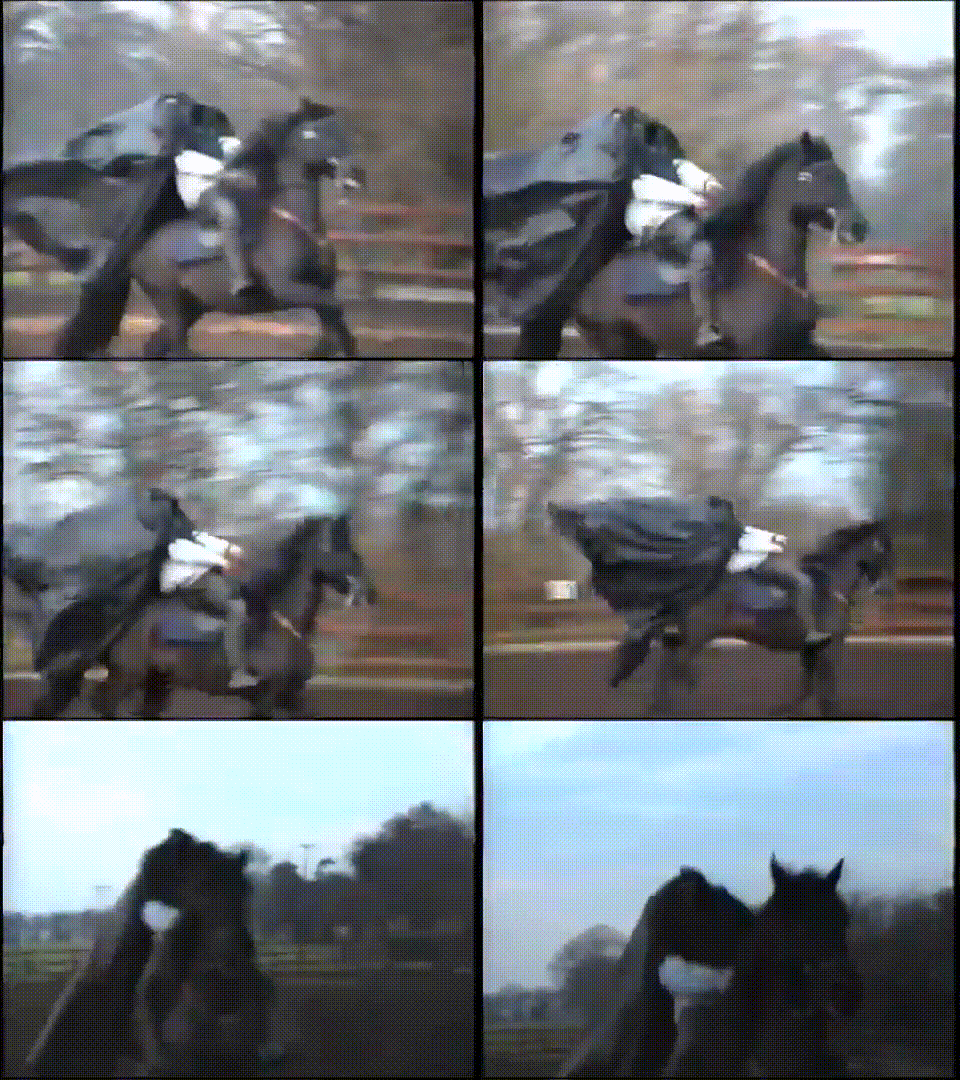
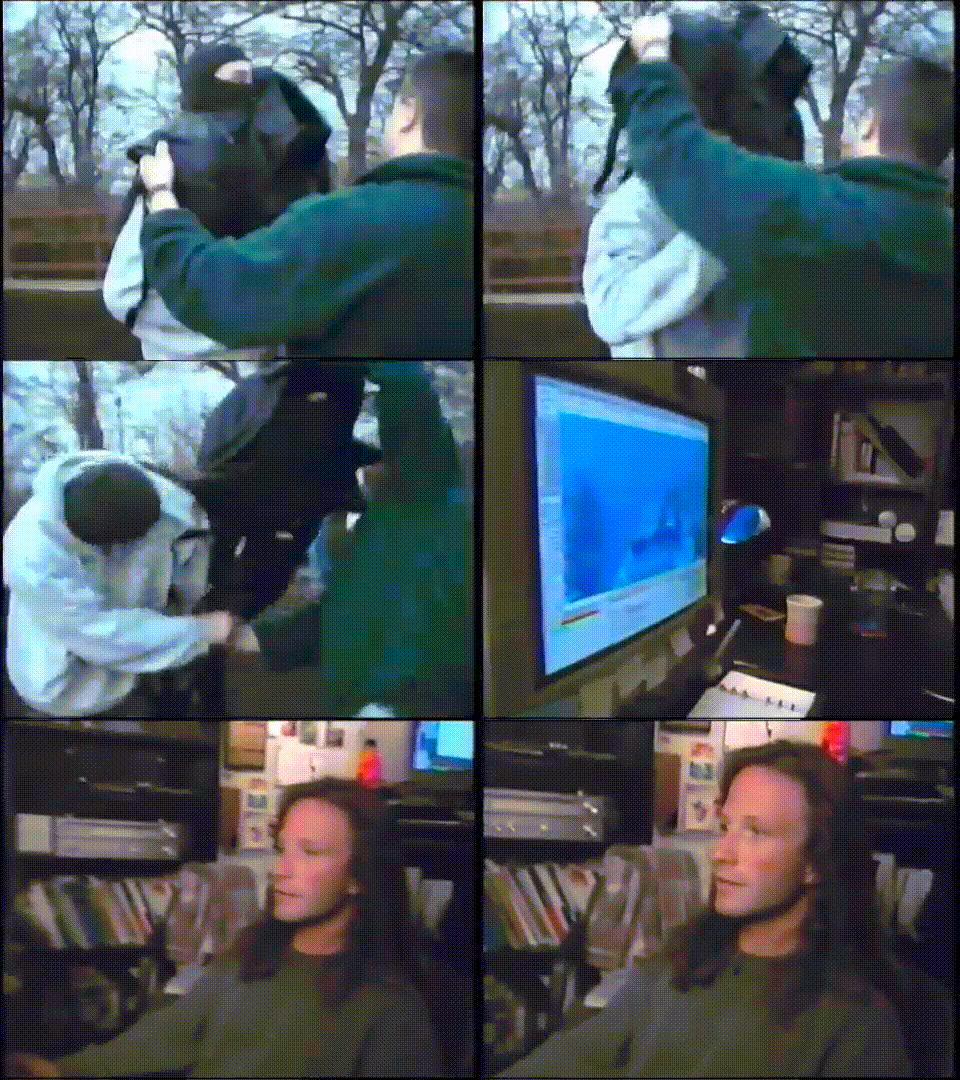
Sleepy Hollow 1999 Making Of & Behind the Scenes
Obstruction by Other Actors
In the fight scenes with the heroes, the hood sometimes obscured their faces. To restore the image, the actors were asked to repeat the same movements without the Rider, and the missing parts were taken from these takes and composited with the main footage.
In Bitldjuice, a similar problem was solved differently; when the headless hero temporarily disappeared outside the frame, a stunt performer wearing a prosthetic piece simulating a severed neck replaced the mechanical body.
Sleepy Hollow 1999 Making Of & Behind the Scenes
Fog, Lightning, and the Complexities of Digital Processing
Dense fog and flashes of lightning created a somber atmosphere in the painting, but they significantly complicated the artists' work. As Jim Mitchell explained, because the fog was constantly moving, reconstructing hidden areas of the image was far more difficult than on a stationary background. During the flashes, the lighting and other added details also had to be changed so they wouldn’t stand out against the actual costume.
These complexities clearly demonstrate how intrinsically visual effects are connected to the film’s atmosphere.