The beautiful thing is liking something without understanding it.
Navigator:
- Concept
- The Art of Seeing 2.1 Random Form 2.2 Light, Shadow, and Reflection 2.3 Surface as a Testament to Time
- From Detail to Image
- Conclusion
- Sources
Concept
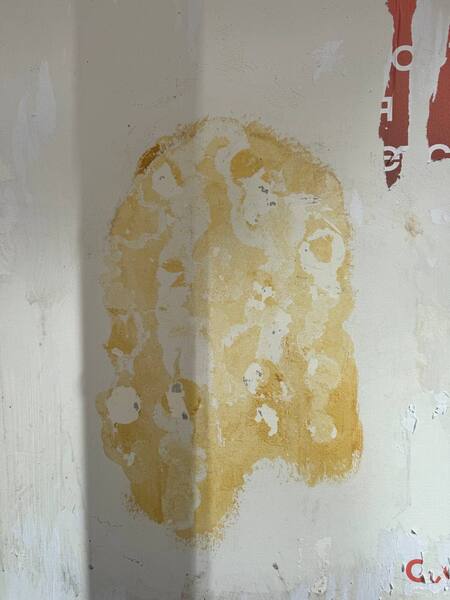

Photograph from the personal archive of a member of the «Photoglaz» community
Everyday life is filled with forms that rarely capture our focused attention. A fold in fabric, a gleam on glass, the wear on a doorknob, a stain on plaster, or a shadow on a wall is usually perceived as incidental to the object’s main function. However, these details possess their own plastic qualities.
In 20th and 21st-century art, the ordinary object has repeatedly served as a catalyst for re-examining familiar perspectives. Modernist photography uncovered sculptural forms in plants and domestic items; post-war abstract photography explored wall marks; and contemporary photography investigates random juxtapositions of objects and the ambiguity of visual experience. These practices do not necessarily transform the object itself into art—often, they alter the distance between the object and the viewer.
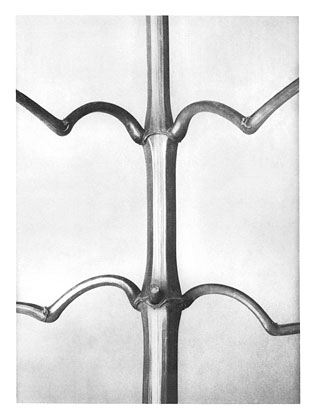
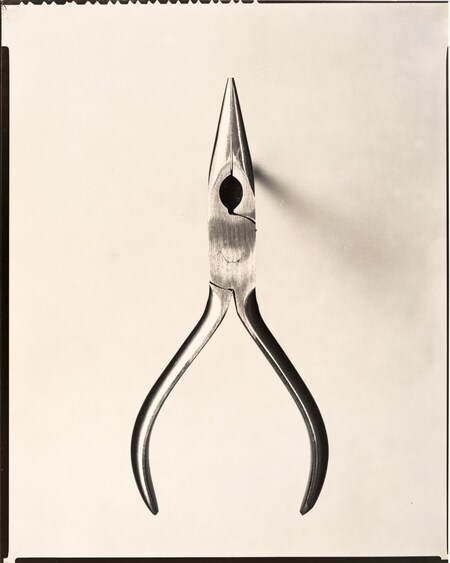
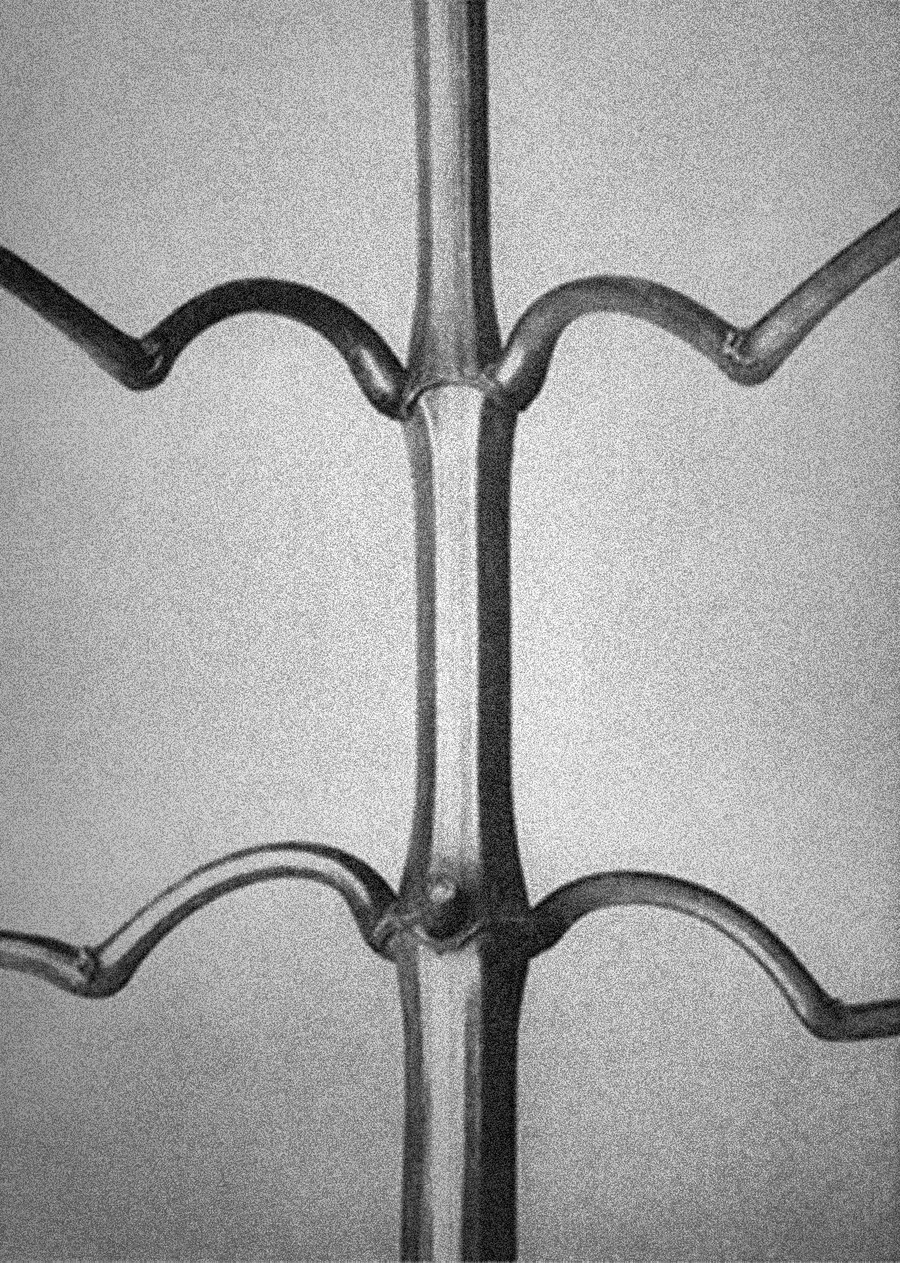
Left: Karl Blossfeldt, Artistic Forms in Nature, Europe, 1928; right: Walker Evans, Cattle Egret, New York, 1955
left https://www.wikiart.org/ru/karl-blossfeldt/art-forms-in-nature-19 right https://artblart.com/tag/1940s-american-photography/
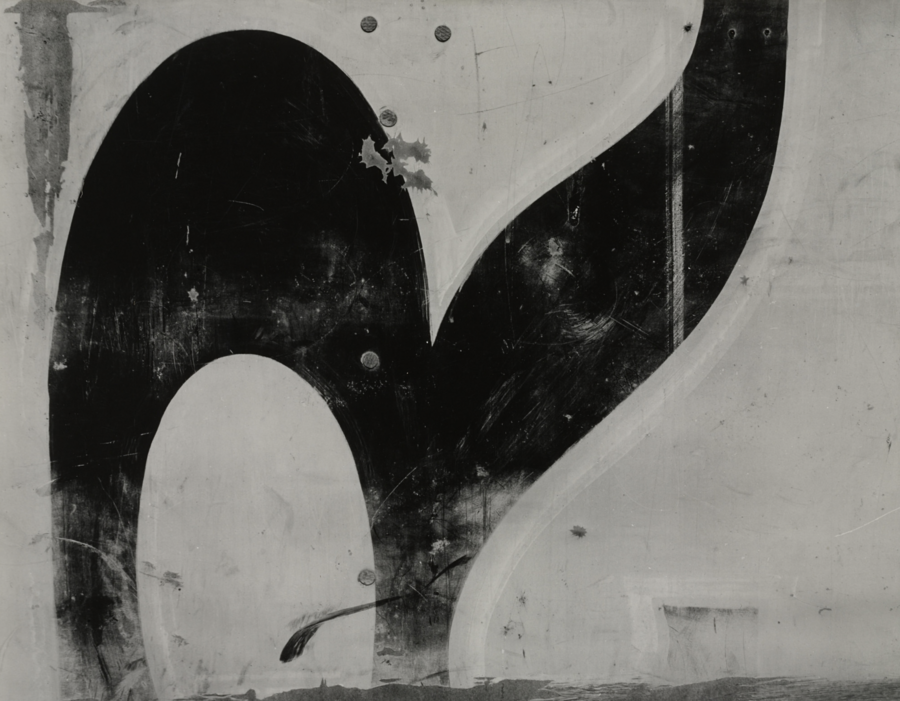
Aaron Siskind, Not in Sight, Chicago, 1949 https://www.moma.org/collection/works/49144
The relevance of this research stems from the oversaturation of the contemporary visual environment, the automation of everyday perception, the possibility of studying aesthetic experience through formal characteristics of imagery, and the accessibility of photography, which allows every individual to explore daily life through a frame.Comparing artworks and visual studies allows us to determine where a found form ends and the author’s organization of the image begins. The research is deliberately confined to the art of the 20th–21st centuries and three categories of visual phenomena: random form, light effect, and the trace of time. It does not assert that every imperfection or accident is aesthetically valuable. On the contrary, the subject of study is the conditions under which a viewer begins to perceive such a detail as an independent composition.
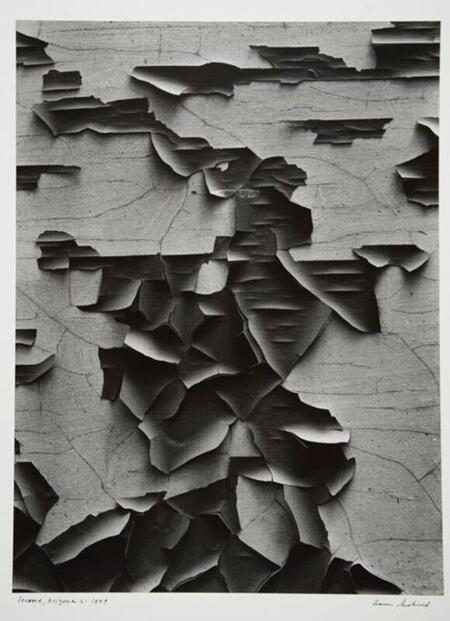
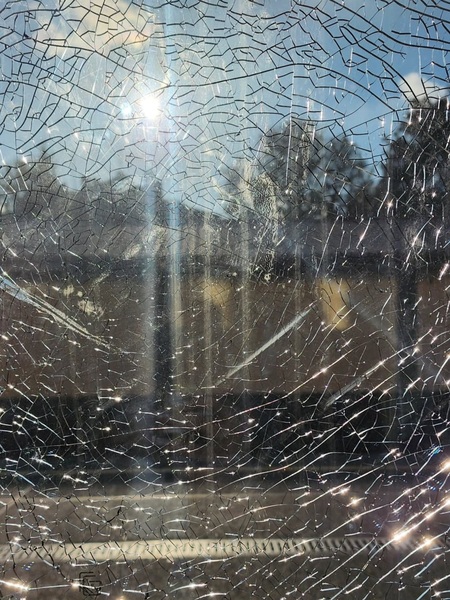
Left: Aaron Siskind. Abstract photographs of walls, mid-twentieth century; right: a photograph of cracks in a train window from a personal archive
Research Hypothesis: Familiar elements of daily life can become subjects of aesthetic contemplation when viewed anew. Altering scale, perspective, lighting, and context allows us to perceive beauty in ordinary things. Furthermore, the traces of use and time do not lose their significance; rather, they become part of the object’s aesthetic expression.
Object: The everyday material environment and its artistic representations in 20th and 21st-century photography and art.
Subject: The visual mechanisms of aestheticizing unnoticed details—compositional emphasis, scaling, the use of light, texture, and the traces of time.
The goal is to determine how a random detail of everyday life becomes an object of aesthetic contemplation, and to demonstrate this process through comparisons of artistic works and visual studies. The task is to define the concept of aesthetic attention, identify the formal characteristics of a random composition, and examine the expressiveness of the marks left by time.
Walker Evans, Urban Detritus, New York, 1968 https://artblart.com/tag/1940s-american-photography/
As a conceptual foundation, we employ Immanuel Kant’s «Critique of Judgment» (1790) [1]. This work examines the concept of disinterested aesthetic pleasure. This concept allows us to explain how an ordinary object can be perceived not based on its practical utility, but because of its visual qualities—form, color, texture, and composition.Maurice Merleau-Ponty, in his work «Phenomenology of Perception» (1945) [2], investigates the peculiarities of human perception and the role of sensory experience in interacting with the surrounding world. His ideas help us understand how changes in viewpoint, distance, and lighting affect what we notice in familiar objects.Viktor Shklovsky, in his article «Art as Device» (1917) [3], introduces the notion of defamiliarization—an artistic technique through which familiar objects begin to be perceived anew.Roland Barthes, in his book Camera Lucida (The Blazing Camera), 1980 [4], discusses the characteristics of photographing perception and introduces the concept of punctum—a detail within an image that unexpectedly captures the viewer’s attention and elicits a personal emotional response.Museum catalogs and digital collections, including Wikimedia Commons, MoMA, and LACMA, are used for the analysis of the artworks.
The Art of Seeing
Photograph from the personal archive of a «Photoglaz» community member
Viewing an everyday object is usually pragmatic. Once we recognize a door, a piece of fabric, or a wall, we stop considering their visual structure. However, a photographic image can suspend that recognition: it constrains the field of vision with a frame and compels us to examine what previously served merely as background. In this sense, the unnoticed is not an inherent property of the object, but a characteristic of our attention.
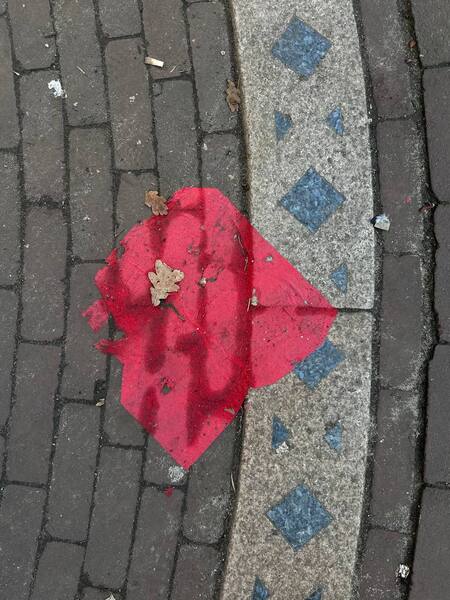
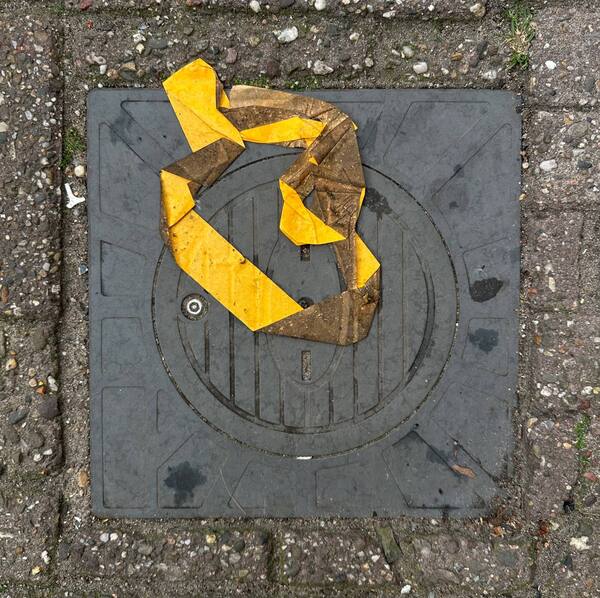
Photographs from the personal archives of the «Fotoglaz» community members
Photograph from the personal archive of a member of the «Photoglaz» community
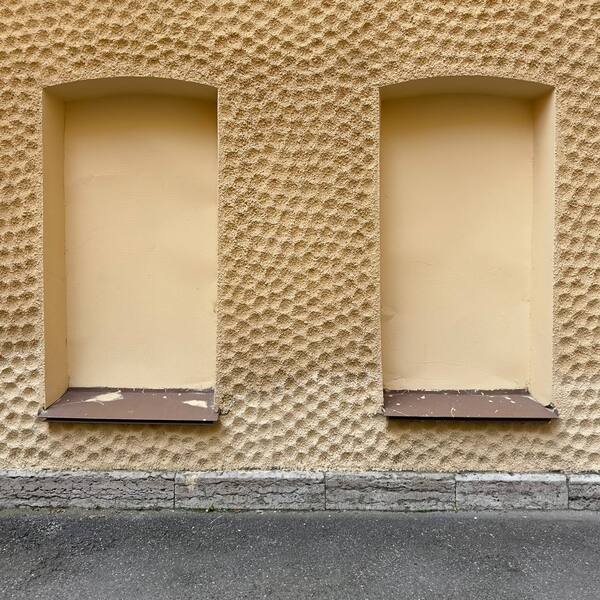
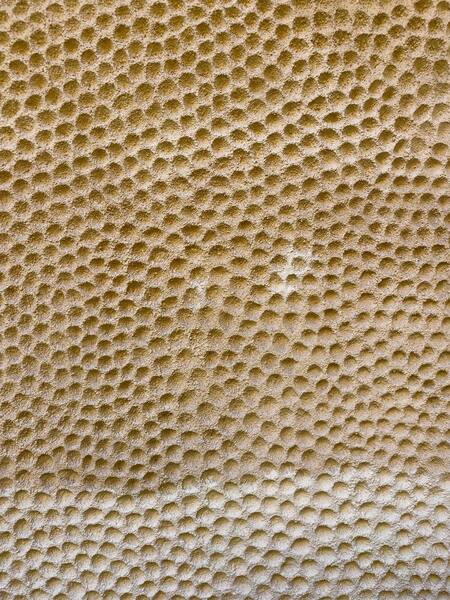
Photos from the personal archive of a «Photoglaz» community member
Kant’s concept of disinterested pleasure is useful here as a methodological distinction: an object can be assessed not by its utility or its conformity to a specific task, but by the way it appears. This does not mean that Kant was describing photographs of everyday surfaces; his theory provides a language for discussing the distance between practical interest and aesthetic judgment. Shklovsky linked art to the disruption of perceptual automatism. The viewer first notices the rhythm, light, and material, and only then identifies the subject. This creates a temporal gap between «seeing» and «knowing.»The object becomes noticeable when the photographic frame ceases to serve its practical function and begins to organize an independent visual event.
Random Form
Photograph from the personal archive of a participant in the «Photoglaz» community
Fabric folds, paper creases, and crack lines emerge from physical processes, not from artistic intention. However, within a frame, they can establish a balance of masses, directed movement, and repetition. The randomness of their origin does not preclude compositional interpretation—the artist chooses the moment, the angle, and the boundaries of the image.
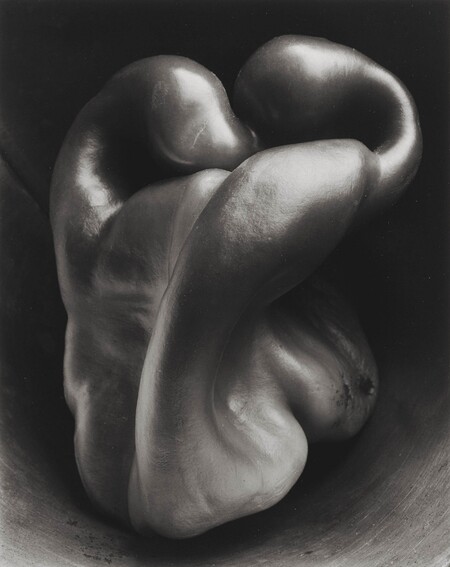

Edward Weston «Pepper No. 30» (1930) https://cameralabs.org/aeon/edvard-ueston/albom
In Edward Weston’s photograph «Pepper No. 30» (1930), the familiar pepper is transformed into a plastic form through close proximity, isolation against a dark background, and precise chiaroscuro modeling. The subject’s recognizability remains, but it ceases to be the sole meaning of the image. The surface curves can almost be viewed as abstract sculpture. This is not a «snapshot”—the effect is achieved through the artist’s deliberate choice and framing.
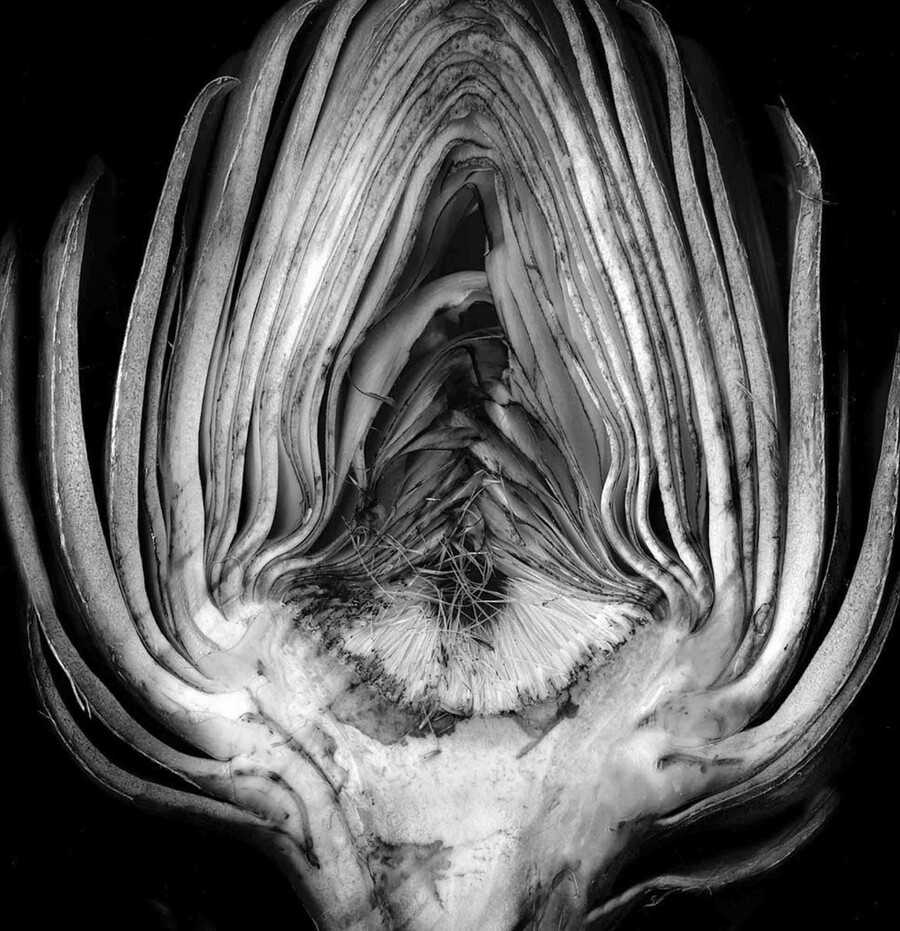
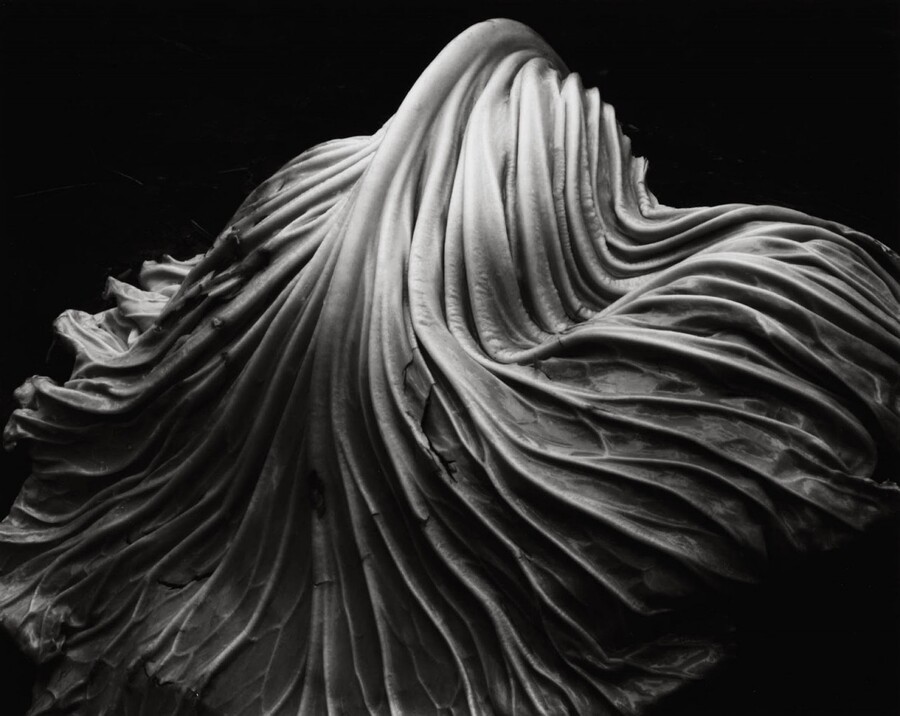
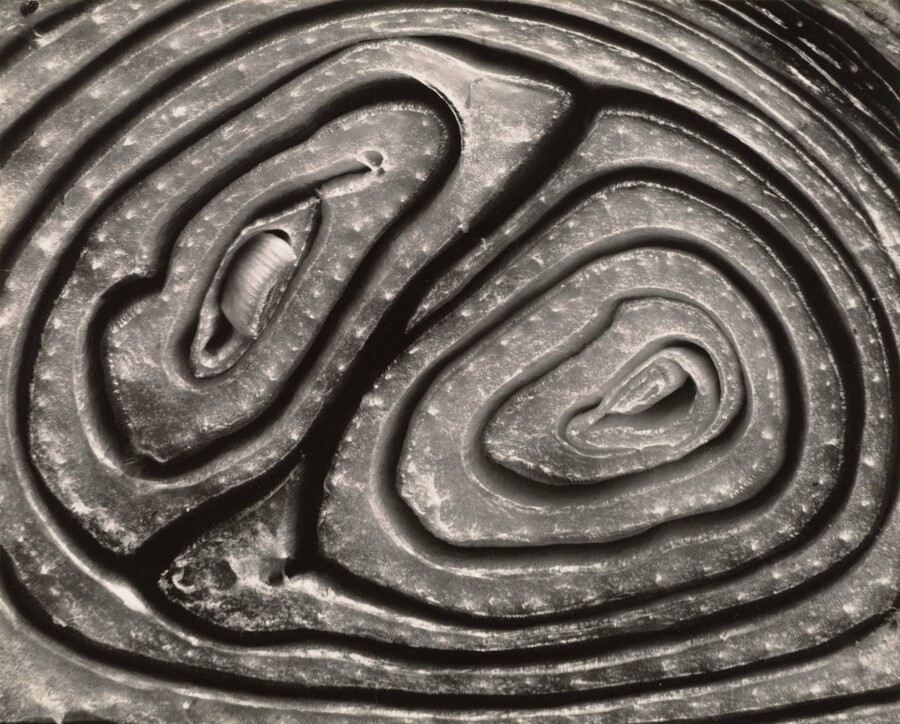
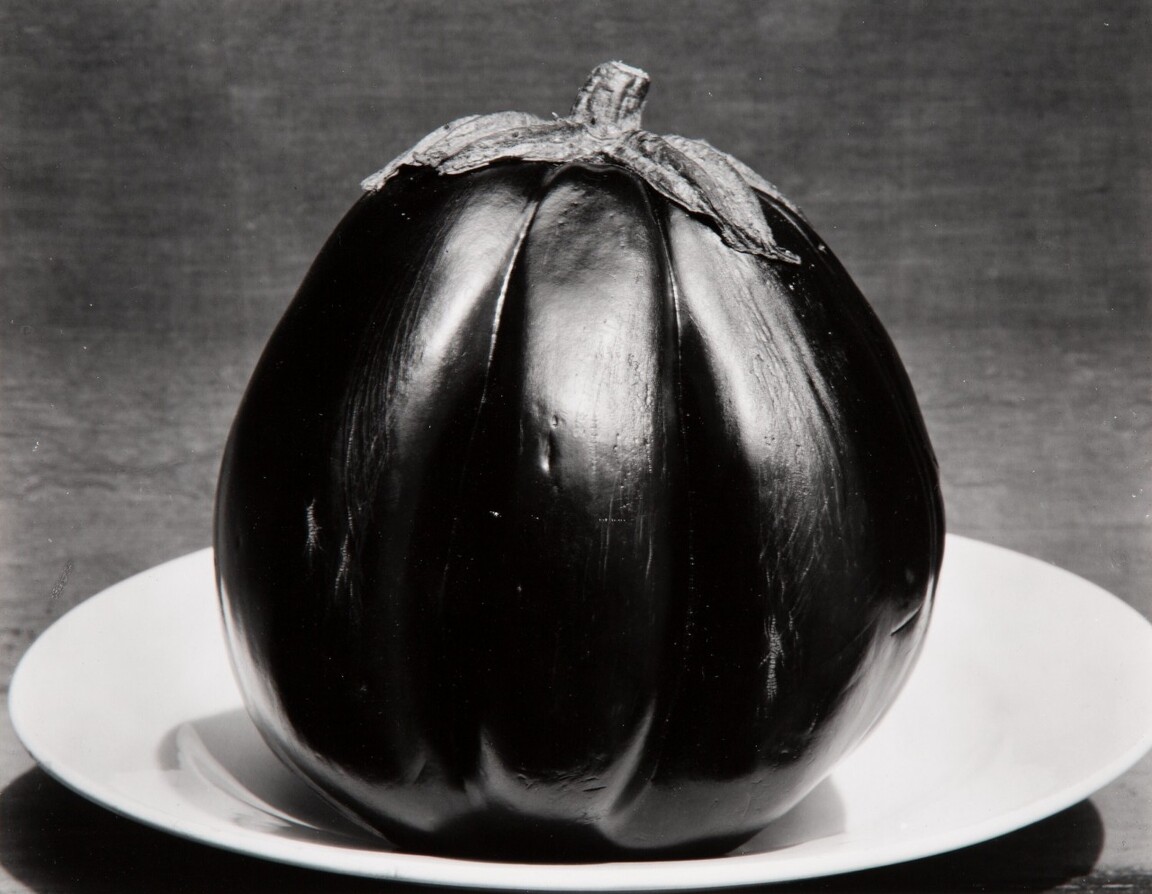
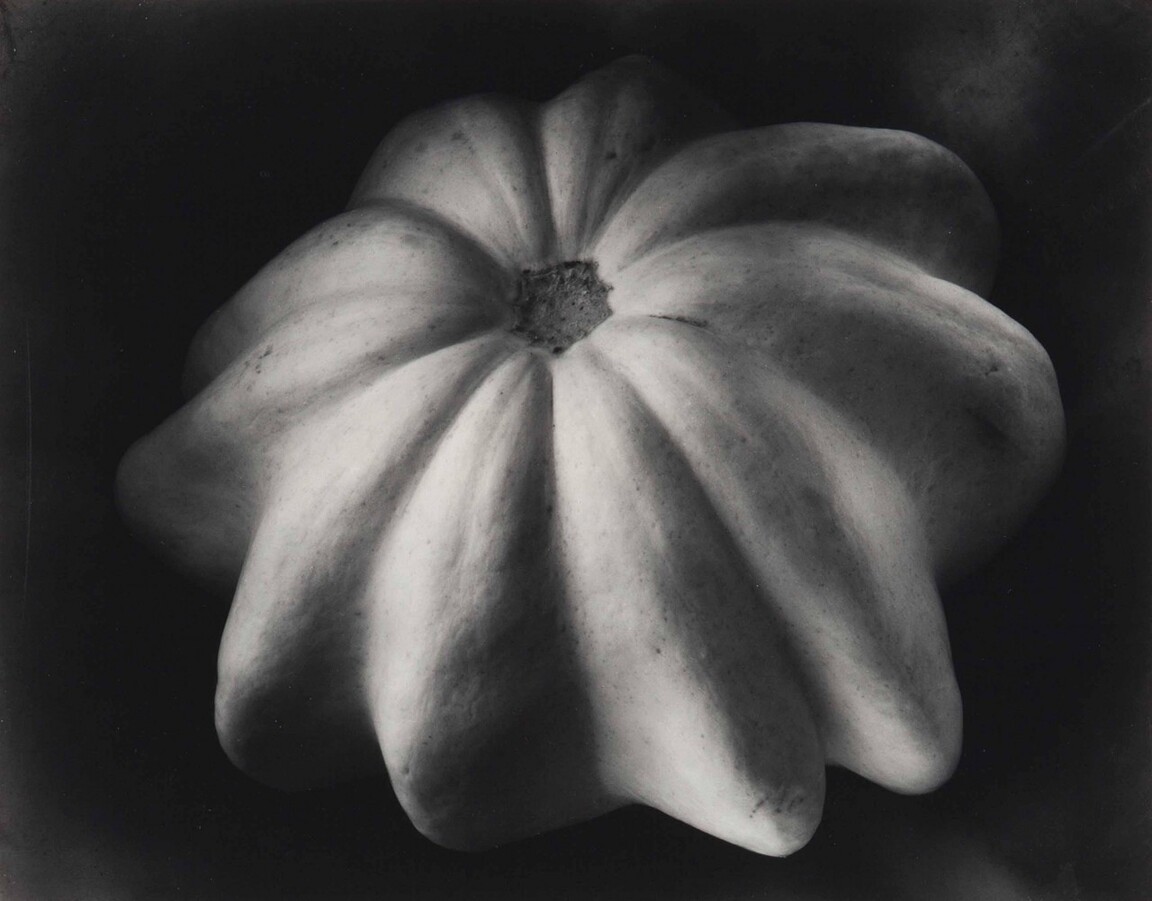
Edward Weston «Cabbage Leaf, ” „Sliced Onion, ” „Eggplant, ” „Winter Squash, ” „Artichoke, ” 1929–1931
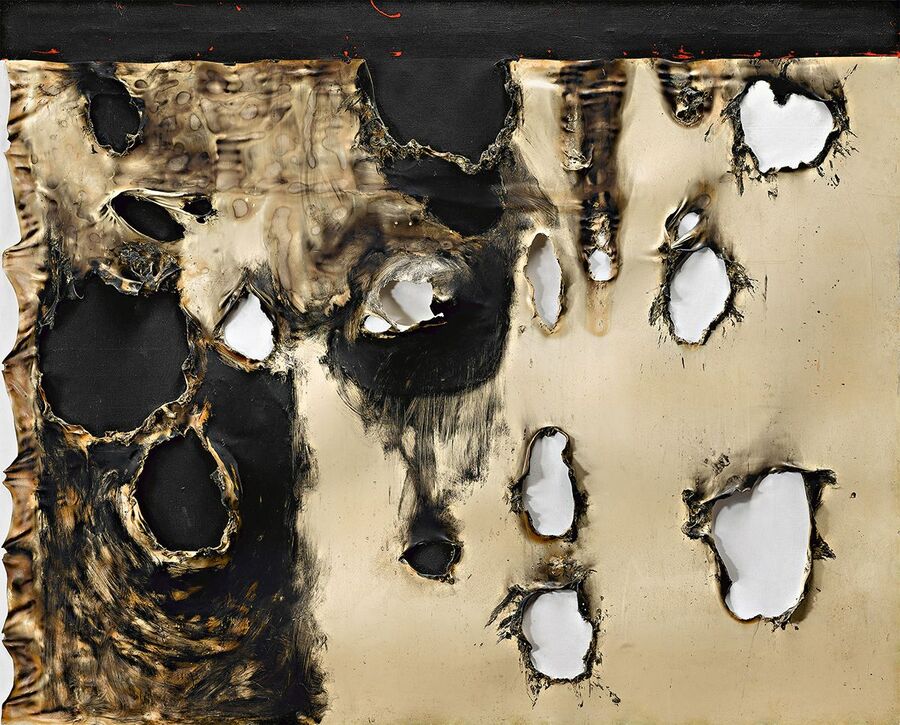
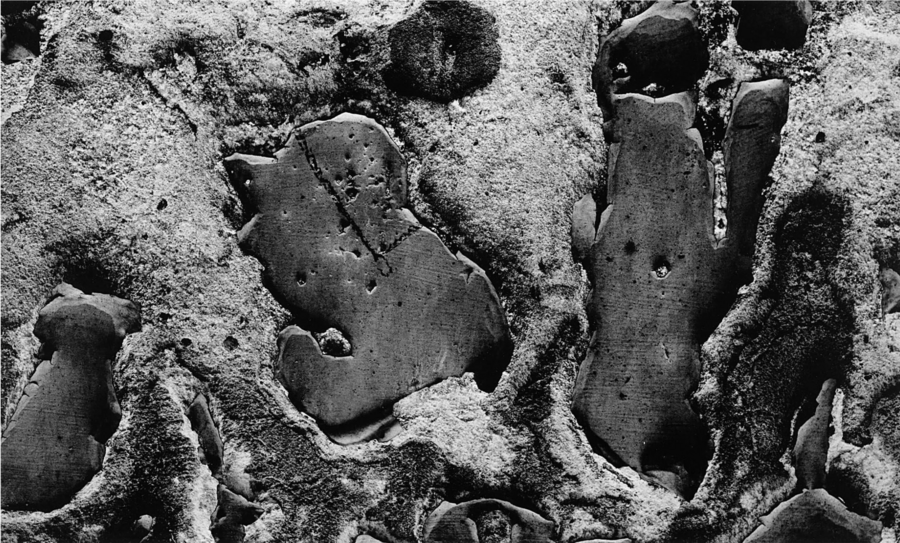
Aaron Siskind, Untitled, 1948; Alberto Burri, «Burning Plastic, ” 1956
In Aaron Siskind’s photograph, «Untitled» (1948), the lines, tears, and spots found on surfaces evoke abstract painting. The fundamental difference is that photography captures a pre-existing material surface, whereas painting creates one from scratch. The artistic act lies in selecting and organizing what has been seen.An accidental form is not the same as an artistic composition, but it can become its material. The act of selection takes on critical importance: where does the image begin and where does it end?
Light, Shadow, and Reflection
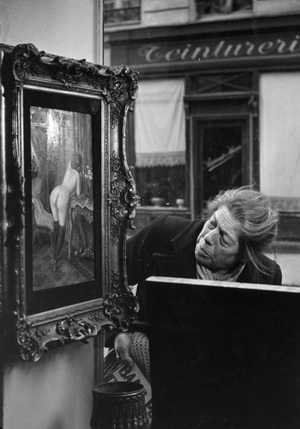
Shadow is a unique case of the imperceptible: it depends on the object but possesses a different geometry, scale, and duration of existence. Shadow has the capacity to disrupt conventional hierarchy when a secondary optical effect becomes the primary object of observation. On a flat wall, a shadow can be perceived as flat graphics, even though its source lies outside the frame.Reflection is structured differently: it merges the observer’s space, the reflective surface, and the world behind it. In the photography of Luigi Ghirri, windows, shop displays, and images within images often make the viewer question where the object ends and its visual representation begins. For such an analysis, the importance lies not merely in the presence of a highlight, but in the multilayered nature of what is visible—one frame connects several spatial planes.A phenomenological approach helps to capture the dependency of visual experience on the body’s position and time. Stepping to the side alters the reflection; the sun’s movement changes the shadow. Therefore, the aesthetic object is not always a stable entity—sometimes it is a transient relationship between light, surface, and observer.Light not only renders an object visible but also creates autonomous images that exist because of a specific viewpoint and moment of observation.