«Explication» is a media outlet about contemporary art for those who attend exhibitions but don’t always understand what they are seeing.
Media Goal
The goal of the «Explication» is to empower the visitor to independently analyze contemporary art. The media explains how material, form, and presentation conditions influence the work’s meaning, giving the viewer a foundation for their own interpretation.
The project centers on a specific scenario: a person has arrived at an exhibition, paused in front of a piece, and doesn’t know what to focus on. A lengthy artist biography or the history of the movement might be useful later. At that moment, however, what is needed is a brief text that connects a visible detail to the work’s idea and encourages continued viewing.
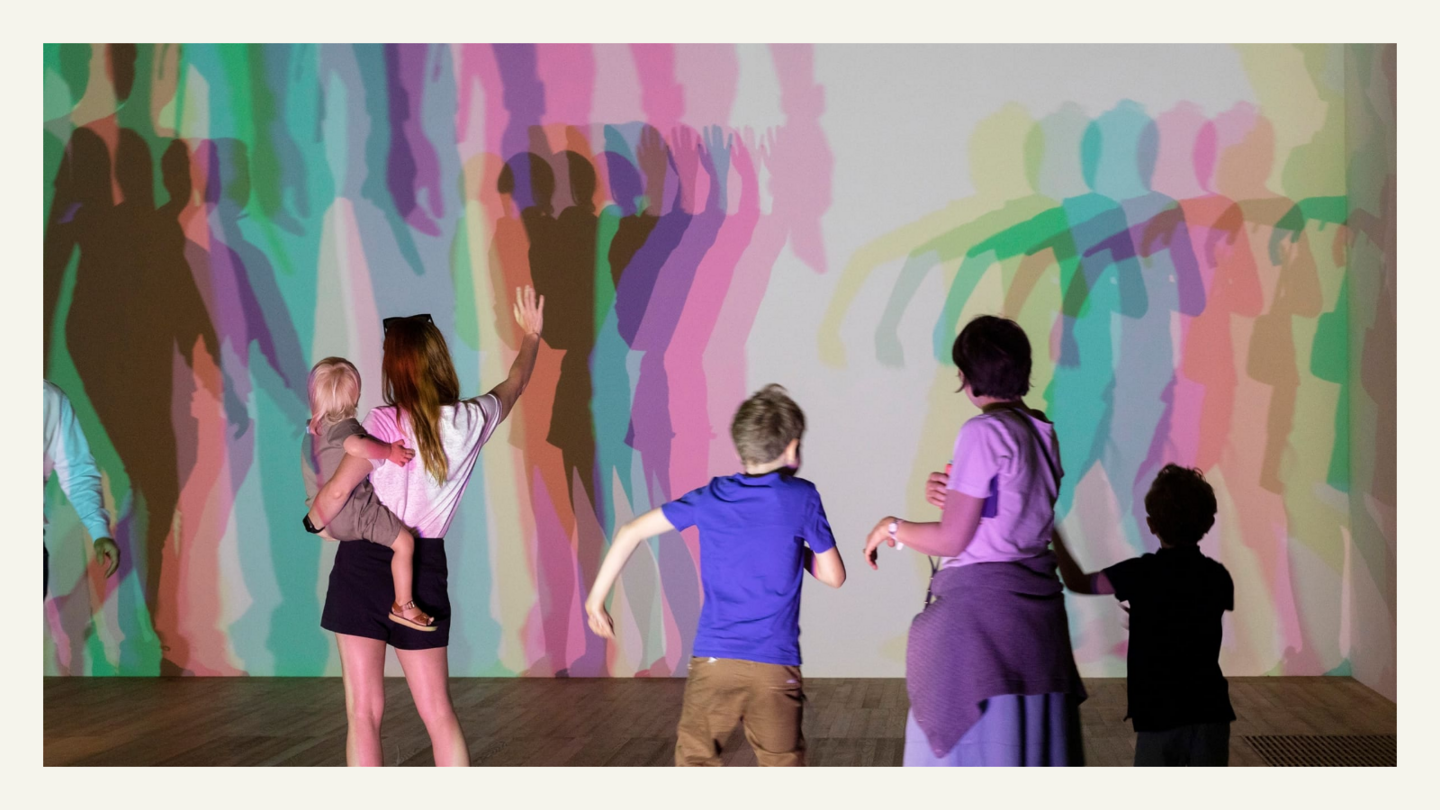
The publication begins with an observation accessible to every visitor—an object has altered its conventional scale, an image is repeated, a sound emanates from an adjacent space, or a person’s presence changes the installation. The editorial section then explains the artistic decisions behind this feature and what context helps to interpret it. The reader gains a mode of reasoning that can be applied to other works.
The project’s outcome is revealed in the viewer’s actions. After reading, they can identify a detail that altered their perception of the work and explain why it seems significant. The individual impression is grounded in observation and a testable context.During the pilot phase, this outcome can be assessed through a brief conversation after viewing. Readers will be asked to select one piece and articulate their interpretation, specifying the concrete element they are based on. Subscriptions, saves, and shares will indicate the material’s demand, and such explanations will help evaluate whether the media is fulfilling its substantive purpose.
Themes
The project segment is cultural and educational media focused on contemporary art. The narrow focus is on the structure and potential meanings of the works a viewer encounters at an exhibition.
Initially, «Explication» partners with Moscow exhibitions and targets Russian-speaking visitors. This focus allows the editorial team to link issues to accessible exhibitions and verify showing conditions. The geography describes the first phase of the project, not the project’s permanent scope.
Priority is given to installations, video art, performance, and digital works. These demand attention to duration, sound, movement, and viewer participation. Painting, photography, and sculpture can also be topics if the question relates to the structure of a specific work and its exhibition context.
The primary format involves dissecting a single piece of work. In this format, the reader receives a point of reference for viewing, an explanation of the chosen technique, and a question to check their own impression. For a short installment, the intended length is approximately 900–1,300 characters. If a piece requires more context, the editorial team prepares a separate continuation, ensuring the first text remains self-contained.
The second format is a guided tour through three works from a single exhibition. These works are united by a common theme or artistic technique. The tour helps distribute the viewer’s attention, provides an estimated viewing time, and suggests where to pause for closer inspection.
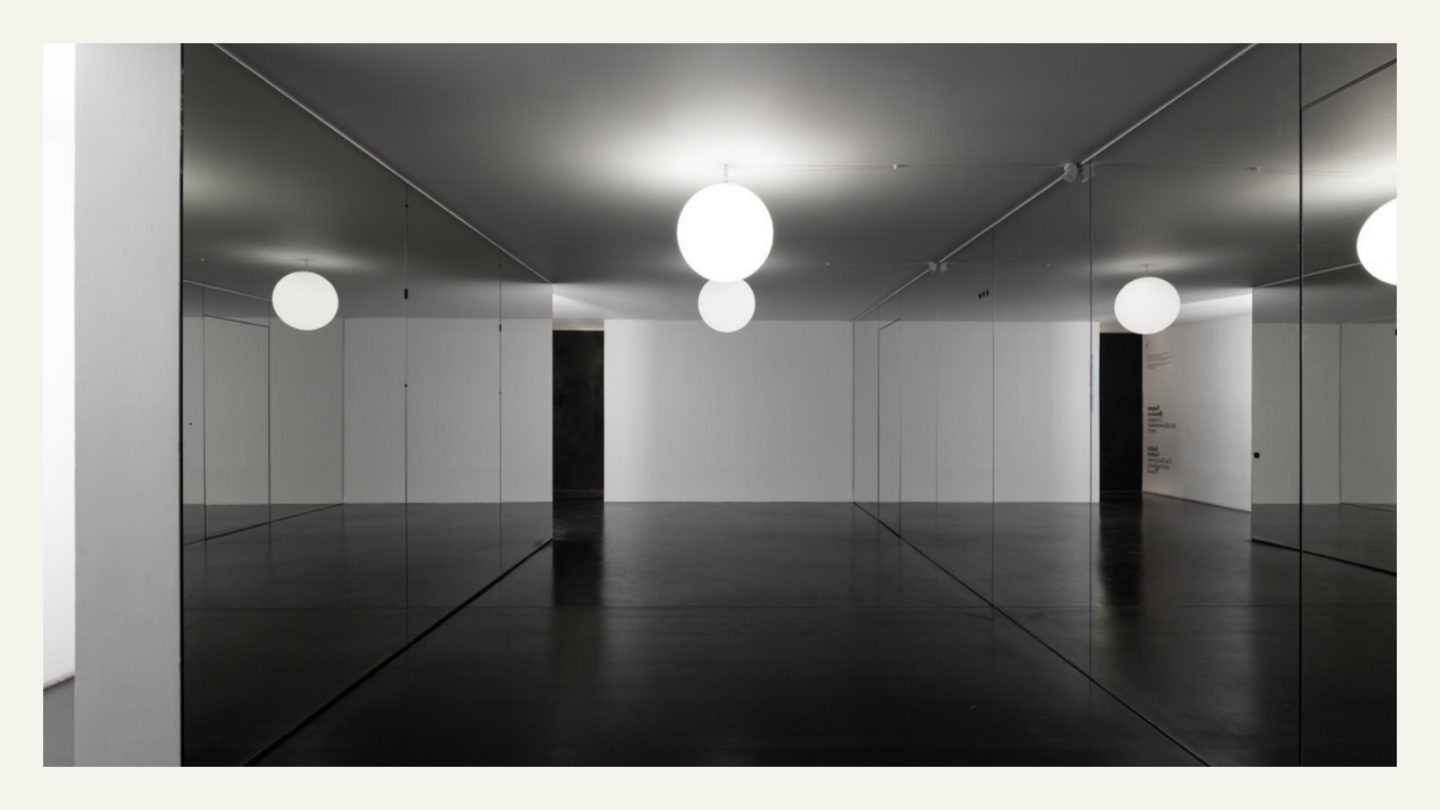
The third format is a juxtaposition of two works. The editorial team demonstrates how a single technique can yield different results: reflection, for instance, might create a sense of infinite space or compel the viewer to see themselves as part of the artwork. This type of installment helps readers notice distinctions and apply their observations to new contexts.
Sources accompany every piece of content. Facts about the exhibition, the artist’s statements, and the curator’s description are separated from the editorial interpretation. Supplemental reading is placed after the main explanation so that the material retains utility while in the gallery.
«Explication» addresses the reader calmly and objectively. A lack of context is considered a natural starting point for the discussion. The text requires no prior preparation: specialized terminology is introduced only when it helps to more precisely describe what is seen, and it is briefly explained.
The editorial approach outlines the line of reasoning and allows for multiple readings. The phrasing «this detail can be interpreted as…» denotes an interpretation. The phrase «the artist explains…» is accompanied by a reference to the original source. This distinction allows the reader to understand the basis upon which a conclusion is drawn.
The discussion is centered on the artwork. For example, after an analysis, one might ask: «Which part of the work shifted for you when you moved closer?» This question connects the impression with the observation, helping to continue the conversation without needing to verify a correct answer.
Competitors and Analysis
Direct competitors help frame art through editorial content. Indirect competitors vie for the same audience attention by offering education or cultural programming. Potential competitors possess collections, expertise, and visitor access, which allows them to augment the regular digital promotion of exhibitions.
Platforms. Where does the reader access the material: on the website, in a social media feed, an application, a print publication, or directly in the museum? For «Explication, ” the availability of a complete explanation on a mobile device during viewing is crucial.Adaptation. How does the material change when moving between channels? We compare the full text, a short introduction, a selection of images, and videos. We also note whether the publication offers independent value or primarily directs the reader to another platform.Visual Style. How do images help convey the artwork? We assess the exhibition photography, the scale of the work, details, the sequence of shots, and text readability. For an installation, maintaining a sense of space and the viewer’s position is especially important.Tone of Voice. What knowledge base does the author address for the reader, and how are unfamiliar concepts explained? We look at professional, educational, journalistic, and institutional approaches to address the audience, as well as the level of openness to various interpretations.Tools and Formats. What resources does the project utilize: articles, photo albums, videos, podcasts, audio guides, quizzes, chats, hashtags, or registration links? Their function within a specific reader scenario is evaluated.
Direct Competitors
Direct competitors include the magazines Synchro, Artguide, and Iskusstvo. Their explanatory and research-based content helps the reader gain context for the work. With «Explication, ” they intersect in the need to understand what is seen and to formulate one’s own perspective.
Synchro MagazineWhy it is included. The magazine’s materials make art accessible to readers without specialized training. The article on visual literacy addresses situations where a person doesn’t understand a piece of work, suggesting they engage more deeply with their visual experience. This relates closely to the original «Explication» prompt.Platforms and adaptation. The magazine exists on the «Synchronization» website. The brand’s ecosystem also features Telegram, VKontakte, YouTube, and podcasts.Visuals and tone of voice. In the studied article, images are integrated into the argumentation, and the text is divided into short, thematic sections. The author addresses the reader directly, explains terminology, and accounts for their potential uncertainty. The presentation is geared toward self-directed learning.Significance for the project. It offers a useful way to begin a conversation with a question comprehensible to the viewer. «Explication» clarifies the use case: it connects the explanation to work displayed at a specific exhibition and places a short, finished text in the main channel.
«ArtGuide»
Why it is included. The publication connects artworks with the current art scene: it shares news, interviews, critical essays, and an exhibition calendar. The reader can simultaneously choose an event and receive professional context for it.Platforms and adaptation. The website and Telegram channel are presented, and the project also has a print publication and a mailing list.Visuals and tone of voice. Images of artworks, photographs of exhibitions, and videos take up a significant amount of space. The authorial texts are grounded in professional context, while Telegram frames a specific reason to read. This structure appeals to an audience that follows exhibitions and is ready to engage with longer-form content.Value for the project. The connection of the issue to an exhibition theme and the use of exhibition photography can be borrowed. For «Explication, ” the priority will be explaining how a visitor will engage with the work itself.
The «Art» Journal
What it covers. Thematic issues, interviews, and research examine works through the author’s perspective and cultural context. The publication competes for the reader’s time—the reader who seeks to understand the foundations of artistic expression.Platforms and Adaptation. The content is presented across a website, a print journal, Telegram, and a dedicated research section featuring podcasts. Telegram offers a condensed version of a more in-depth study.Visuals and Tone of Voice. Covers, reproductions, and exhibition photography reinforce the subject matter of the pieces. The tone is scholarly. Interviews preserve the interviewee’s voice, offering insight into how an artist explains their own practice.Value to the Project. «Explication» can draw attention to primary sources and ensure precision in the author’s phrasing. In a brief analysis, a quote should illuminate a specific feature of the work, while more complex argumentation can be developed in supplementary reading.
Indirect Competitors
Primary indirect competitors include Arzamas, Level One, and The Art Newspaper Russia. They facilitate learning, introduce cultural topics, and provide updates on current events. These functions overlap with the interests and time of exhibition visitors, although the mode of engagement with art differs from a short analysis within a gallery space.
Arzamas
Why it is featured. The project offers cultural education through texts, courses, podcasts, games, and videos. Art is included within a broader range of humanities topics. For the reader, this is a familiar way to expand context and uncover new connections.Platforms and Adaptation. The offerings include the website, the «Arzamas Radio» app, Telegram, VKontakte, and email newsletters. The audio materials in the app create a distinct consumption scenario: a topic can be listened to while walking or during other activities.Visuals and Tone of Voice. Reproductions and archival images help unfold the historical narrative. The educational presentation uses specific details and cultural links to maintain engagement with a complex subject.Significance for the Project. The drama of a small discovery is valuable: one noticed detail leads to a broader question. «Explication» preserves this possibility but makes the work presented to the reader the central focus.
Level One
Why It’s Included. This 20th Century Art course offers systematic learning with a structured sequence of topics and lecturer participation. A visitor to exhibitions can choose this approach if they wish to fill knowledge gaps and navigate the world of art with greater confidence.Platforms and Adaptation. We utilize a website, a dedicated classroom, Telegram, VKontakte, newsletters, and course chats. The social material introduces the topic, while the formal learning continues in a separate environment.Visuals and Tone of Voice. Curated selections and comparisons of works help viewers discern differences between artistic techniques. The motivating educational delivery is combined with an invitation to enroll in the course.Relevance to the Project. The comparison of works could become a regular segment, «Explications.» Questions arising after a lecture provide a basis for testing additional needs: does a brief explanation help apply the knowledge gained when independently visiting an exhibition?
The Art Newspaper Russia
Why it is included. The publication helps track the art scene and select events worth attending. A visitor can stop at a news item or announcement without delving into the detailed examination of a single work.Platforms and adaptation. The site, print magazine, Telegram, and newsletter are represented. The social feed retains the informational hook, while details are posted on the website.Visuals and tone of voice. Photographs of works and events are combined with newspaper layouts and illustrated announcements. The journalistic presentation explains the relevance of the event and its place in the art world.Value to the project. A clear informational hook and practical details about the event are useful. The «explication» complements the exhibition selection with a tool for careful viewing of its works.
Potential Competitors
Key potential competitors include Garage Museum, ГЭС-2 / V–A–C, and MMOMA. Their educational programs already overlap with the project’s objective. The potential here lies in strengthening regular media that accompanies the visitor before and after the exhibition and extends beyond a single program. Since GЭС-2 / V–A–C already has the Sreda magazine, the focus is on further developing an existing media system.
Garage Museum
Why It Is Included. The Museum possesses a collection, curatorial expertise, and direct contact with visitors. Project pages and audio guides already help audiences understand the works within the exhibition space.Platforms and Adaptation. The site, museum space, Telegram, publishing, and educational programs are represented. The project page provides context, the audio guide accompanies the viewing, and a short video on Telegram invites attendees to an event. These formats serve different stages of the visit.Visuals and Tone of Voice. The documentation of the works preserves their scale and environment. Project descriptions are precise and research-detailed, while event invitations employ a more concise delivery.Competition Enhancement Strategy. A regular series of short explanations about the collection can become a familiar museum service for the visitor. The capability for «Explication» lies in the independent selection of works across different platforms and comparing them against one another.
GES-2 / V–A–C
Why It’s Included. Mediation at GES-2 is built around the viewer’s experience and discussion of the artwork. The Sreda journal already publishes independent texts and audio materials. This offers a cohesive content model that unites the in-person visit with subsequent reading.Platforms and Adaptation. The GES-2 website, the cultural space, Telegram, VKontakte, YouTube, and Sreda are featured. Since conversation in the hall, independent podcasting, and program announcements suggest different modes of participation, adaptation is tied to the specific communication script.Visuals and Tone of Voice. Photographs of the space and participants demonstrate how art engages with the viewer. The mediation description invites dialogue and encourages reference to the individual’s personal experience.Scenario for Increasing Competitiveness. The institution could more closely link its media library to the works currently on exhibition. For «explications,» the open-ended question principle is beneficial, but the institution’s own position should be built upon a unified framework for accompanying exhibitions across different institutions.
MMOMA
Why it’s included. The collection, exhibition spaces, and lecture hall allow the museum to connect the encounter with a work of art and education. These resources can sustain a regular digital dialogue with the visitor.Platforms and Adaptation. The website, museum spaces, Telegram, VKontakte, YouTube, and mailing lists are featured. The lecture hall continues the theme through expert discussions.Visuals and Tone of Voice. Images of artworks, photographs of exhibitions, posters, and albums are used. Announcements articulate the theme, name the speaker, and outline participation conditions. Program descriptions appeal to the visitor’s educational interest.Strategy for Competitive Enhancement. Short segments related to the collection and the lecture hall can become independent media. «Explication» offers a more flexible approach: the reader receives an analysis at the moment of self-viewing, without being tied to a fixed schedule.
Competitive Analysis Findings