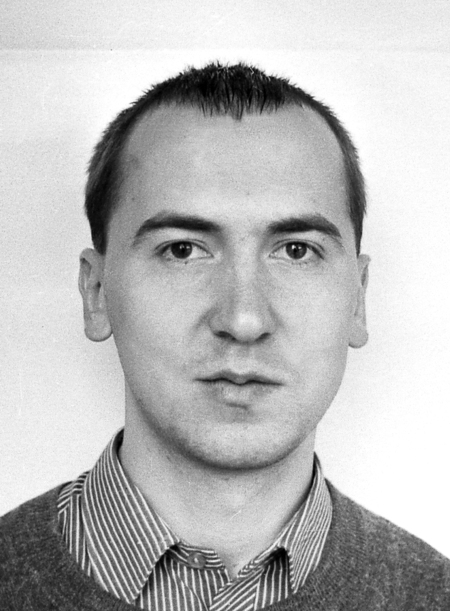
Full Title: «What Came Before Blue Noses: 25 Artifacts from the Archive of Artist Shaburov.»Shaburov was once invited to create an exhibition in Yekaterinburg about his work during the 1990s.It turned out that the faculty’s portfolio is an extremely useful tool for designing exhibitions. One simply needs to gather the scattered notes—which are not in order here—and arrange them according to the artist’s logic of contemplating his life path.What he did.
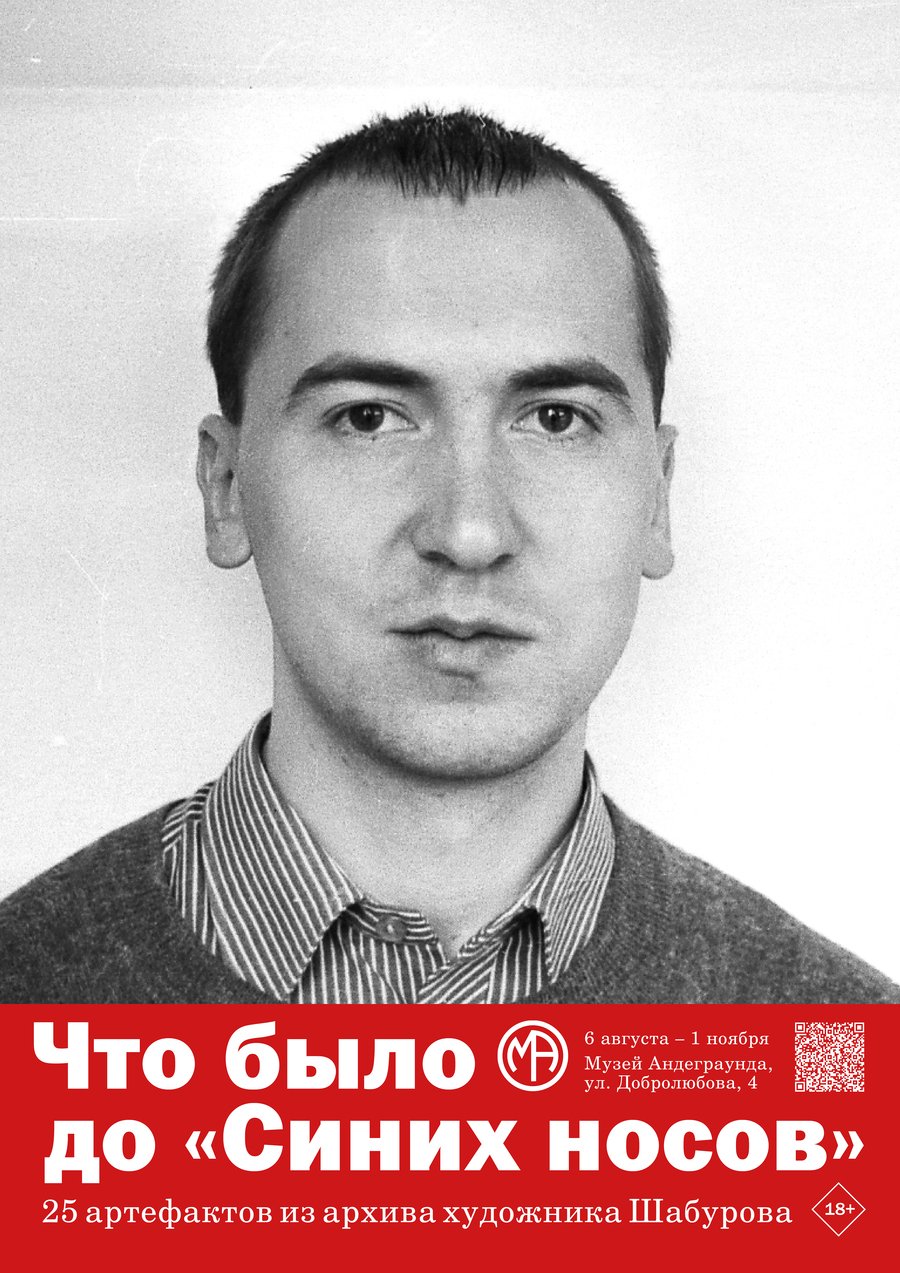
Poster
Notice
Our exhibition does not showcase masterpieces. Art is the visualization of meaning. The artist is the person who visualizes these meanings—someone who recognizes their own life and the surrounding reality. They design the appropriate context, predecessors, collaborators, and successors. Sometimes, all that remains of the projects themselves are incomprehensible papers. That is why the texts are more important to us than the images.
Alexander Shaburov
Alexander Shaburov in 1985
Artist, writer, director, and exhibition curator.Born in Beryozovsky, Sverdlovsk Oblast. Initially, he documented the life of the «little man, ” turning procedures like dental care and even his own funeral into artistic projects. Later, he moved to Moscow, where, along with Vyacheslav Mizin, he formed the group „Blue Noses, ” which literally portrayed media clichés and societal stereotypes.He has participated in the Moscow, Ural, Venice, and other contemporary art biennials. His works are held in the State Tretyakov Gallery, the State Russian Museum, the Museum of Modern Art in Moscow, the Centre Pompidou, the Ludwig Museum, MACK, Kiasma, and others.He is a laureate of the Grand Prix of the MFA MMCF, and the „Soratnik“ and „Black Square“ awards. He has worked with SGOIKM, SOBSME, the „Strategy“ Foundation, FEPA, and the Analytical Directorate of „ORT-Channel One.“ He has taught at the Higher School of Economics and the A. Rodchenko Moscow School of Multimedia Arts.He is the Chairman of the UHO (Ural Kholsian Society). He is the author of the bronze monument to the Invisible Man.
«Inventory of Objects Surrounding Me, ” 1989
Alexander Shaburov. From the series «List of Objects Surrounding Me, Compiled March 10, 1989, ” 1989
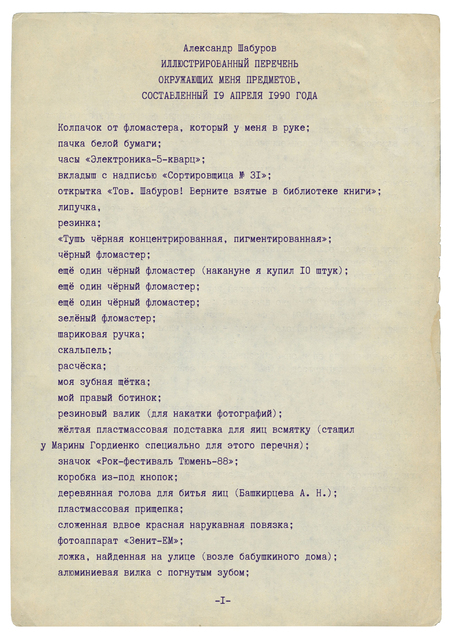
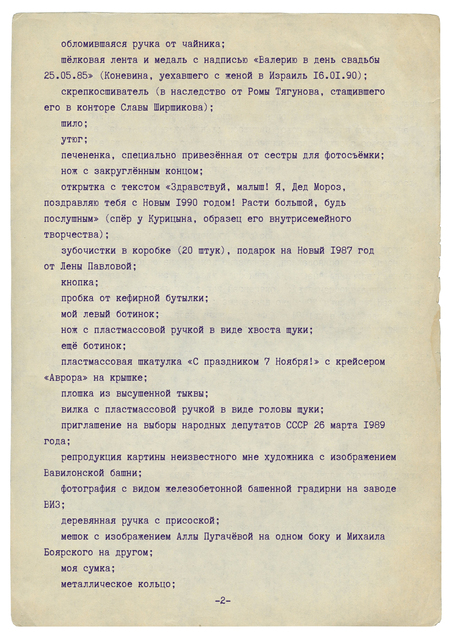
Alexander Shaburov. Pages from «Illustrated Inventory of Surrounding Objects, Compiled April 19, 1990, ” 1990
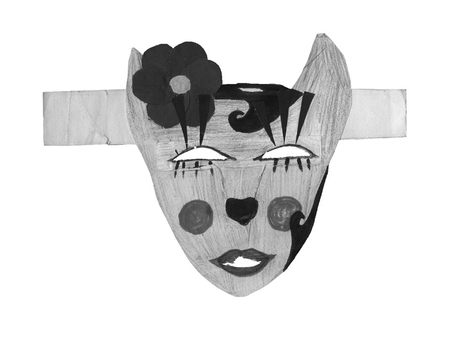
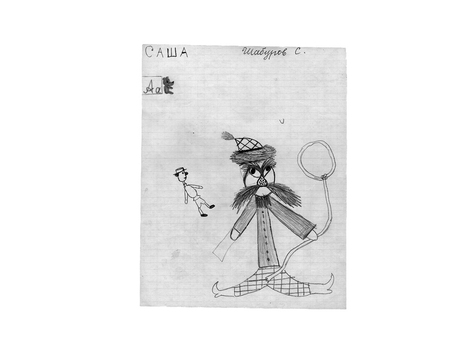
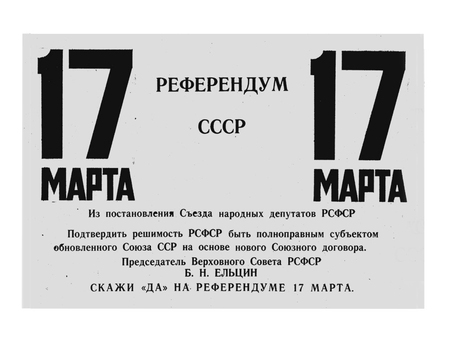
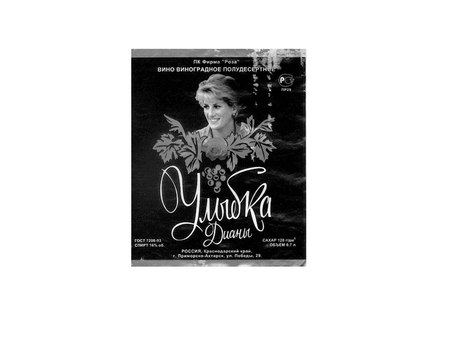
Alexander Shaburov. From the series «List of Papers Surrounding Me, Compiled April 1, 1998.» 1998
When Shaburov attended the children’s art school, he was instilled with the idea that an artist must create something unique, something no one before them has done. He was also told he must become a «great artist,» like Michelangelo and Leonardo da Vinci. Michelangelo, it was said, once remarked: he who follows others can never be first!
But how can one become a «great artist» when living far from global capitals, thus being doomed to second place—forced to repeat fashionable trends invented somewhere in the West? How does one resolve this irresolvable logical puzzle?
Artist Shaburov decided: the only unique thing he had was the life of the «little person,» struggling in the provinces—a life described by Russian literature. It is within this literature that he should observe, comprehend, and document. It is there he must find not only inspiration but also form.
Afterward, Shaburov began to document his singular way of life in the form of lists and photo series. On the surface, it seemed like a lifeless registry, but in reality, it was an archeological excavation of an era. Behind every slipper or fragment lay the events of Shaburov’s own life, his relatives', and his country.
Photo series «My Daily Journey from Home to the Bus Stop, ” 1988
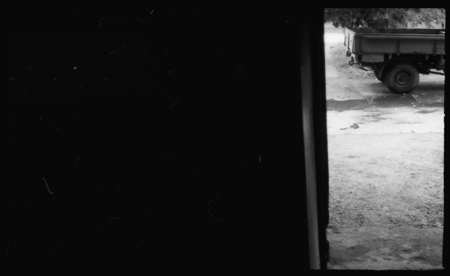
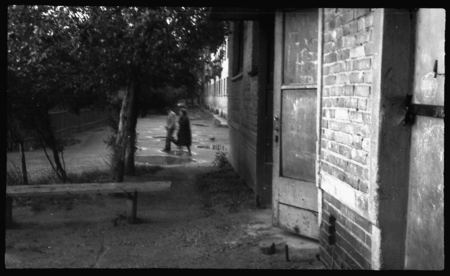
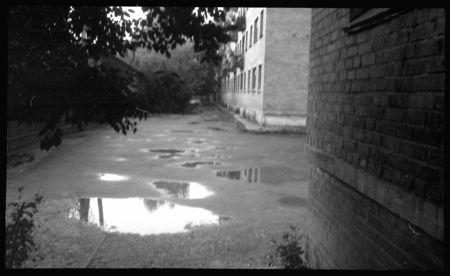
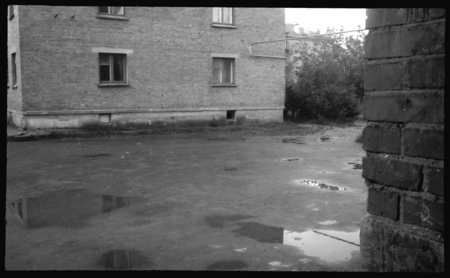
Alexander Shaburov. From the series «My daily commute from home to the bus stop. August 14, 1988. Photo every 15 steps, ” 1988
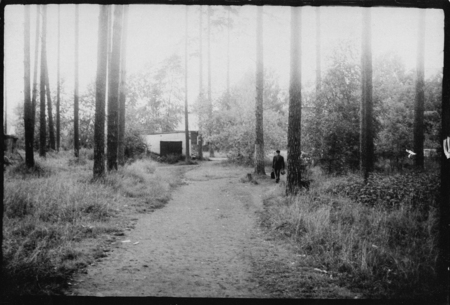
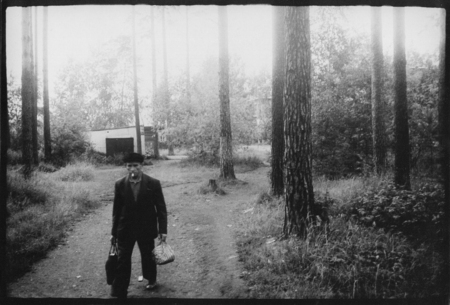
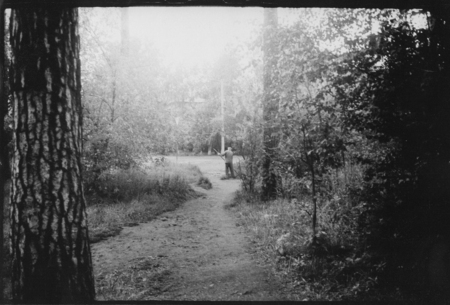
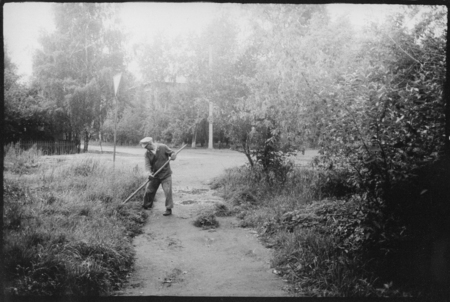
Alexander Shaburov. From the series «My daily journey from the bus stop to home. August 15, 1988. Photos every 15 steps.» 1988
A very enclosed piece.Artist Shaburov reflected that since art is not some borrowed nonsense copied from foreign magazines, but rather an attempt to understand and feel one’s own life, this is a capture of the most inconspicuous and ineffectual action from it.For many years, he lived in the city of Berezovsky in the Sverdlovsk region, from where he traveled to the regional center every morning and evening. Now, he simply walked his usual daily route and photographed what he saw every 15 steps.As funny as it sounds, Shaburov did not realize this endeavor on the first try. Several times he backed out due to shyness, afraid that passersby would mistake him for a lunatic.
Manifesto «In Defense of Soviet History and Culture Monuments, ” 1990
Alexander Shaburov. The Ordzhonikidze Statue is Not to Blame: In Defense of Monuments of Soviet History and Culture. Clipping from the newspaper «CLIP.» 1990
The artist is a protest entity. Often, they are guided not by reason but by intuition, a sense of justice, or contradiction.
During the «Perestroika» era, all state media suddenly began denouncing the Soviet period. They asserted that we would now live according to the formulas of the «civilized Western world, ” which required demolishing our „criminal past”—the so-called „legacy of totalitarianism.“
Some unstable citizens took this literally. In Yekaterinburg, there existed a secret sect that would, at night, stencil „historical names“ onto streets and smash memorial plaques and monuments from the Soviet era.
Therefore, Shaburov, out of a sense of protest, composed a text about something no one had even considered at the time: that the Soviet period is an inalienable part of our lives, a sentiment that his friend Kuritsyn published in the first private newspaper.
The manifesto concluded with lines that appear naive today:
„Comrades! It is easy to love foreign cultures or fleeting celebrities. Try to make peace with your own history and fate!
We live in a unique country, and while lamenting the destruction wrought by past barbarians, we must not emulate them ourselves! If we must, then, view monuments to past ideological idols—to be neither good nor bad, but such as cannot be replayed for a rhetorical reestablishment of temporal connection.
Therefore, let the monuments to the „great Lenin“ and his comrades shine on our streets—as an absurd warning so that some other party (say, the „greens“) does not accidentally seize a monopoly on power, wishing to rule our thoughts and actions without restraint.
The wholesale extermination of Soviet monuments across the USSR can be likened to the demolition of all minarets in the Middle East or the uprooting of coconut palms in Africa.»
UKHO (Ural Hills Society), 1990
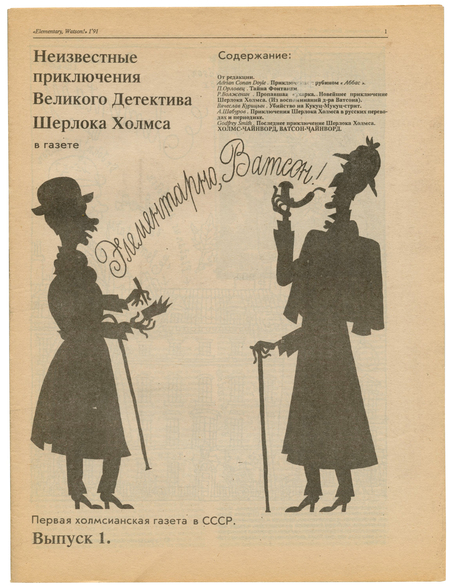
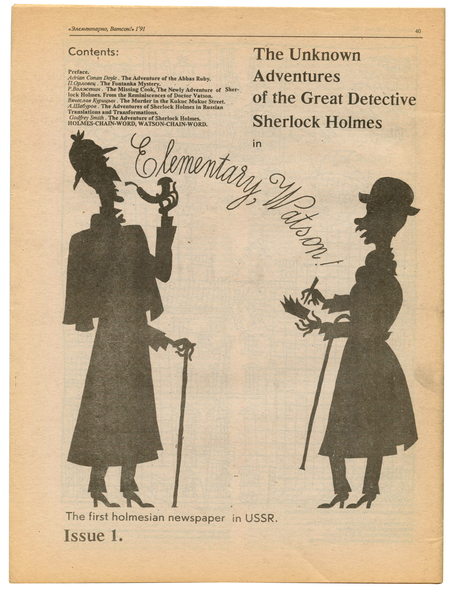
Elementary, Watson! The first Holmsian newspaper in the USSR. 1991
Alexander Shaburov. Sketches for the monument to Sherlock Holmes and Dr. Watson. Plasticine. 1990
The first fan community in the USSR was organized by the artist Shaburov and his friend, the journalist Kuritsyn. Although, of course, Shaburov disliked calling themselves «fans» and their writings «fanfiction.» He was a «fan» of common sense and clear thinking.For the sake of fairness, it must also be acknowledged that there were other reader associations in the USSR, such as those for science fiction enthusiasts. In Sverdlovsk, they gathered annually for the «Aelita» festival.UKHO published a two-volume anthology of sequels and parodies about the little-known exploits of Sherlock Holmes. It established the annual Watson Literary Award for its translators. It published the first (and last) Holmesian newspaper in the USSR, «Elementary, Watson!» Furthermore, it advocated for the installation of a monument to Sherlock Holmes in Sverdlovsk.
«Book of Books, ” 1990–1992