A city-wide festival dedicated to the Kolomna district of St. Petersburg. It introduces visitors to the history, culture, and local communities of the district through a network of exhibitions, tours, concerts, workshops, and city routes. Participants in the festival include museums, galleries, cafes, cultural venues, and independent initiatives from Kolomna.
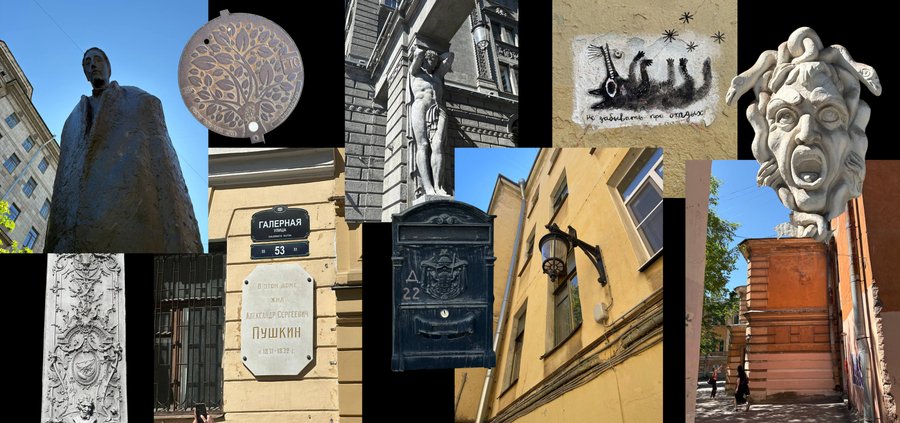
Area Study
Fontanka 145 is not merely a historical landmark—it is a source of cultural excitement.
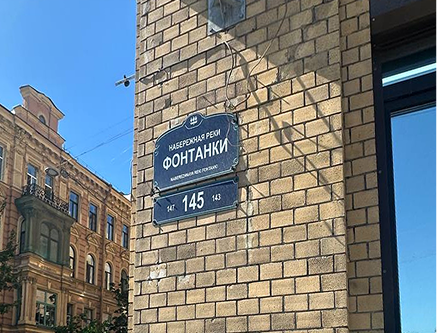
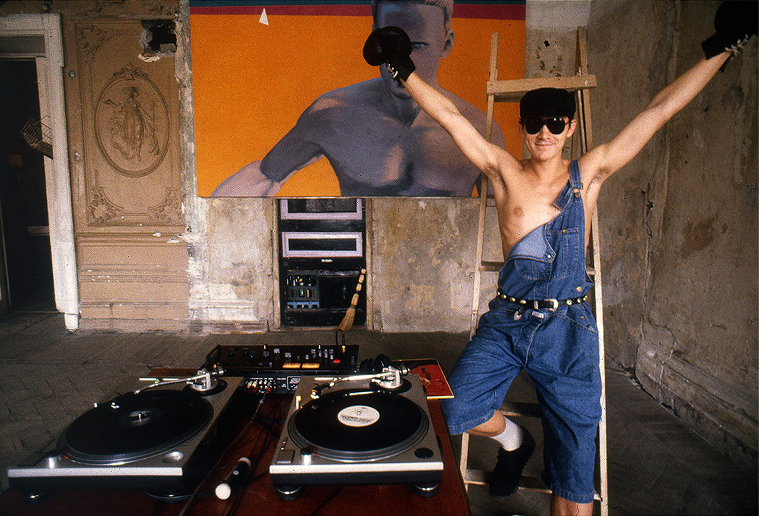
During the research, Fontanka 145 captured particular attention—an address around which one of Leningrad’s most important informal art scenes formed in the late 1980s and early 1990s. Artists' studios, squats, exhibition spaces, and the Tanzpol club transformed this location into a nexus of art, music, and independent culture.
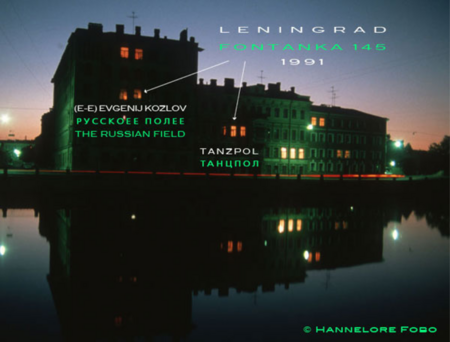
DANCEFLOOR. FONTANKA 145. Film stills (E-E) by Evgeny Kozlov and Hannelore Pho. © 1990 / 1991 / 2017 / 2019
Part of the historical complex’s architecture has been lost, but individual buildings remain. Today, this site remains an important part of St. Petersburg’s cultural memory and the history of informal art from the late 20th century.
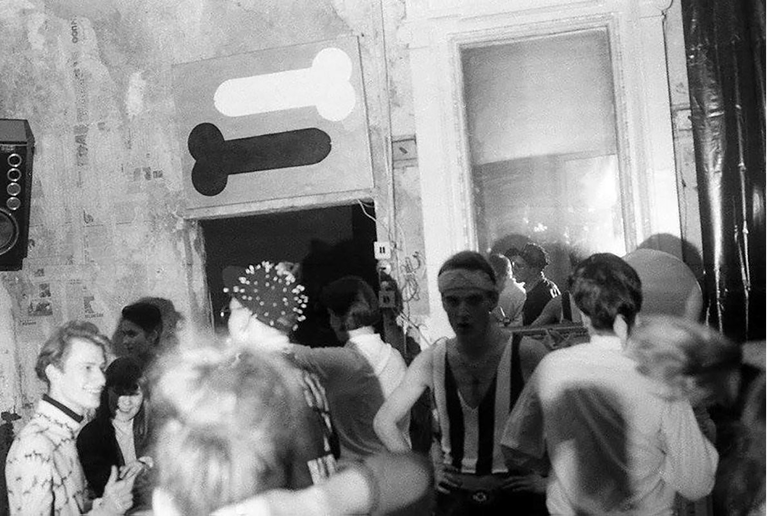
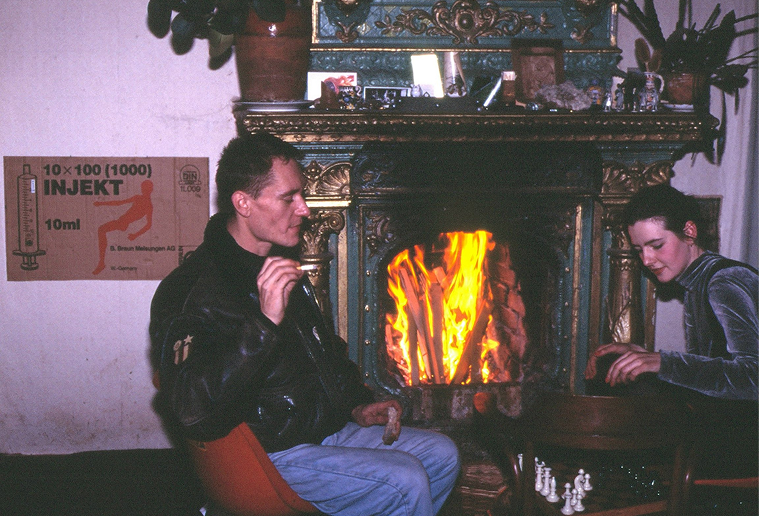
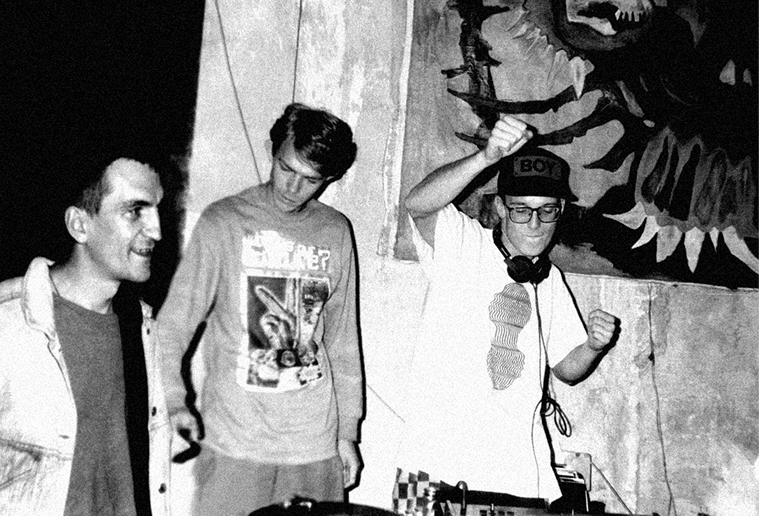
1. Olga Tobreluts plays chess with Georgy Guryanov 2. Timur Novikov, Bugayev-Afrika, and Gavrila Vorobyev 3. The first techno parties of Leningrad, Alexei Haas, 1991 4. Fontanka, 145
Unlike the Western rave culture that emerged in abandoned industrial spaces, the Leningrad rave developed within an artistic milieu. Parties took place in squats within old apartment buildings, amidst ornate plasterwork, antique furniture, and artists' studios. Attendees addressed each other formally, discussed art, and danced to electronic music late into the night.
High language. Low learners.
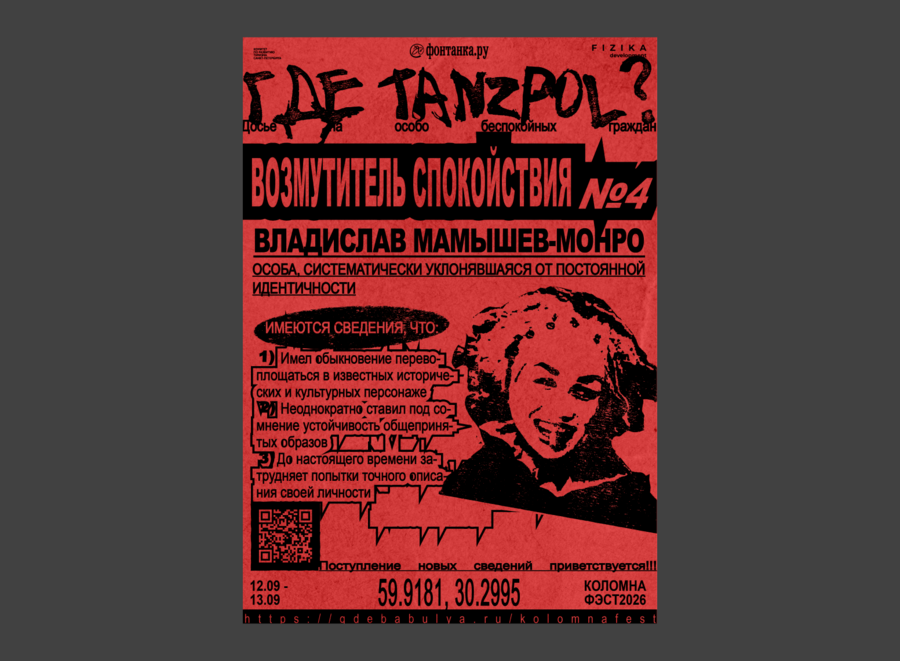
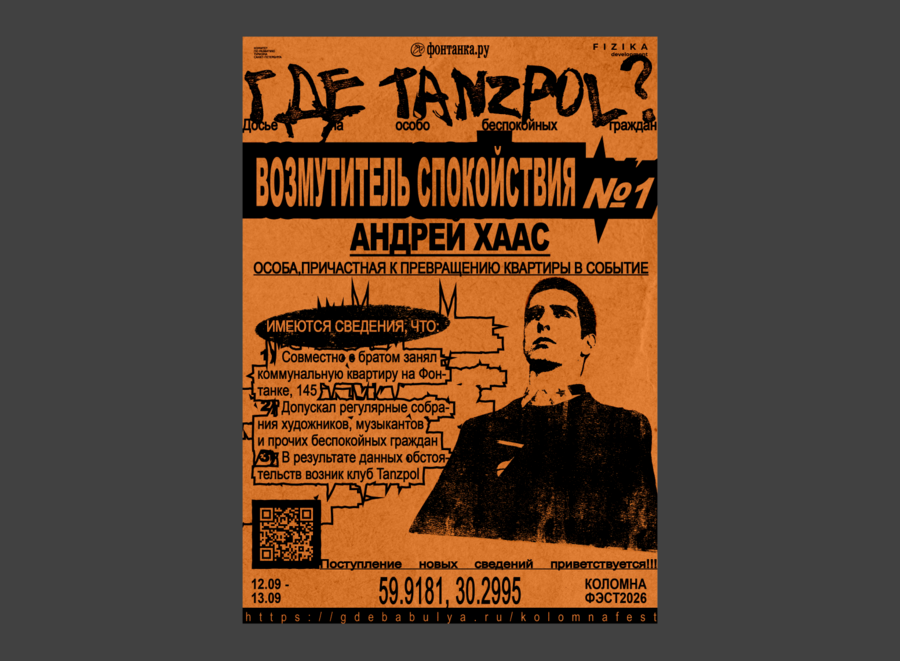
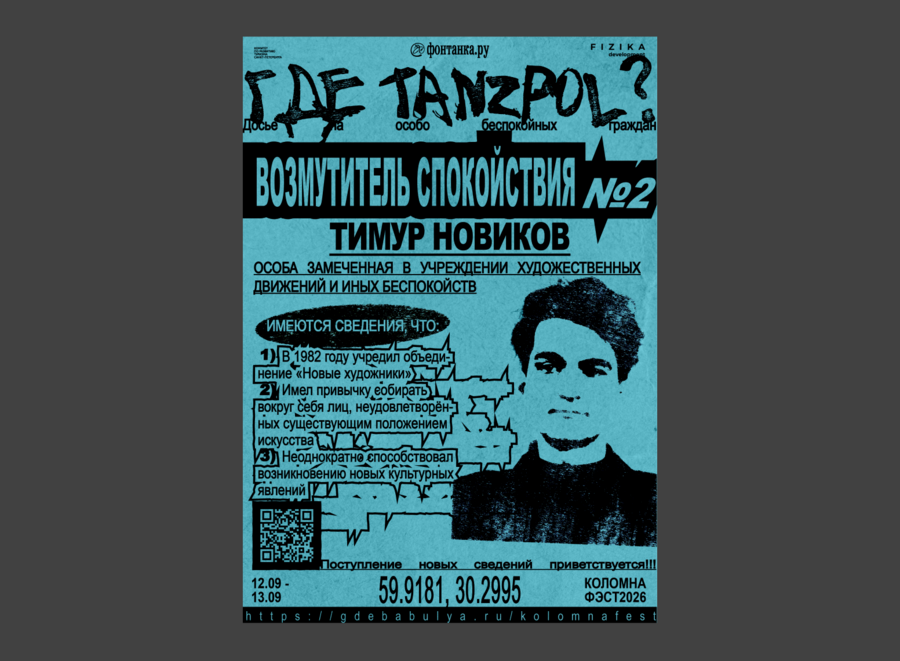
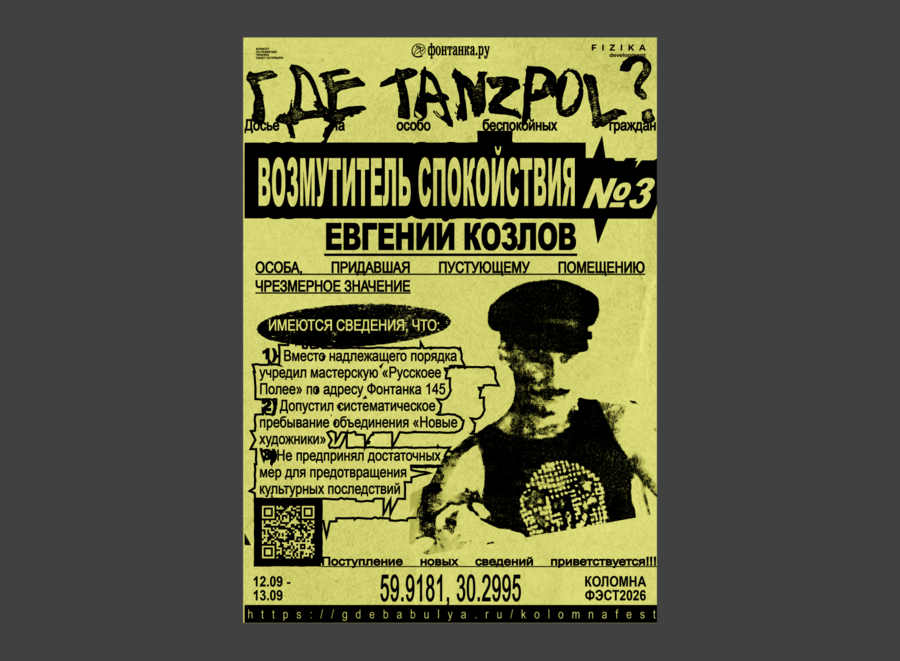
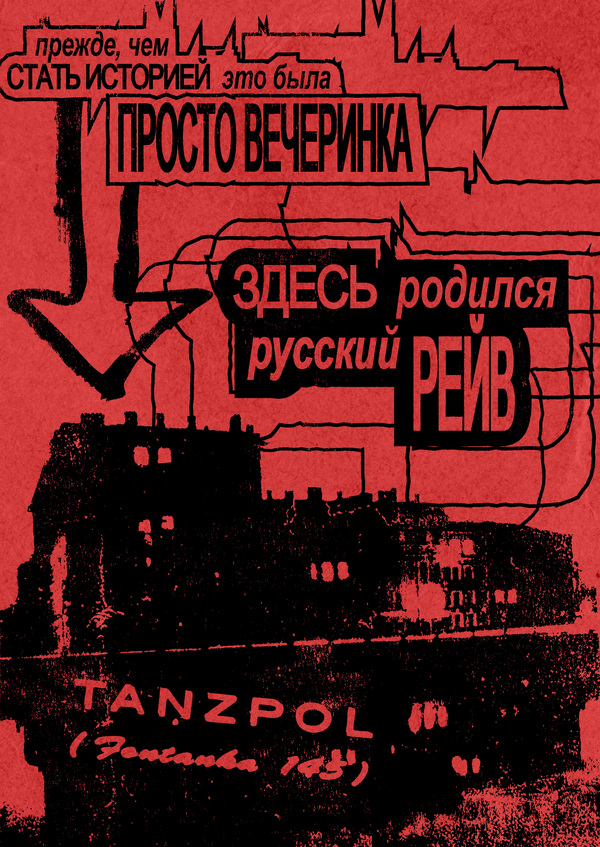
At the core of the project is the collision of two visual and cultural codes: unofficial street advertising and elevated rhetoric. This technique references the history of Fontanka, 145, where the rave scene emerged from within an artistic environment, merging «high» culture with informal urban life.
The installation is structured as a route leading to 145 Fontanka Street. Navigational models with directional arrows gradually guide the viewer toward the destination. The main array of posters is mounted on the building, transforming it into the primary information carrier and the final stop of the journey.
The hand-drawn logo, «WHERE TANZPOL? , ” functions as a question, directing the viewer to the site of the action.
The series graphics are rendered in monochrome and are intended for printing on vibrant A4/A5 colored paper. The visual aesthetic is inspired by street posters, flyers, and self-published materials from the early 1990s. Hand-drawn elements, uneven shapes, traces of «imperfect» printing, textured prints, and distorted typography emphasize the project’s unofficial nature and evoke the artistic atmosphere of Fontanka, 145.
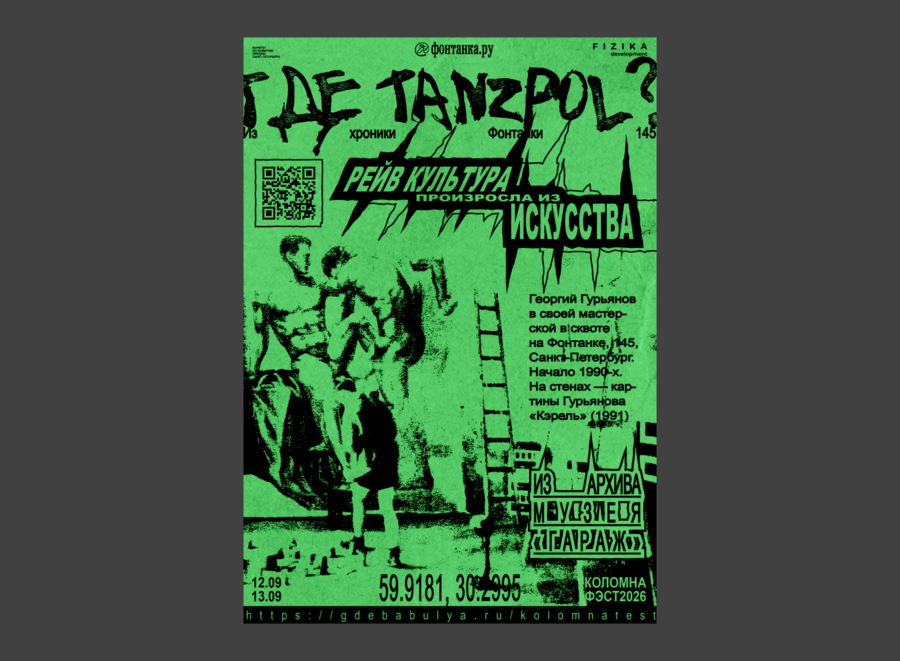
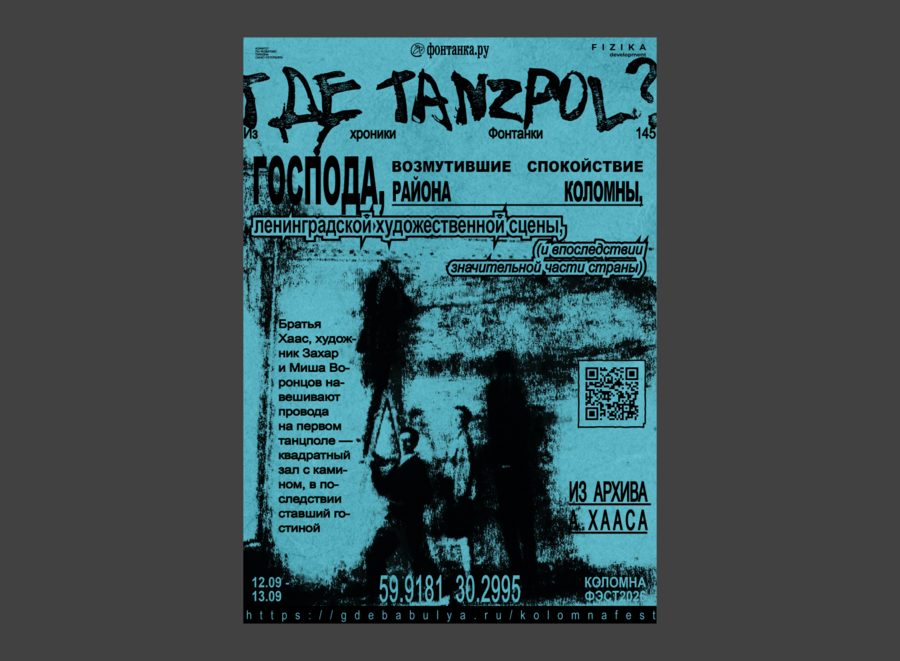
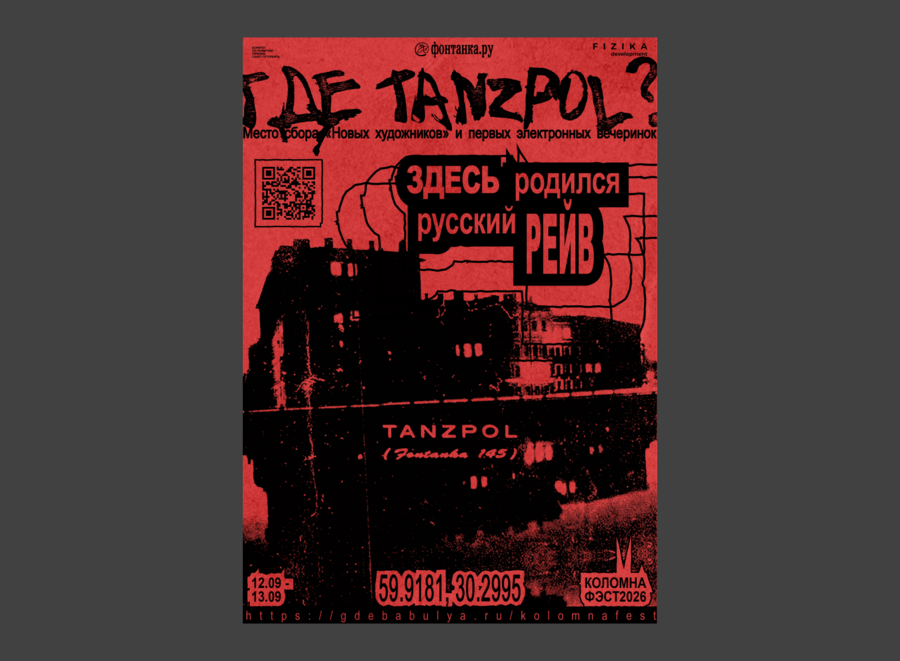
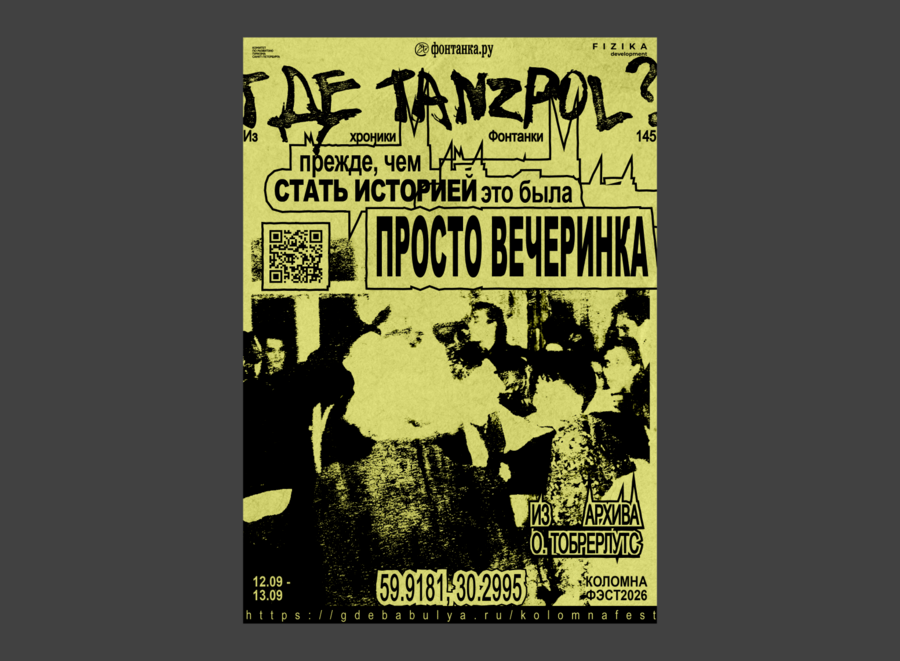
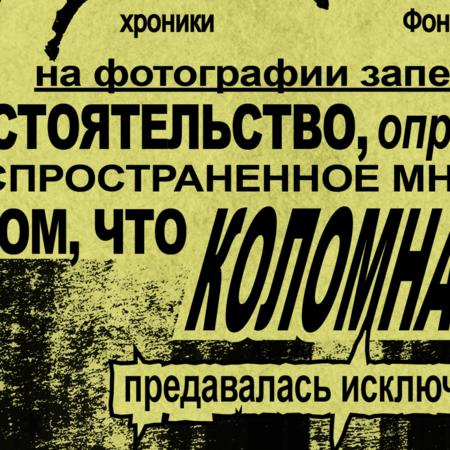
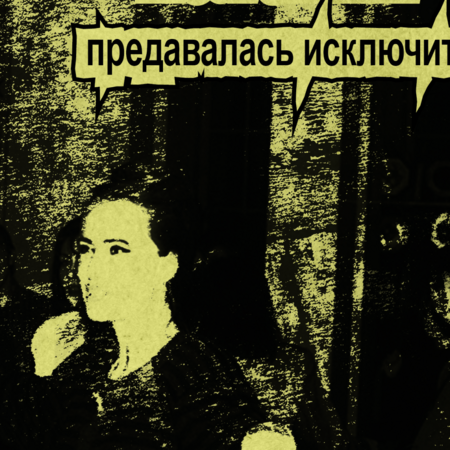
The history of this place is told not as an encyclopedic entry, but as a series of urban flyers, signposts, and testimonials. Real historical facts are reinterpreted through a playful lens: artists become «disruptors of the status quo, ” workshops become „hotbeds of cultural unrest, ” and archived materials function as evidence in one grand case.
All texts are written in a high, almost official register that contrasts sharply with the aesthetic of informal street advertising. This technique mirrors the very nature of the place itself—where the artistic bohemian scene, neo-academism, and rave culture coexisted as a unified cultural phenomenon.