Dream Paradise
Медиа о снах, которые можно понять и использовать
Conscious Dreaming as a Tool for Self-Knowledge and Solving Life Challenges
Media goal
Create a Russian-language media platform that shifts the topic of lucid dreaming from the realm of «esotericism and mysticism» to that of a practical tool for managing anxiety, nightmares, and creative challenges.
What this offers the audience:
— An understanding of the scientific basis of dreams without overwhelming academic jargon — Specific techniques for entering a lucid dream — Methods for using sleep to reduce anxiety and solve recurring problems
Mission:
To make lucid dreaming an accessible skill, not a rare talent.
Theme
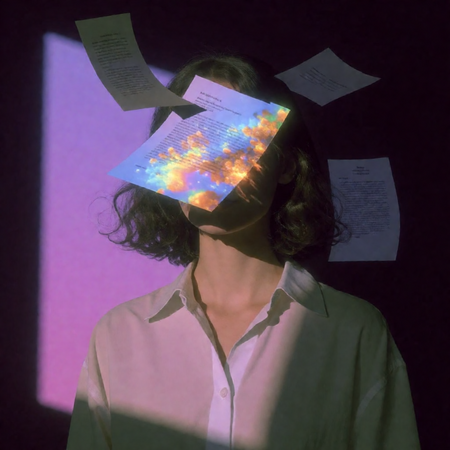
Segment: Psychology and Self-Development.Niche Topic: Lucid dreaming as a tool for emotional regulation and creative exploration.
Why this specific niche topic?Existing Russian-language resources on dreams fall into two camps: either popular dream dictionaries offering superficial interpretations of symbols, or academic texts that are impenetrable to the non-specialist. There is a gap between them.Meanwhile, scientific data already confirms that lucid dreaming has practical applications—reducing nightmare frequency, increasing self-efficacy in teens, and rehearsing skills in sleep. This media platform will occupy the niche of «evidence-based practice.»
Competitors
1. Dream Interpreters and Applications (Dream Moods Space, No Worries, DreamApp)
Selection Criteria: Keyword searches «dream interpretation,» «dream dictionary» in Wordstat and analysis of apps in the App Store.
What we are taking: the structure of a dream journal, including tags and search functionality for recurring symbols.What we are building: they have «what the symbol means, ” and we are building „what to do with that dream next.“
2. Content creators on lucid dreaming (YouTube, Telegram, TikTok)
Selection Criteria: search for the keywords «lucid dreams, ” „how to have a lucid dream“ on YouTube and Telegram; analysis of VK public pages using TargetHunter.
Typical Content: personal experiences, entry techniques, and «dream magic.» The tone of voice is enthusiastic, often lacking research grounding. Visuals: talking head videos, screen casts, and minimal graphics.
What we cover: step-by-step technique breakdowns with realistic expectations.What we build: we add scientific grounding and a clear delineation between «what is proven» / «what is currently a hypothesis.»
3. Oniri, Lucidity, Dreamboard — international apps for lucid dreaming
Selection Criteria: AlternativeTo based on the «dream journal» query, CB Insights under the dream analysis category.

Features: dream journal, AI analysis, induction techniques, statistics. The product is strong, but it lacks an English version and Russian-language localization.
What we are integrating: onboarding structure and dream analytics tools.What we are building: Russian-language content featuring culturally relevant examples and local experts.
Indirect Competitors
Meditation and Sleep Apps (Headspace, Calm, Russian Equivalents)
They are competing for the same time and the same state—the «pre-sleep period.» The audience is looking for relaxation, not dream analysis. The tone of voice should be calming and therapeutic. The visuals should feature soft gradients, nature, and abstraction.Insight: We are not competing for the «pre-sleep period.» We are competing for the «post-awakening period"—the moment when a person remembers a dream and wants to know what to do with it.
Potential Competitors
AI Assistants and Chatbots (ChatGPT, Local LLMs)
Users can already «talk to the AI about their dreams.» It’s free, requires no registration, and doesn’t need a specialized product. Tone of voice is neutral, not expert.How we respond: our value isn’t in «just another analysis, ” but in structure. We provide a system: a journal → pattern identification → working techniques → tracking changes. The AI chat does not provide this.
Findings from Competitor Analysis
— The niche is open. In Russian, there is no media that connects scientific accuracy with practical applicability in the topic of lucid dreaming.
— The key difference is the «post-dream» phase. Competitors focus either on symbol interpretation (dream books) or on the falling-asleep process (meditation). We focus on the moment after the dream has occurred and what can be done with it.
— We can draw inspiration from: the diary format with tags from DreamApp; the technique structure from YouTube vloggers; the visual approach from Oniri.
— What to avoid: the «dream book-style» with definitive symbol interpretations and promises like «you will definitely see a prophetic dream.»
Distribution Channels