Structure:1. Media Goal Description
2. Future Media Topic (Segment + Specific Theme)
3. Competitors and Their Analysis
4. Distribution Channel
5. Target Audience Description
6. Unique Selling Proposition (USP)
1. Media Goal Description
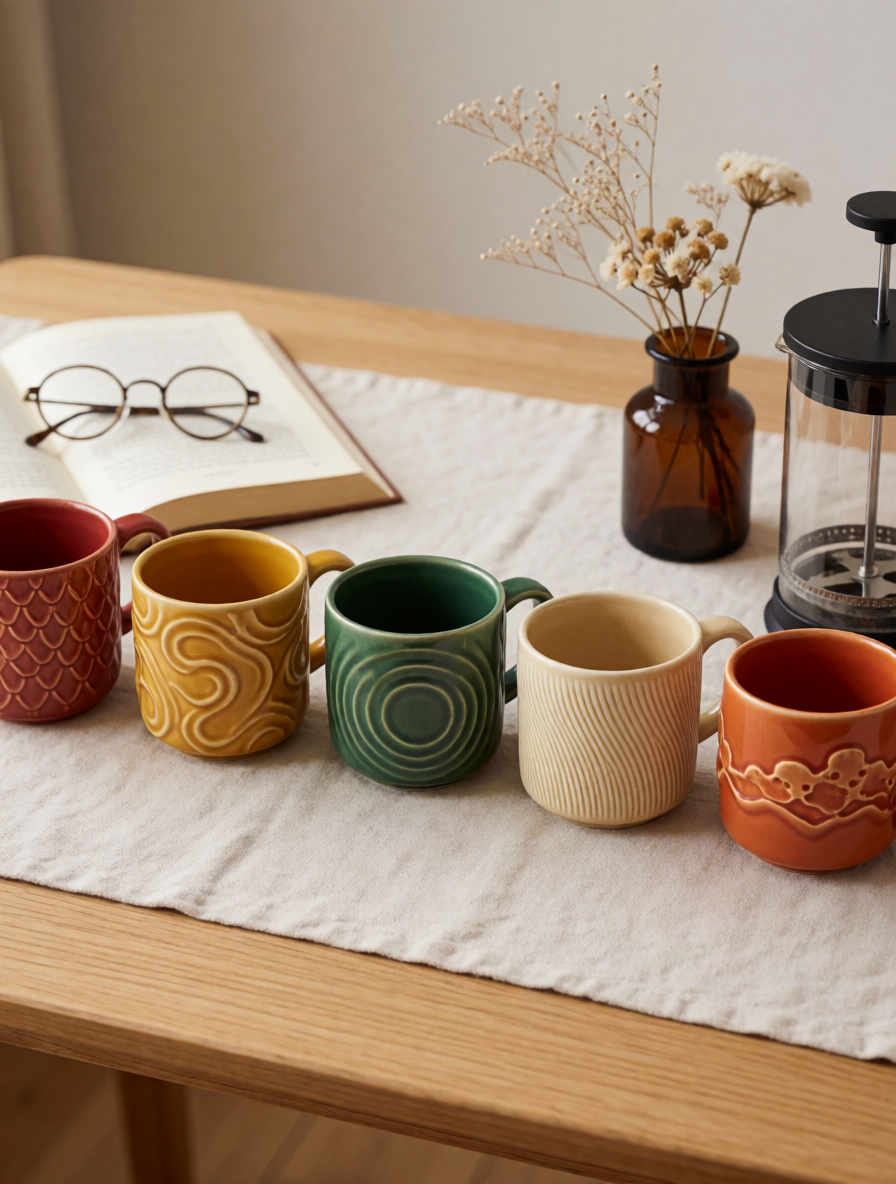
Goal: To create a sustainable media space around the brand where the mug is positioned not as utilitarian tableware, but as tactile comfort within an aggressive digital environment. The media must sell not the ceramics, but the feeling of «home» through physical contact with the texture.Objectives:— Establish the category of «tactile ceramics for slowing down» (in contrast to smooth, minimalist mugs).— Demonstrate that the texture is not just decoration, but a sensory experience: fingers can trace the patterns, shifting the brain’s focus to physical sensation.— Differentiate from mass-market production and aesthetic vintage styles.
2. Themes of Future Media
Segment: Homeware & Drinkware.
Niche Topic: Tactile ceramics for slowing down rituals
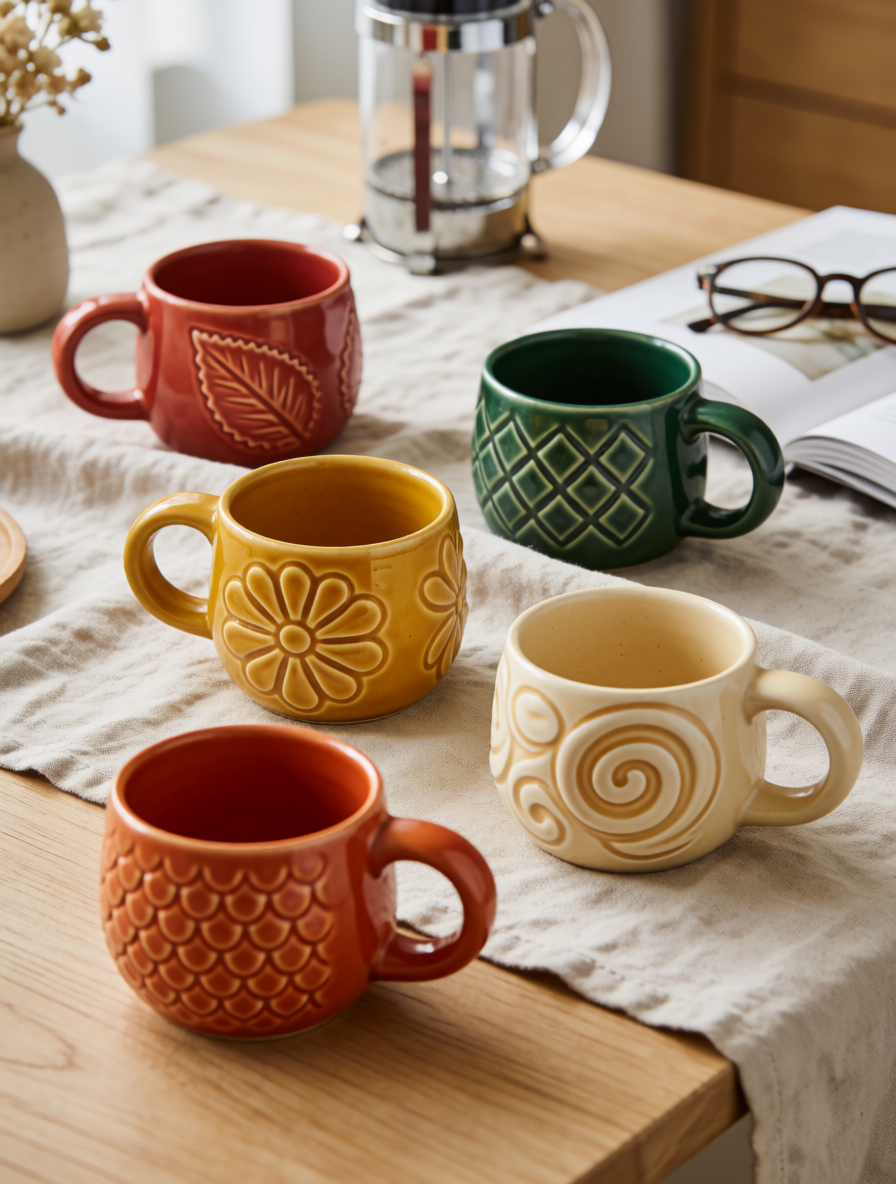
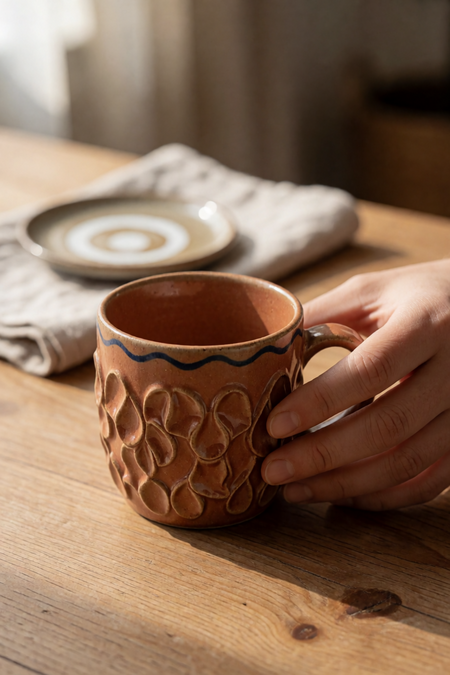
This is not «tea ware» or «kitchen decor.» It is a tool for managing state through touch. This focused topic allows us to connect with an audience that is weary of visual noise and is seeking physical methods of grounding.
3. Competitors and Their Analysis
We will compete for the target audience’s attention along the following axes:1. Tactility as function, not decoration. Does the competitor conceptualize relief as a tool for sensory experience rather than merely a «pretty pattern»?2. Palette and color therapy. Does the competitor use color as a conscious tool to influence mood or simply employ «trendy seasonal shades»?3. Sizing grid for scenarios. Does the competitor operate on the logic that «small equals quick ritual, large equals lengthy ritual, ” or are these just different SKUs?4. Tone of Voice. Does the brand speak like a „retail store“ or like a „ritual creator“?5. Platforms and formats. Where is the content published: solely on a marketplace or on social media with atmospheric videos?6. Visual language. Macro shots of texture, ASMR, „hand touching“ versus studio photography on a white background.7. Engagement tools. UGC, collaborations, story polls, „mug of the week, ” and ritual guides.
Top 3 Direct Competitors (Relief Ceramics)
1. Gipfel (Cliff, Marble, Terra series)
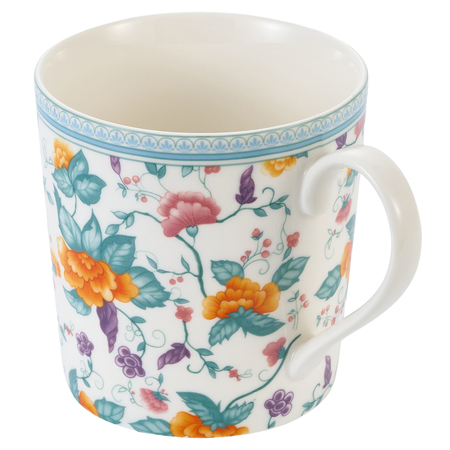
Where it’s published: primarily marketplaces (Yandex.Market, Ozon); there is no active social media content.
Visuals: studio photos on a white background. There is no macro photography of the texture, nor are there tactile videos.
Tone of Voice: neutral-product oriented, focusing on «quality and style.»
What the audience likes (from reviews): «Pleasant to hold, ” „stylish, ” „well packaged.“
What they dislike: „The color differs from the photo, ” „there are rough spots.“
Tools: only the product card. There are no stories, reels, or user-generated content (UGC).
Weak point: lack of narrative or mythology. The mug is just another commodity item.
2. Marimekko / Iittala (relief series, mass-premium)
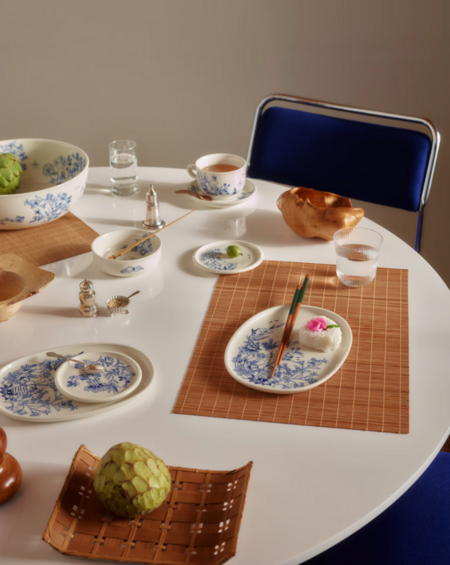
Where content is published: Instagram, Pinterest, and the website. Content is adapted for each platform (e.g., unboxing Reels, Pinterest boards).
Visuals: Strong, yet cold. Scandinavian minimalism, studio lighting. The texture is shown, but not deeply felt.
Tone of Voice: «design that lives with you for years.»
What is appealing: Aesthetics, status.
What is not appealing: Price, «coldness, ” a lack of sense of home.
Tools: Reels, collaborations with designers, Pinterest.
Weakness: Lack of the emotion of „coziness“; no tactile focus.
3. Local Ceramists (Instagram Artisans)
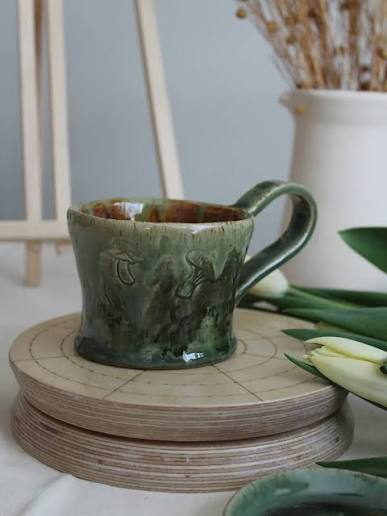
Where they post: Instagram, Telegram, and sometimes Pinterest. Adaptations include stories showing the sculpting process and Reels featuring the firing process.Visuals: «warm, ” handmade, often featuring natural light. There is also macro photography of texture.Tone of Voice: „I made this by hand for you.“What they like: uniqueness, soulful quality, and the feeling of it being a „special piece.“What they dislike: unpredictability (color, timelines), high price point, and lack of a size guide.Tools: stories (polls, Q&A), Reels, and a Telegram channel.Weakness: lack of systematization, no established brand, and an unstable product line.
Top 3 Indirect Competitors (Adjacent Categories Competing for «Cozy»)
1. Candles and Home Aromas (Diptyque, Local Brands)They are competing for the same insight: «creating a home atmosphere through sensory experiences.»Tools: Reels featuring fire, Stories showing «evening rituals, ” collaborations with psychologists.What to borrow: presenting the ritual as an „anchor, ” and Stories polls like „how do you ground yourself.“2. Blankets and Textiles (Zara Home, H&M Home)They are vying for „tactile comfort“ through material.Visuals: macro photography of fuzz, „hand stroking fabric.“What to borrow: ASMR content, macro shots of texture.3. Coffee Brands (Roasters, Cafes)
They are competing for the „morning ritual.“Tools: collaborations, brewing guides, UGC featuring mugs.What to borrow: cross-promotions with roasters, „mug + coffee = ritual.“
Top 3 potential competitors (may enter the niche)
1. IKEA: Could release a limited «tactile ceramics» series emphasizing well-being.2. Ozon/Wildberries private label: Could copy the form and sell it cheaper.3. Kitchenware brands from China (via marketplaces): Will quickly copy the texture, but not the concept.
Insights from Competitive Analysis
Content: We can borrow macro photography of texture (like ceramicists), ASMR sounds (like candles), and the «touching hand» aesthetic (like textiles). We should also avoid studio shots on a white background (like Gipfel), as they kill tactility.
Visuals: We will adopt warm lighting and natural textures (wood, linen), along with close-ups of fingers interacting with relief surfaces. Furthermore, we will introduce a color-therapeutic palette to help explain why terracotta «calms» and mustard «invigorates.»
Tone of Voice: We must emphasize the ethos of «handmade with my own hands» (like ceramicists) combined with «design that lives with you» (like Marimekko). However, we aren’t talking about a mug; we’re talking about a state of being. «This mug helps you reconnect with your body”—no one else communicates this.
Tools: We will also incorporate content such as story polls („How do you ground yourself?“), process-focused Reels, and a Telegram channel featuring essays. We can further diversify the content with a „Mug of the Week, ” which describes various usage scenarios (morning, work, evening).
UGC Management: We must definitely borrow the customer reposting strategy from ceramicists. We will also ask users to film their „mug ritual.“ This emphasizes the feeling of being present in the moment.
4. Distribution Channel
Main channels: Instagram / Pinterest + Telegram channel.
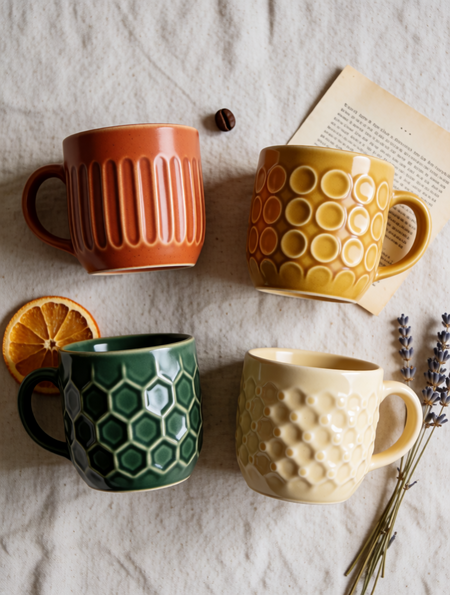
Visual content: macro shots of texture, tactile videos (a finger tracing a bump, a mug rotating in hands), ceramic ASMR sounds.Textual content (Telegram): short essays on rituals, «why hands reach for texture, ” and „the mug as grounding.“Additionally: collaborations with psychologists, mindfulness specialists, and coffee roasters (to reach a broader audience).Why not marketplaces first: they kill the idea. There, the mug is just a product listing. Here, you must first build the mythology, then sell.
5. Target Audience Description (Detailed)
The primary focus is B2C, as the product is sold directly to the end consumer. However, there is also a B2B segment (corporate gifts, coffee shops, hotels) that we are also segmenting.In total, we will break it down into four segments.
Segment 1: «The Burned-Out Creator» (B2C, Core)

Context: Freelancer, designer, marketer, copywriter. Age 25–38. Lives in a major city (Moscow, St. Petersburg, Yekaterinburg). Works from home or in a coworking space. Spends 8–10 hours in front of a screen. Is tired of visual noise and algorithms.Why they will be interested: A textured mug—the only object that can be touched instead of just looked at. It serves as a physical anchor that reconnects you with your body. This insight is supported by Google trends: consumers prioritize immediate well-being and are seeking «tangible progress in the present.»What we can offer: A 300 ml mug with deep texture. A warm, neutral color like terracotta or olive. Content: «5 minutes with a mug instead of your phone.»Demo/Geo: 25–38, city population 500k+, above-average income. Women 60% / Men 40%.JTBD: «When I close my laptop after 10 hours of screen time, I want to transition through a physical sensation to reconnect with my body.»