Дневник памяти
Медиапроект / контент-план
Media on human memory, everyday life, and digital footprints
Media Goal
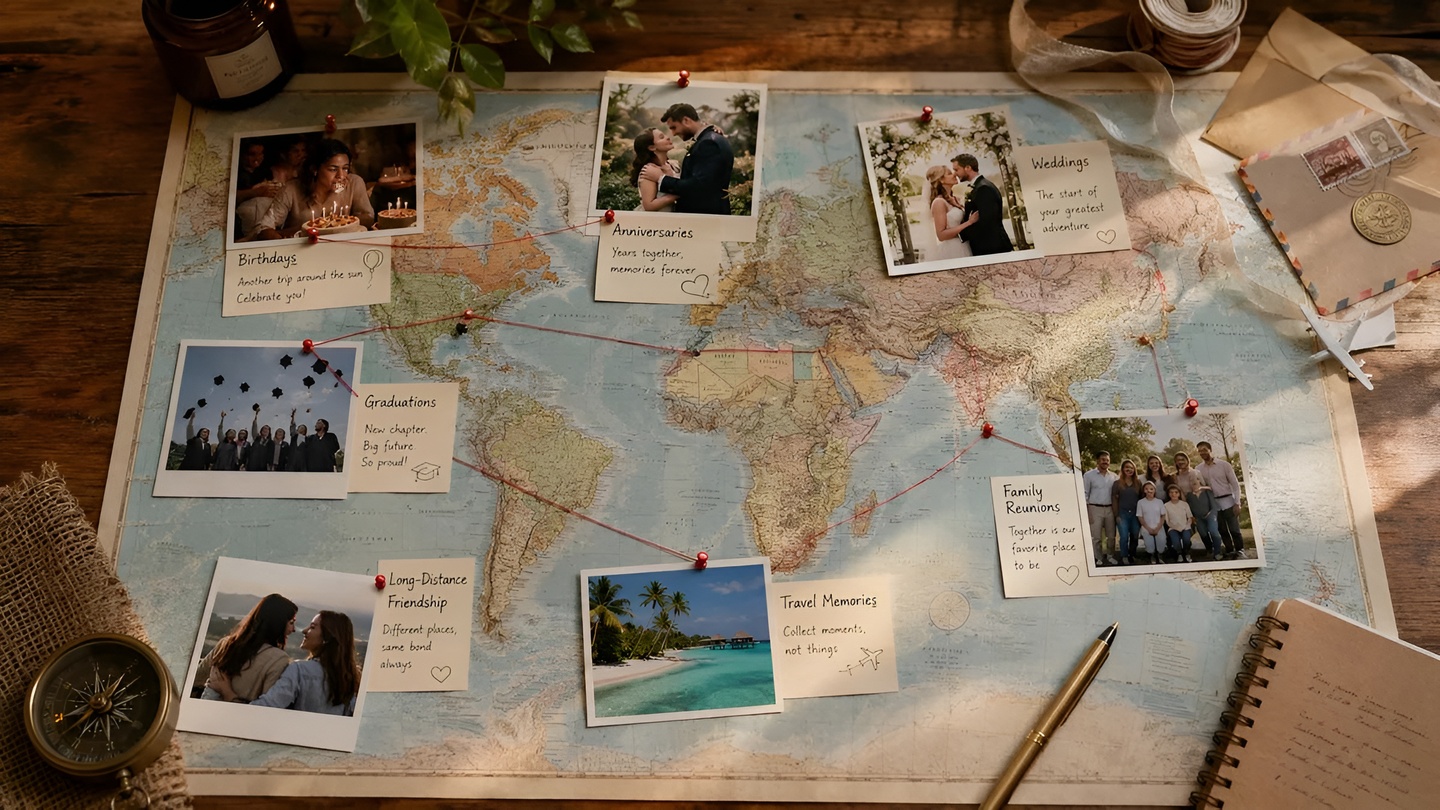
To help individuals look at their own lives from an outside perspective.Through real stories, scientific facts, and AI experiments, we explore what we remember, what we forget, and what our life truly was like. Photos, music, places, notes, and other digital traces are transformed into visual narratives that help us view our familiar lives from a distance and discover in them things we no longer notice for ourselves.
Core Objective
To create materials that help to:
1. notice significant moments in daily life;
2. better understand the nature of our own memories;
3. recontextualize past periods;
4. see the connection between memory and digital technology.
Thematic Plan
На полгода
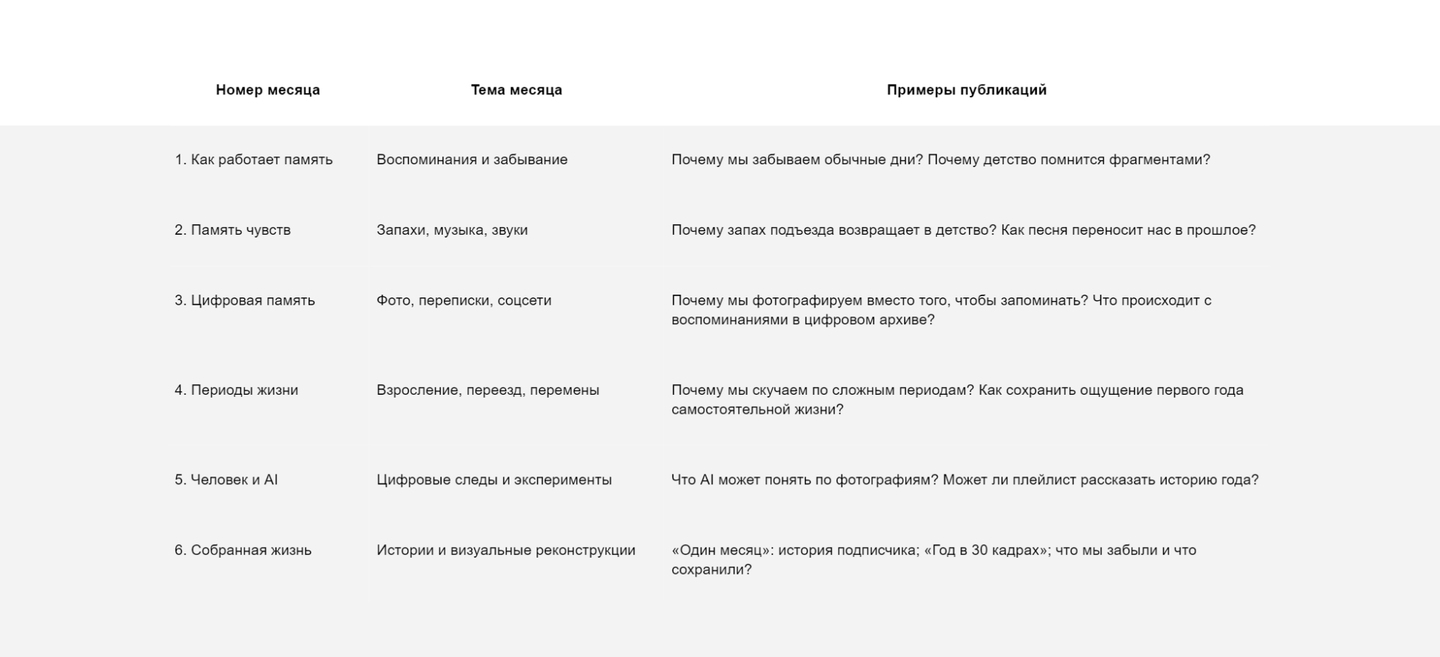
One main thematic focus per month to avoid scattering too widely across research material and to ensure a structured and logical narrative for the readers. To keep the plan realistic, I would aim for three posts per week—approximately 12–13 pieces of content per month.
Format and Platform
— Telegram:1 Short posts with illustrations and cards.2 Long-form articles and personal stories.
3 Short vertical videos and motion graphics.
4 Polls and questions for subscribers.
5 Series releases under the «One Month» feature.Role of AI: To assist in researching the theme, structuring the content, developing visual concepts, and creating illustrations. All facts must be verified by the editor; disinformation is unacceptable.
Content Samples
01 Template Posts; 02 Card Carousel (the post’s task is to give a quick explanation and prompt the reader to test it in their own experience)
03 Reader Testimonials; 04 Digital Culture Posts
The goal of these survey posts is to engage the audience through personal experience and provide a reason for them to share a story or test results in the comments.
«ONE MONTH» COLUMN / PERSONAL STORY + VISUALIZATION
Text Template
Sometimes an entire month remains on your phone, but barely registers in memory.
In this story, we examine one September through its digital traces: photos, saved locations, notes, and music.
What did the phone save better—the facts about the month or its mood?
Design Concept
Compile a visual timeline from photographs, song covers, and notes. For the actual publication, use materials with the participant’s consent, and clearly differentiate AI interpretations from their own memories.
«LIFE IN DATA» FEATURE / PHOTO EXPERIMENT
Text Template
Imagine we provided a model with photographs of one person over the course of a year and asked it to identify recurring themes. What will the AI see in your year if you show it only photos?About the Experiment
The AI might notice: — which locations appear most frequently in the frames; — what activities are repeated; — how the photo themes change with the seasons; — what events are almost entirely absent visually. However, the model does not know the whole story. Ten photos from a trip do not mean the person traveled constantly. And the absence of photos with friends does not mean loneliness.The main question of the experiment is: how closely does the story we see in the data align with how the person themselves remembers their year? The goal of this post is to surprise the reader while simultaneously illustrating the limitations of AI—digital data is not equivalent to the full scope of life.
Format
A series of 10 cards: «Data» $\rightarrow$ AI’s hypothesis $\rightarrow$ Photo brought to life in AI video $\rightarrow$ Participant commentary $\rightarrow$ ConclusionCOLUMN «IF MEMORY WERE…» / 25–30 SECOND VIDEO
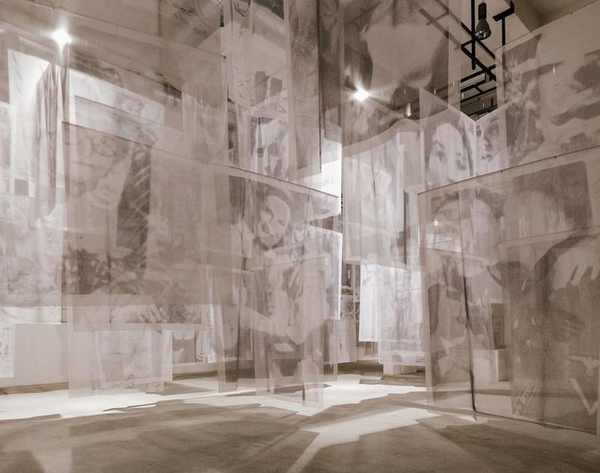
COLUMN: «IF MEMORY WERE…» / 3D VISUAL EXPERIMENT
Text Template
If one year of your life were a room
Imagine a room constructed from memories. What would take up the most space in your life inside such a room?
About the Experiment
We ask AI to create a visual metaphor for one year—not an exact reconstruction of events, but an artistic image compiled from the participant’s stories and associations.
Format
Participant narrative → selection of recurring imagery → generation of multiple 3D concepts → manual selection and compositional refinement → publication with a description of the source data
Every day we leave traces of our lives