Russian Red Cross (RRC) — Russia’s oldest national non-profit humanitarian organization of the Red Cross. Founded in 1867, according to the Geneva Conventions, it is a participant in the international Red Cross and Red Crescent Movement.
The Activities of the Russian Red Cross
Areas of Operation:
— Emergency preparedness and response
— Migration and refugee support
— Blood and bone marrow donation advocacy
— Kids Sunday Center
— Disseminating knowledge about the International Red Cross—
— Red Crescent Movement
— Humanitarian service
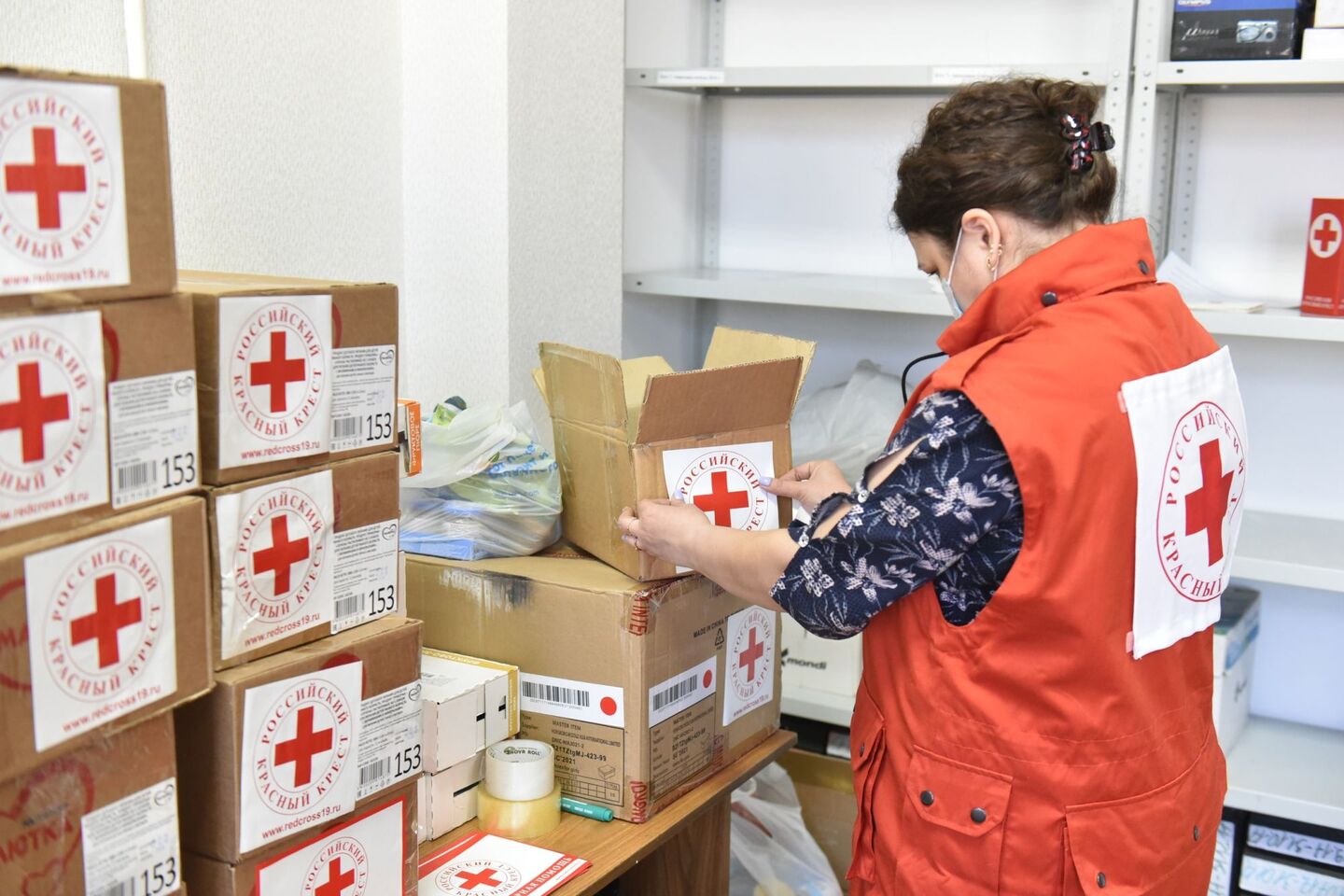
Migration Track
In the migration direction, RCC assists people who have come to Russia and those seeking protection: consultations on Russian migration legislation, operation of hotlines, and public reception centers, organization of Russian language courses for adults and kids, and the opening of specialized integration and educational centers to help migrant children and refugees master the school curriculum.
Problem
— According to the Russian Federation Security Council, as of July 1, 2026, there were 6.4 million foreign citizens in Russia.
— In the first half of 2026, approximately 72.6–73 thousand foreign citizens were expelled or deported from Russia (1.5 times more than in all of 2025).
Why is this important?
Migration is an incredibly complex process involving numerous challenges: obtaining and renewing documentation, finding employment, securing housing, and adapting to a new country. All of this happens simultaneously, and it is extremely difficult to manage alone. Most often, the deportation or removal of foreign citizens from Russia occurs due to violations of migration rules and the loss of legal grounds for staying in the country.
The Russian Red Cross has materials for people who have come to Russia and for staff who work with them. However, today they exist in isolation. They were created at different times, in different formats, and without a unified visual language.
Solution
Creation of a system of adaptable digital and print materials to assist in the integration and adaptation of migrants and refugees, as well as to support the organization’s own staff working with them.
Concept:
A material system for adaptation and integration—a unified set of print, digital, and physical media that supports an individual through various stages of migration (documents, housing, employment, daily life) and assists staff and volunteers of the RCC in their work with them.
Project Goal:
To make integration easy and accessible
Project Task:
To create an accessible and understandable system of informational materials that helps both migrants and refugees and the staff and volunteers who work with them.
Project Studio
Individuals Adapting to a New Country:
Foreign citizens who have come to work, study, or settle (labor migrants, family members, and others).
People Seeking Protection:
Refugees and individuals who have received or are awaiting asylum.
Staff:
Employees and volunteers working in the organization
Competitors or Similar Organizations
Direct Competitors:
Non-profit organizations and charitable projects assisting refugees and migrants in Russia.
Indirect Competitors:
Charitable foundations supporting various vulnerable groups
Platform
Mission: To make the adaptation process understandable and manageable.
Character: Calm, clear, respectful, patient.
Vision: No person in a new country is left alone with paperwork and fear.
Values: Compassion, openness, human-centeredness, responsibility, adaptability, continuity.
Project Contents
Print Materials:
multi-page guides, flashcards, calendar, posters.
Digital:
brochures, a unified web application with materials, social media cards, chatbot.
Physical Items:
document folder, starter kit (pens, folder, notebook), other items (stickers, carabiner ruler, branded bag, etc.).
Work Plan
Phase I
September — October
1. Discussion with RCC project representatives
2. Work approval
Phase II
(October — November)
1. Sourcing specialists and assembling the project team
2. Information and material gathering
3. Field research and surveys
Phase III
December — March
1. Audit and review of collected information and materials
2. Material approval
3. Design system prototyping for informational materials
4. Digital asset design
5. Merch development
6. Web application layout