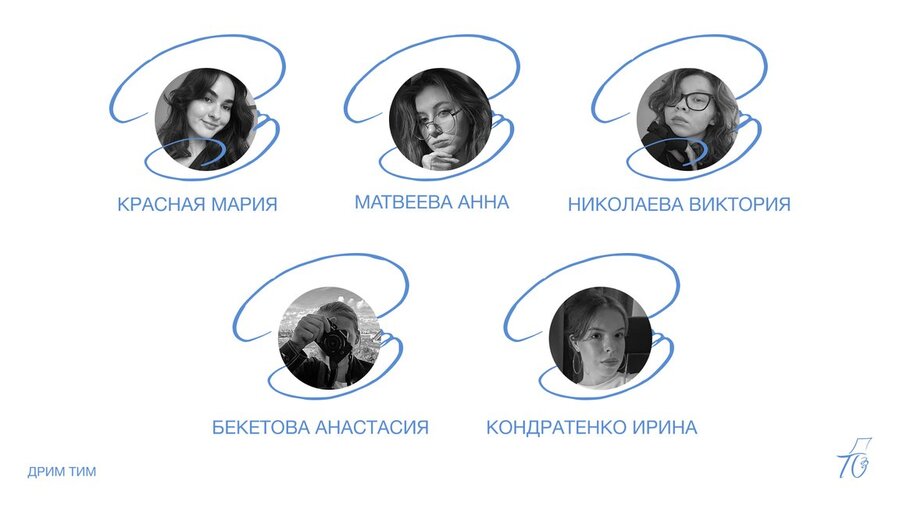
The project was developed by the Dream Team, comprising Anastasia Beketova, Irina Kondratenko, Maria Krasnaya, Anna Matveeva, and Victoria Nikolaeva.
The Pushkin State Museum is one of Russia’s premier literary museums, comprising several branches and dedicated to preserving and reinterpreting the poet’s legacy.
The project’s objective was to develop a universal line of everyday and long-term retail merchandise for the museum, alongside creating a limited-edition line for the museum’s 70th anniversary.
Our mission was to portray Pushkin as a contemporary through an intellectual design aesthetic. We aimed to create functional objects that tell a story, provoke curiosity, and inspire visitors to return to the museum.
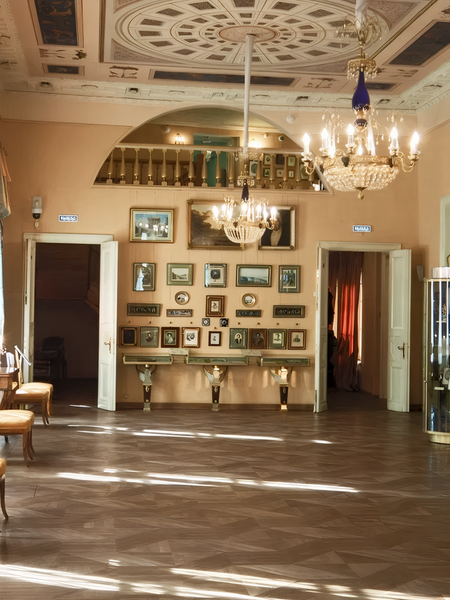
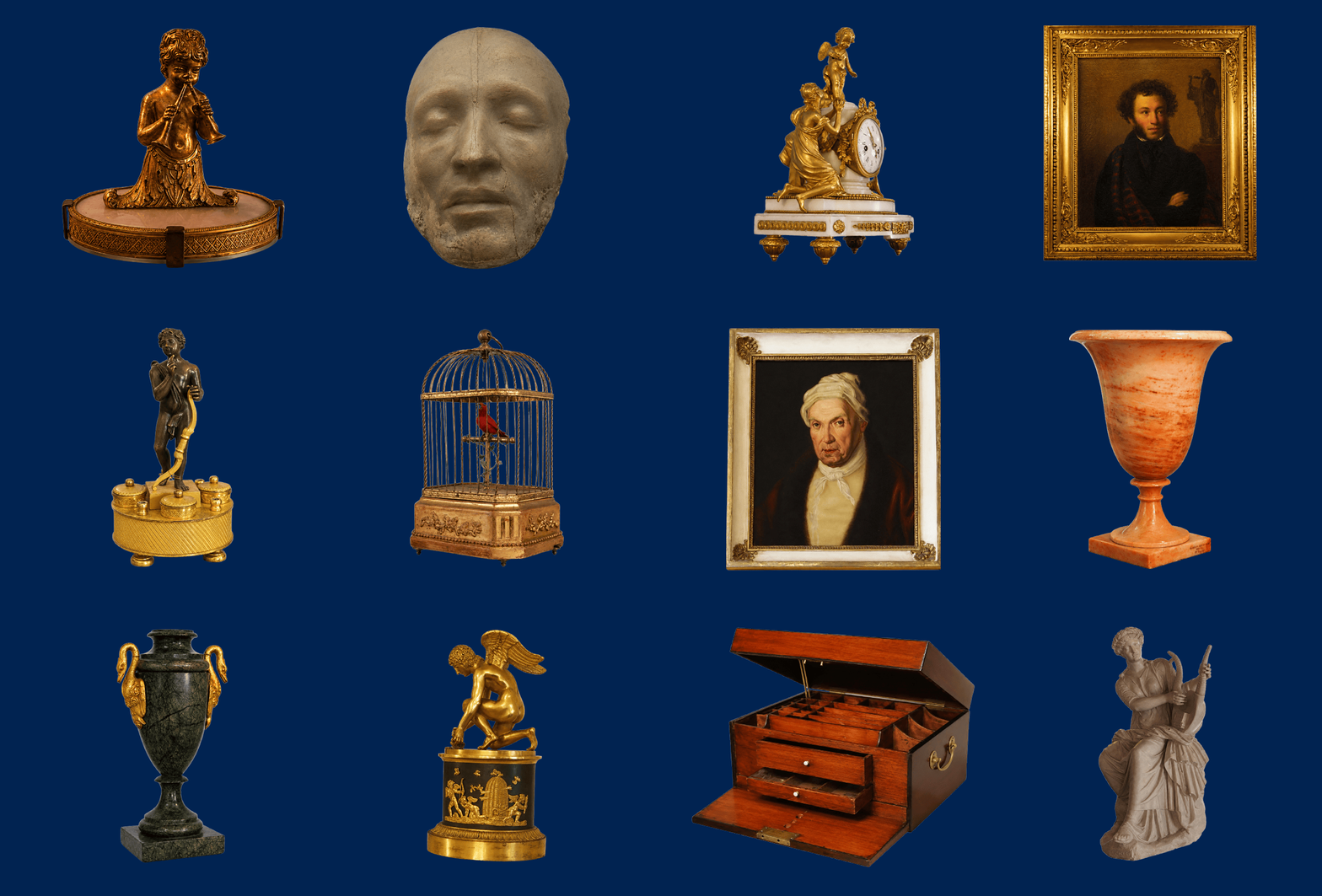
The project work began with researching the museum and its context. A visit to the State Museum of A. S. Pushkin was organized for all participants in the track in collaboration with the Design Workshop curators, allowing a deeper understanding of the museum’s history, exhibition, manuscript archives, and the visual language of the Pushkin era. Anastasia Beketova conducted the initial visual research of the museum, documenting the architecture, exhibits, and graphic elements for subsequent development of the concept.
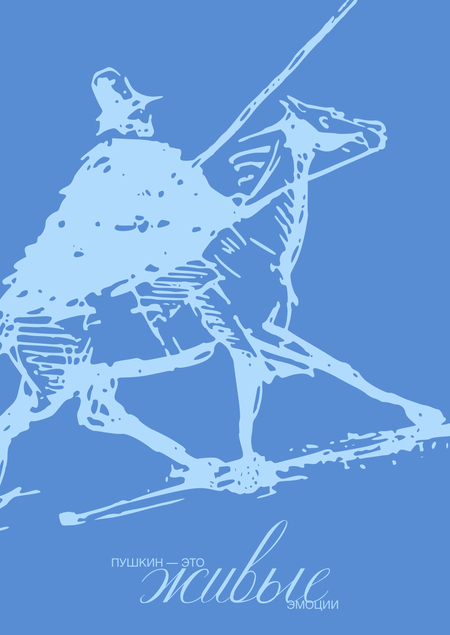
One of the key objectives was to create a metaphor that allowed us to present Pushkin from a new perspective. During the research, the team focused on the poet’s sketches and graphic illustrations found in the margins of his manuscripts. The bird emerged as a particularly significant image—a symbol of freedom, movement, inspiration, and inner will, which appeared repeatedly in both Pushkin’s works and his graphic art. Based on this image, Anastasia Beketova developed the initial visual direction for the project, the color palette, and the approach to processing the graphics.
Palette and Image
In parallel, the team conducted target audience research. Four key segments were identified: young intellectuals, families, tourists, and the senior generation. Each team member conducted in-depth interviews with representatives from their respective audience, while Victoria Nikolaeva was responsible for creating the questionnaire, collecting, and analyzing quantitative data.
The research helped us identify a problem:
We also discovered that people frequently confuse the State Museum of A. S. Pushkin with the Pushkin State Museum of Fine Arts (PSMFAI), and these museums are located close to each other. This became a crucial point for further project positioning, allowing us to develop a more emotional and contemporary visual language.
We have made a decision:
Concept
Later, together with the Design Workshop mentors, we refined the concept, and it was titled «Living Emotions.»
The entire team researched the poet’s manuscript archives and graphics, subsequently creating a system of nine visual images reflecting different facets of Alexander Sergeevich’s personality.
Nine Images
A separate area of work was the development of an anniversary emblem for the museum’s 70th birthday. Krasnaya Maria was responsible for creating the logo and searching for a form that combined modernity with a connection to Pushkin’s image.
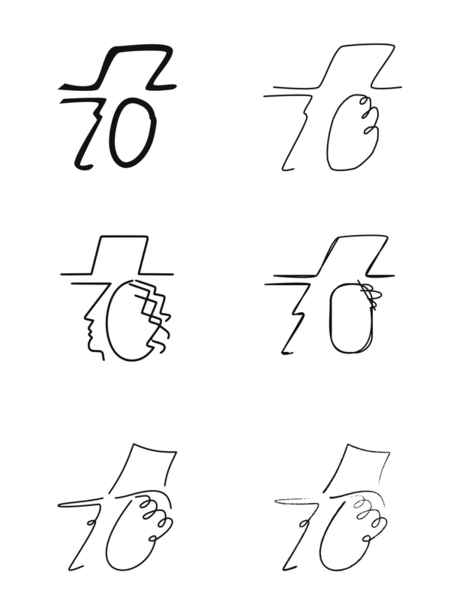
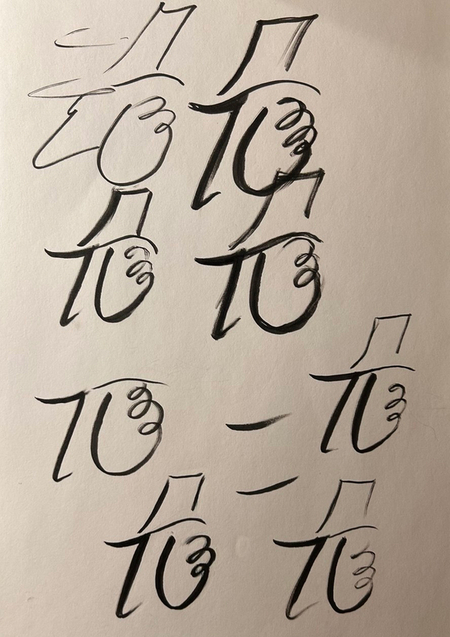
Sketches
In the final iteration, the silhouette of the poet’s profile was integrated, reaching a figure of 70, continuing the metaphor of handwritten script and cultural memory.
Final Logo
After the concept was approved, the team moved on to developing materials for two product lines—an everyday line and a premium souvenir line. Anna Matveeva and Irina Kondratenko developed the youth line in a light color palette.
T-shirt
Pins
The premium line in deep blue hues was created by Krasnaya Mariya, Nikolaeva Victoria, and Beketova Anastasia. Within the project, notebooks, posters, tickets, tea sets, ashtrays, collectible plates, and other carriers were developed. Special attention was paid to the functionality of the items and their everyday use.