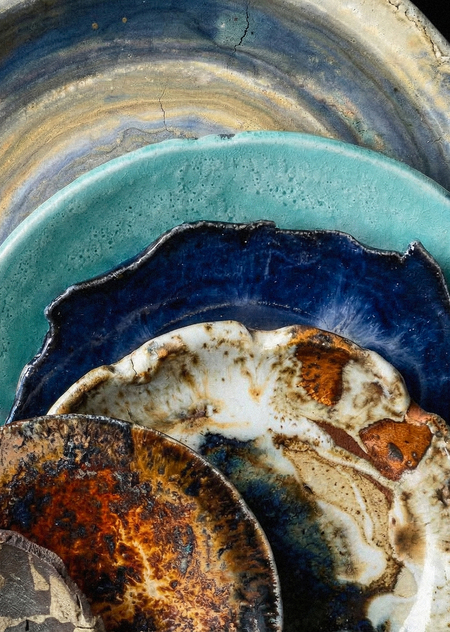

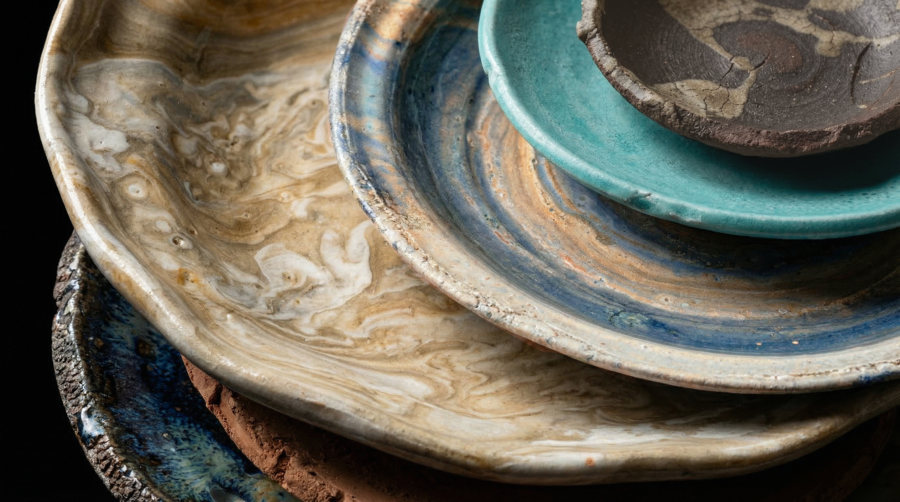
The collection of eight ceramic plates, titled «Cosmos in Texture, ” is inspired by the planets in our solar system. Each plate, much like a celestial body, is unique in its texture and scale.
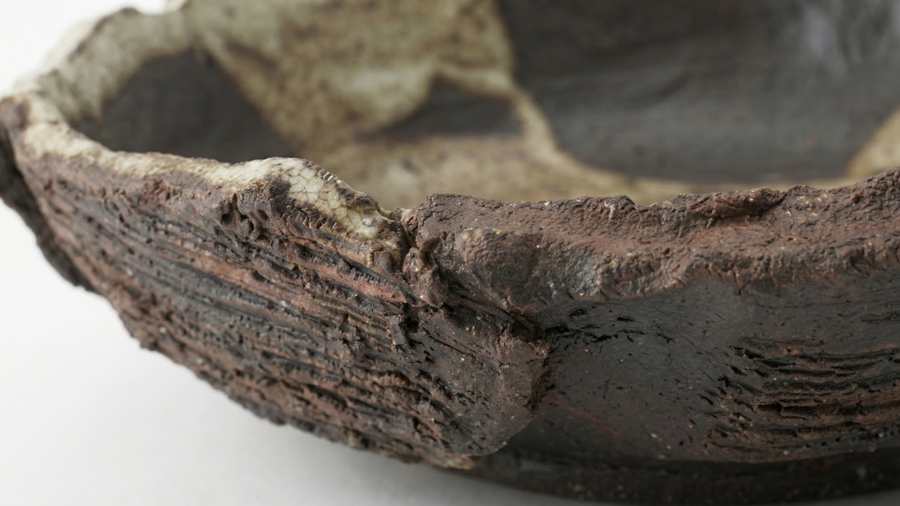
Mercury
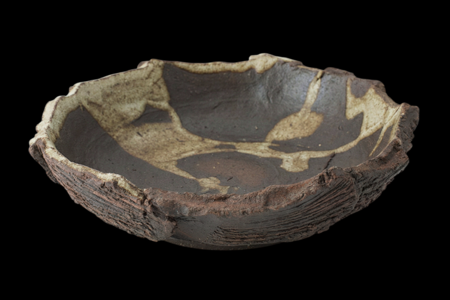
Color Grayish-brown, dull
Surface Rough, rocky, cratered, sometimes smoothed by hardened lava
Unique Features One of the densest objects in the Solar System
Venus
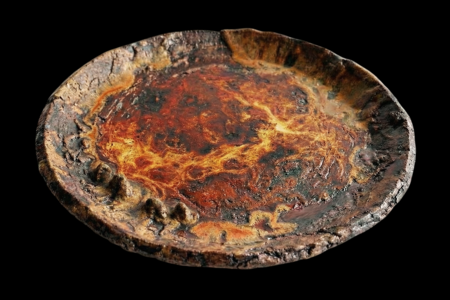
Color Yellowish-gray with muted brown and orange undertones
Surface Combines smooth basalt plains, tesserae (raised, tile-like sections), and crowns
Unique Features The hottest planet (+464 °C)
Earth
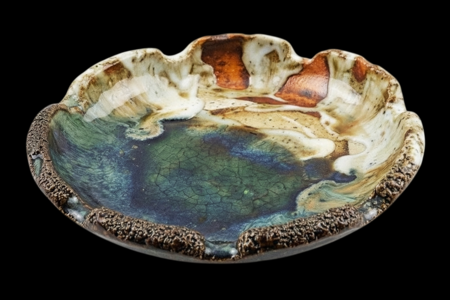
Color Blue-green with white clouds
Surface From oceanic blades and mountain folds to sand dunes and forest expanses
Unique Features The only known planet with liquid water and life
Mars
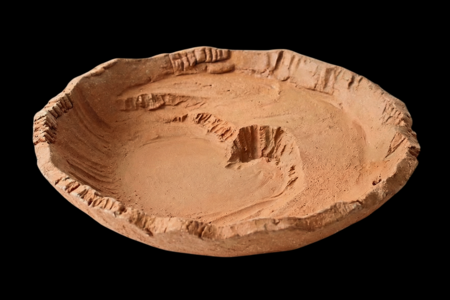
Color Brown-orange
Surface Desert landscape featuring vast plains, canyons, and volcanoes
Unique Features The highest volcanoes and deepest canyons in the Solar System
Jupiter

Color Stripes of beige-brown, white, and orange hues
Surface There is no solid surface; the upper layers are clouds and storms. There is a Great Red Spot on the surface—the largest atmospheric vortex.
Unique Features The largest planet in the Solar System
Saturn
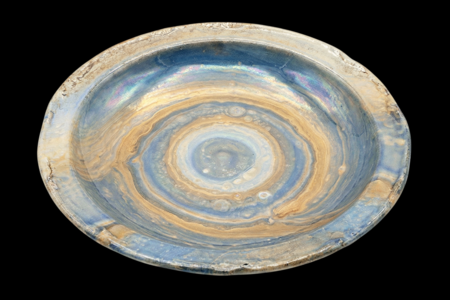
Color Pale yellow-blue with smooth, blurred stripes
Surface Gaseous envelope with wispy clouds and swirling structures
Unique Features Famous rings of ice and stone
Uranium
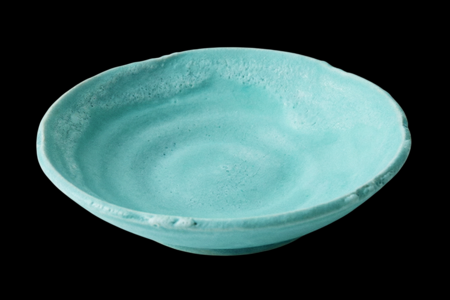
Color Pale blue
Surface Uniform, foggy atmosphere with blurred vortices and an icy mantle
Unique Features The coldest planet (down to -224 °C)
Neptune
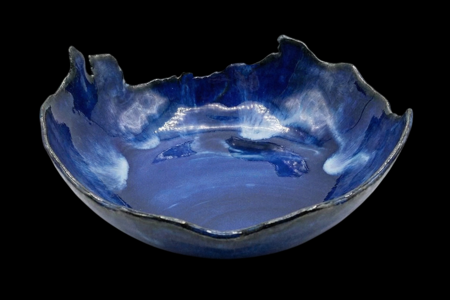
Color Deep blue
Surface A cloud layer with dark spots and swirling eddies, underneath which lies an icy mantle
Unique Features The strongest winds in the Solar System (2100 km/h)