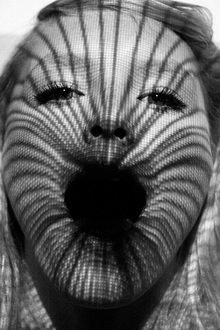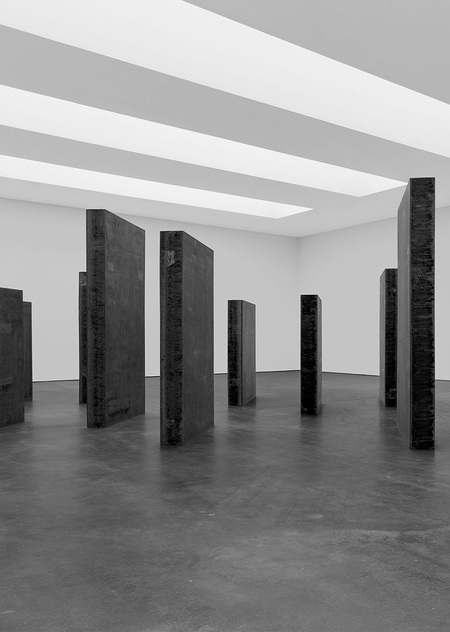
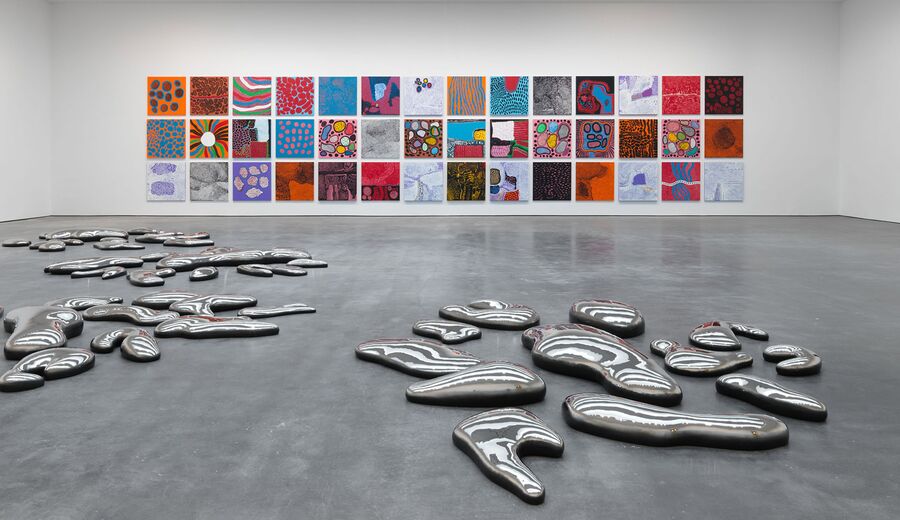
Yayoi Kusama Exhibition at the David Zwirner Gallery, 2019
NAVIGATION
- Concept
- History
- Structure
- Collection
- Activities: 5.1 Exhibitions 5.2 Art Fairs 5.3 Publications 5.4 Podcasts
- Conclusion
- Bibliography
CONCEPT
Galleries play a pivotal role in the contemporary art market. They function not merely as commercial venues, but as vital cultural institutions that shape artistic trends, promote artists' creativity, and facilitate interaction between creators and collectors. They engage in exhibition, commercial, and educational activities—publishing catalogs, discovering emerging artists, and championing their work. Mega-galleries—the largest art galleries—exert a particularly strong influence on the art market. These institutions possess multiple exhibition spaces, often spanning the globe, a large staff, and manage major events and transactions. Celebrated artists who set the trends in modern art exhibit in these galleries.
The David Zwirner gallery network is currently one of the largest and most influential in the art market. It operates eight branches located across America, Europe, and China. David Zwirner employs over one hundred and fifty staff members.
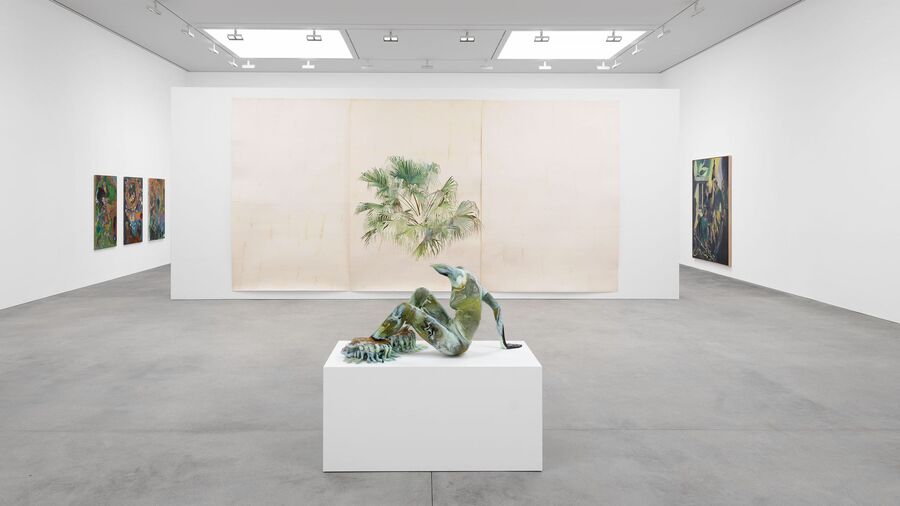
Installation view: «David Zwirner: 30 Years, ” 2024
The gallery showcases a wide range of artists, from emerging talents to internationally recognized stars. Currently, nine exhibitions—including one online show—are running in Zwirner galleries worldwide. The gallery features leading artists working across diverse techniques and styles, utilizing various materials and exploring a broad spectrum of themes. What unites them all is innovation, a drive for experimentation, and uniqueness.
Participation in art fairs is a crucial aspect of any major gallery’s activity. Such fairs provide collectors with the opportunity to discover new artists and acquire their work, while galleries can forge new connections with clients and the media, reach a new audience, and sell artwork. David Zwirner Gallery regularly participates in major fairs such as Art Basel, TEFAF, and Frieze. Art fairs serve as an indicator of emerging global art trends, and the galleries that participate help shape those trends.
David Zwirner was the first in the art market to actively use the internet as a platform for hosting online exhibitions.
Screenshot from the David Zwirner gallery’s YouTube channel, taken from a video interview with curators Helen Molsworth, Lynn Zelenowski, and Christopher Bedford about Yayoi Kusama.
Most galleries began promoting their projects online only during the 2020 lockdown. By that time, the Zwirner Gallery already had three years of experience in the online sphere and significantly outpaced its competitors. Furthermore, the Zwirner Galleries platform featured the «Dialogues» podcast, where figures from the art world discuss new trends, exhibitions, events, and other art-related topics. In 2014, David Zwirner’s publishing house was founded, focusing on publishing catalogs, monographs, illustrated books, and other art-related publications. The catalog offerings include both fully illustrated albums and books on art history, essays, and children’s literature. The bookstore operates both online and in a physical location. The publishing house, much like the gallery, participates in major events and holds considerable influence in the book market.
In this study, I aim to conduct an in-depth analysis of David Zwirner Gallery’s phenomenon, understanding the key aspects of its success and its influence on the contemporary art market. The research will detail the gallery’s historical trajectory, its structure, and the diversity of its collection. Furthermore, I will analyze the gallery’s activities—including organizing exhibitions, participating in international art fairs, publishing books, and utilizing modern technologies for art promotion, such as podcasts and online platforms. My goal is to define the operational strategy of leading galleries and understand the key factors behind their success and impeccable reputation within the art community.
HISTORY
David Zwirner was born in Cologne in 1964 into the family of Rudolf Zwirner, a prominent art expert, and a co-founder of the Art Cologne art fair. However, the future gallerist did not begin his journey into the art world with painting, but rather with music, which he studied while attending New York University. Later, David Zwirner shifted his focus to the art market and began building his own collection. This collection included works by the creative duo Bernd and Hilla Becher, Hanne Darboven, and Dan Graham. In the United States, David began collaborating with art dealer Brooke Alexander. His first engagement was a solo exhibition by Franz West, an Austrian sculptor.
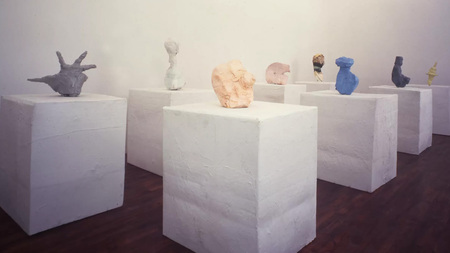

Left: Photograph from Franz Wester’s first exhibition at the Zwirner Gallery, 1993 Right: David Zwirner with Jason Rhodes at the artist’s first solo exhibition in the Zwirner Gallery
STRUCTURE
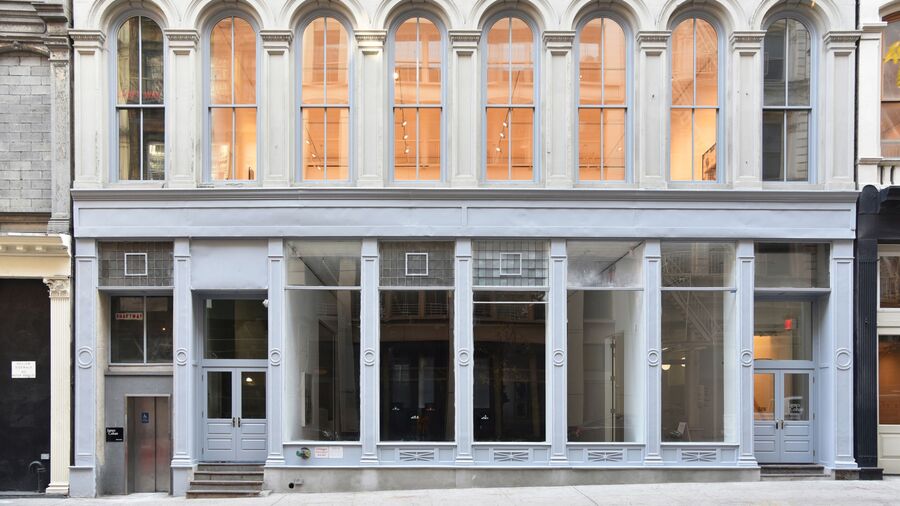
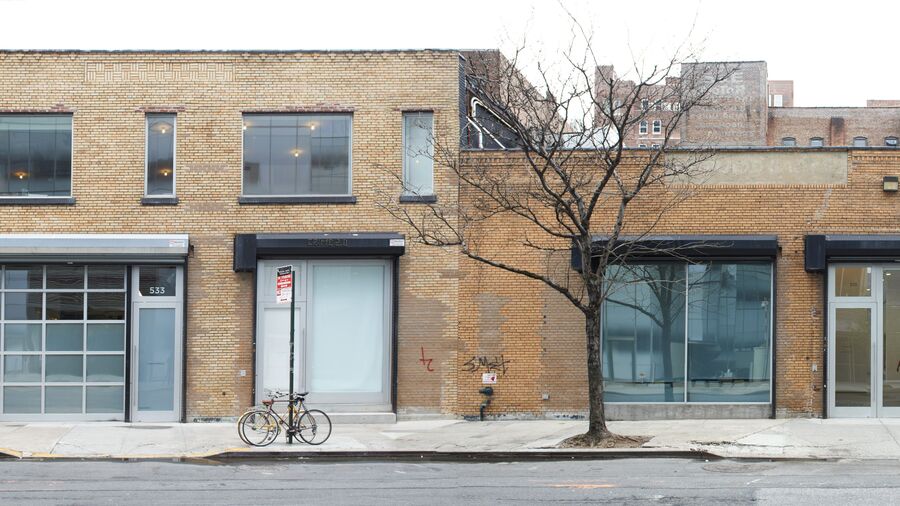
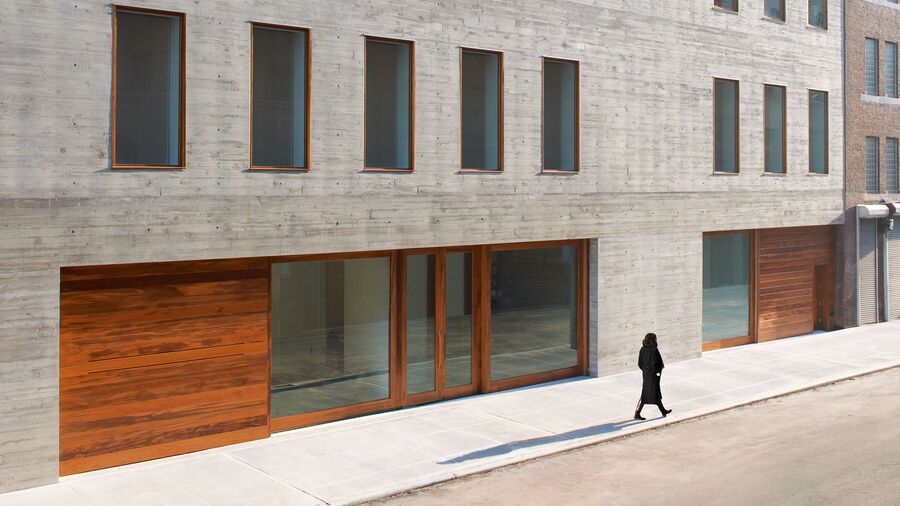
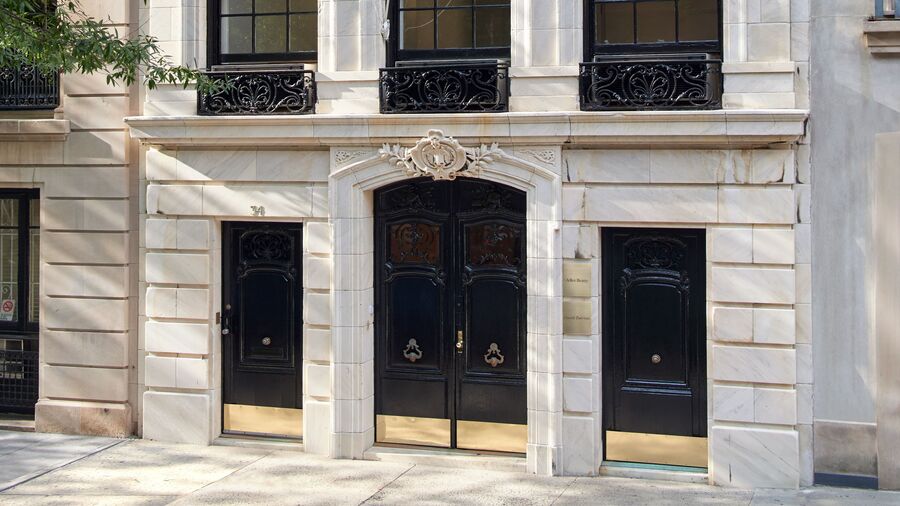
David Zwirner Galleries in New York
In 1993, Zwirner opened its first gallery in the Soho district of New York City. The gallery exhibited art from around the world. In the 2000s, Zwirner opened several gallery branches in New York, and in 2012, it expanded internationally by opening a presence in London. A branch opened in Paris in 2019. The most recent expansion has been entry into the Asian market with the opening of Zwirner Gallery in Hong Kong.
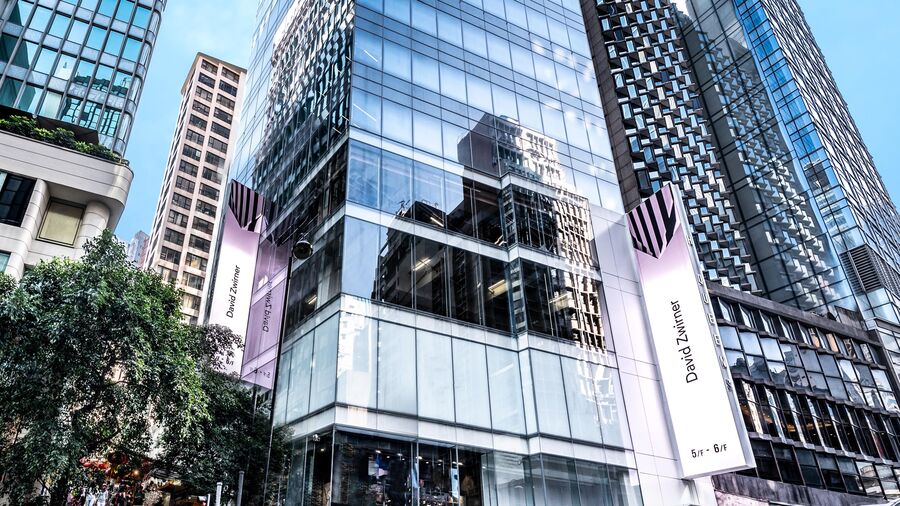
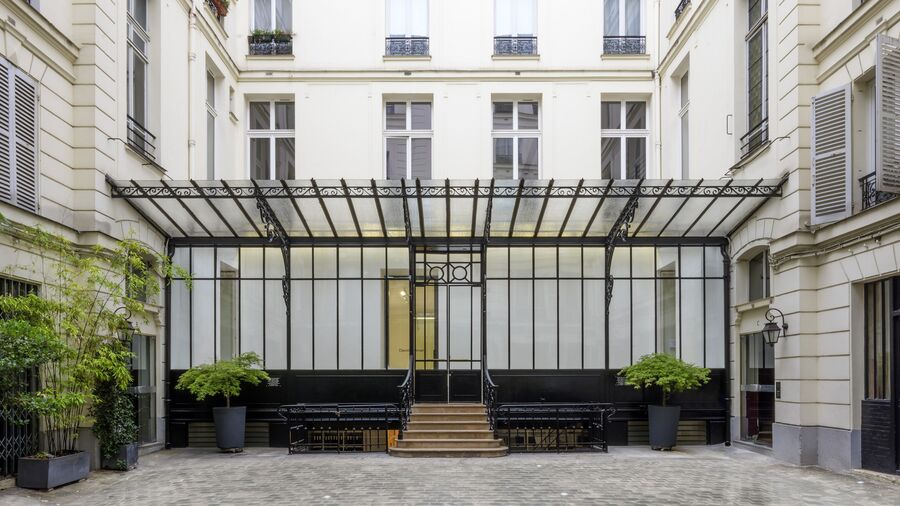
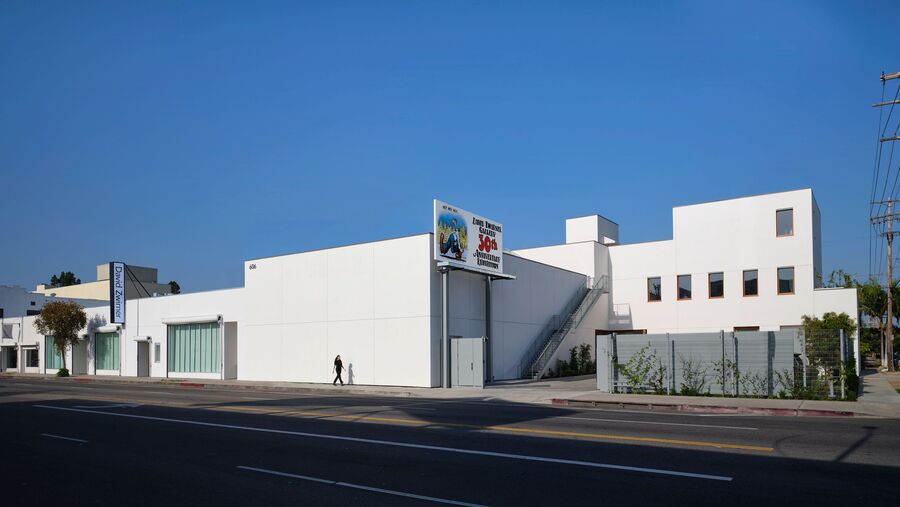
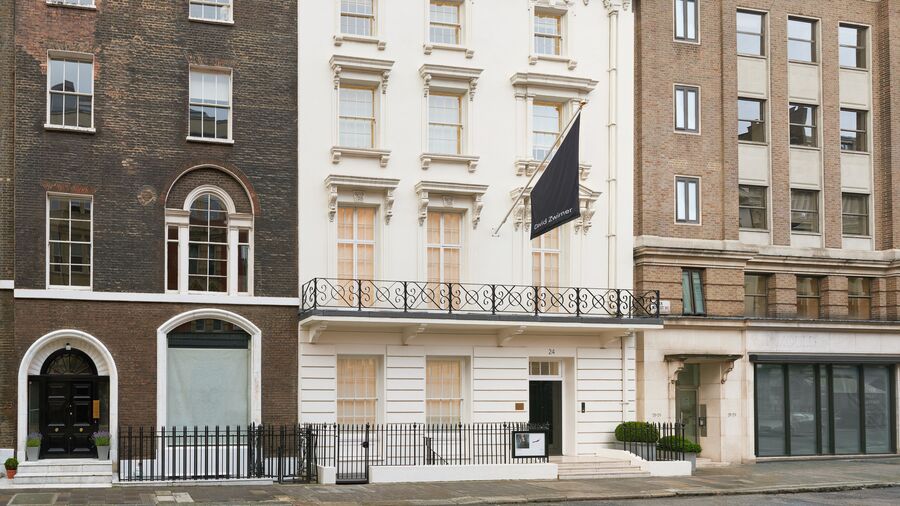
David Zwirner galleries in Paris, Los Angeles, London, and Hong Kong
COLLECTION
Yayoi Kusama’s work sits at the intersection of two art movements—Pop Art and Minimalism—allowing her to forge a distinctive personal style. She works across various mediums, including sculpture, graphic art, installation, and video art. She has collaborated with David Zwirner since 2013, during which time six solo exhibitions of Yayoi Kusama have been held at the gallery. The artist’s pieces are highly valued in the contemporary art market.
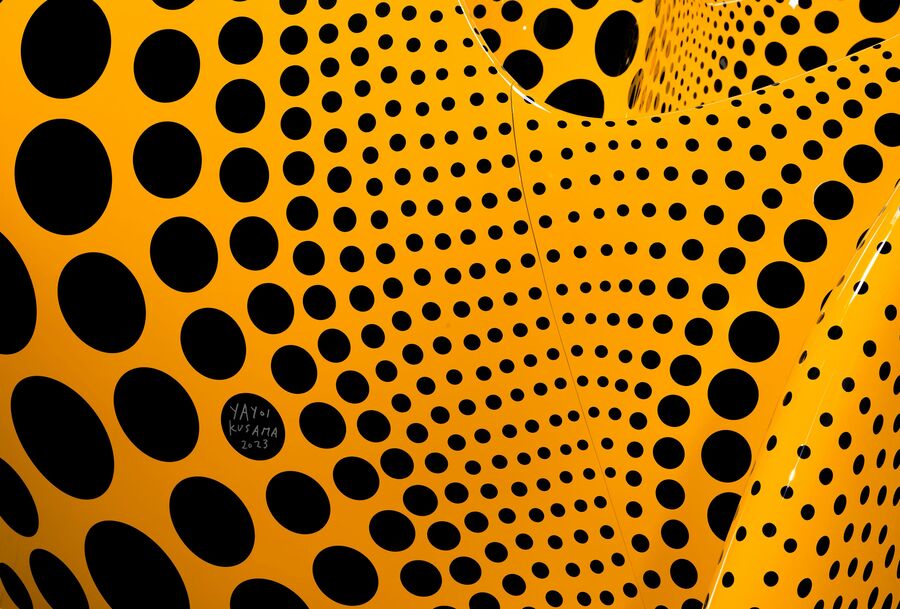
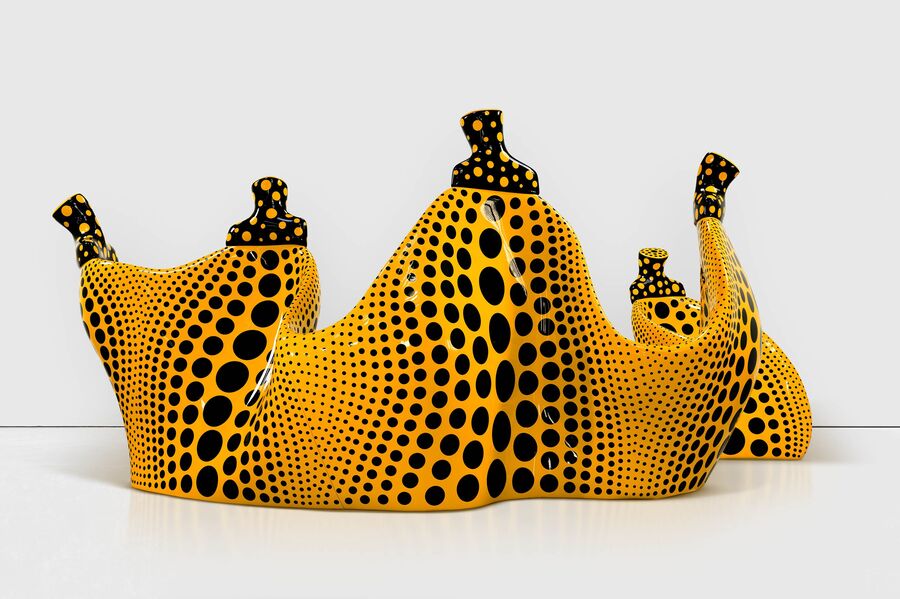
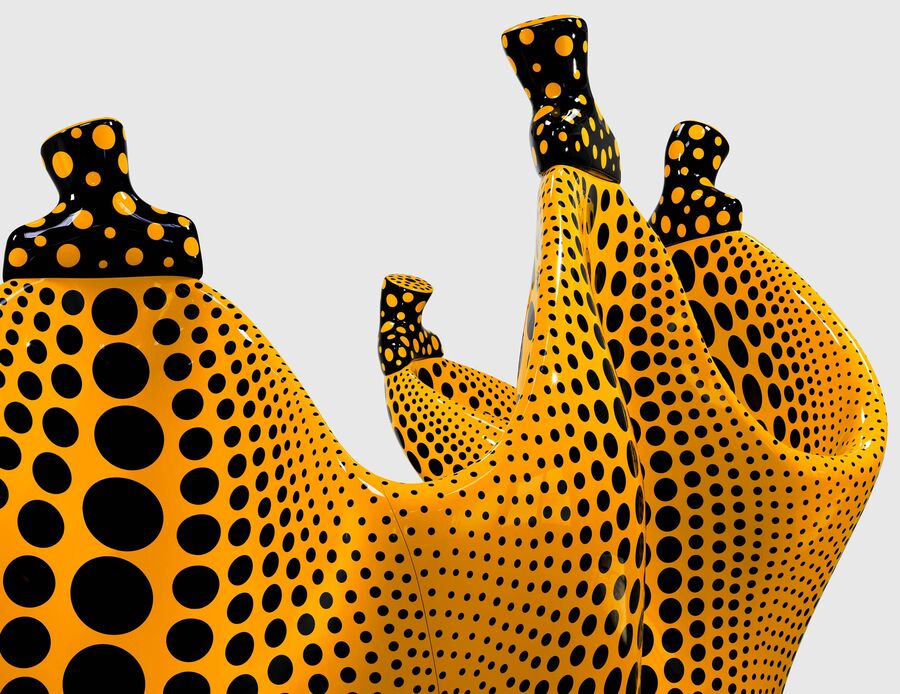
Yayoi Kusama, «Striving for Love of Pumpkin, Love in My Heart, ” 2023
Yayoi Kusama Exhibition at David Zwirner Gallery: «The Celebration of Life, ” 2017
Barbara Krueger’s artistic practice explores social themes, gender inequality, women’s rights, and politics. She works across diverse mediums, creating vivid installations, architectural design, canvas graphics, and collages. A distinctive feature of her work is the white text set against a red background, through which she speaks directly to the viewer. Krueger’s pieces are exhibited in major contemporary art museums and galleries, including the David Zwirner Gallery.
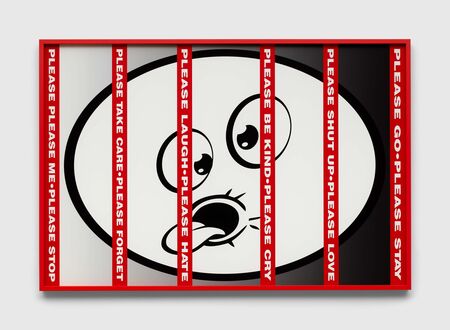
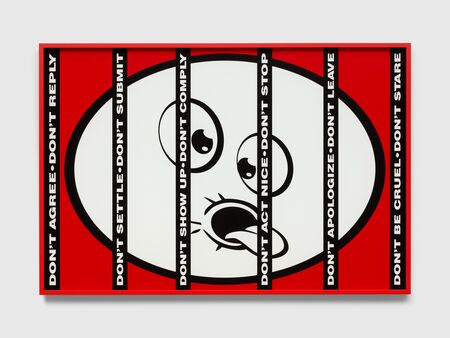
Barbara Krueger, Untitled, 2023
Barbara Kruger, Untitled, 2011
Isa Gentzen creates provocative objects and installations from various materials, seeking new expressive possibilities in painting and sculpture. Currently, her works employing collage techniques—combining the most unexpected materials with paint, photographs, and paper—are on display at the Zwirner Gallery.
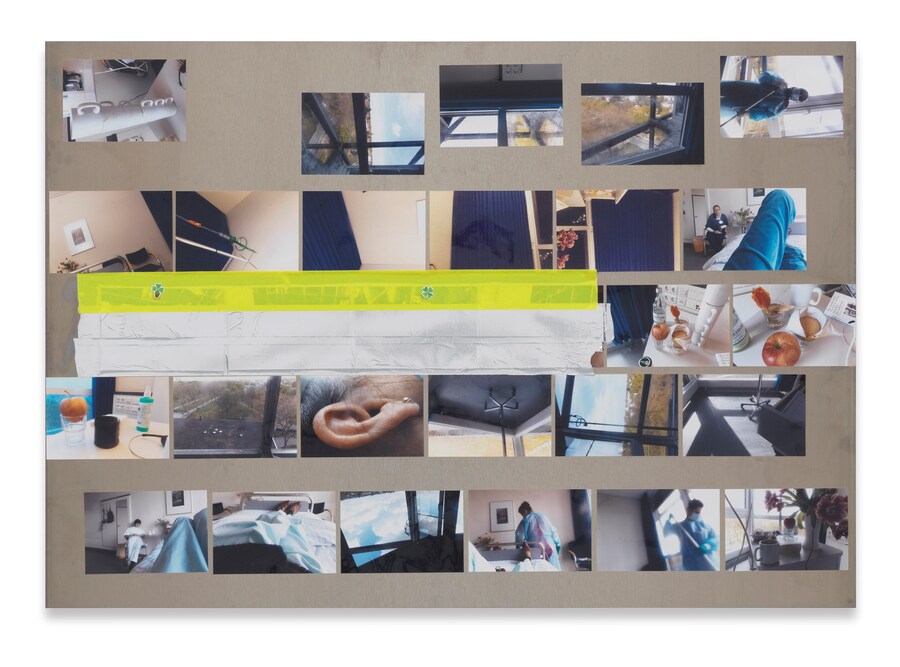
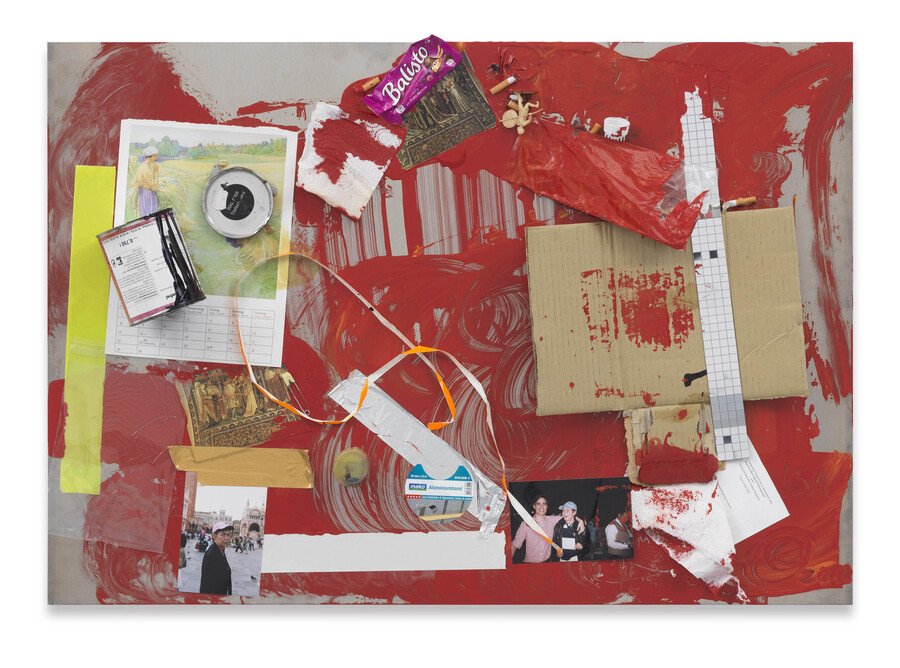
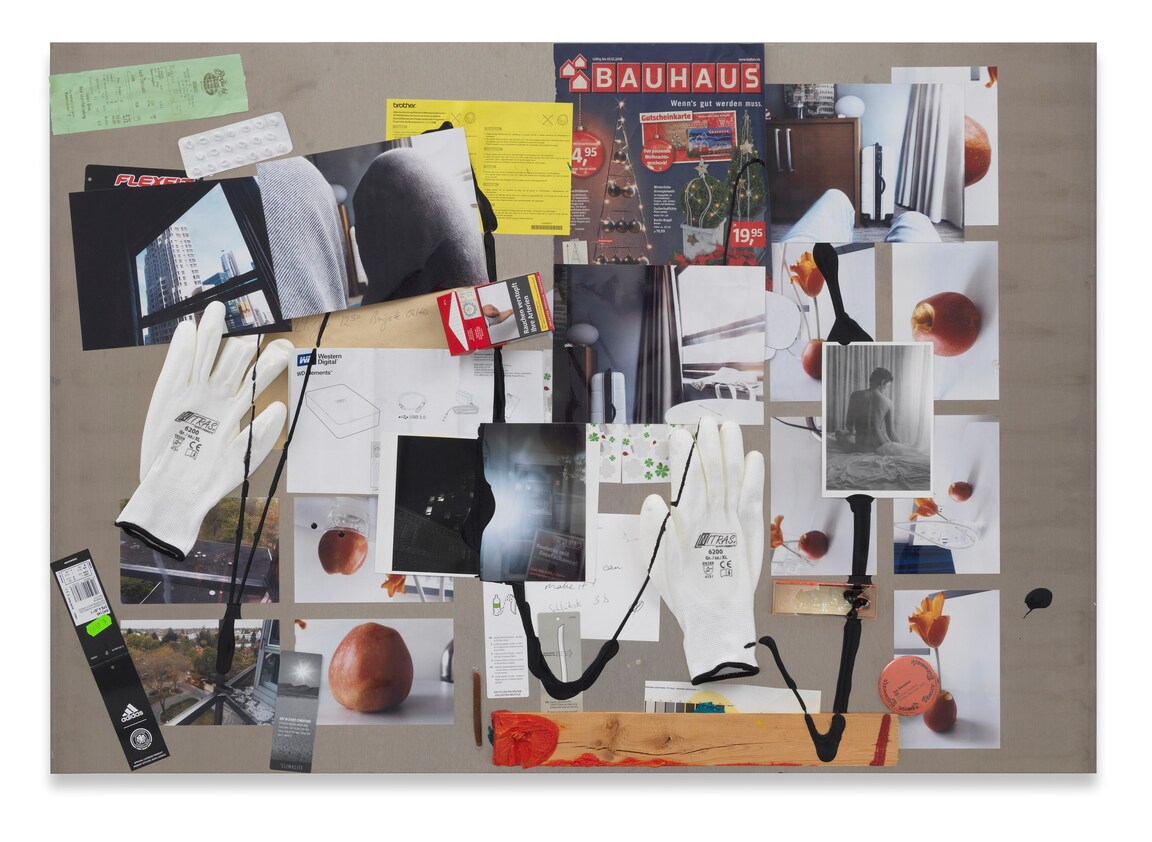
Isa Gentsken, Untitled, 2018
Isa Gencken, Untitled, 2018