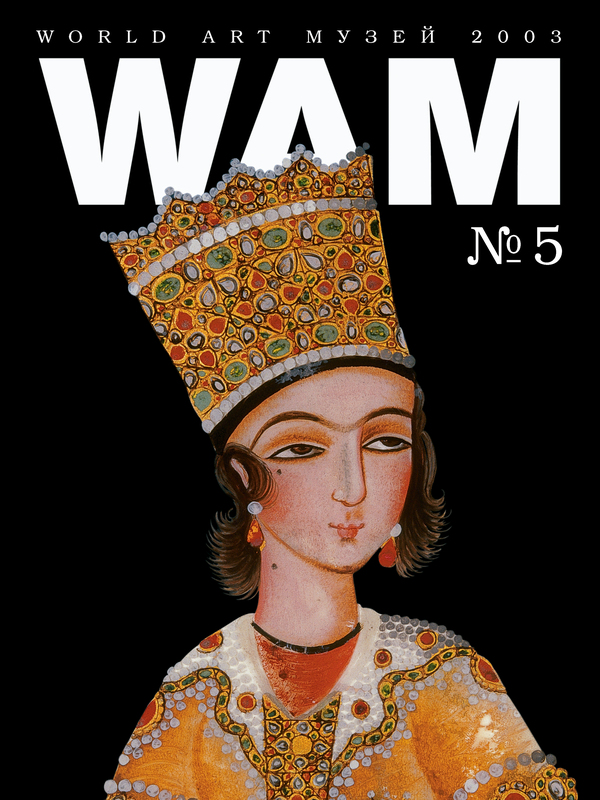
The fifth issue of WAM magazine was published in 2003. The issue contains 144 pages. The fifth issue of WAM magazine was prepared in collaboration with the State Museum of the East for the museum’s 85th anniversary. It opens with an editorial message, «From the Editors, ” by Editor-in-Chief Egor Larichev. The issue also features an article, „Russia: East and West, ” written by the Director of the State Museum of the East, Vladimir Nabatchikov.
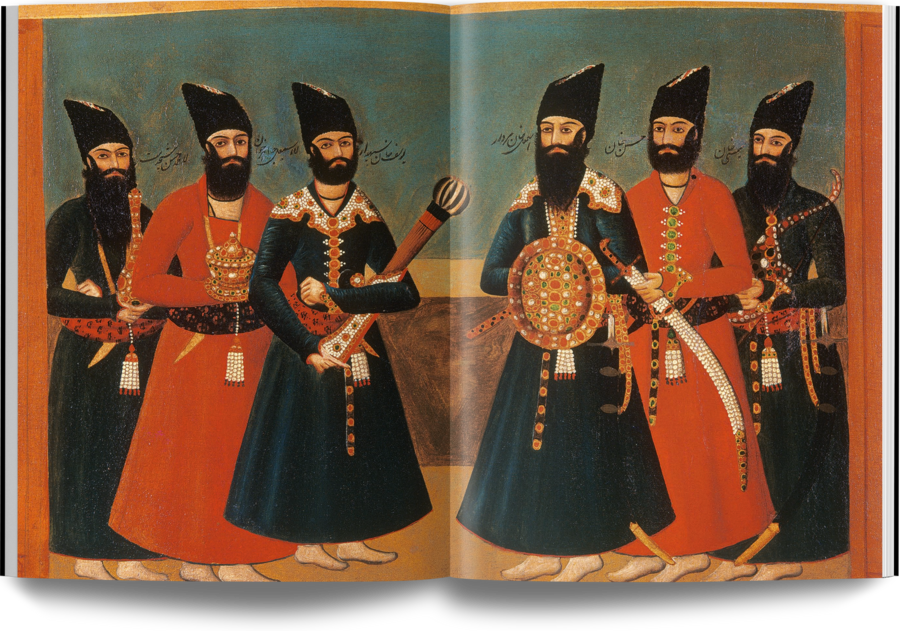
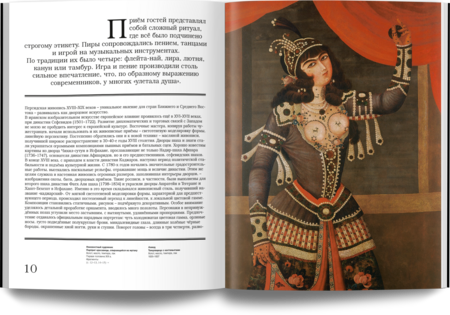
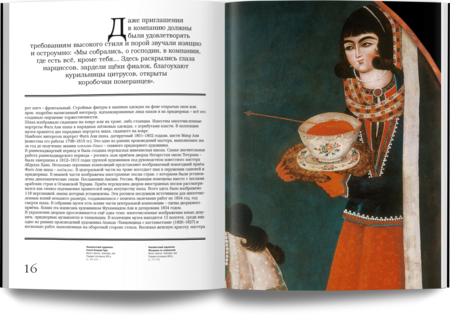
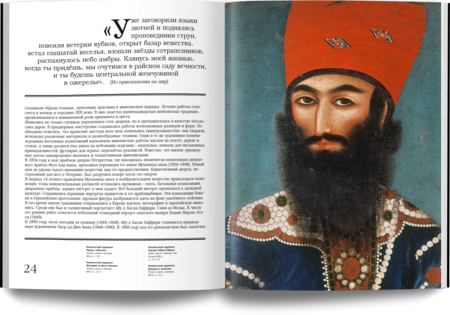
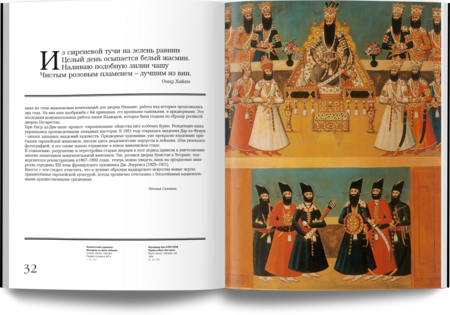
Natalia Sazonova’s article, «Majlises and Feasts: Painting of the Qajar Dynasty, ” focuses on one of the Museum of the Orient’s finest collections—a collection of oil paintings from the period of the Qajar Dynasty (1795–1925). The author examines this chapter in the history of Persian art through a historical retrospective, noting the undeniable influence of European art on court painters, while asserting that in the finest examples of Qajar art, the features introduced by European culture merged organically with national artistic traditions.

In the article «A Hundred Treasures: Encyclopedia of the Qing Period» by Lidiya Shmotikova, the folding screen—a piece of interior decor from old China—is examined. Using an example of a 19th-century screen housed in the Museum of the Orient, the author illustrates that the screen served numerous functions. Based on the relief carvings decorating the exhibit, the author notes that in addition to its functional and aesthetic roles, the screen also held philosophical significance, and today it stands as a visible embodiment of the multifaceted encyclopedic nature of Chinese culture.
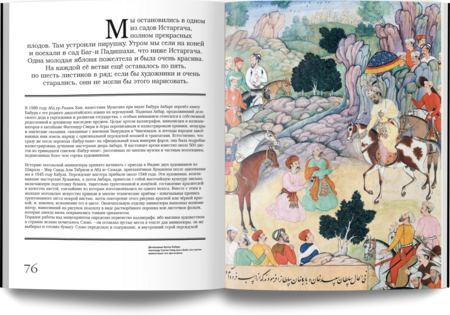
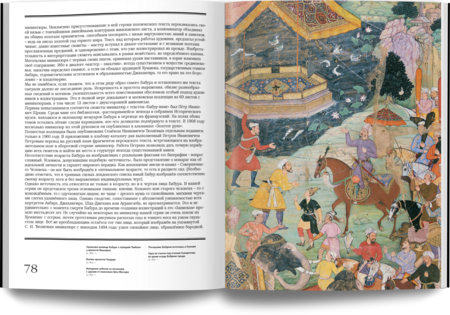
Irina Sheptunova’s article, «Babur-name: Early Mongol Miniature, ” is dedicated to the book of the founder of the Baburids dynasty, the Fergana ruler Zahiruddin Muhammad Babur—the „Babur-name, ” which he compiled after conquering North India. The author notes the literary, historical, and many other merits of these writings, but what she finds almost more significant is the ethical meaning of the narrative, which is defined by the character of its creator. Considerable attention is given to the miniatures created for the translation of the „Babur-name“ into Persian, completed in the late sixteenth century. The article is illustrated with reproductions of these miniatures.
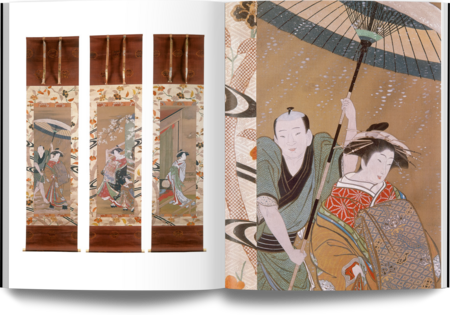
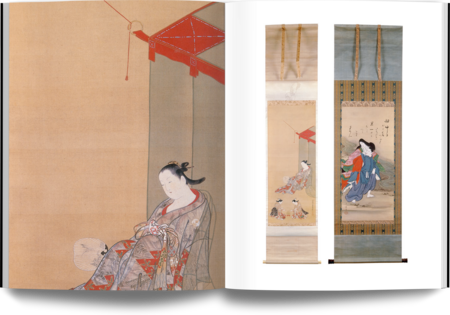
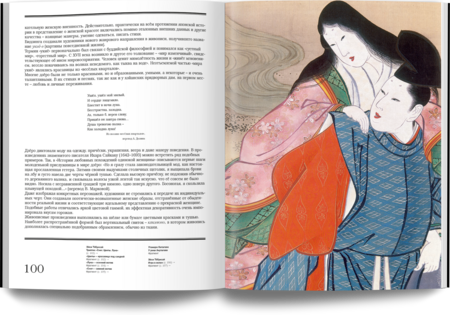
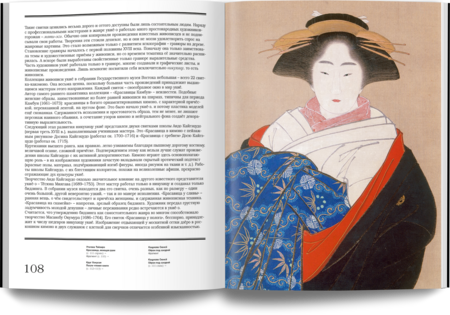
Galina Shishkina’s article, «Nikumitsu Ukiyo: Edo Period Japanese Beauties,» is dedicated to the images of inhabitants of the «pleasure quarters» in ukiyo-e genre paintings from the State Museum of the East collection. While examining works by artists from different eras, the author focuses primarily on the pieces by Katsukawa Shunshō and Utamaro Kitagawa, who managed to push the conventional boundaries of the genre and create nuanced figures with psychological depth—a rarity in ukiyo-e.
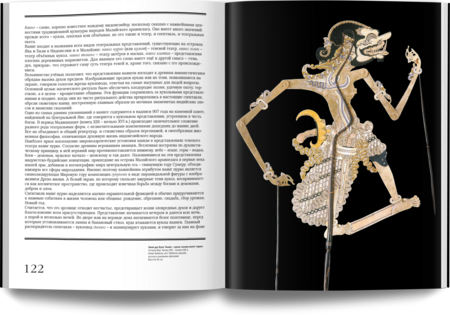
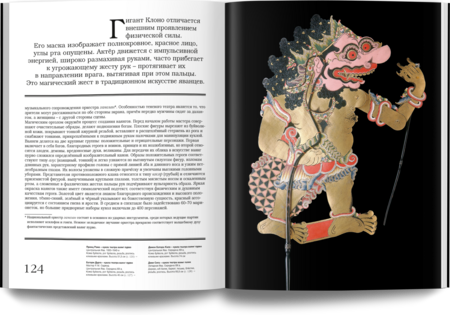
In the article «Revived Shadows of Ancestors: Theatrical Performances of Indonesia» by Natalia Gozheva and Galina Sorokina, the focus is on the ancient Indonesian art of puppetry—wayang. The authors investigate the history of this cultural phenomenon, which is largely imbued with magico-protective functions, drawing upon a collection of leather and wooden puppets, as well as wooden masks, housed in the Museum of the East.