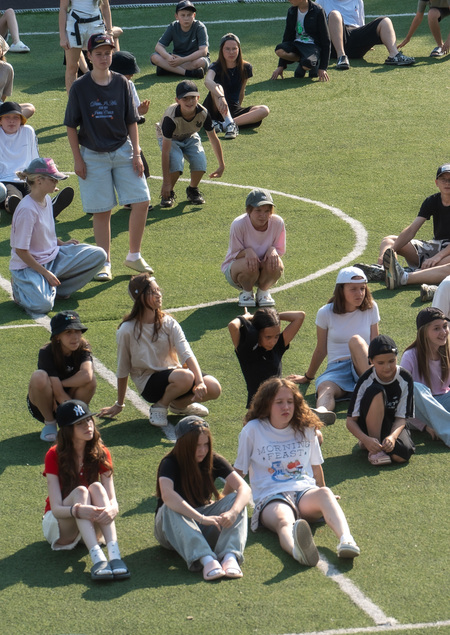
«What is Youth» is a site-specific theater laboratory for city residents, culminating in a participatory performance created on the soccer field within the «Yunost» stadium grounds.
Participants: 20 teens aged 11–15, local residents
Location: Yunost Stadium, Leninogorsk (Republic of Tatarstan)
Format: one-week lab followed by a final participatory performance-game.
The stadium in this project becomes simultaneously the site of action, a source of material, and a co-author of the performance. The project explores «Yunost» as a specific urban space and at the same time as a space of personal and collective memory. Through the stadium’s history, its daily life, and the memories participants associate with it, we speak about the city, its inhabitants, youth, significant events, and what connects us. By investigating the place, participants ultimately investigate themselves: their memories, feelings, relationship with the city, and what matters to them today.
PROJECT TEAM

The project was created in partnership with the Aulak Theatre.
CONCEPT
What memories does a place hold from a family photo archive? How does a passion connect to a sense of belonging to a community? If a stadium were no longer used for its intended purpose, what could be done there? Finally, what does youth mean to us, and how is it connected to the nature of play, the feeling of winning, and the feeling of losing?
The «Yunost» Stadium—a local gathering spot on the city map, a meeting place where the individual memories of residents intersect with the collective memory of the city. This investigation serves as a catalyst for a broader conversation about the city, its inhabitants, youth, growing up, memory, the sense of belonging to a place, the meaningful rituals of daily life, and interpersonal relationships. Through the metaphor of the stadium as a space for play, we address questions vital to the participants themselves: Who are we? What connects us? What do we want? What do we dream about? What concerns us? And how do we perceive the place we live in?At the heart of this project are the young residents of Leningorsk. Their personal experiences, memories, observations, and perceptions of the city become the artistic material for the laboratory. By examining the stadium, participants simultaneously engage with two levels of memory: the personal—that which is connected to their own experience—and the collective—the histories, events, and images that exist within the city’s shared memory.
METHOD
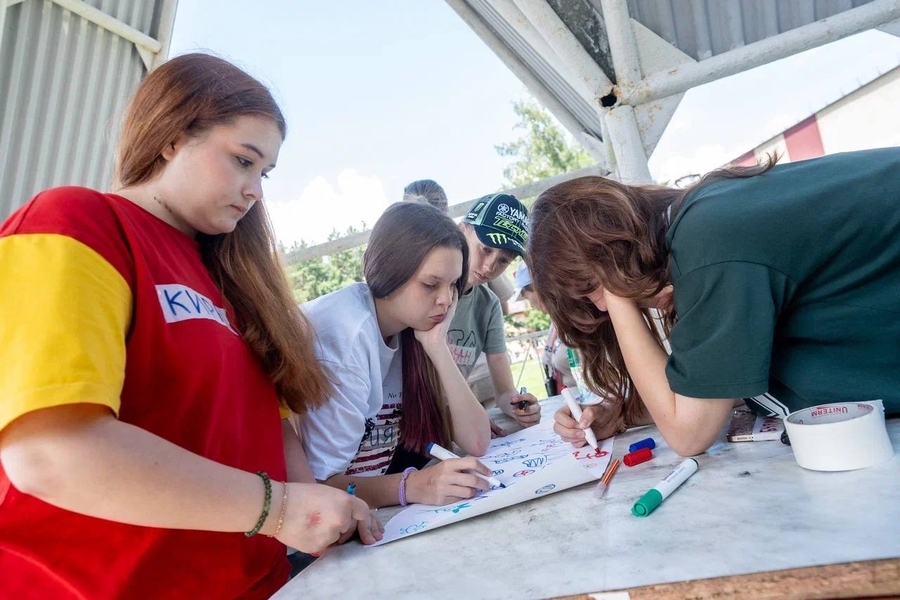
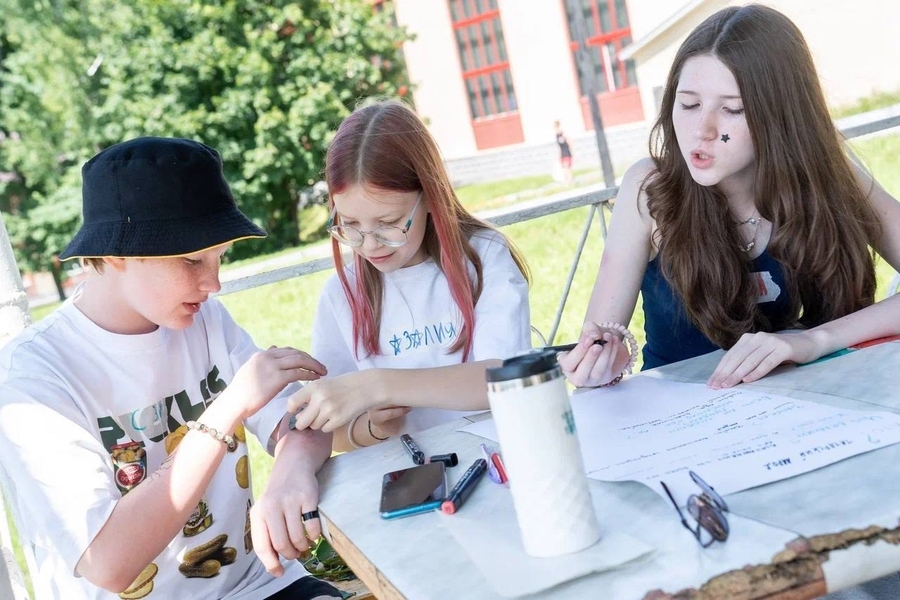
To study the stadium, its history, and the personal and collective memories associated with it, a comprehensive approach integrating artistic, research, and pedagogical practices was employed. The work utilized methods from documentary theater, including the verbatim technique for collecting and transmitting personal narratives, social choreography practices, exercises in investigating site-specific environments, engagement with the history of the place, performative practices, theatrical games, and art-therapy exercises.
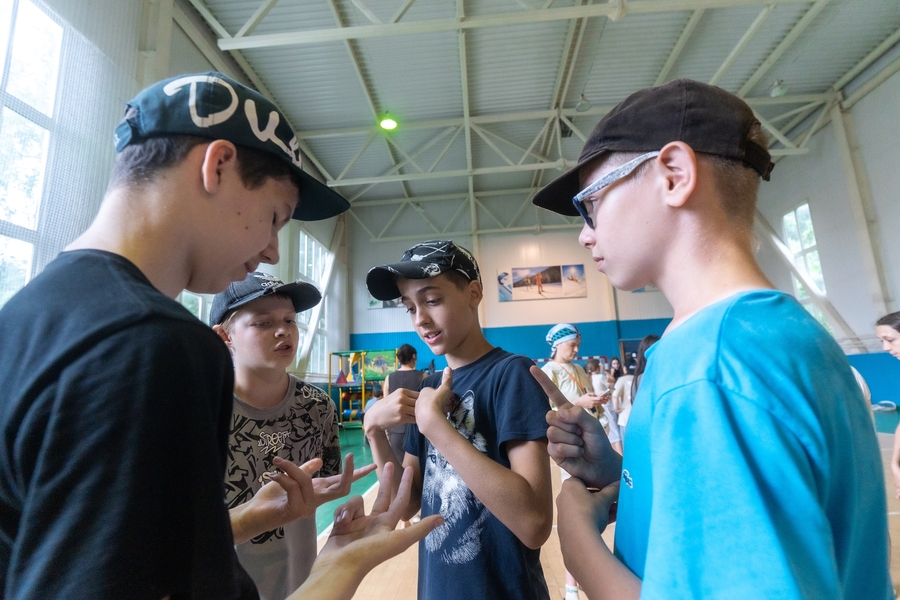
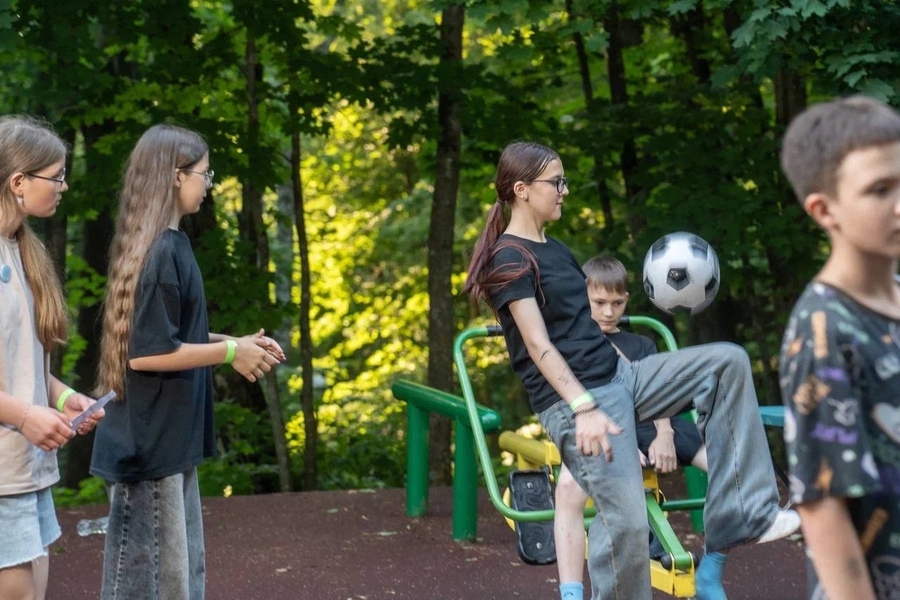
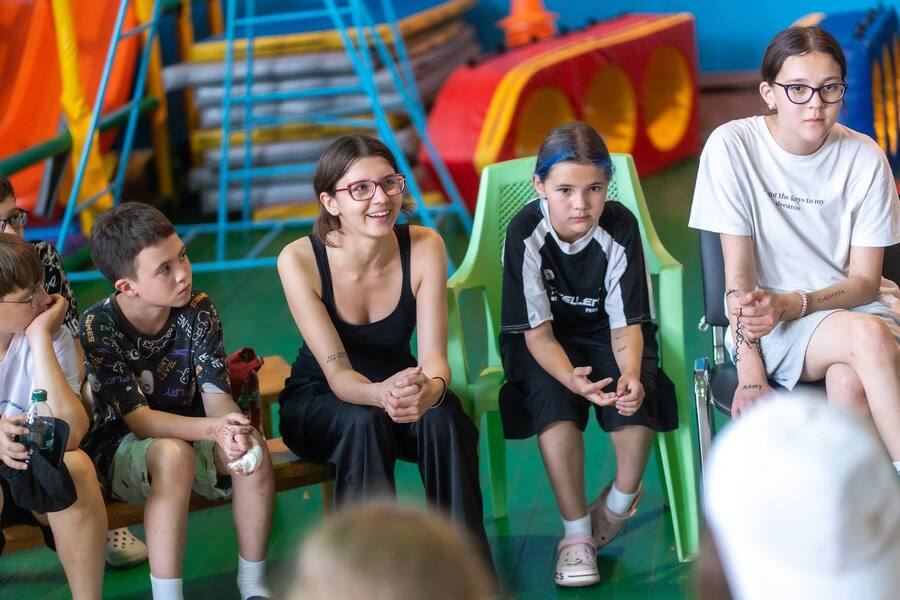
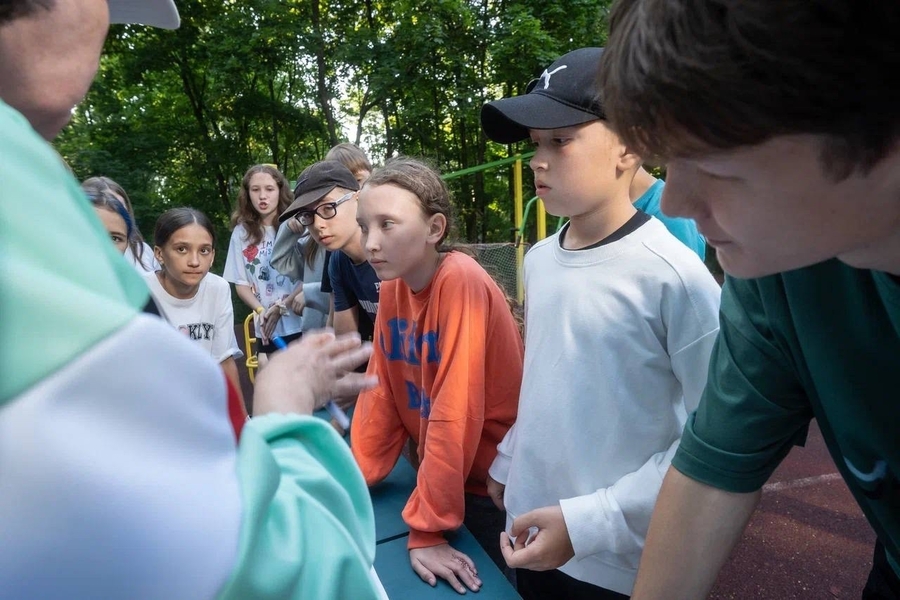
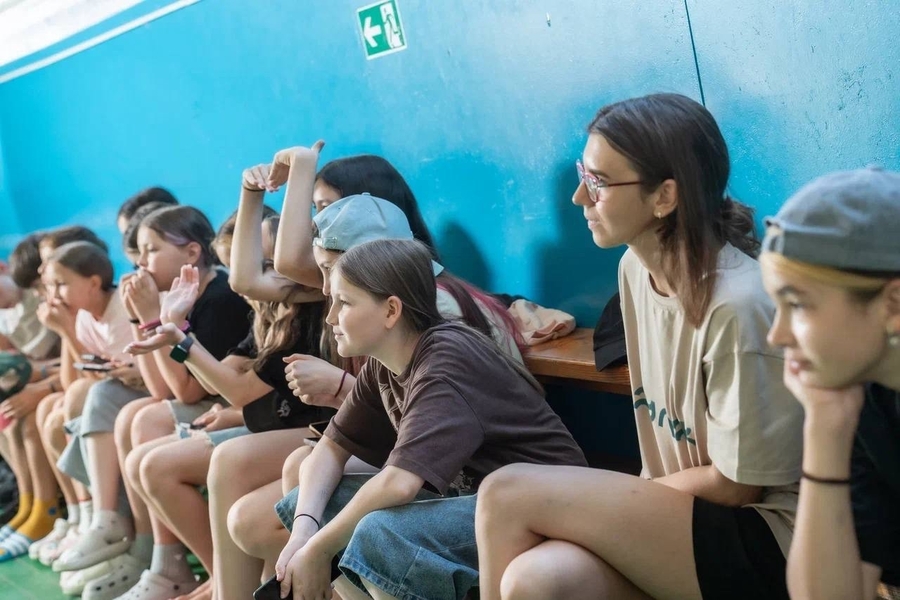
Participants explored the space of «Youth» through observation, referring to key past events of the stadium, reenacting them, creating and discussing mental maps of the city, searching for their meaningful and comfortable spots, and defining their own roles and modes of presence within the urban environment. The research process itself became a kind of game—a search for new rules, connections, and meanings that emerge between the person, the place, and other people.

FINAL SHOWCASE
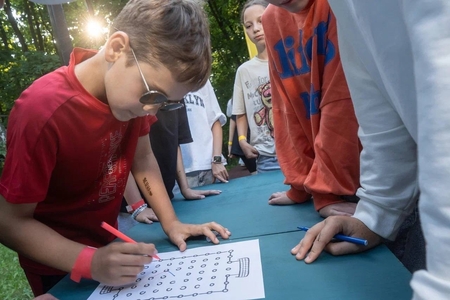
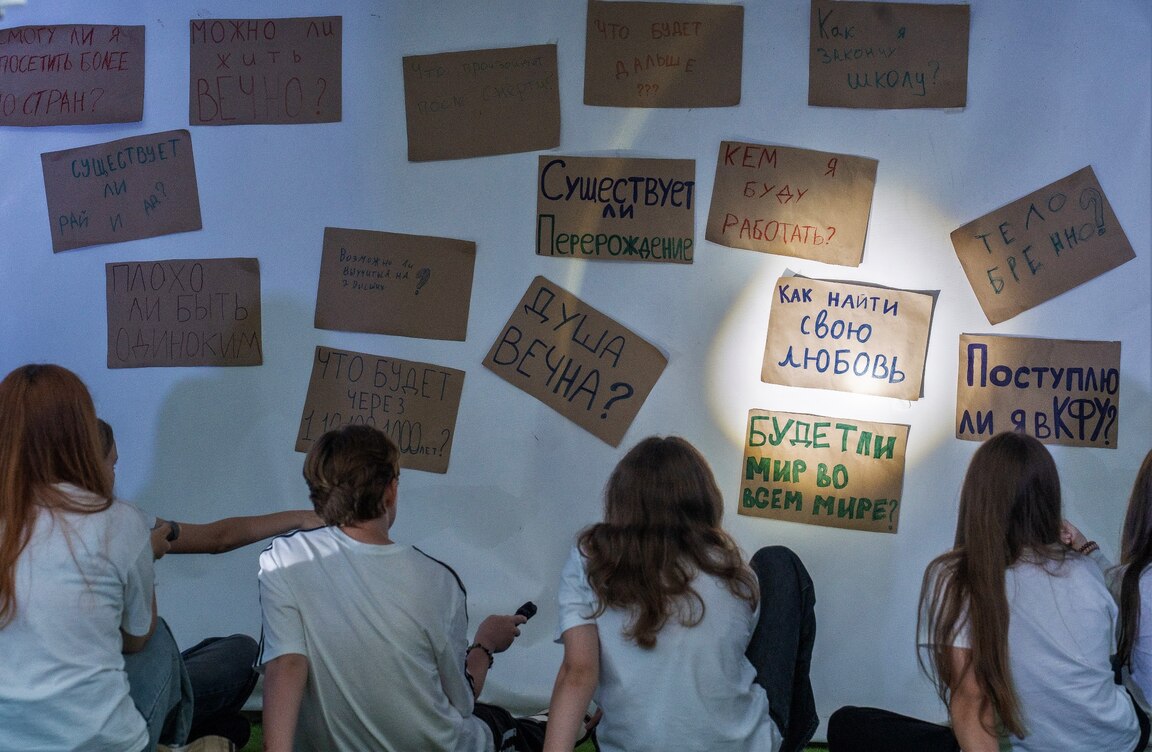
The laboratory culminated in a participatory performance-game presented on the stadium grounds. In the performance, participants invited their friends and teen audience members to join the game, «What is Youth?». The game was built upon facts and histories from the stadium’s past, personal stories from the laboratory participants, elements of social choreography, and performative instructions. The audience members became co-conspirators in the event—they were invited to move, interact, and vote with gestures to choose an answer to the question posed in the game’s title.The final showing became an act of collective reinterpretation and reappropriation of space: the personal histories of the participants met the history of the site, and the «Youth» stadium transformed from an object of urban infrastructure into a living space of memory, freedom, play, communication, horizontal interaction, involvement, and shared action.