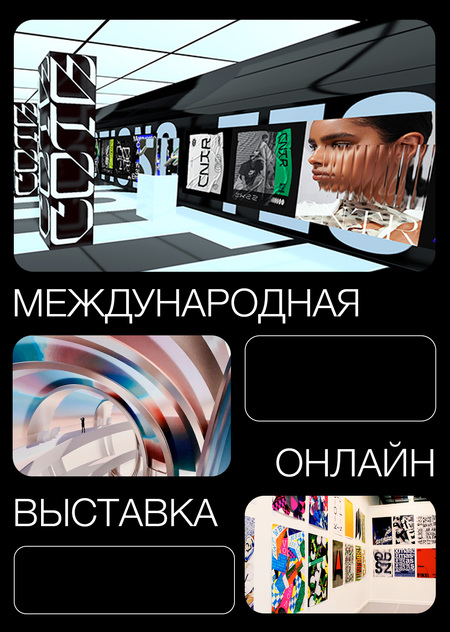

The theme of the project comprises three top-ups: digital space, art exhibitions, and difficult logistics. The need for such an event is due to three problems: 1. Many student competitions are permitted only for students at specific universities or in a particular country. 2. All right, all right, okay, okay, okay, okay, okay, okay, okay, okay, okay, okay, okay, okay, okay, okay, okay, okay, okay, okay, okay, okay, okay, okay, okay, okay, okay, okay, okay, okay, okay, okay, okay, okay, okay, okay, okay, okay, okay, okay, okay, okay, okay, okay, okay. The topic of decentralization, closed borders and emigration is very relevant. 3. Virtual art has become less needed in the last five years, but online access to art continues to provide more and more institutions.
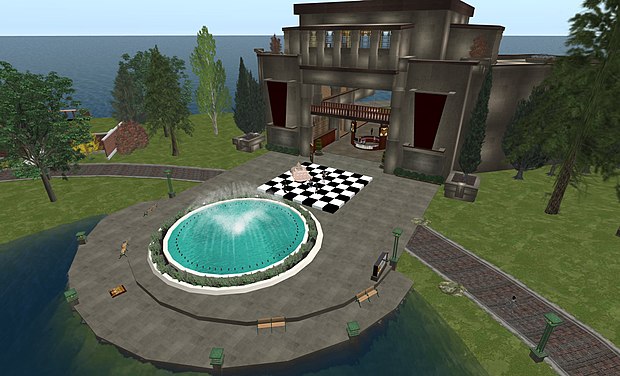
The Frank Lloyd Wright virtual museum in Second Life 2010
REMERCH
By the 2000s, the first virtual museums had appeared before 2000, before the Web environment became so popular among the art community. 1989-1993 The first virtual museum in the world was created by La société de conservation du présent. 1999 The Gugenheim Museum opens an experimental interactive museum not only to distribute the collection behind the edges, but also as a platform for cyber-art. The origins of virtual museums.
VOMA — The Virtual Online Museum of Art — Is a free and full immersive art experiment
Tallinna kunstihoone virtualnäitused
Eesti kunstihoone has a section of virtual exhibitions. It’s a separate online platform where posters are posted. Every poster leads to the real space where the exhibition takes place. Every exhibit can be approached. There’s information about both the exhibits and the exhibition itself. It’s not a graphical visualization, it’s a real image of the exhibition, which gives a real-time sense of visitation.
HSE ART GALLERY x IWAN HORCHK — 100 YEARS IN ISKUS
This exhibition is made on the KUNSTMATRIX platform. The platform provides an opportunity for artists and galleryers to create 3D exhibits and art tours virtually. KUNSTMATRIX is suitable not only for artists, but also for curators. You can use the proposed space model, you can create the space on your own. Images, sculptures, audio and video exhibits are suitable for display.
Brodsky 1.5 Room Museum
The digital project is in the walls of Brodsky’s real apartment. There’s video projects, and pictures and other different materials are projected on the walls. «The basic concept of half-rooms is to keep them empty.»
Multimedia art space
A group that rethinks the concept of a traditional museum and transforms classical art into a measure of digital space. Animated paintings of the world’s art are projected in the dark room, showing the so-called «old» art, accompanied by musical compositions.
Google Arts & Culture
Google Arts & Culture is an online platform with high-resolution images and videos of art and cultural artifacts from partner cultural organizations around the world managed by Google. By means of a virtual gallery tour, users can walk around the halls. Users can collect any number of images from partner organizations and retain certain types of art to create a personalized virtual exhibition.
National Museum of Women in the Arts
Rather, the interactive exhibition is a catalogue supplement to the real exhibition, allowing for a comfortable introduction to the exhibits presented. Many museums have an option that does not often extend to exhibitions.
Virtual art gallery
The gallery is open to reality and accessibility for all. This gallery is about a democratic world of art. The platform creates immersive ways to get to know art online. The platform proposes both to create its exhibition in 3D space and to visit other exhibitions created by the art community.
Golden Bee
It’s a global biennal of graphic design. Participants from different countries take part in the exhibition. This is a physical event, as participants send their posters. It is possible to print this format in any country and there is no need to physically bring the source. The important thing is to send the right file.
Border Art
The subject of closed borders has been on the art media for a long time. There are exhibitions and festivals that talk about the subject. The topic deals with many aspects: migration, culture, nationality, etc.
Conclusions
- The digital art site takes its place in the art market. Especially for modern art. 2. All right, all right, okay, okay, okay, okay, okay, okay, okay, okay, okay, okay, okay, okay, okay, okay, okay, okay, okay, okay, okay, okay, okay, okay, okay, okay, okay, okay, okay, okay, okay, okay, okay, okay, okay, okay, okay, okay, okay, okay, okay, okay, okay, okay, okay. The topic of decolonization, emigration and borders is popular today. 3. An online display in 3d format and/or a photographed exhibition space provides an expiriance related to a visit to a real exhibition. 4. All right, all right, okay, okay, okay, okay, okay, okay, okay, okay, okay, okay, okay, okay, okay, okay, okay, okay, okay, okay, okay, okay, okay, okay, okay, okay, okay, okay, okay, okay, okay, okay, okay, okay, okay, okay, okay, okay, okay, okay, okay, okay, okay, okay. Viewing the list of items presented at the exhibition is of a business nature that does not encourage the audience to reflexia.
A gallery of works in the form of a virtual space from Counter Design Studio
CONCEPT