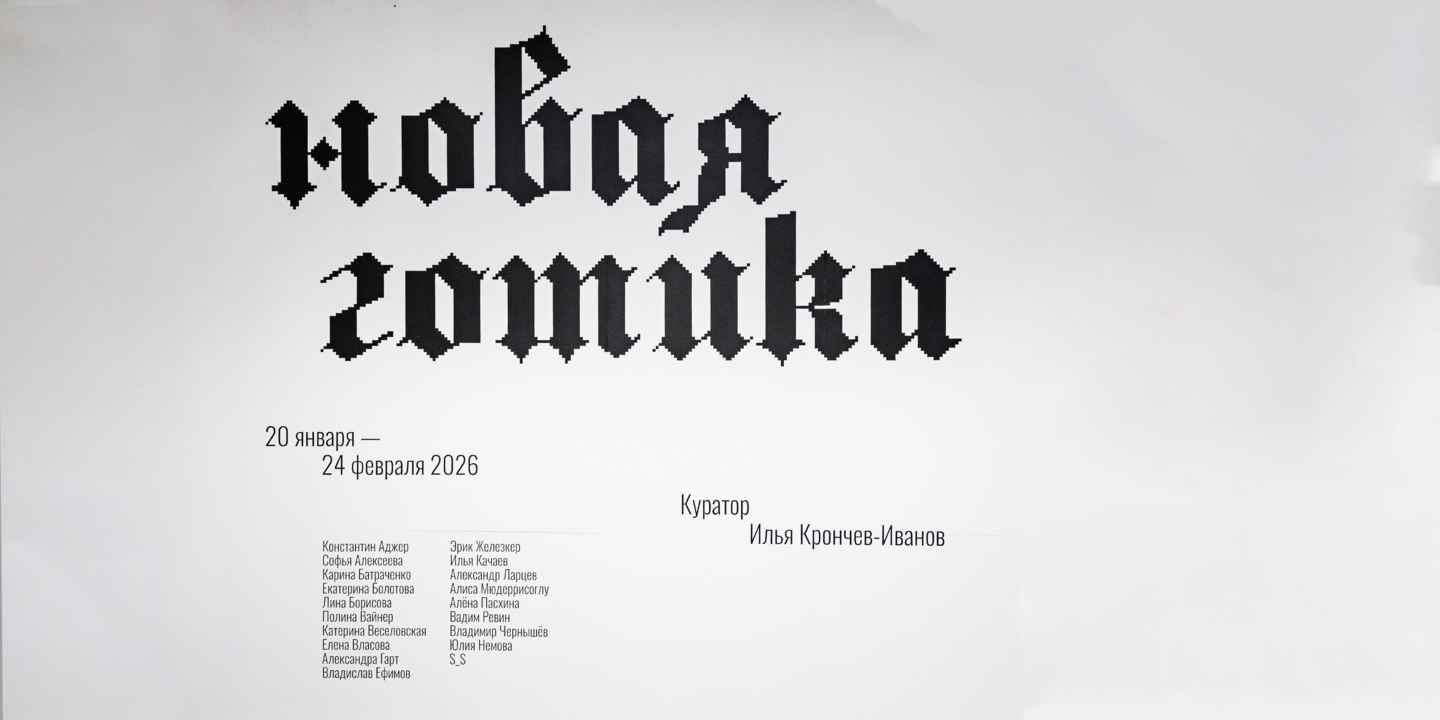
The project «Gothic» is conceived as a critical lens through which to examine the crises, anxieties, and uncertainties of contemporary experience. The focus is on Russian contemporary art of the 2020s and what cultural criticism increasingly terms the «dark twenties”—a time of rupture, fatigue, and loss of bearings. The exhibition features work by 18 artists—students, alumni, and faculty of the HSE Art and Design School—as well as invited authors who consistently engage with dark and gothic sensibilities.
In 1997, the exhibition Gothic, curated by Christoph Grünenberg, took place at the Museum of Modern Art in Boston—one of the first projects to explore the role of Gothic within contemporary visual culture. This exhibition ignited a discussion that ultimately led to the concept of «New Gothic» or «Neo-Gothic.»
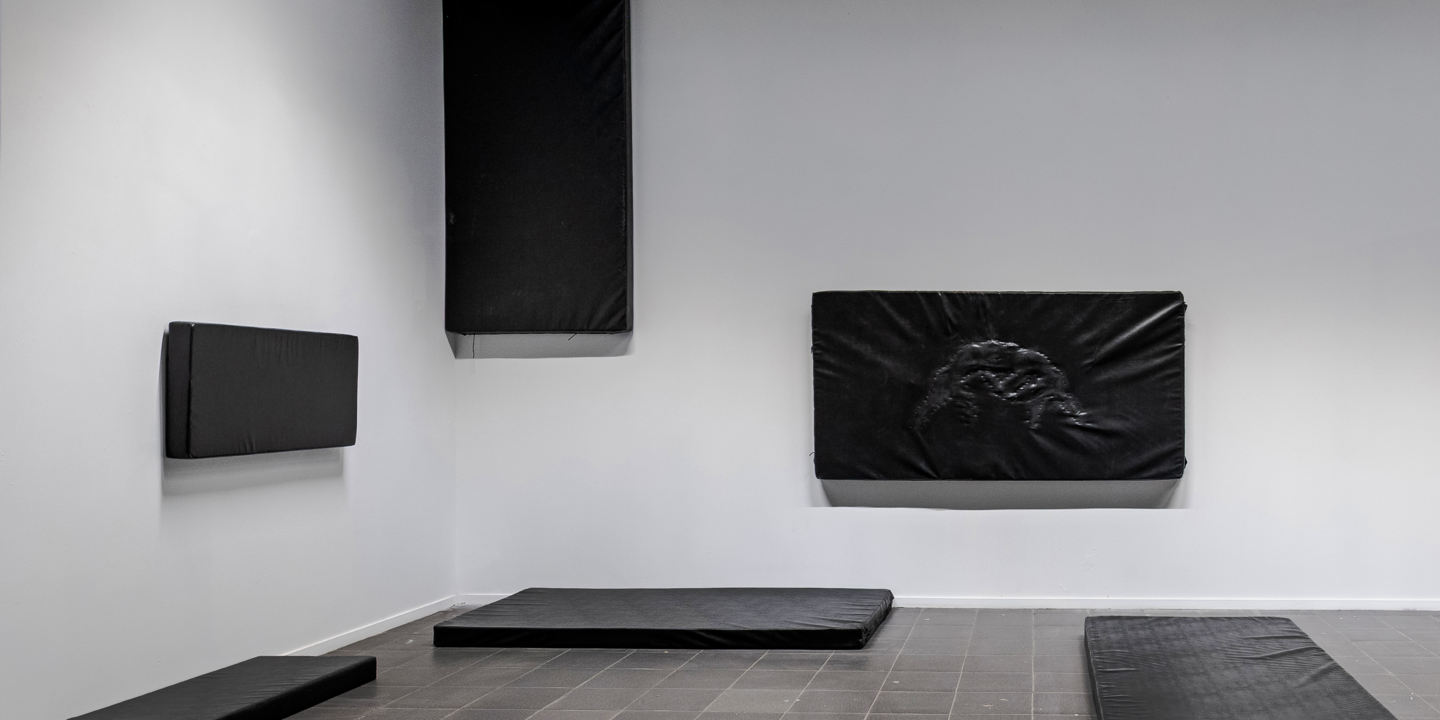
Polina Vainer, PASSIVE/AGGRESSIVE, 2025
Polina Vainer, PASSIVE/AGGRESSIVE, 2025
In the accompanying text, Grunenberg emphasizes that Gothic in contemporary art arises not as a stylistic quotation or a revival of a historical genre, but as a distinct mode of sensibility and thought.
Alexander Lartsev, Textual Performance, 2023
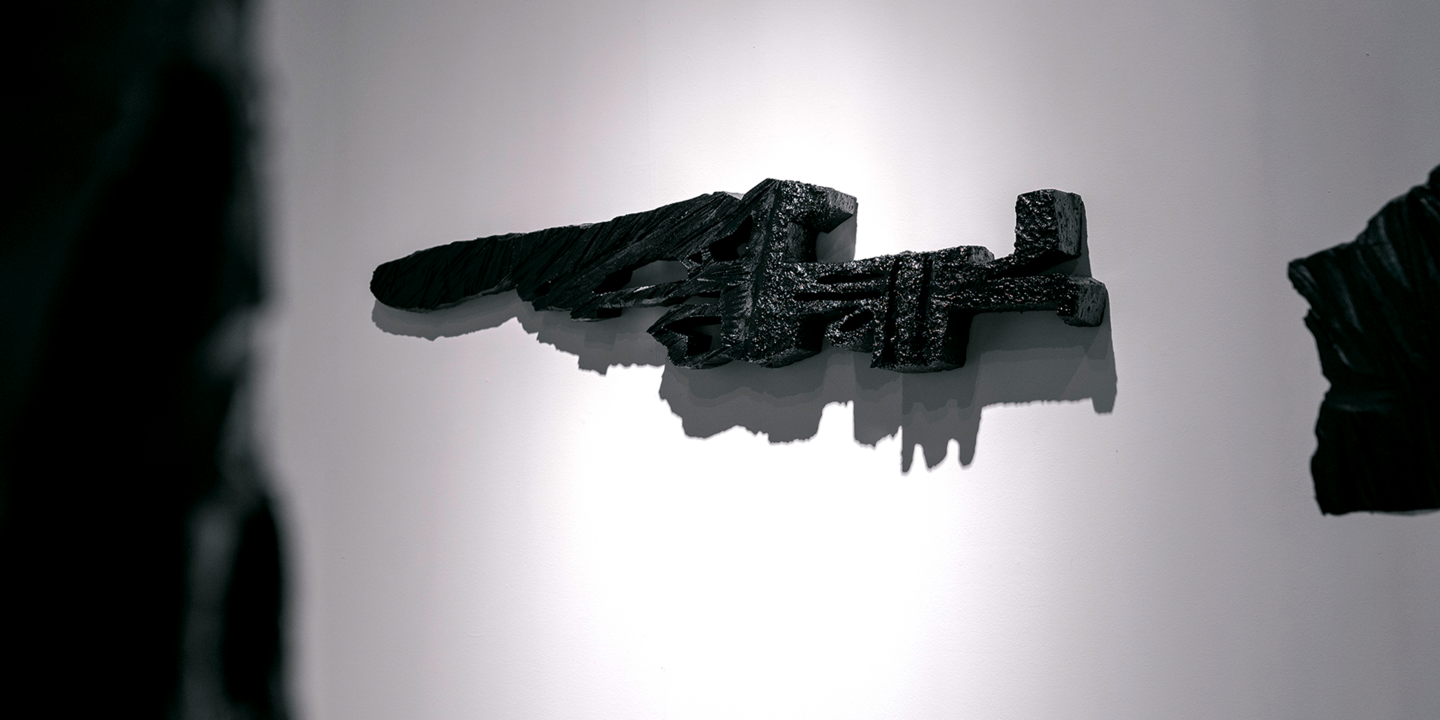
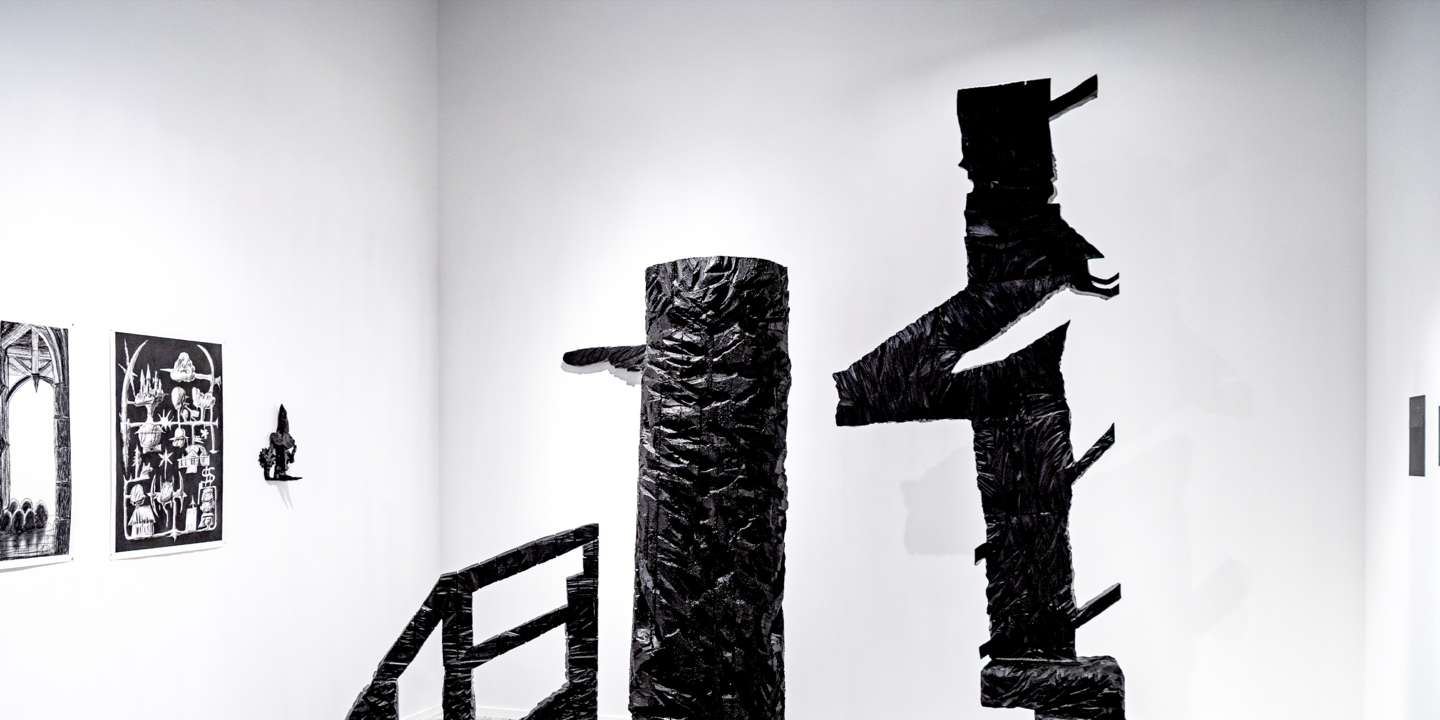
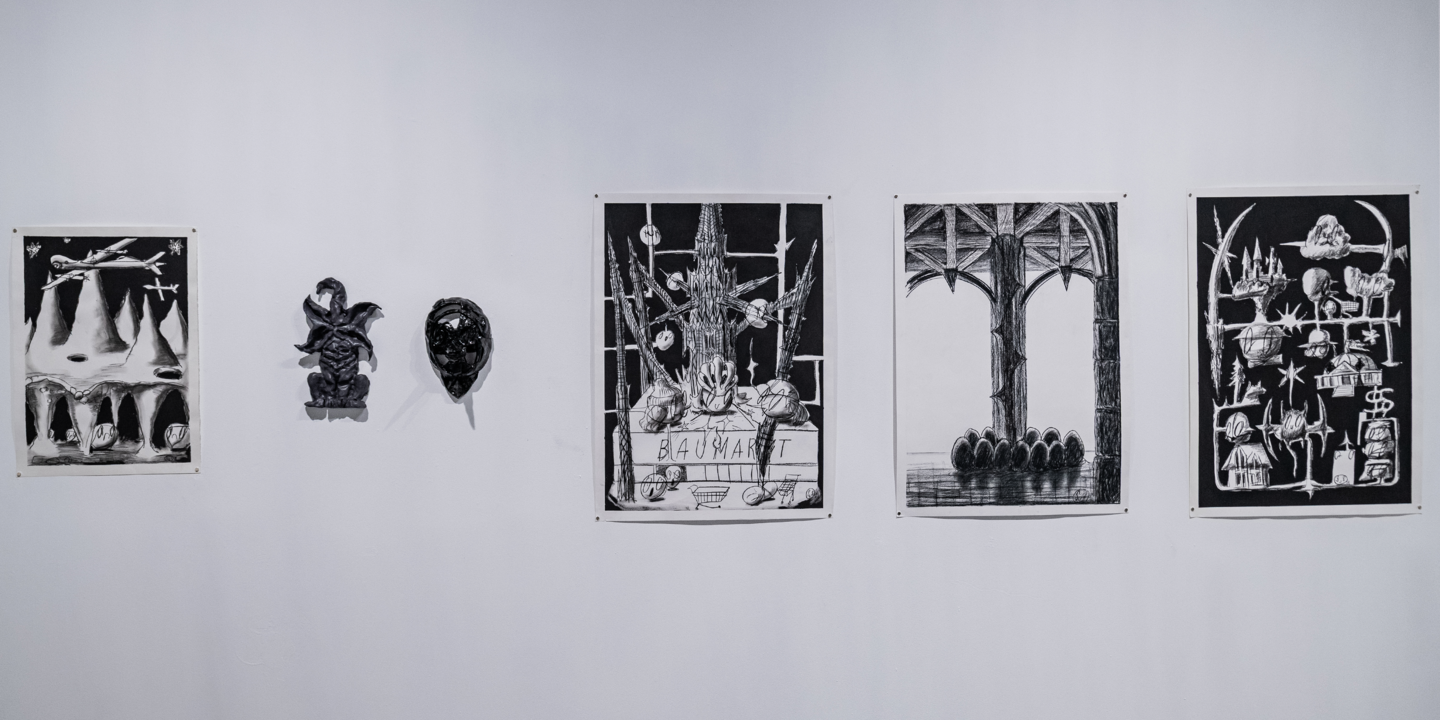
«New Gothic» is a concept proposed by Western curators at the turn of the 20th and 21st centuries to designate a specific type of contemporary art and visual culture, primarily linked to a distinct form of «dark» sensibility. In a broad sense, this term applies to works focused on themes of horror, affect, death, and the fragmented body. Its origins trace back to Gothic literature of the late 18th and 19th centuries, evolving at the intersection of medievalism, romanticism, science fiction, Victorian aesthetics, and punk-derived Goth subcultures.
It «sprouts from the soil of excessive imagination, ” giving birth to images of anxiety, horror, disgust, and fragmented corporeality, and it addresses forms of subjective experience that transcend social norms. In doing so, the gothic reveals the fragility of the boundaries between good and evil, normalcy and madness, aesthetic pleasure and visual aggression, functioning as a critical lens aimed at the repressed and the unacceptable—that which culture strives to smooth over, neutralize, or conceal.
The project is tied to the release of a new issue of the ART publishing project, which focuses on historical Gothic design. The exhibition features a capsule where visitors can view the printed version of the publication, as well as exclusive posters included in the issue set, created using the print-on-demand service. A special price will be available for all exhibition guests to purchase the issue after viewing the display and learning about the publication.
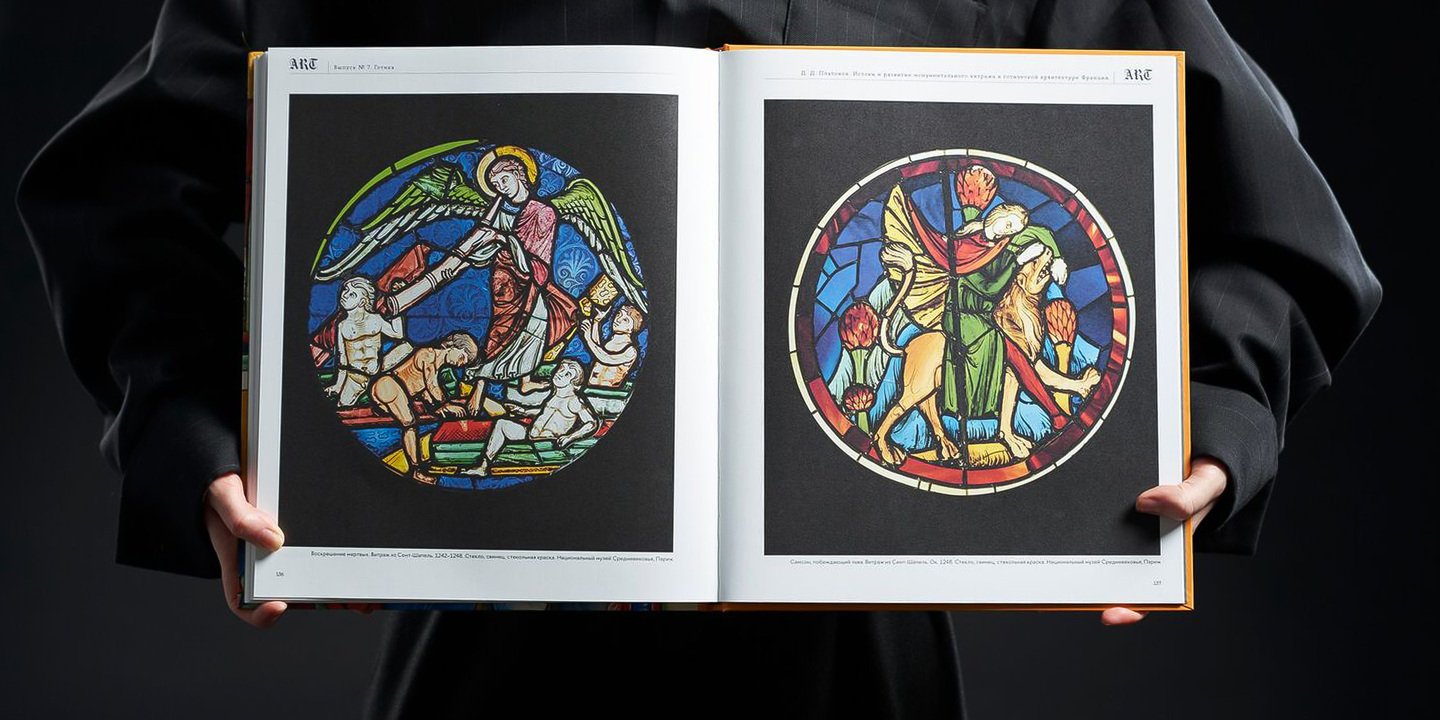
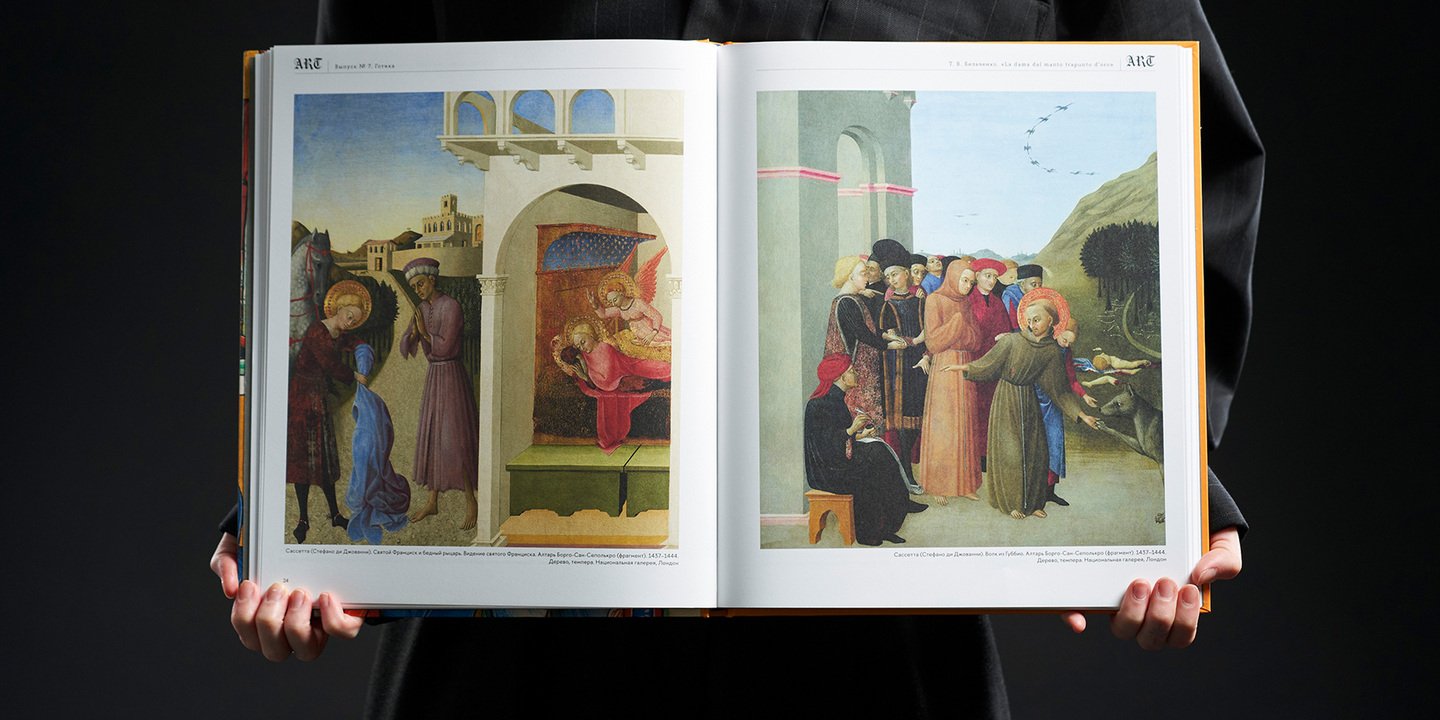
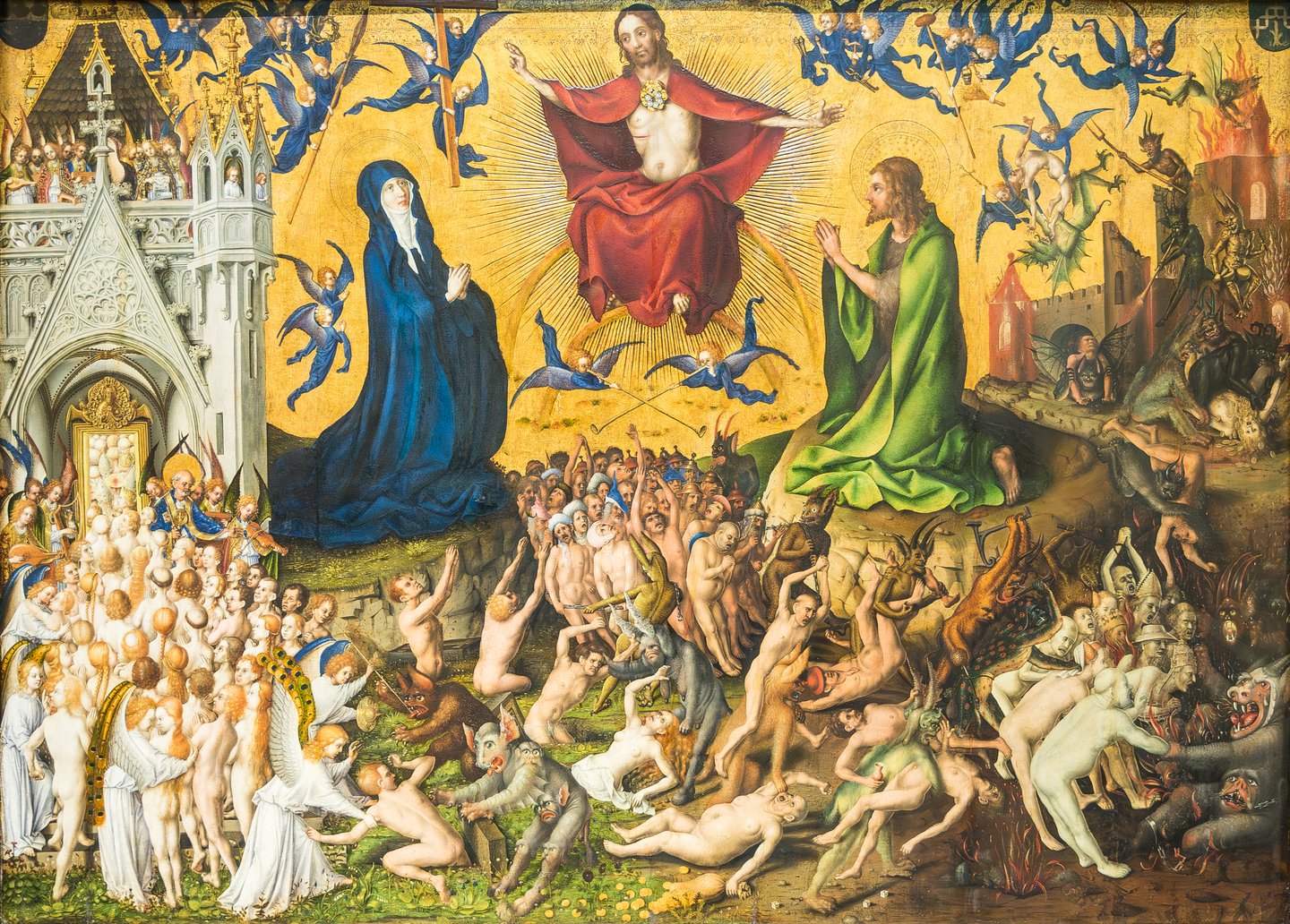
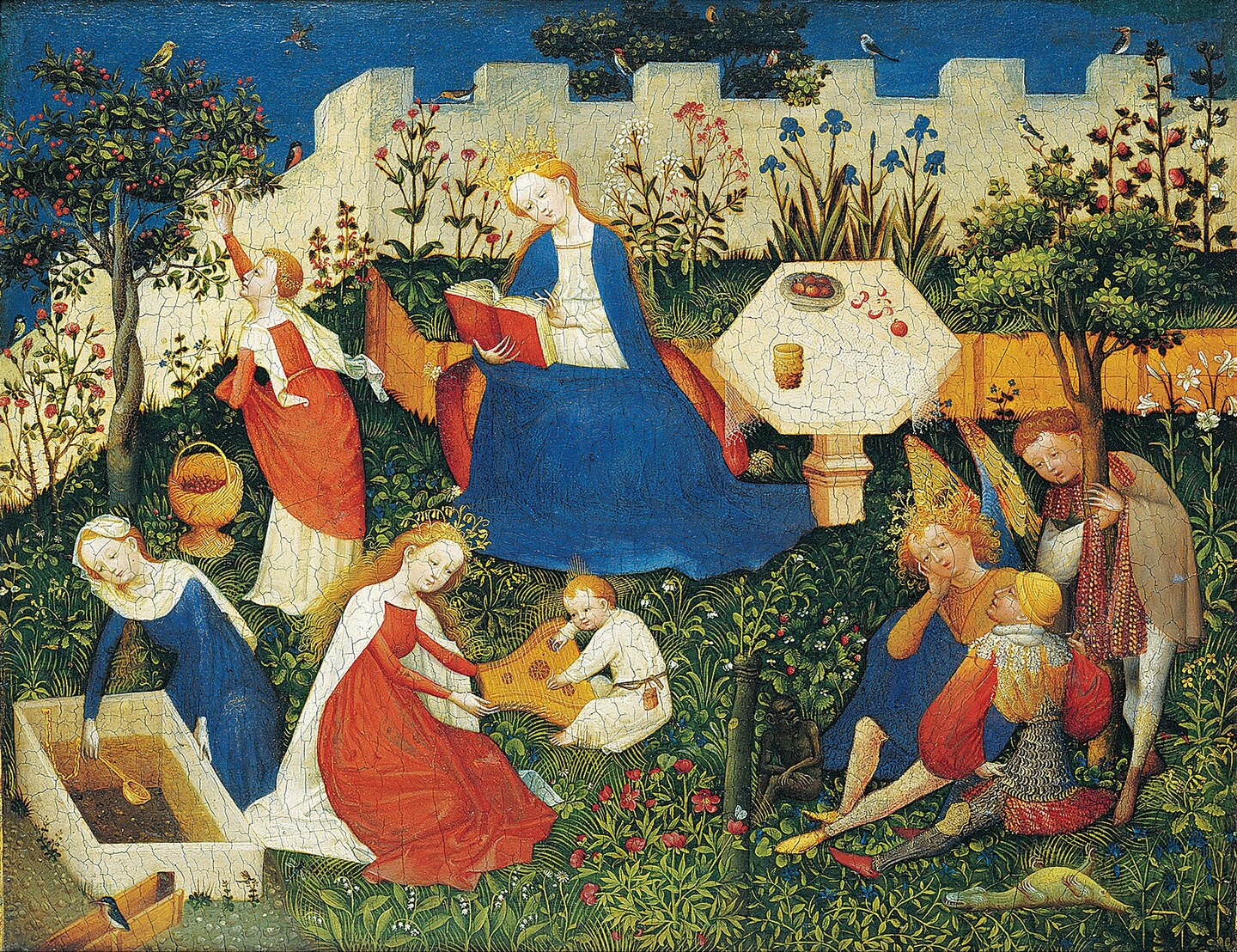
1. The Paradise Garden (Painting by a Upper Rhine Master). 1410–1420 2. Stefan Lochner. The Last Judgment. 1435
The concept behind the exhibition is not to use «Gothic» as a formal label to gather artists whose circle could be expanded further. Rather, it is an attempt to interpret the Gothic lens within the Russian artistic context and to document its contemporary resonance—at a time when such art is gaining strength under the influence of complex social and historical processes. In this sense, Gothic becomes not only an aesthetic choice but also a way of speaking about contemporary experience: about instability, vulnerability, and the fractures of the present.
Exhibition Curator Ilya Kronchev-Ivanov
The revitalization of Gothic Gruneberg is linked to the sociocultural processes of the late 20th century, viewing it as a reaction against the tenets of functionality, restraint, and emotional distance. Within the context of corporate logic and the «sanitized» cultural industry, Gothic art becomes a form of affective resistance, reintroducing corporeality, intensity, and anxious affect into the artistic sphere.
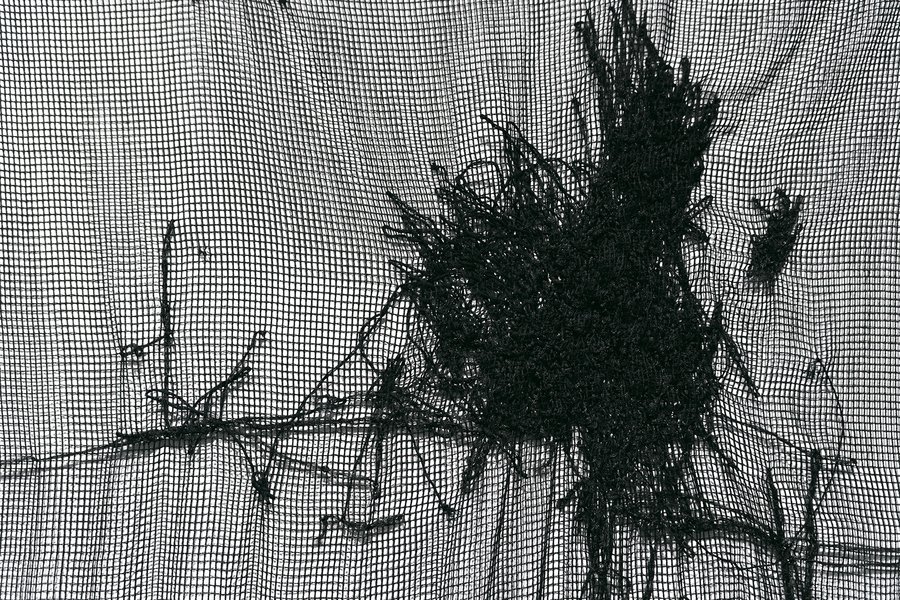
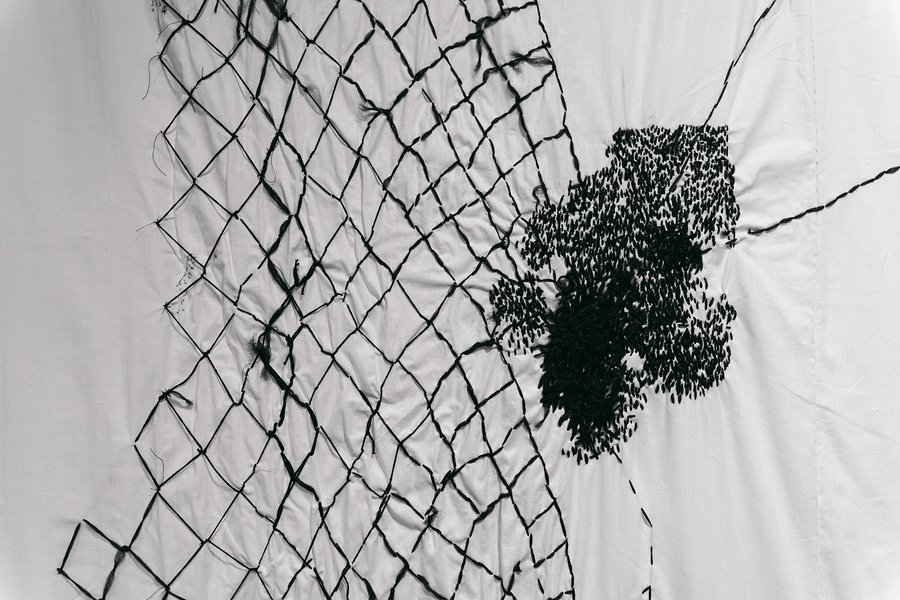
Alexandra Gart, Untitled, 2021, 2025
Karina Batrachenko, When the Dust Settles, 2024
However, in the 2020s, Gothic increasingly functions as a reproducible visual trend of mass culture, risking a loss of its critical potential. This exhibition is based on the assumption that beyond stylization, the Gothic retains its power as an analytical tool to engage with the crisis, anxiety, and uncertainty of contemporary experience.
Sofya Alekseeva, not arrived, 2023
Konstantin Adjer, Bandaged (excerpt), 2020
Among the exhibition participants are students from the HSE Art and Design School majoring in «Contemporary Art,» alumni and faculty from this program, as well as established artists recognized by the Russian professional community.
Vladimir Chernyshev, from the series «Coordinate System,» 2024

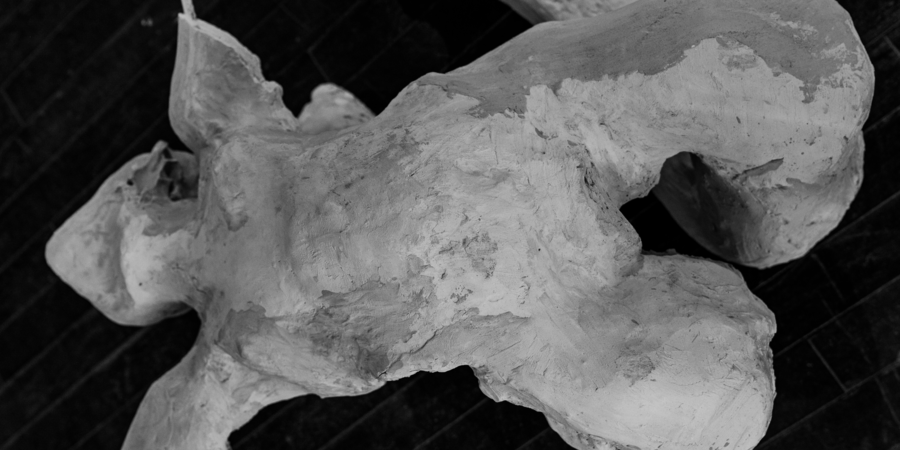
Alice Müderrisoglu, WITNESSING MORTALITY, 2024