The Problematic of the Construct of Social Norms: A Case Study Using J. Lantimos' Film «Fang» as a Source for an Apparel Collection
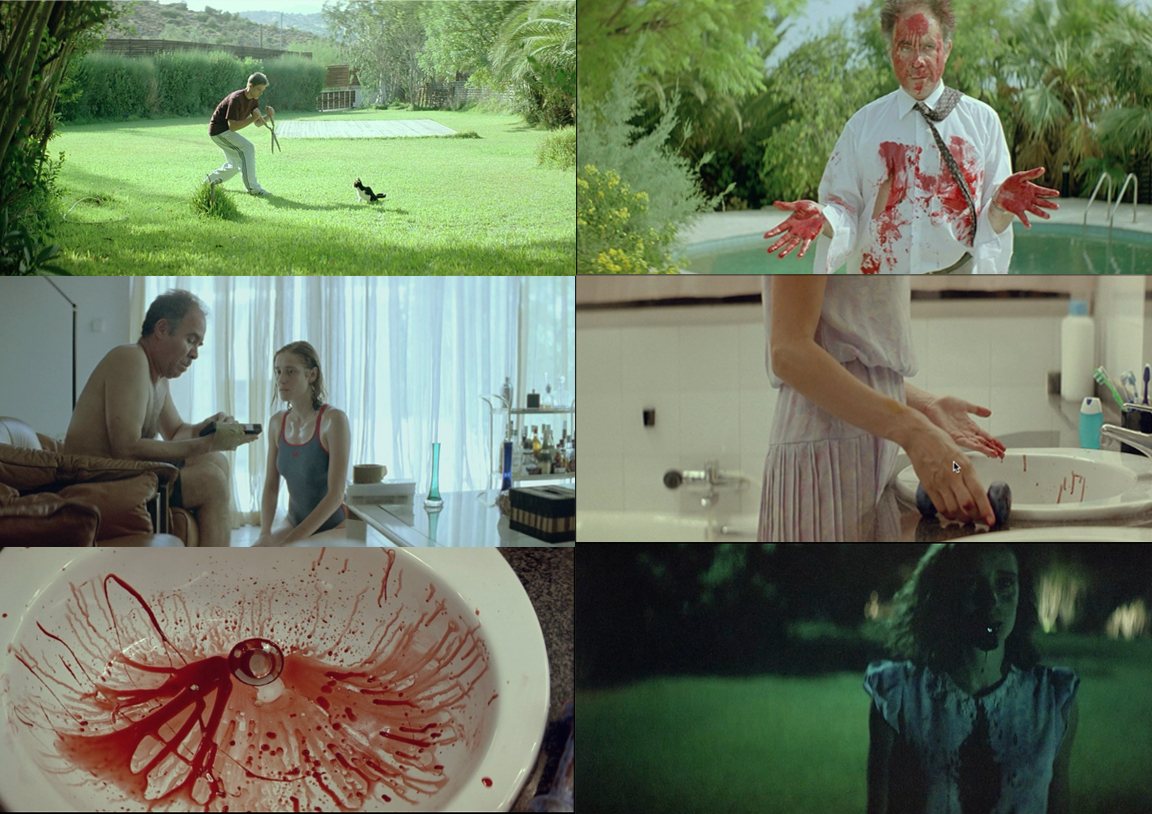
In the film «Fang,» the parents raise three adult children in a well-kept house with a garden behind a tall fence. From childhood, they instill in the children that the world outside is dangerous, and they can only leave when they lose their upper right or left canine tooth. The children live by their parents' rules: they learn invented meanings for words from audio tapes narrated by their mother, complete assignments, play strange games, and are certain that everything outside the house poses a threat, believing in their mother and father without question.
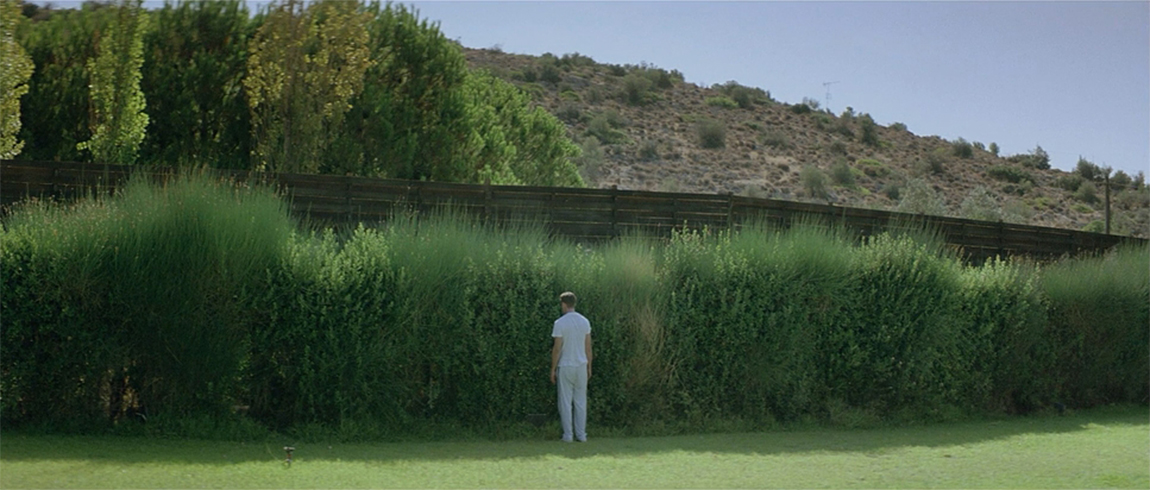
Every day, the father drives to work, but sometimes he brings the girl Kristina home for his son. Kristina secretly gives the older daughter videotapes that introduce her to a different world outside. After this, the older daughter herself knocks out a canine tooth with dumbbells, hides in her father’s trunk, and the next day, the father drives off to work with her in the trunk. The film ends with the car stopped near the factory, and the audience is not shown whether the girl exited the trunk or remained inside.
CONCEPT
The project raises a philosophical question: what are norms and reality? How are they formed, and who establishes these rules?
At the core of the project is a system of control that constructs reality through fear, illusion, and imposed norms. Identity in this world is constructed externally—through social roles and dictated rules that gradually appear natural. Infantile behavior and compliance become integral parts of this very system, functioning to uphold it. Even protest against this system ultimately serves the system by preventing escape.
The pressure leads to internal transformation: the individual either breaks down or attempts to «escape,» but any movement is already foreseen and embedded within the mechanism.
Or perhaps there is an option of absolute truth, and we can find a way out and attain it?
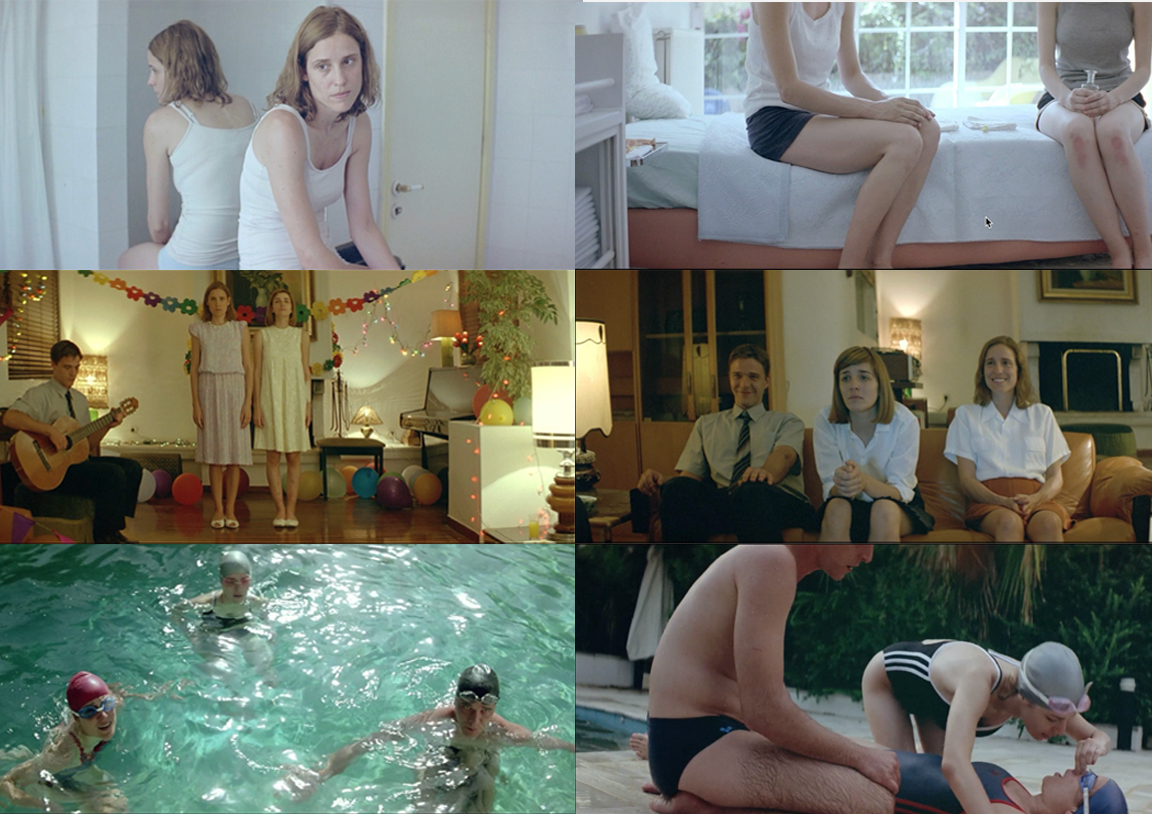
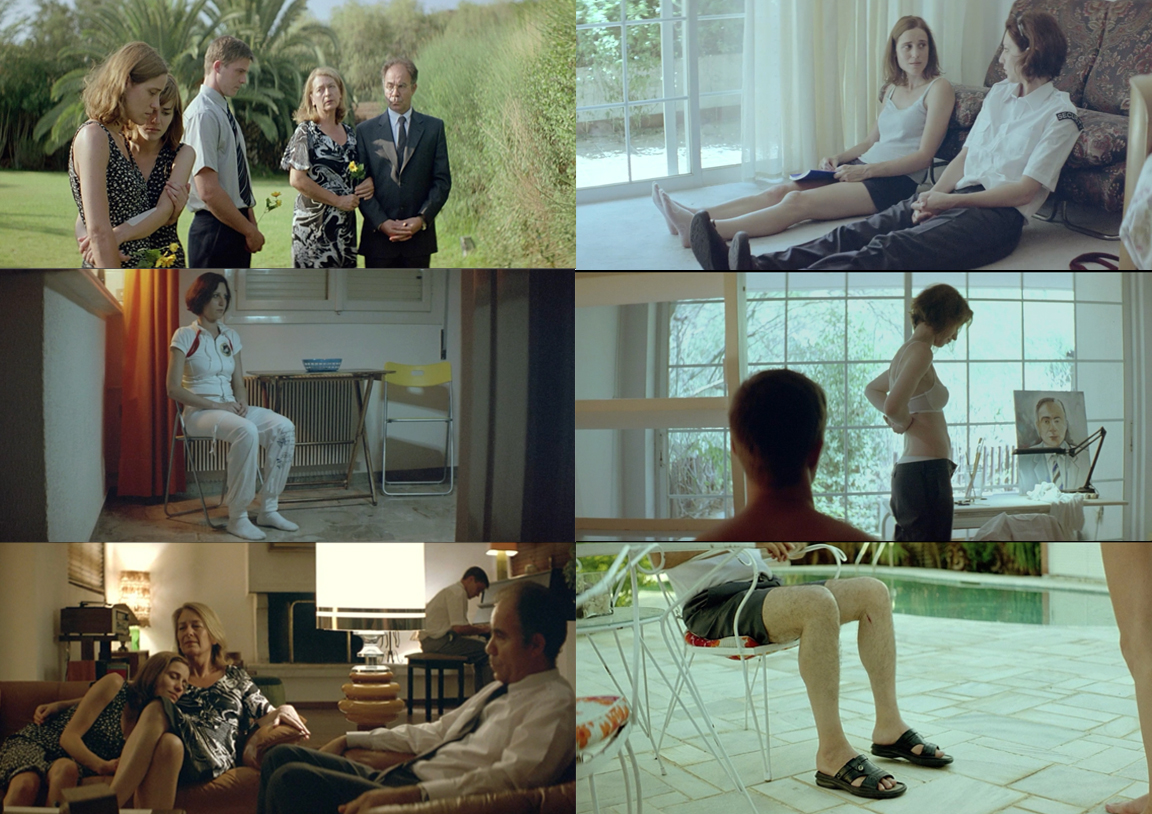
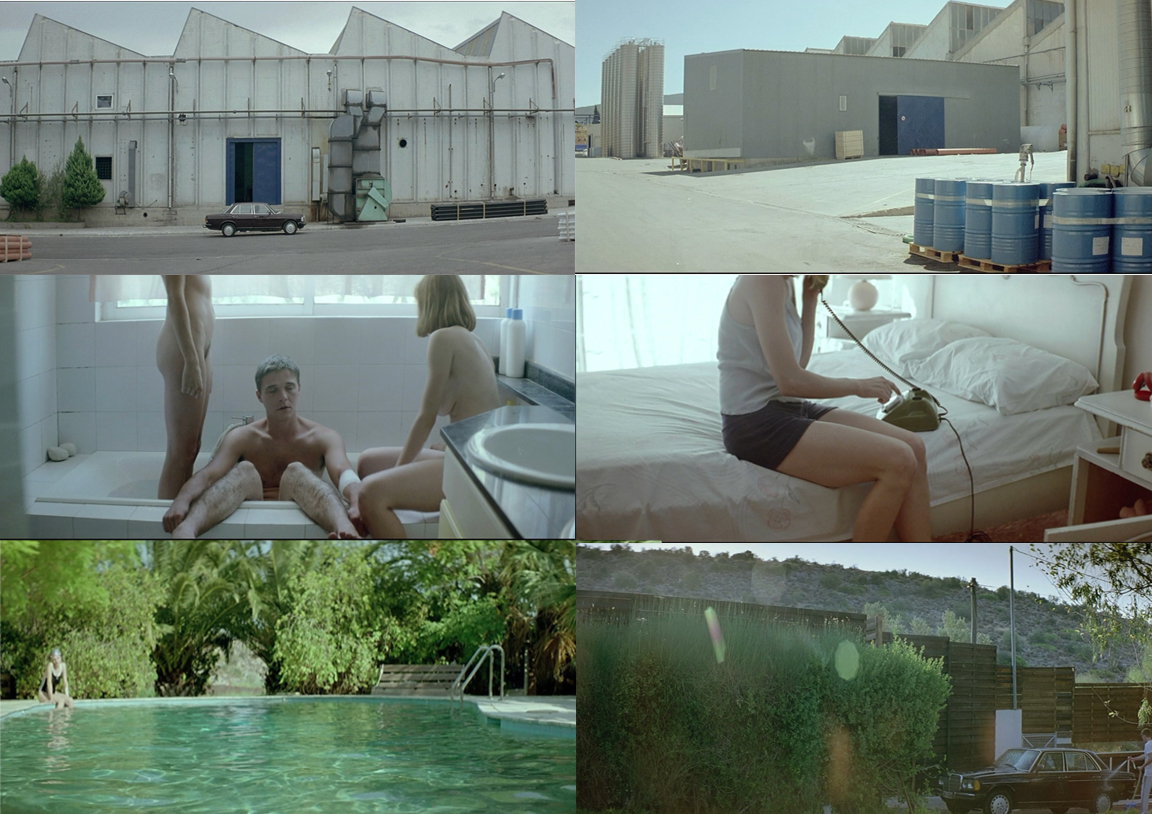
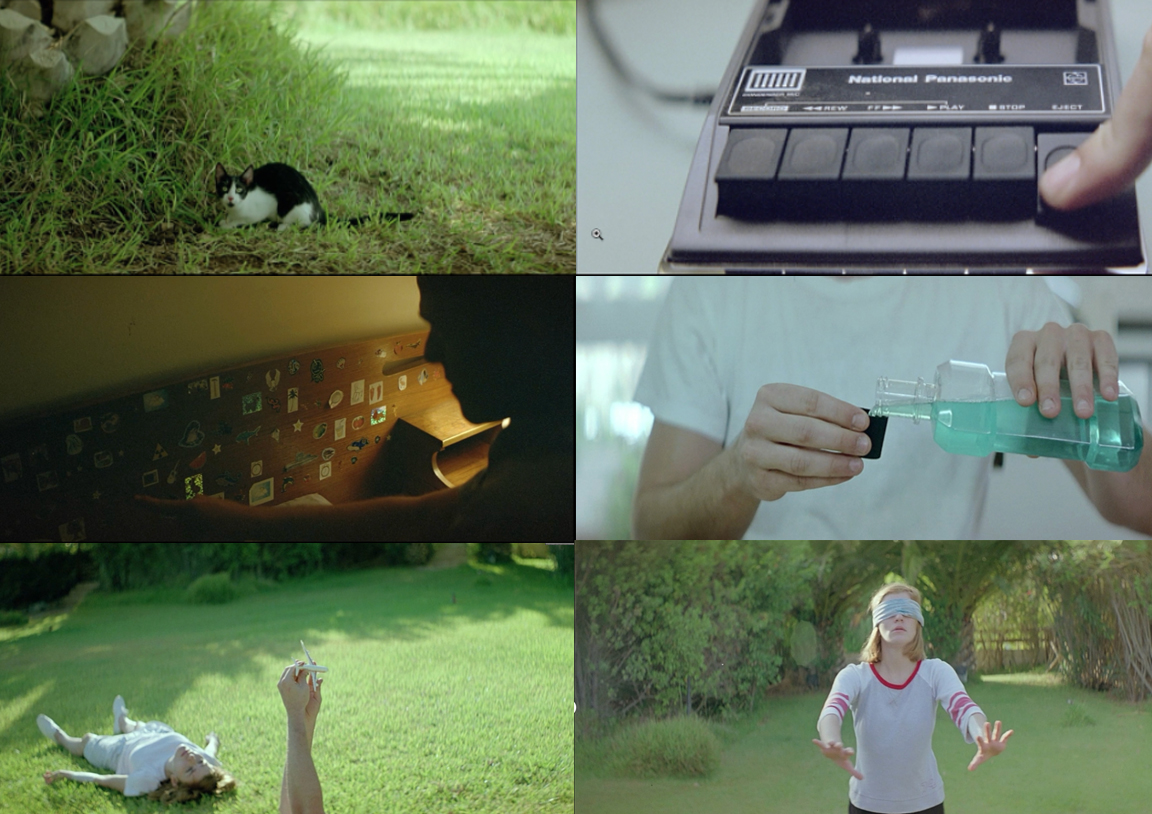
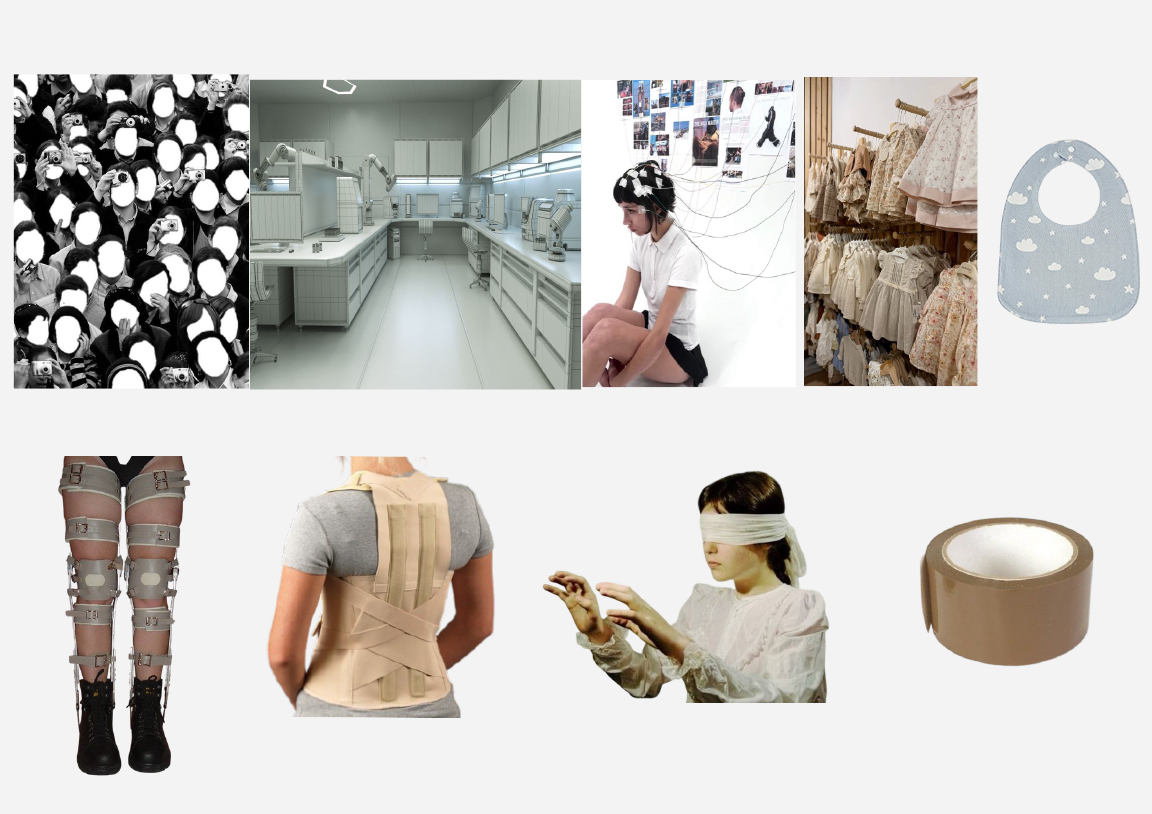
Простая одежда детей — отсутствие идентичности, стерильность и «чистота». Тело = объект, а не личность. Нагота — отсутствие стыда, как социального конструкта Купальники- псевдосвобода в саду
My personal style standards:
Bare lingerie is acceptable. Wearing fishnets and swim caps in your hair is fashionable. The height of popularity—combining different shades of white. Clothing that restricts movement is comfortable.
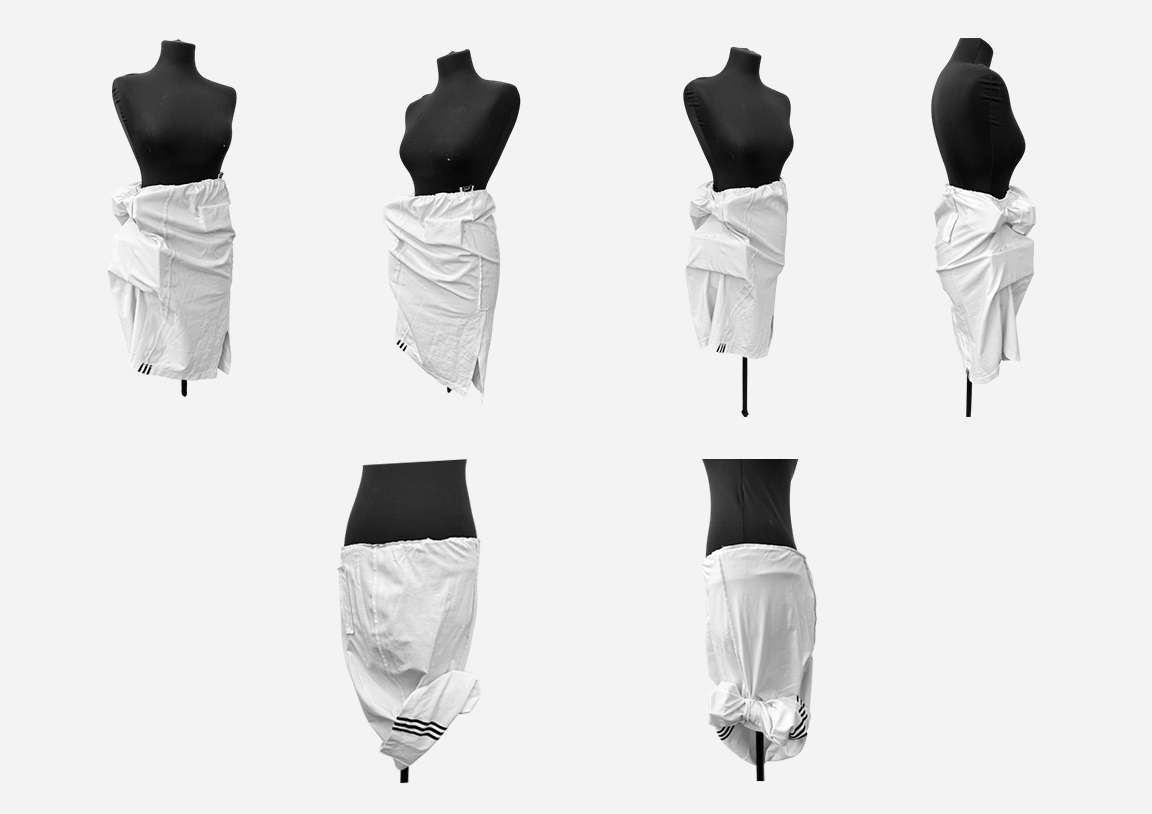
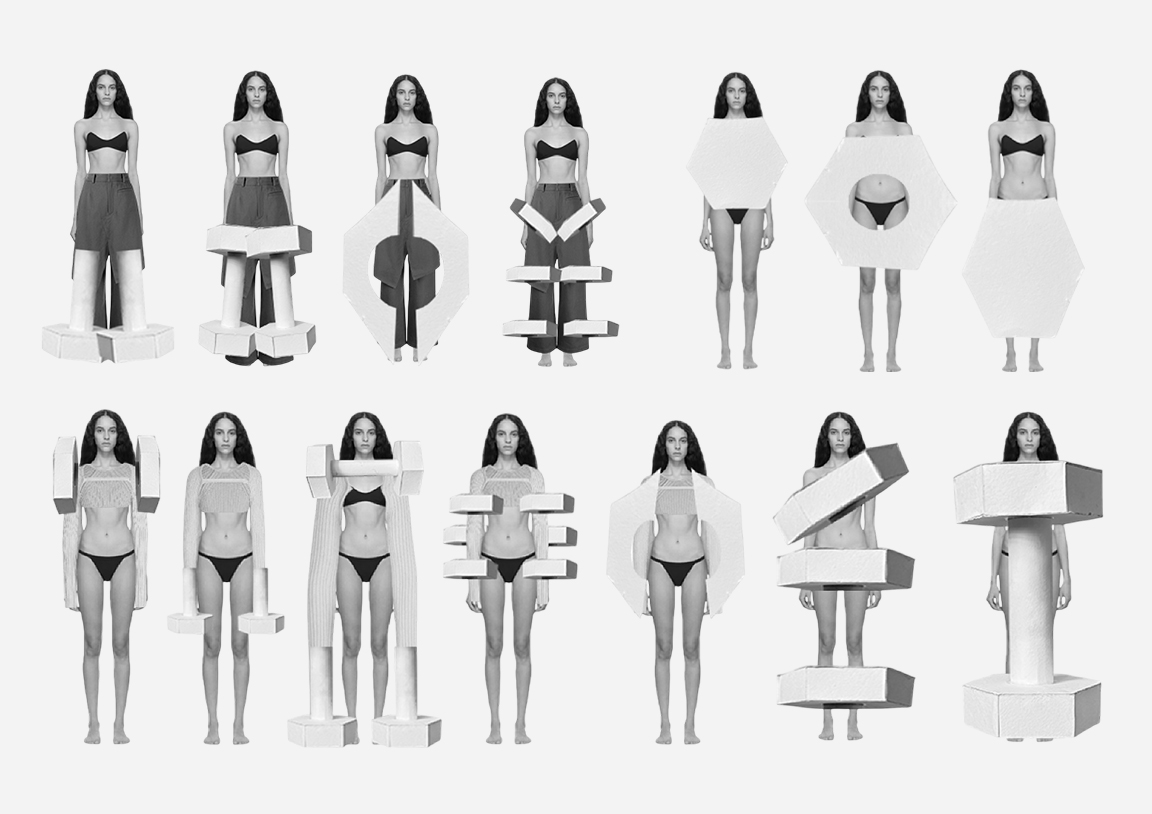
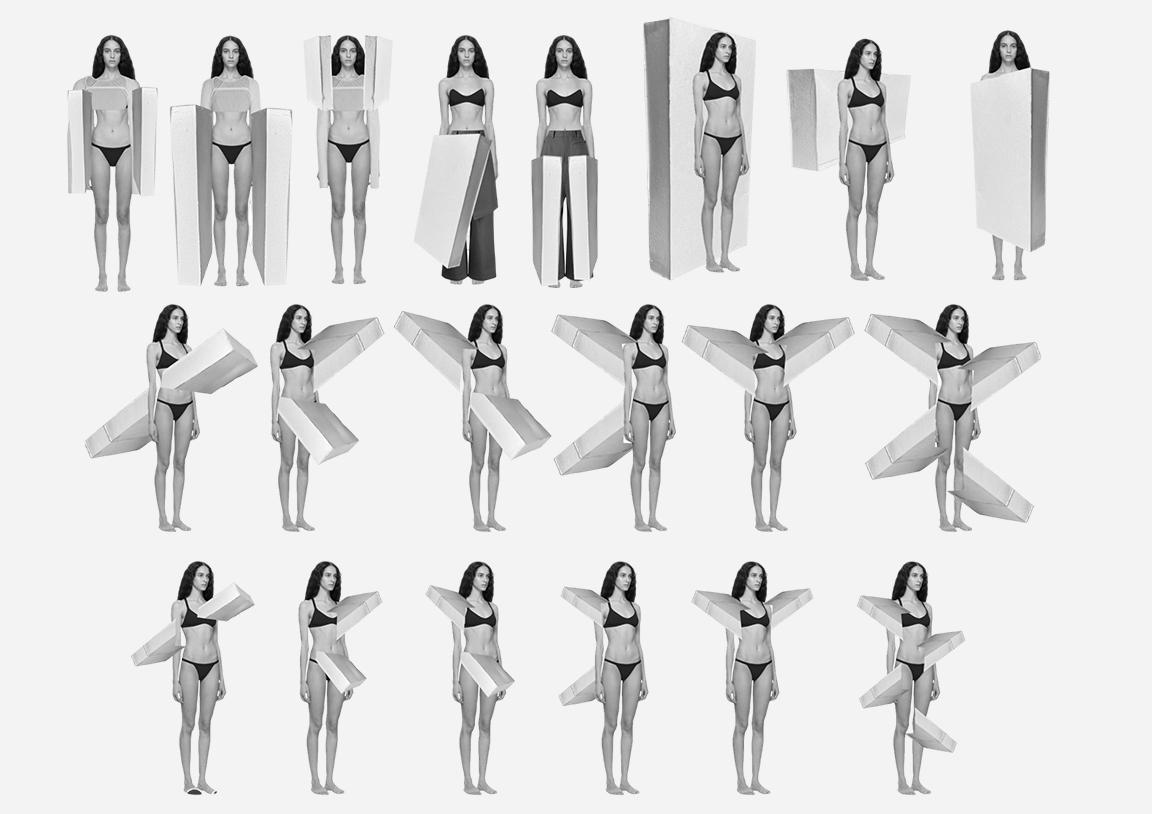
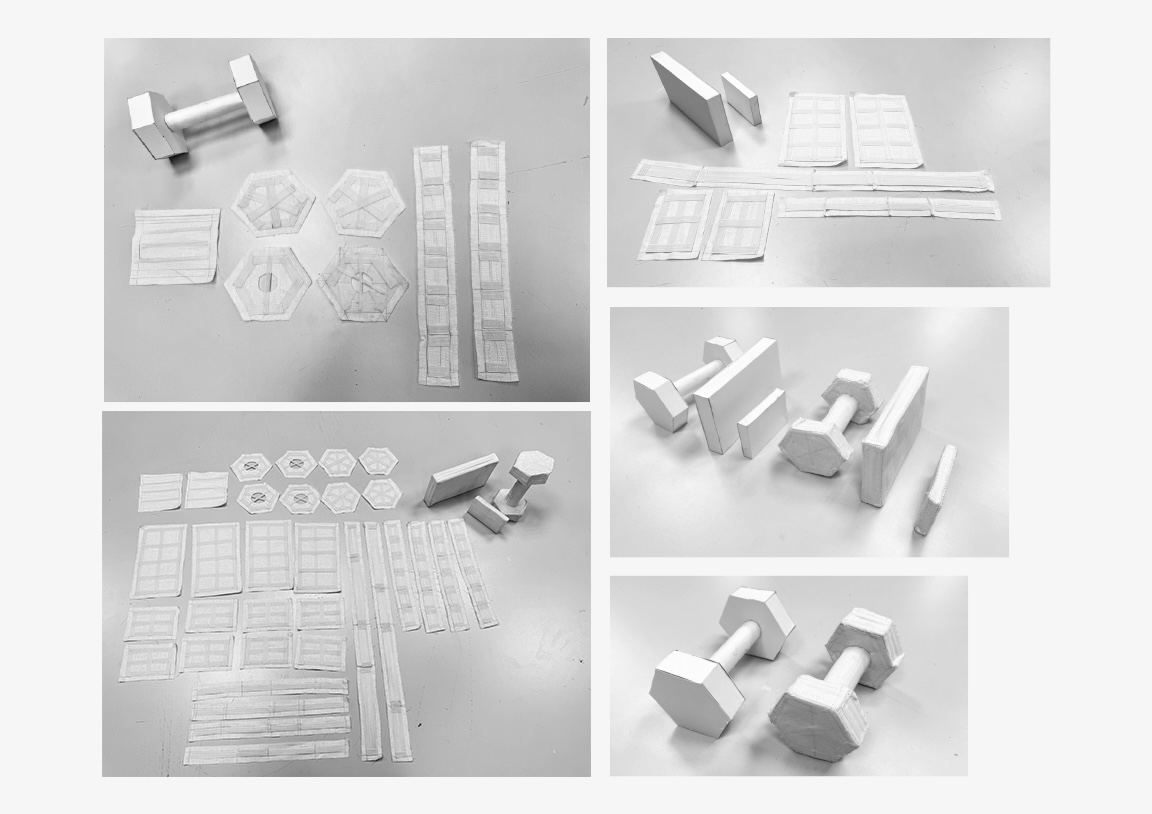
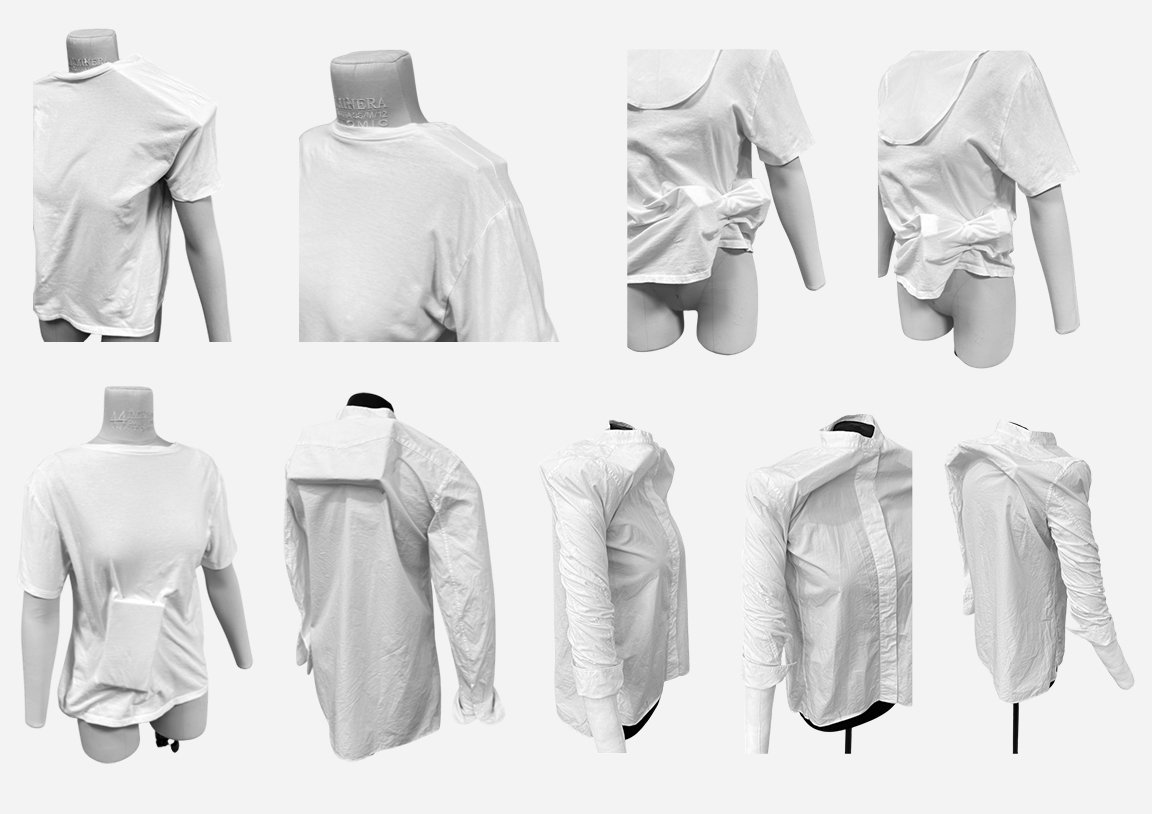
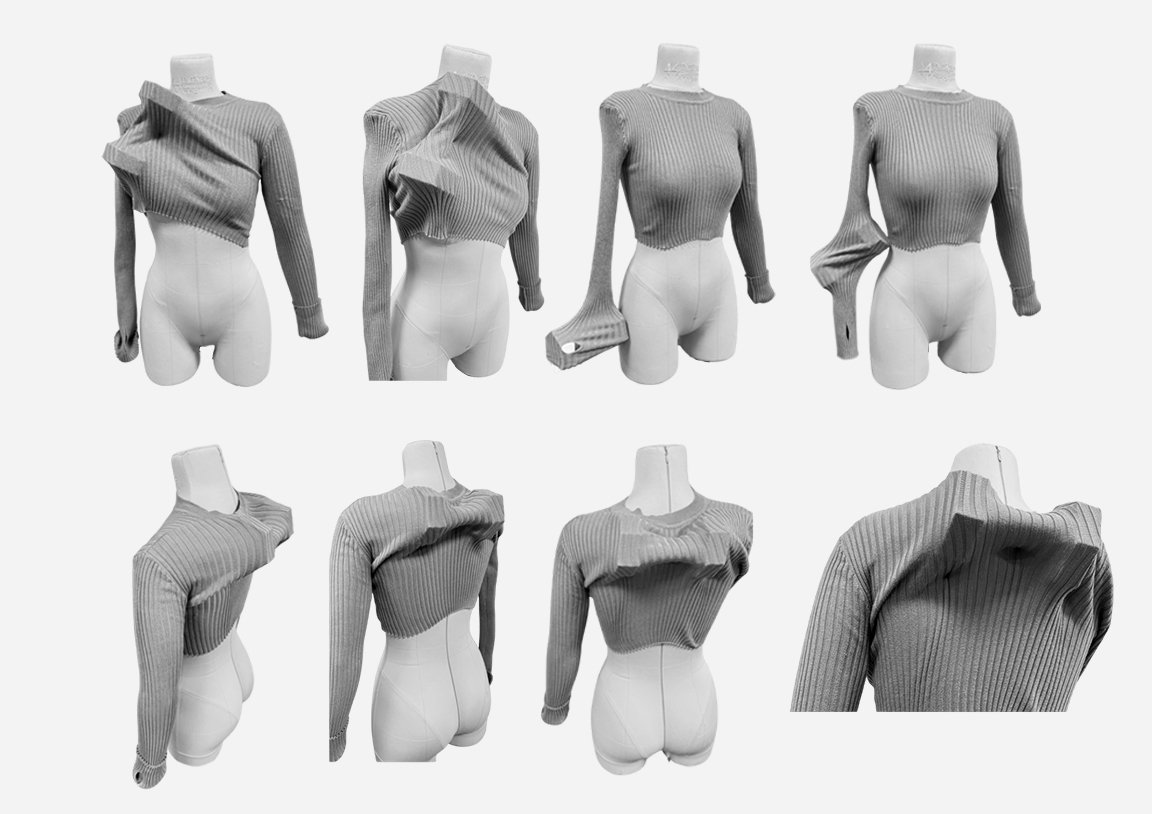
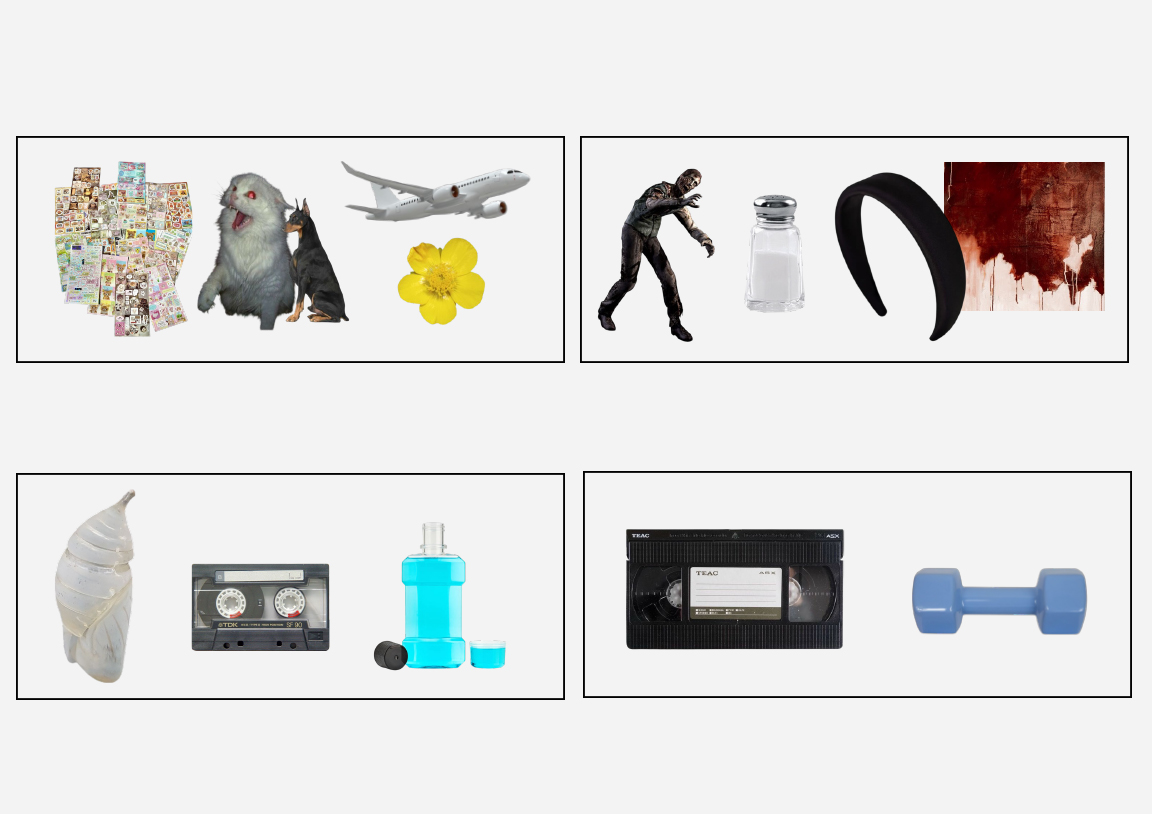
Поиск — на основе формы гантели. Массивная форма.
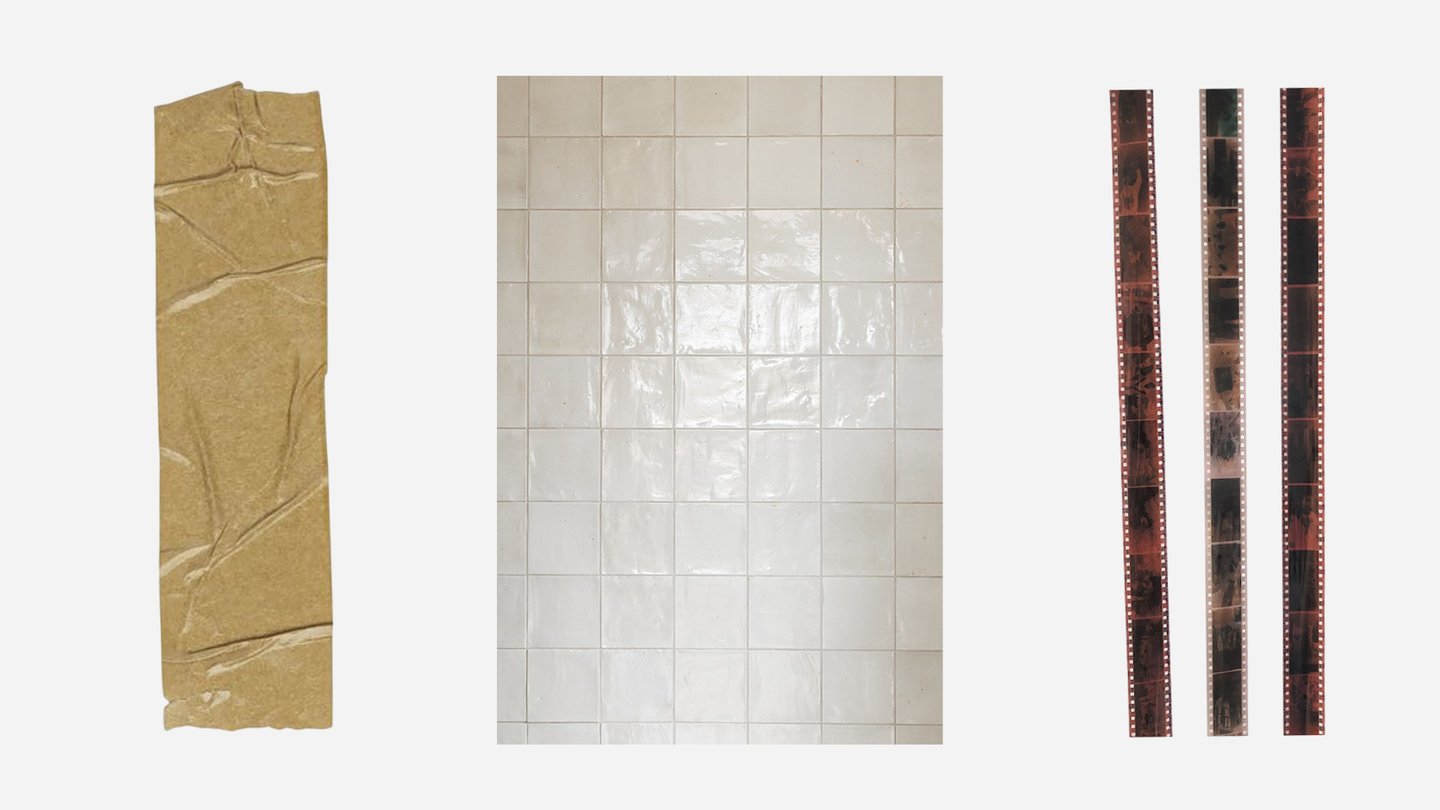
COLOR PALETTE, FABRIC AND TEXTURE EXAMPLES
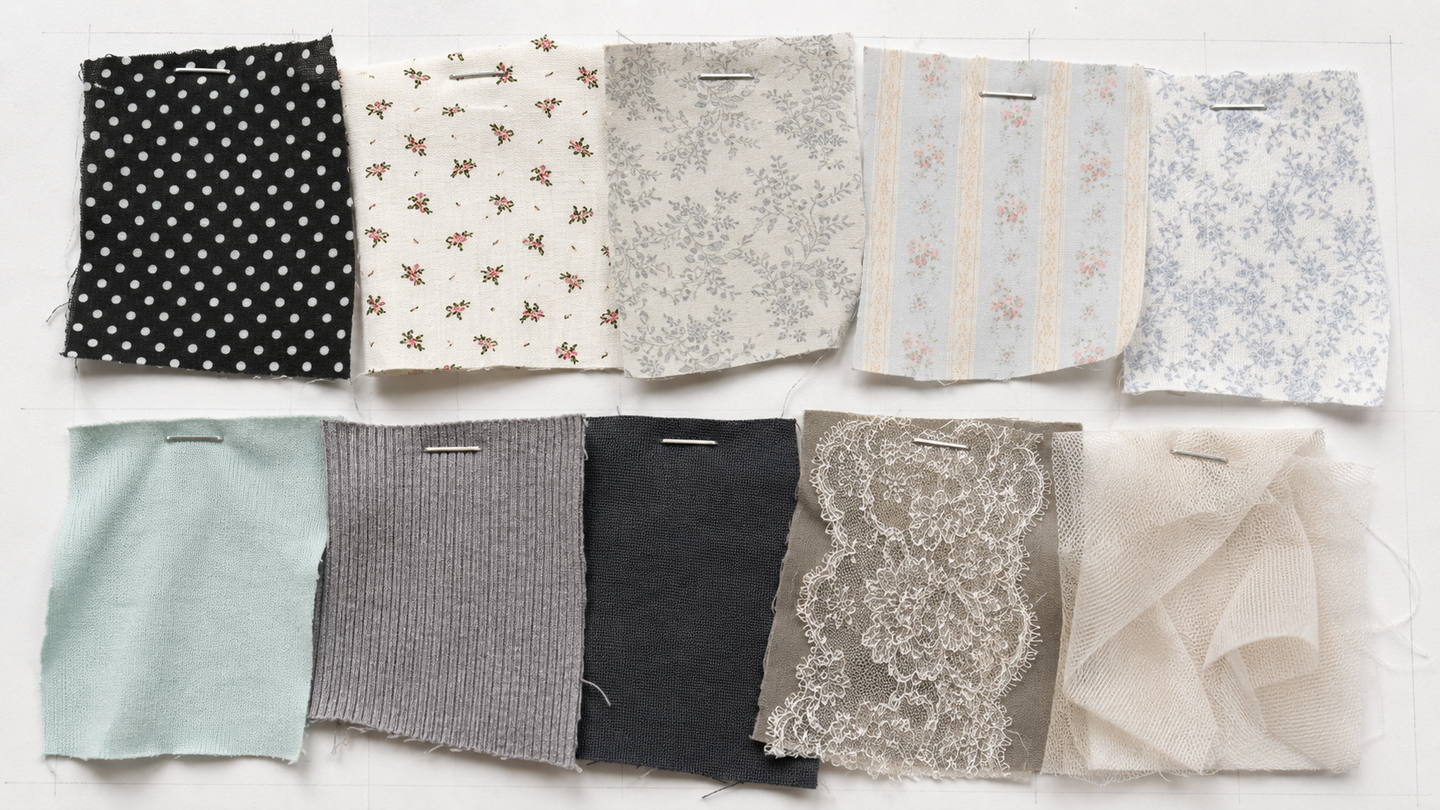
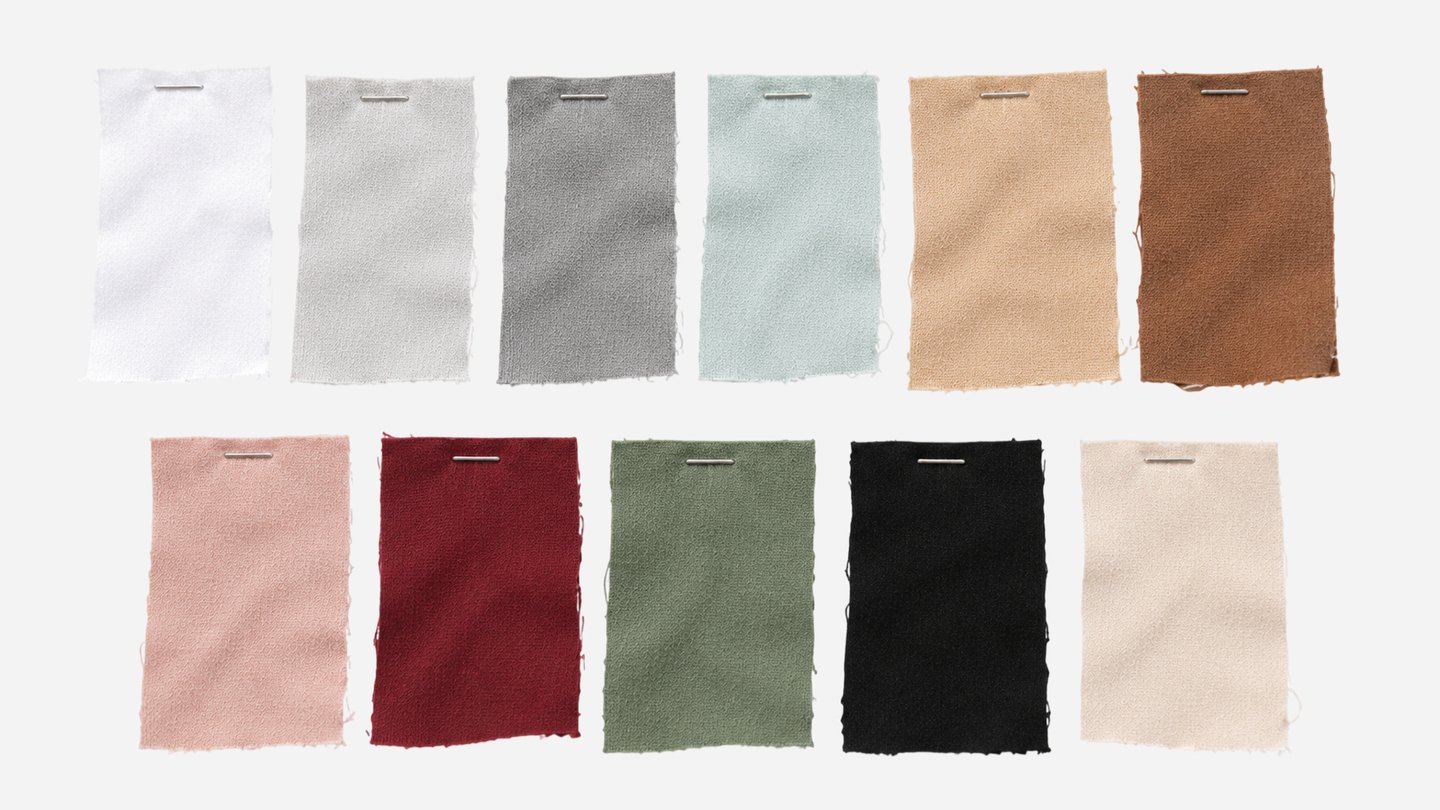
Образцы тканей
PRINTS
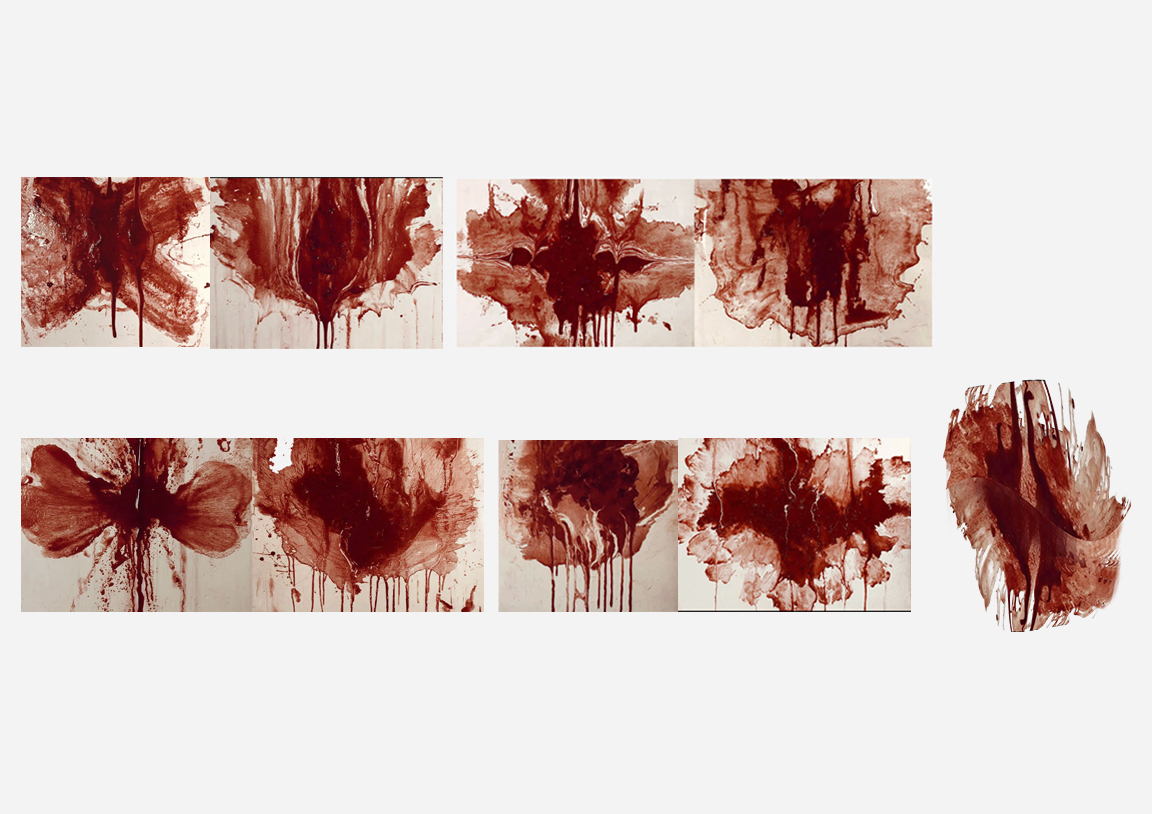
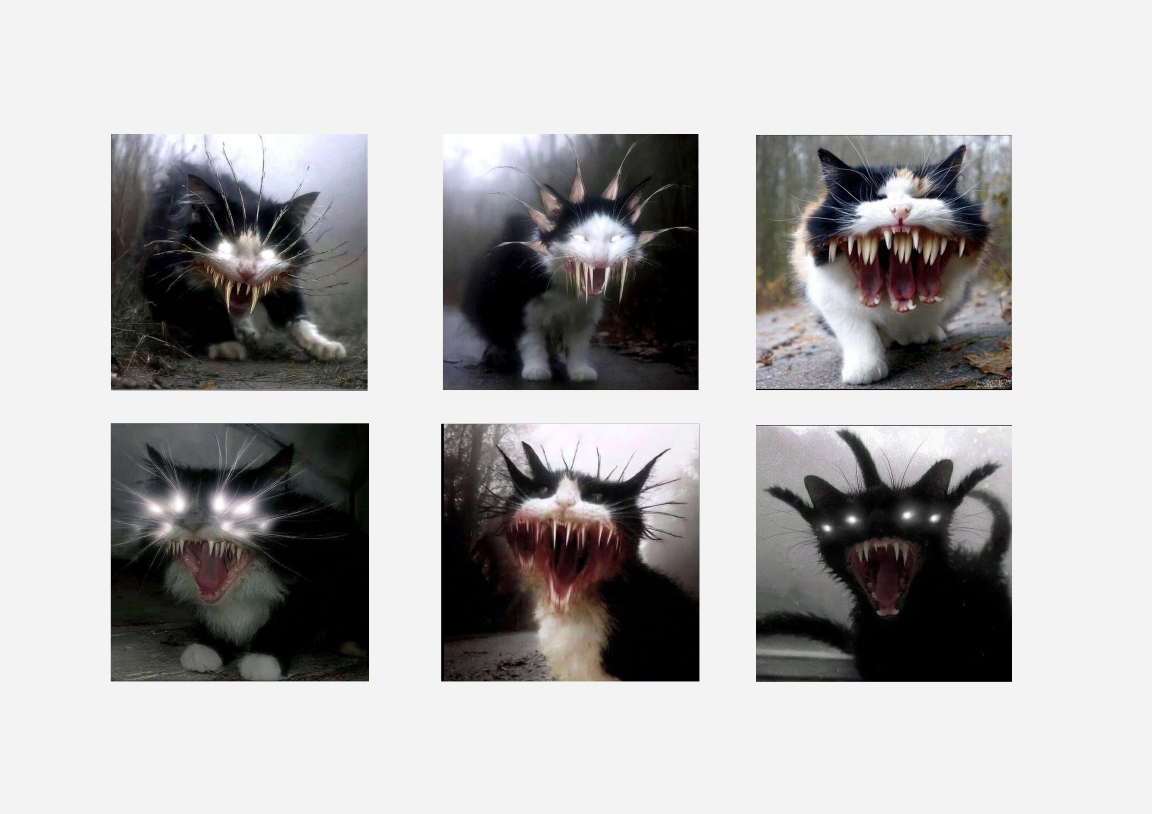
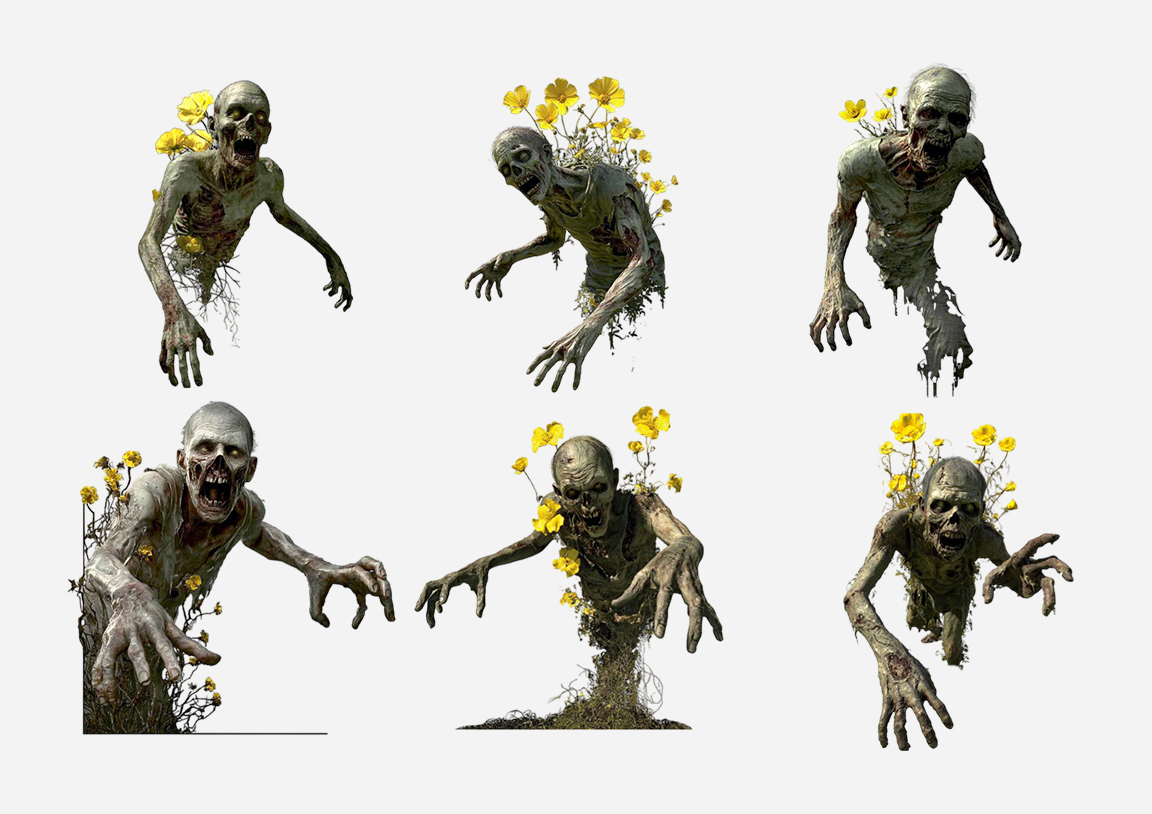
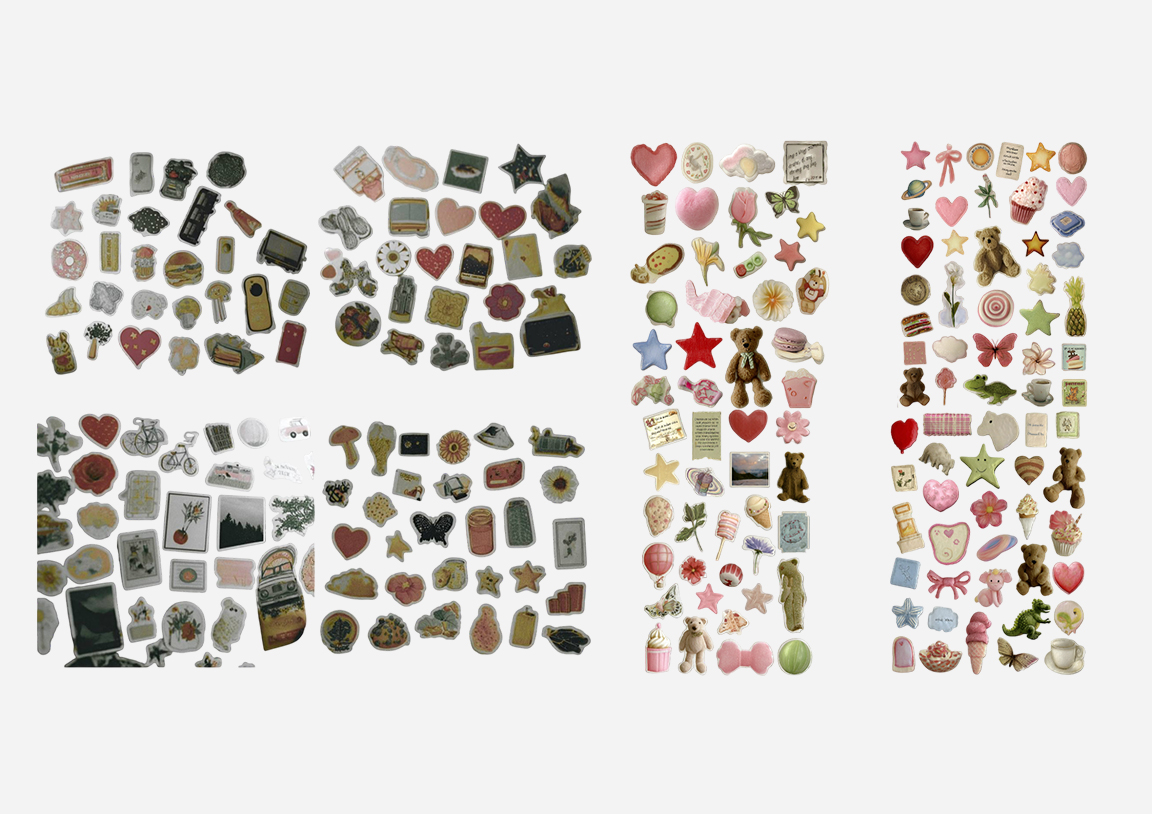
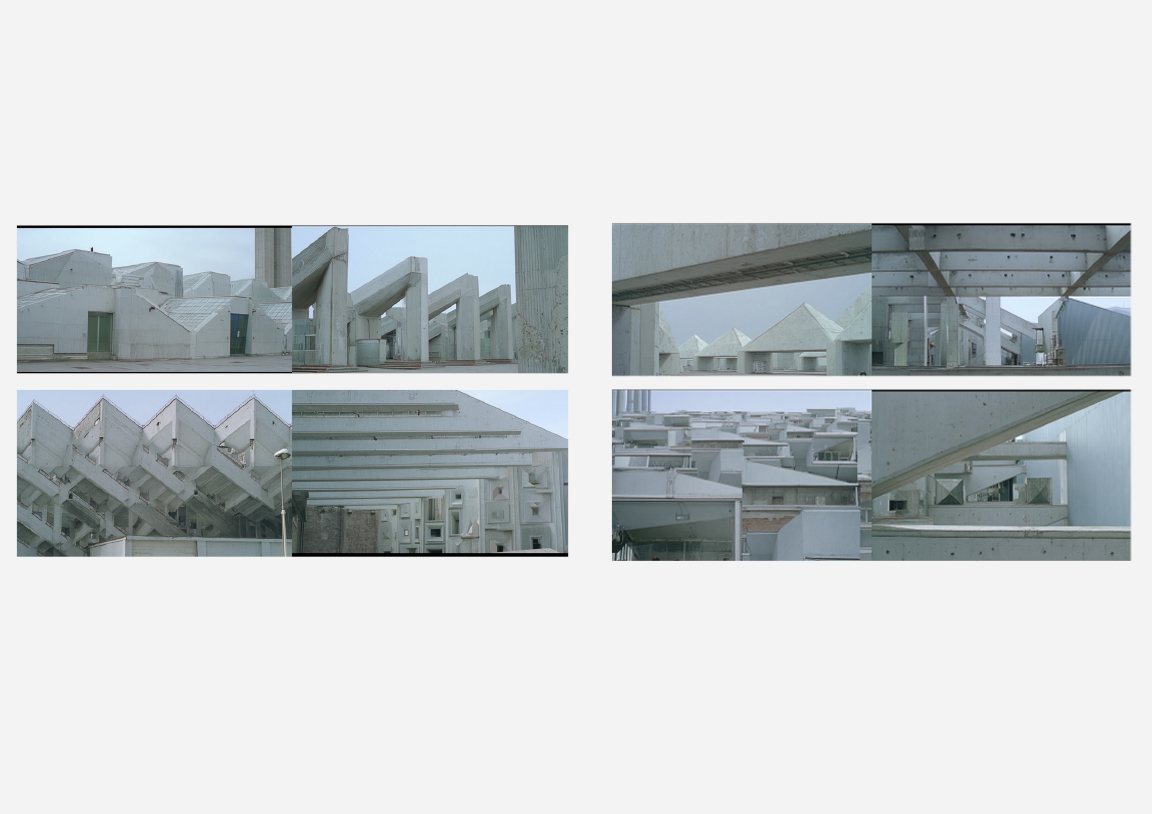
Prints were generated by the neural network based on the images in the collection’s mood board.
SKETCHES WITH PHOTOMONTAGE
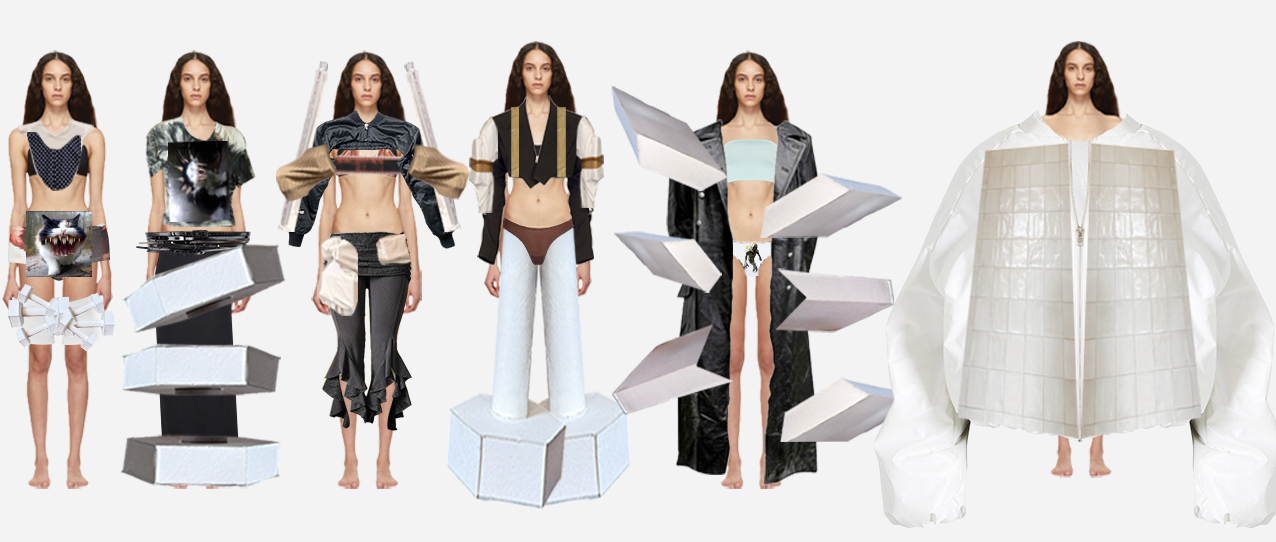
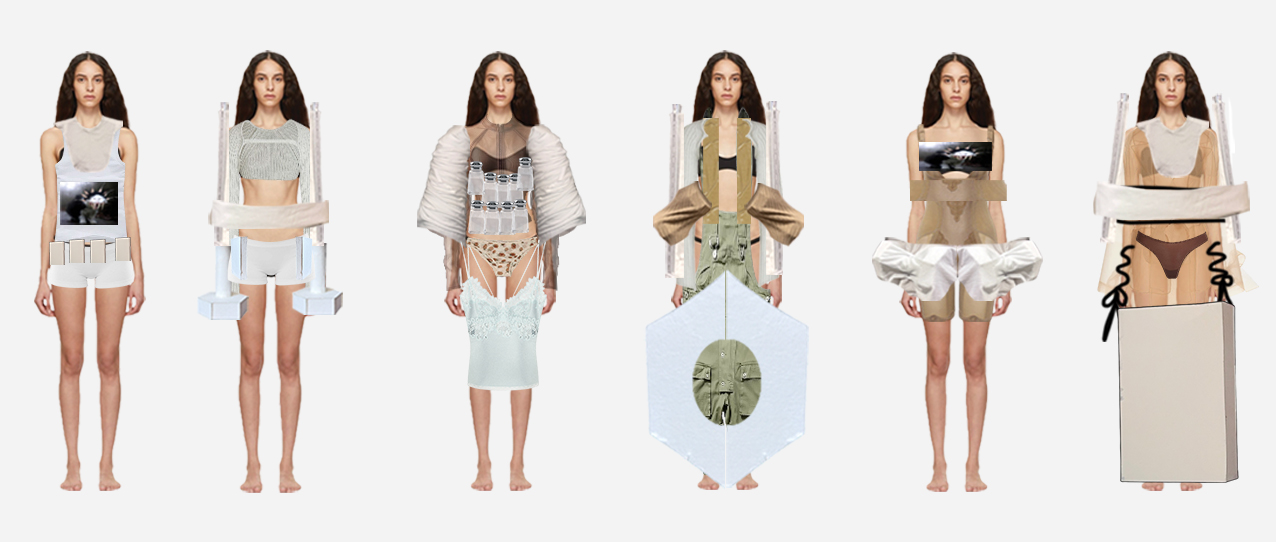
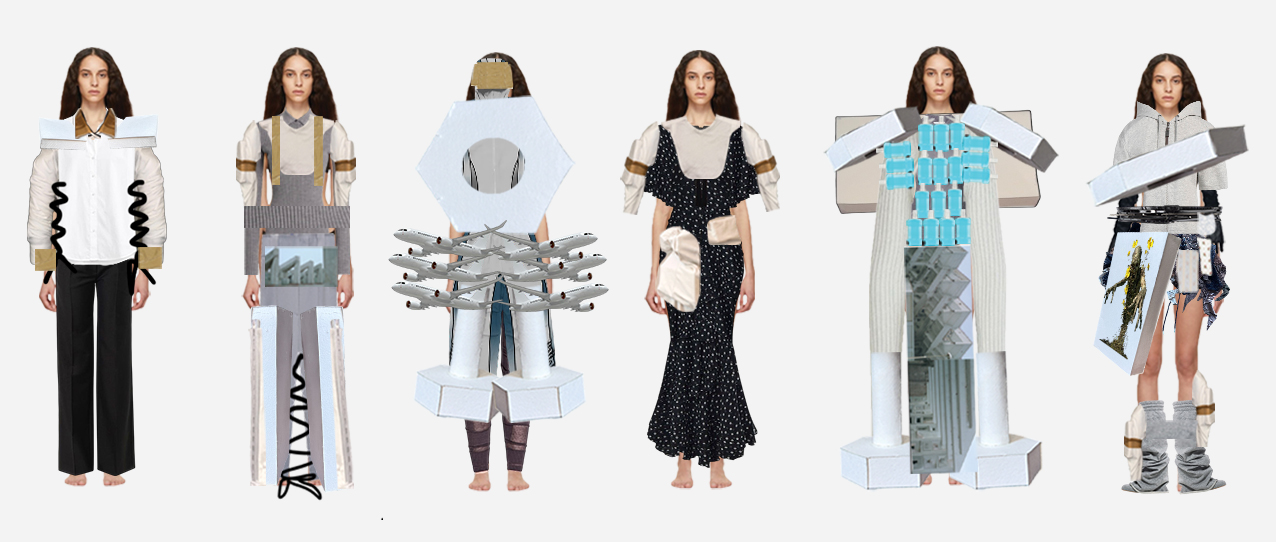
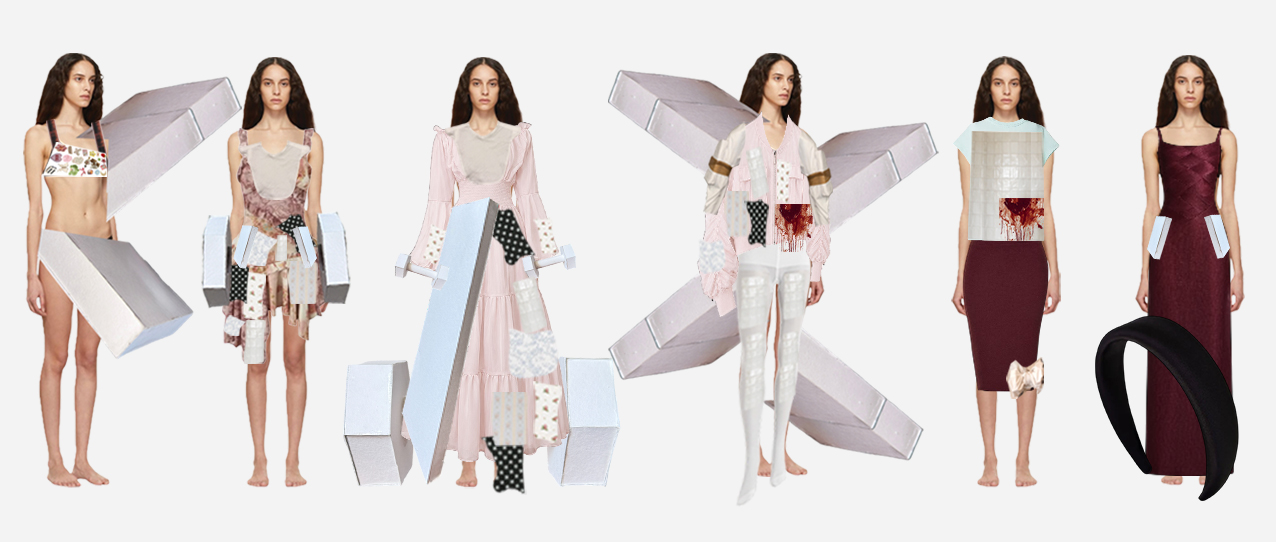
POSSIBLE RUN OF SHOW
Эскизы в AI
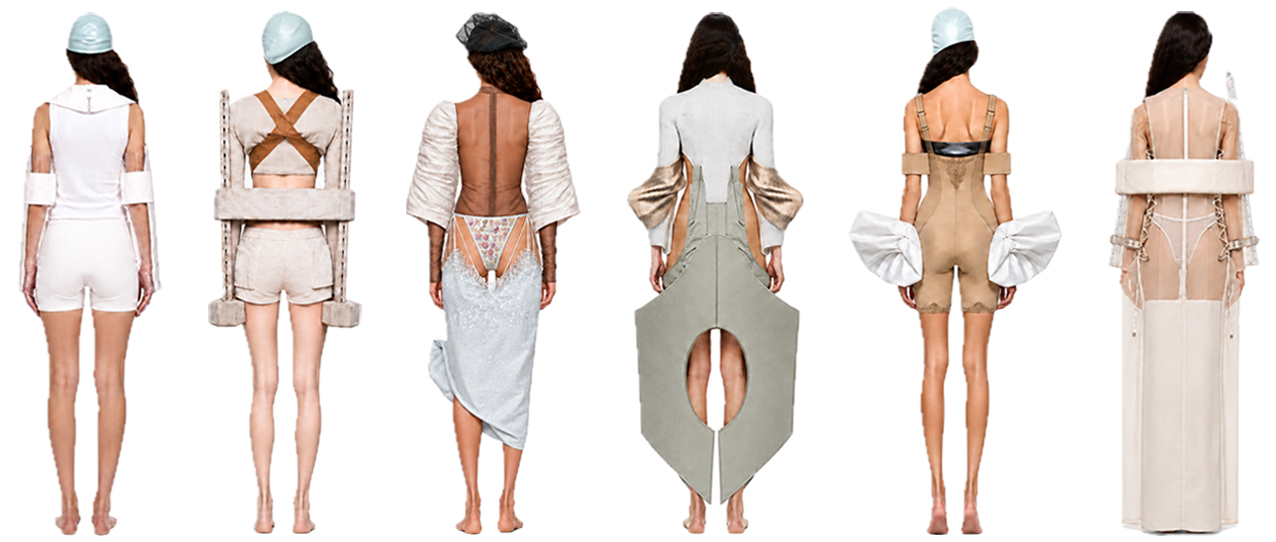
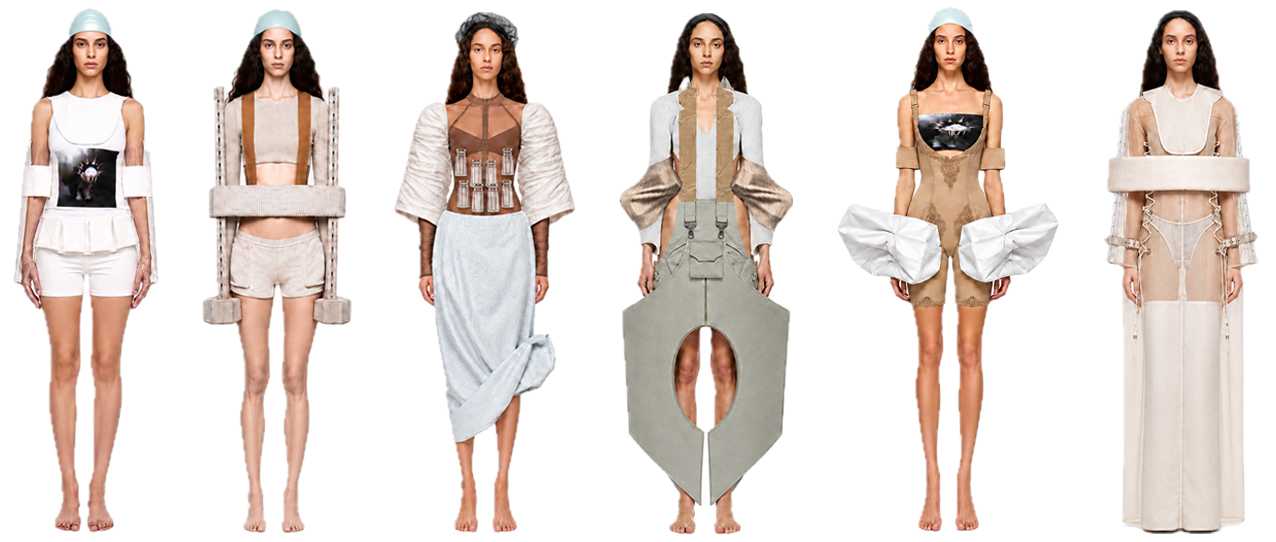
Лайнап сегмента ''СИСТЕМА'' Фронтальный вид
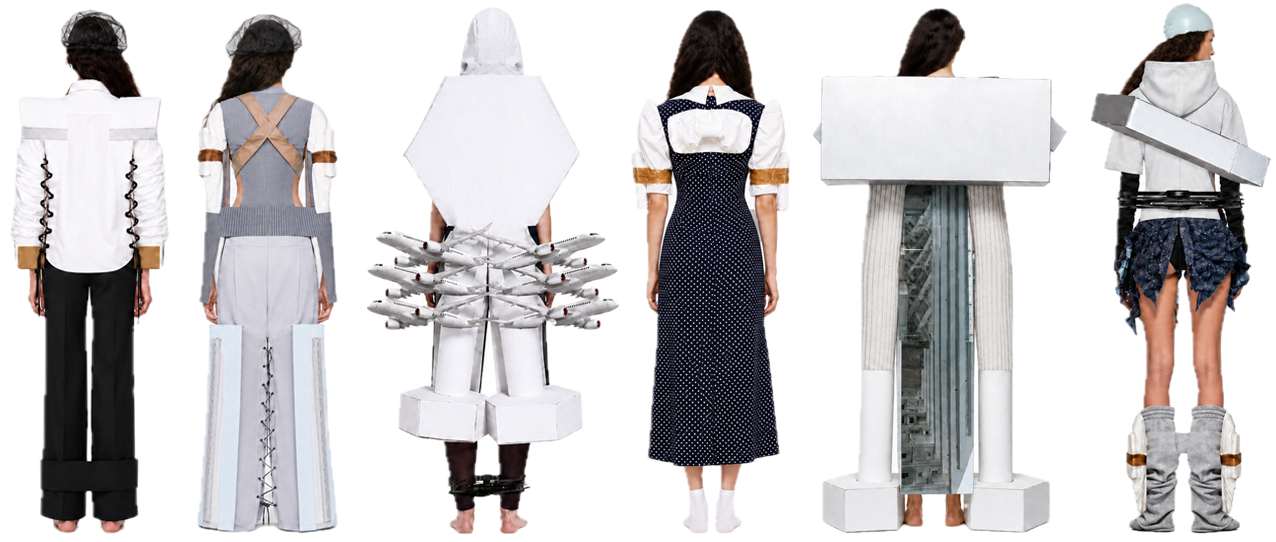
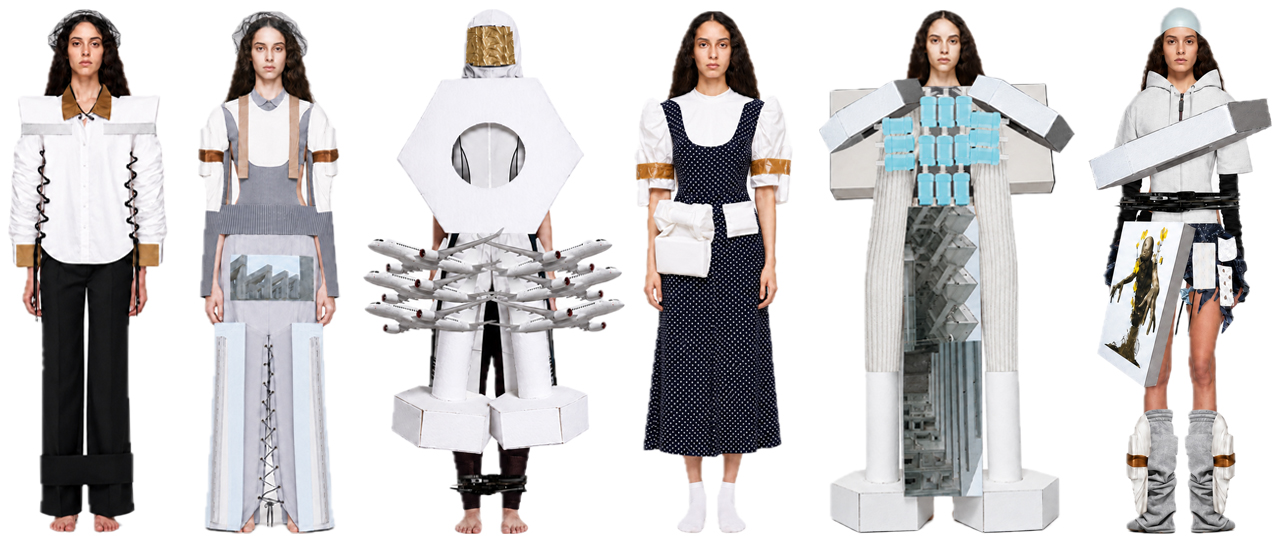
Лайнап сегмента ''ПОСЛУШАНИЕ'' Фронтальный вид
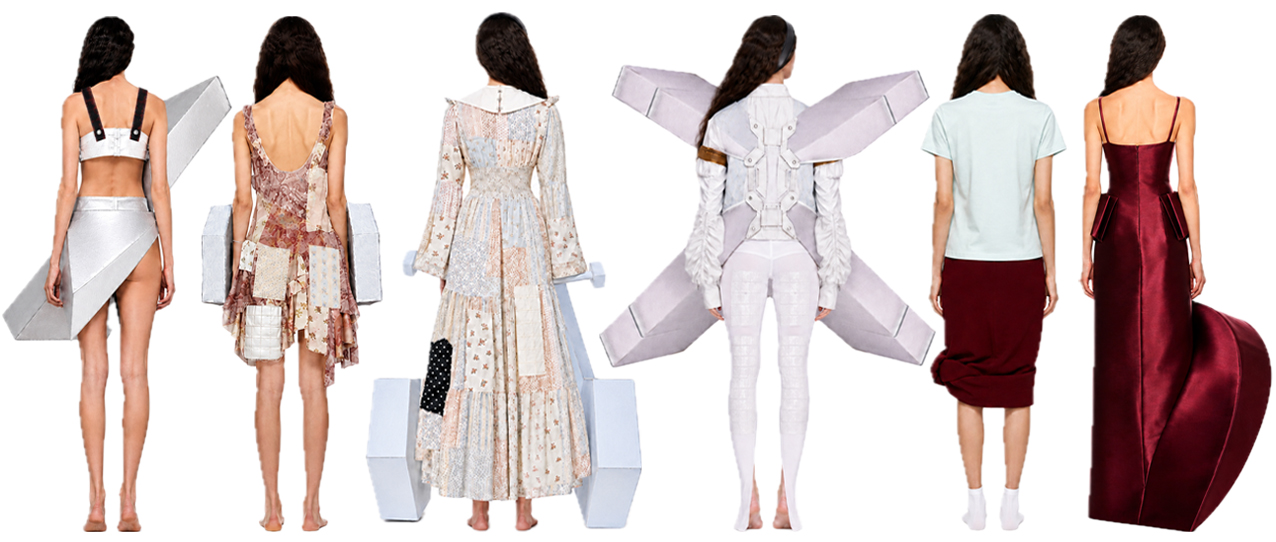
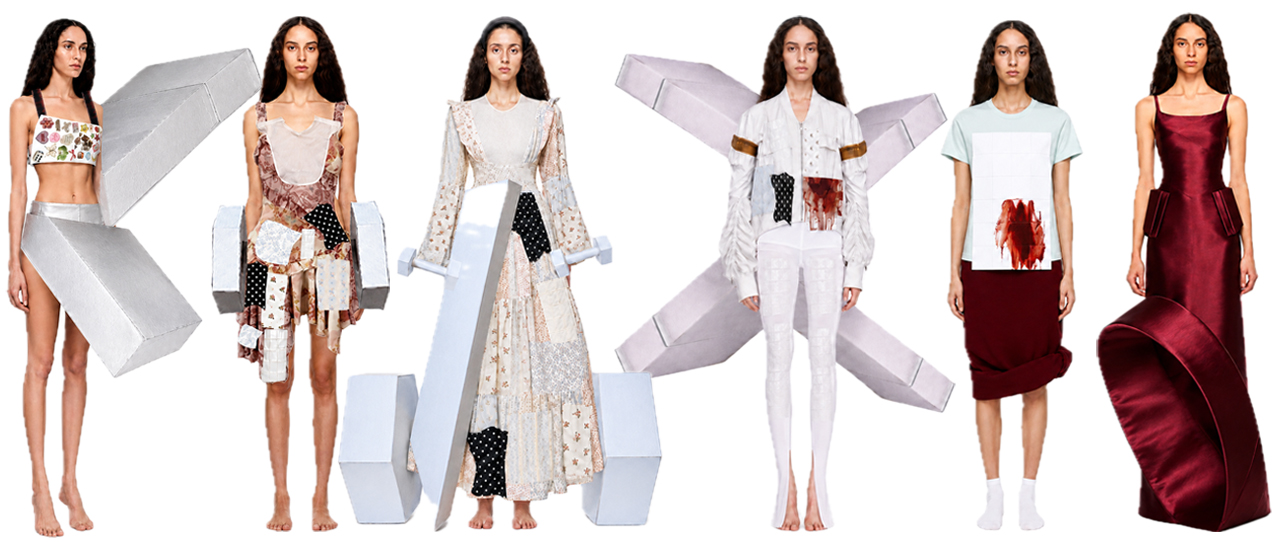
Лайнап сегмента ''СБОЙ'' Фронтальный вид
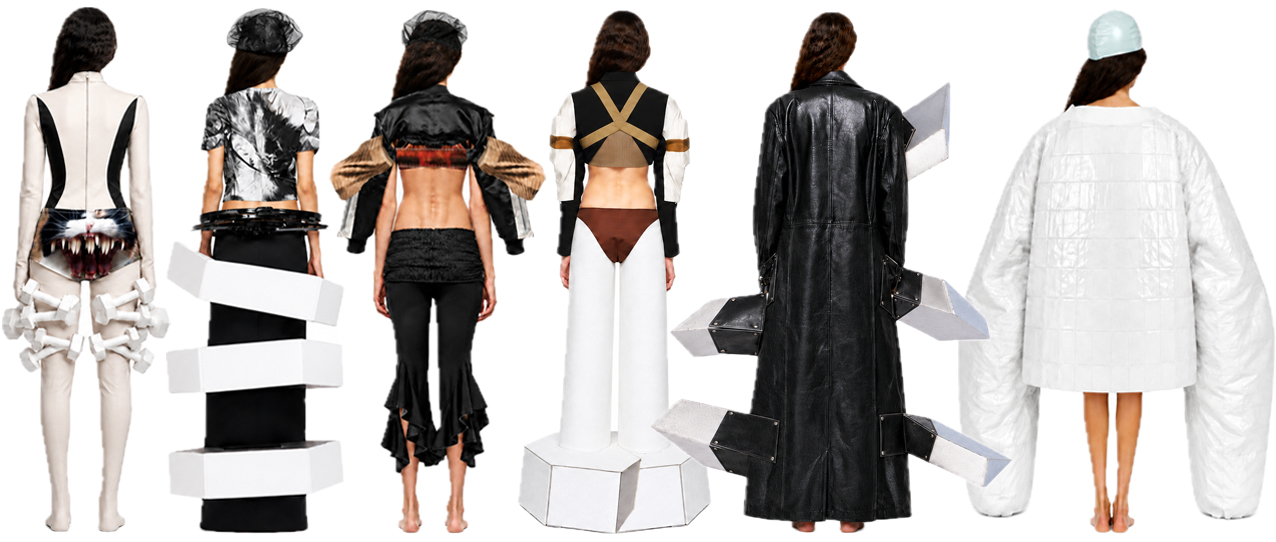
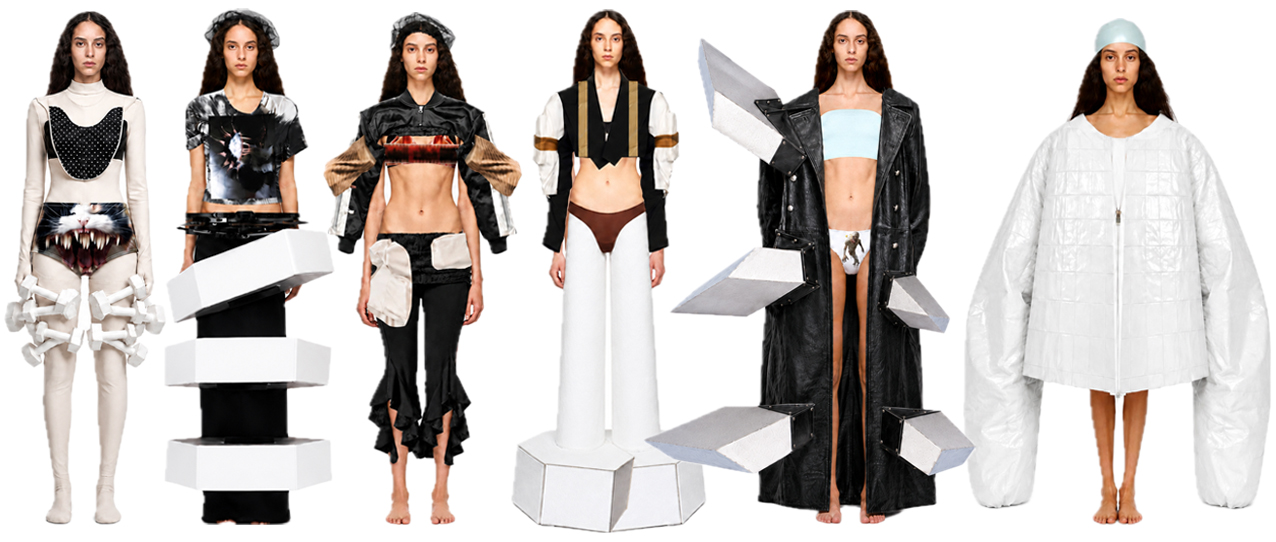
Лайнап сегмента ''ПОСЛУШАНИЕ'' Фронтальный вид
FINAL LINEUP
Images from three different segments of the collection
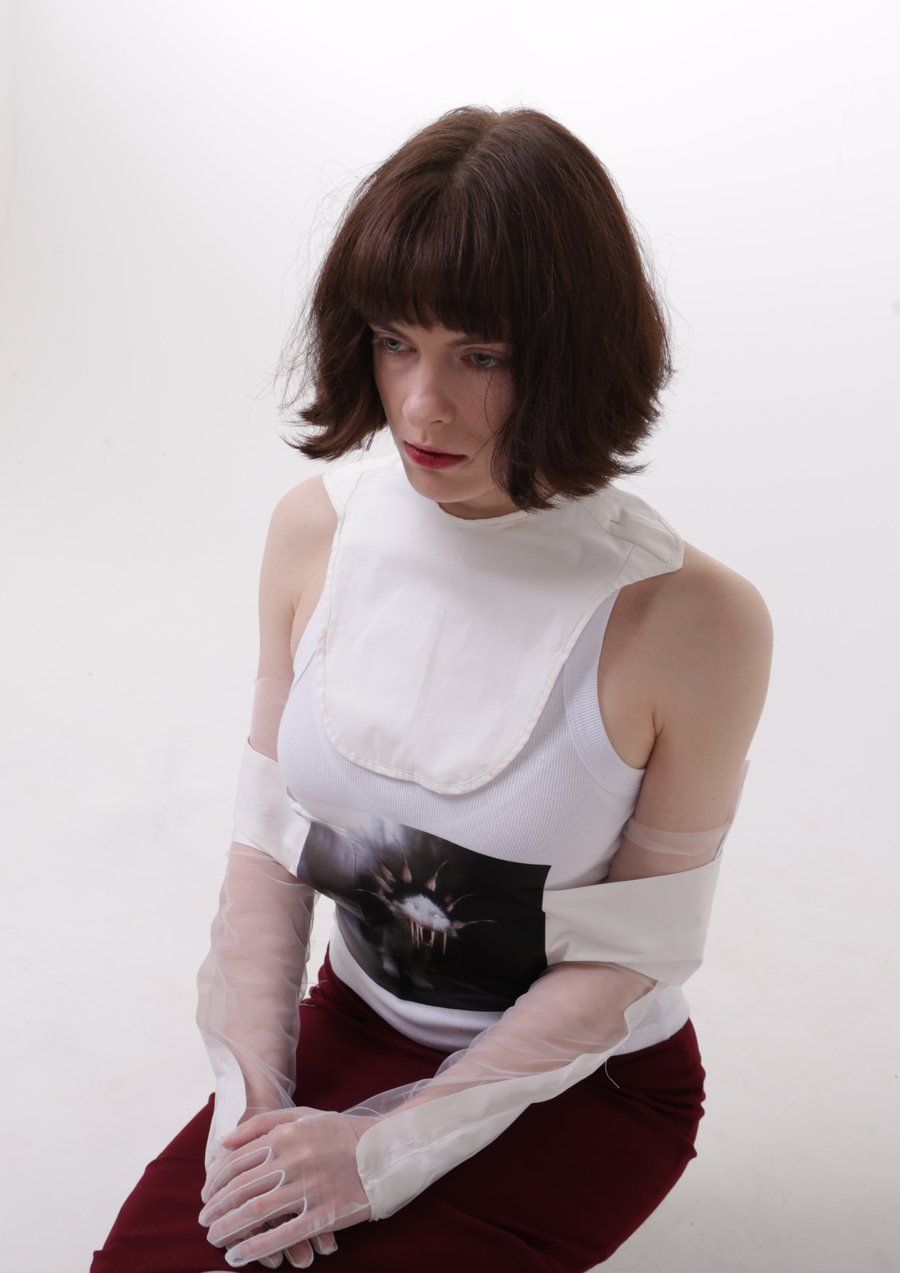
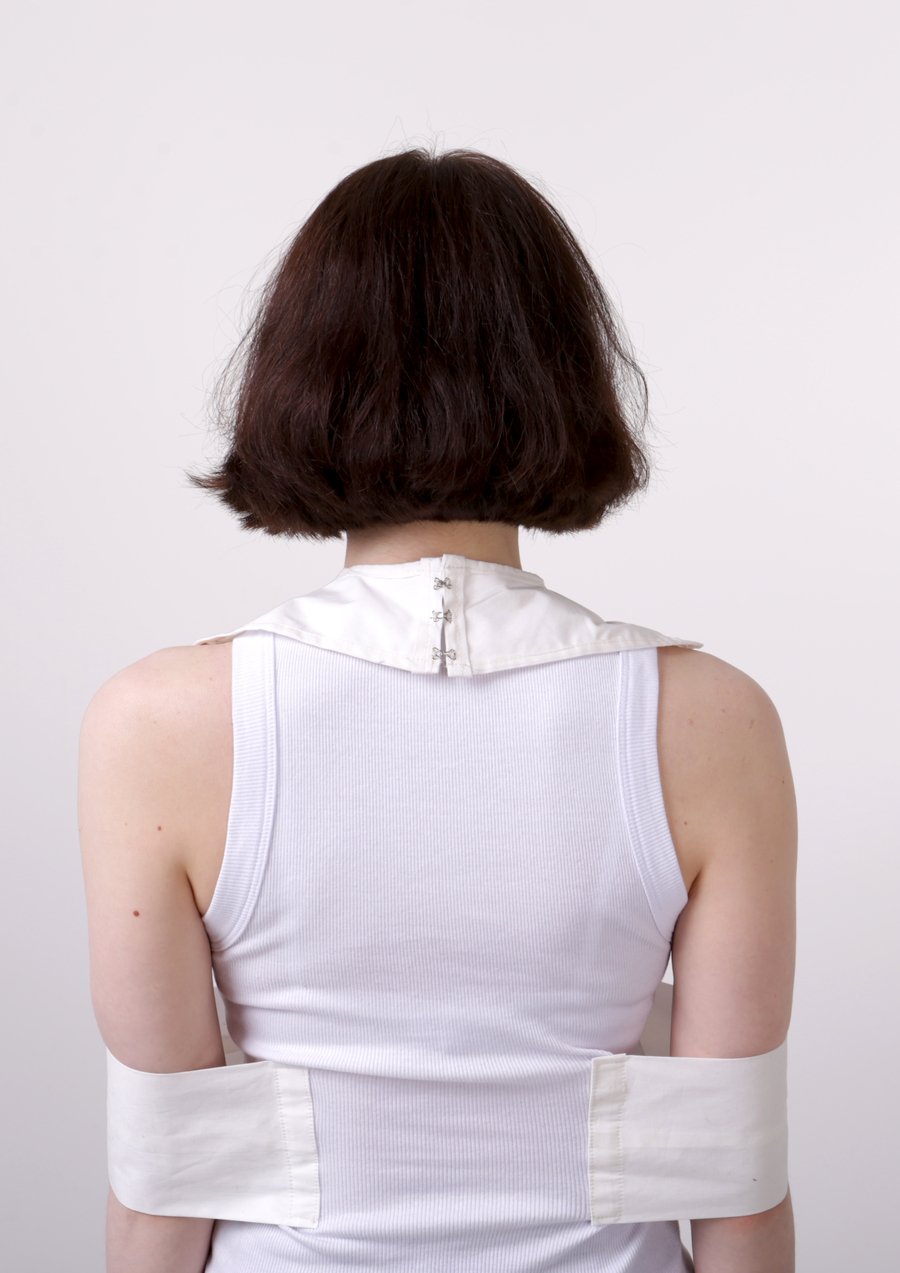
A tank top featuring an overlay bust panel, secured with a horizontal band around the torso and arms; shorts with a modular belt made of rectangular sections. The transparent gloves are augmented with rigid inserts.
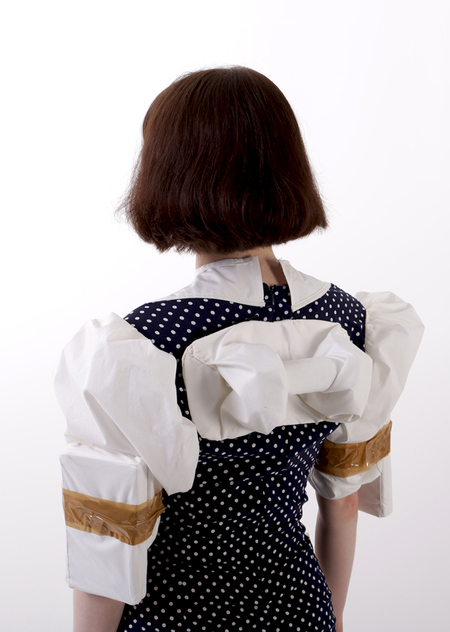
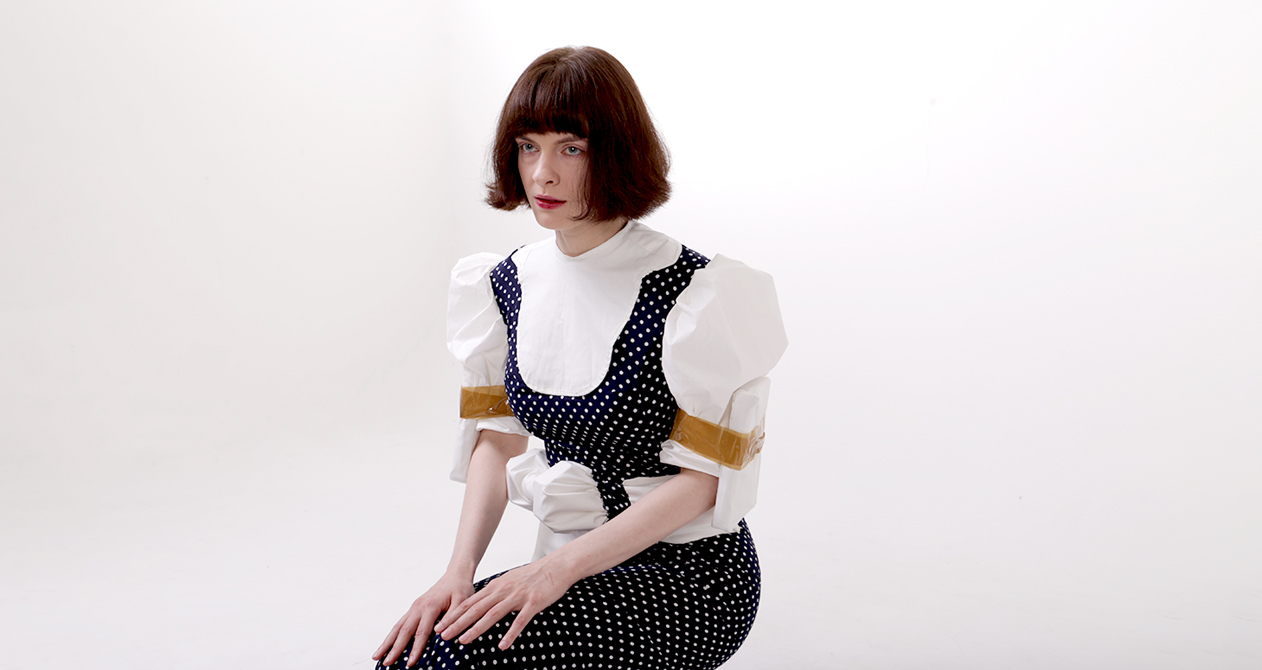
Dress with an overlay bust panel and bell sleeves; voluminous dumbbell and cassette forms are made from fabric and buckram. The cassettes are attached to the sleeves with adhesive tape, and the dumbbell shape on the back is secured with Velcro.
A camisole with embedded plastic tile panels; a voluminous dumbbell shape, constructed from fabric and buckram, is integrated into the side of the skirt.
(No text provided for translation.)