Navigation
- Concept
- Chapter 1. The Meal as Ritual and Family Memory
- Chapter 2. Space as Witness to Life
- Chapter 3. Objects as a Reflection of Absence
- Conclusion
Concept
In the history of Japanese cinema, everyday life has always held a special place. Hirokazu Koreeda, in his films, lends a new meaning to domestic details, and these details become one of the principal elements of the visual language. Through them, the director conveys the characters' various emotional experiences: grief, guilt, loneliness, and longing for someone who is gone.
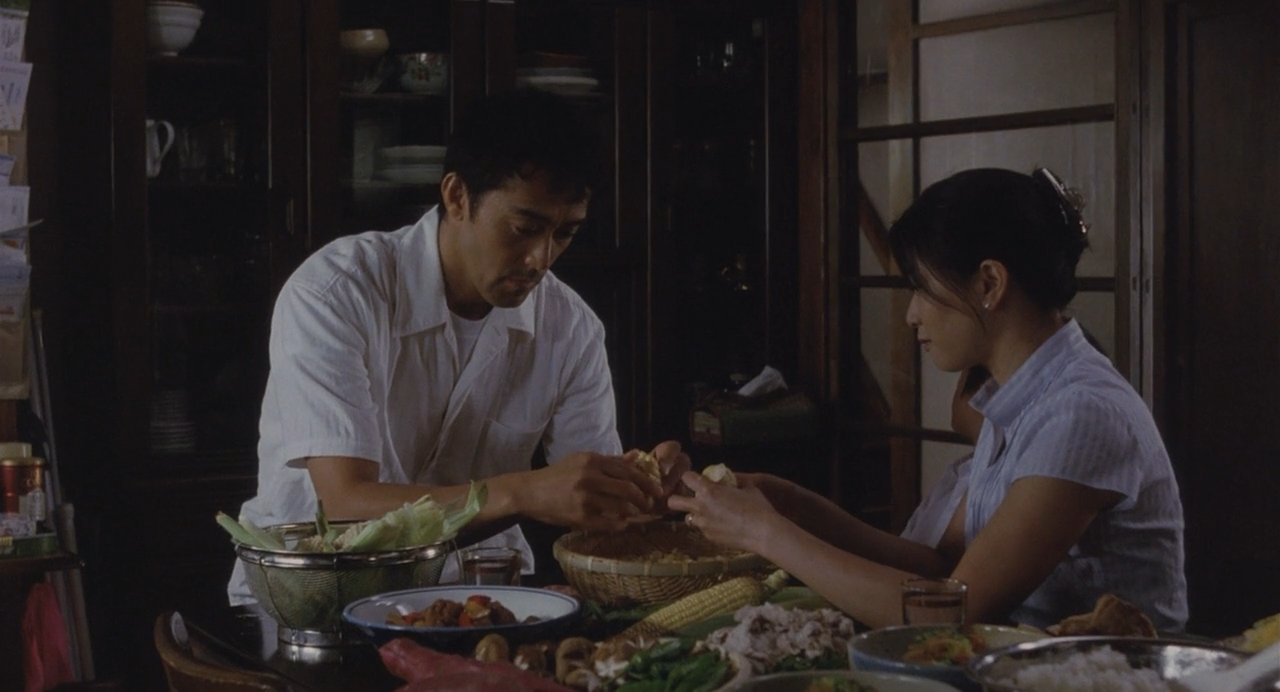
«Together We Go, ” directed by Hirokazu Kore-eda, 2008
The mundane detail in Koroed’s work embodies a dramatic tension that the director deliberately omits from the narrative. The most significant events in his films occur off-screen, and the viewer sees only their aftermath. This detail becomes the link between the present and the past—the absent and the remaining.
of
The visual research will analyze the films «Ghost Light, ” „Nobody Knows, ” „We Go Together, ” „Little Sister, ” „After the Storm, ” and „Shop Lifters.“ The choice of this topic is driven by its ability to examine Kore-eda’s cinema through material detail and understand how drama is constructed in his films without visualizing dramatic events.
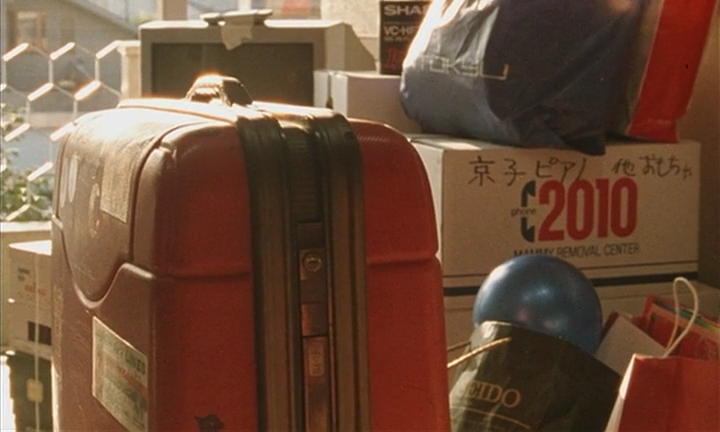
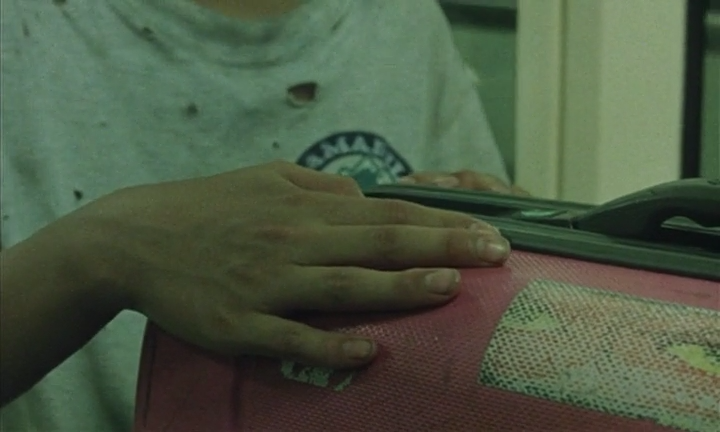
«No One Will Know, ” directed by Hirokazu Koreeda, 2004.
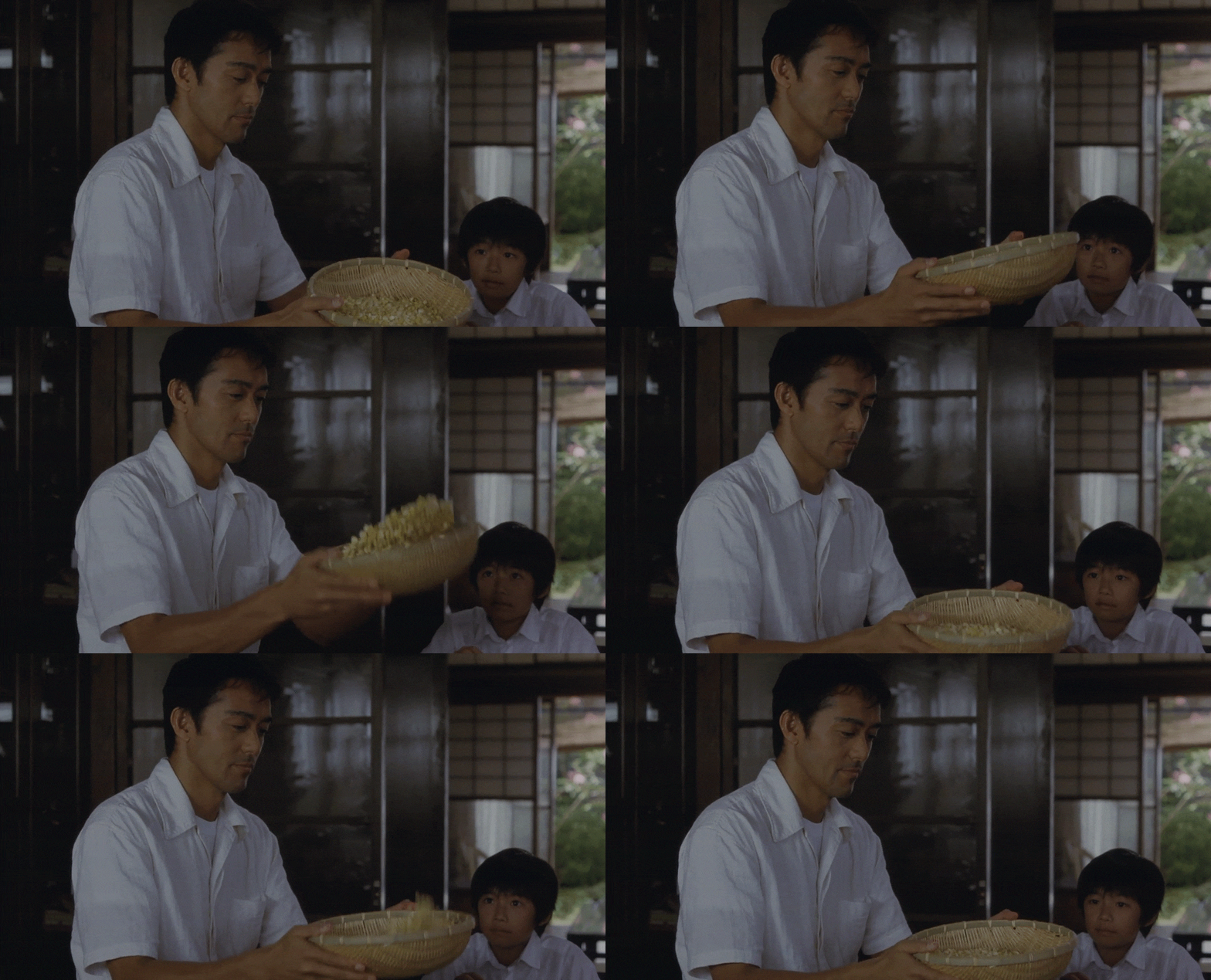
The first chapter explores the ritualistic dimension of the meal, where the family structure—its hierarchy, unspoken grievances, and collective memory—is revealed within the shared table. This is evident in the corn tempura in «Together We Go, ” the plum wine in „Sister, ” and the modest dinners in „Store Thieves.“ The second chapter examines the home and its objects as witnesses to the characters' lives. Korreeda’s residence ages and decays alongside its inhabitants. The suitcases, shoes, and potted plants in „Nobody Knows“ construct a visual narrative of disintegration. The cramped apartment in „After the Storm, ” where a son searches for his late father’s belongings, transforms into an archive of family memory. The house captures the heroes' solitude, serving as either their protector or their trap. The third chapter raises the theme of an object that stands in for an absent person. The items left behind by the deceased make loss and the passage of life visible.
The goal of this visual study is to demonstrate that in Hirokazu Kore-eda’s films, everyday details become the primary visual carriers of drama.
The research structure revolves around three key aspects that reveal the dramatic potential of the mundane detail: the meal as a ritual and family memory, space as a witness to life, and objects as reflections of absence. The paper’s organization corresponds to this tripartite structure. When selecting visual material, preference was given to scenes where the detail functions not as background but as an active element of the dramaturgy, capable of substituting for a narrative event. Theoretical sources were curated considering works that connect the materiality of the cinematic image with memory, time, and space.
Chapter 1. The Meal as Ritual and Family Memory
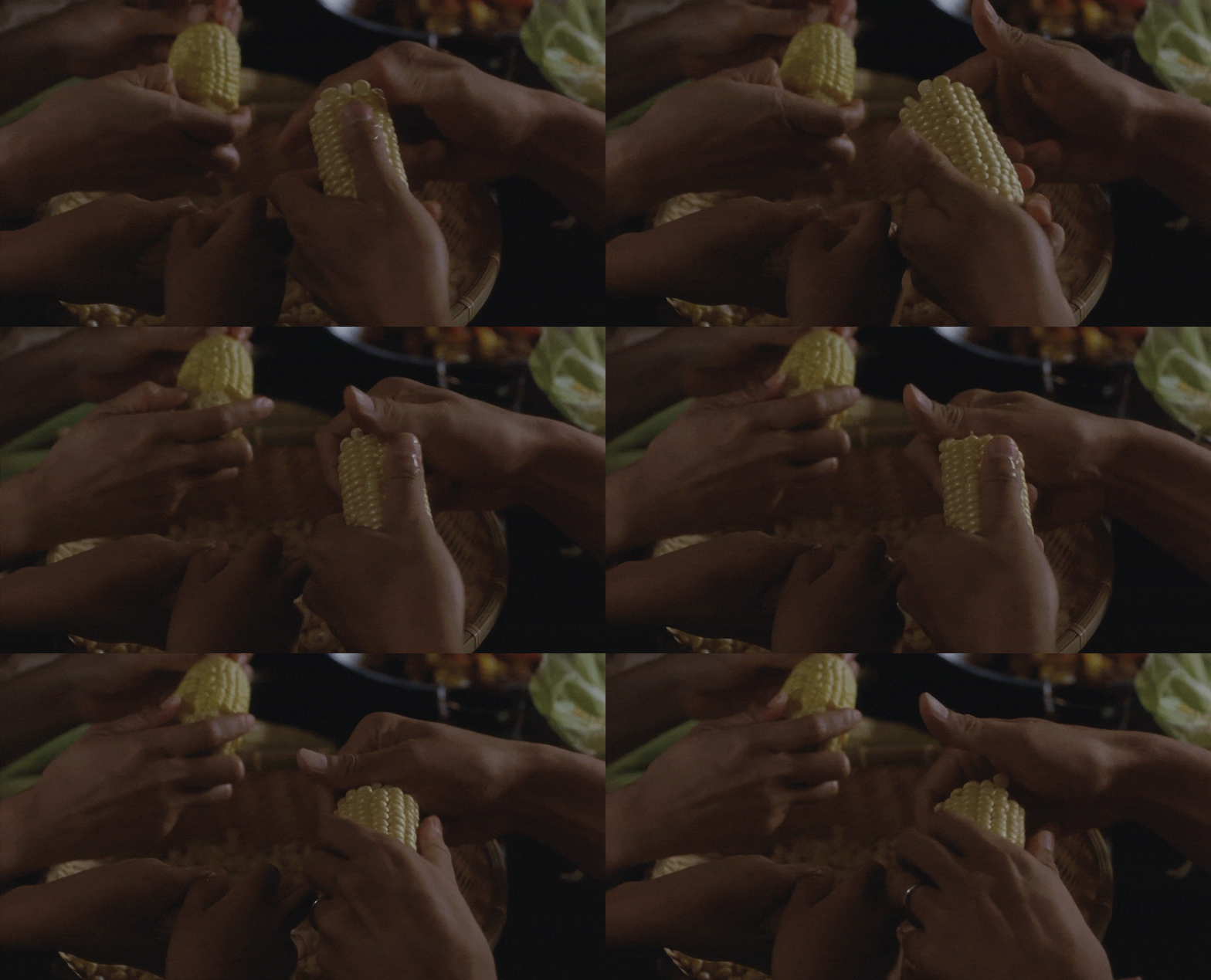
«Together We Go, ” directed by Hirokazu Koreeda, 2008.
«Together We Go, ” directed by Hirokazu Koreeda, 2008.
(The input text is only the letter «пу,» which is incomplete and lacks context. As a Senior Editor, I cannot provide a meaningful translation. I will assume this is a placeholder and return it as is, maintaining the format, although this is not ideal practice.)
пу
«We Walk Together, ” directed by Hirokazu Koreeda, 2008.
rp
«We Go Together, ” directed by Hirokazu Kore-eda, 2008.
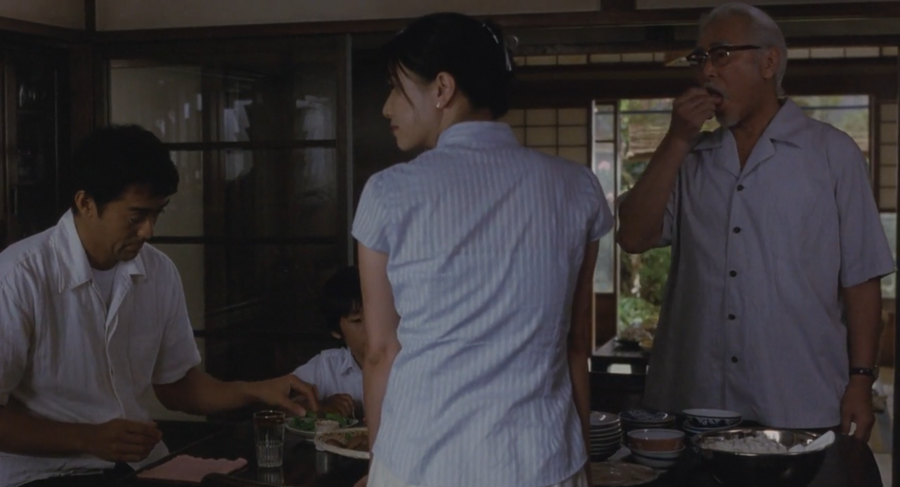
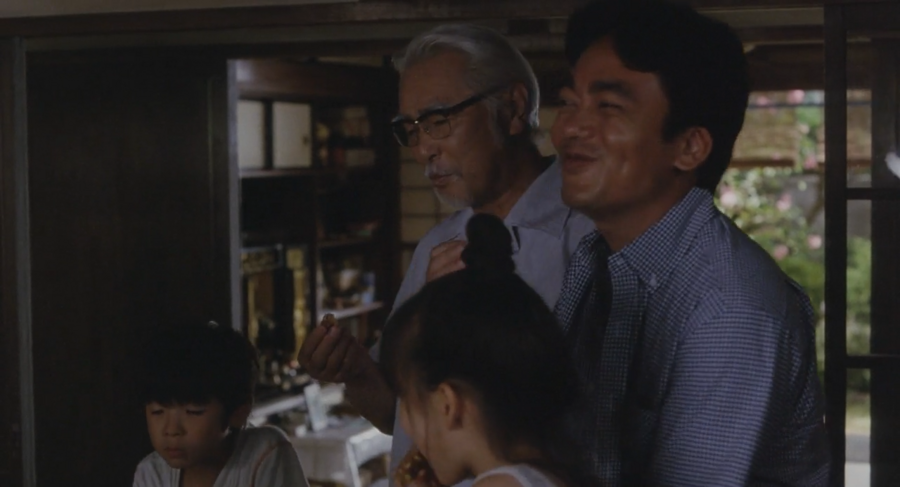
«Together We Go, ” directed by Hirokazu Kore-eda, 2008.
rp
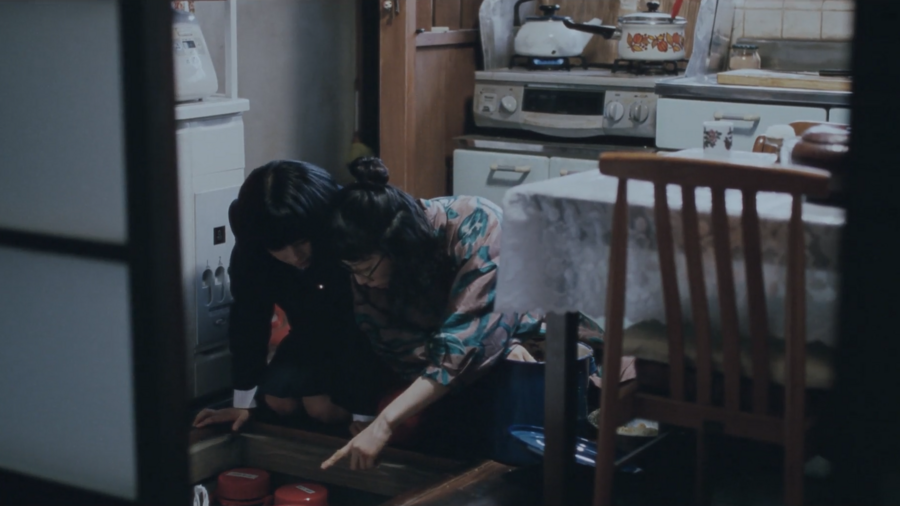
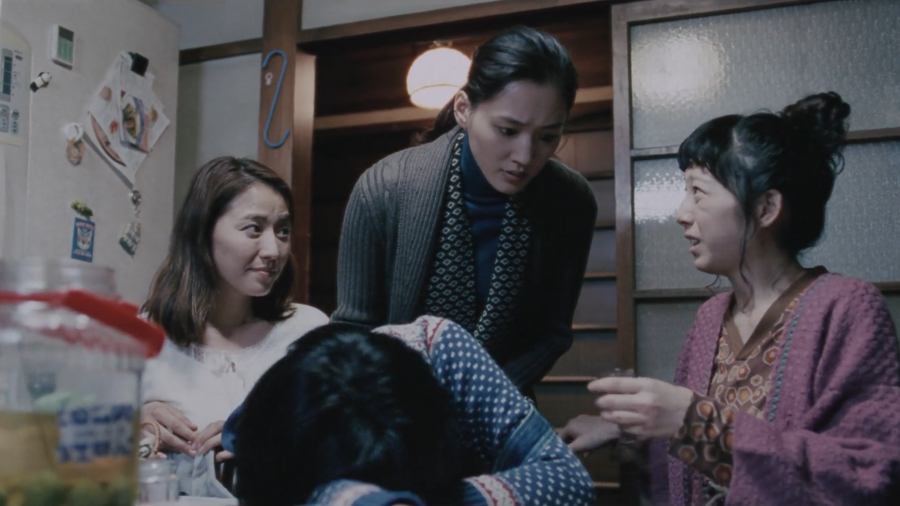
«Our Younger Sister, ” dir. Hirokazu Kore-eda, 2015
op
«Our Little Sister,» dir. Hirokazu Koreeda, 2015
«Our Little Sister,» directed by Hirokazu Kore-eda, 2015.
«Our Little Sister, ” directed by Hirokazu Koreeda, 2015.
op
«Our Little Sister,» directed by Hirokazu Kore-eda, 2015.
A way to reconcile with your mother
«Our Little Sister, ” directed by Hirokazu Kore-eda, 2015