The Problem
Folk crafts in Russia most often exist as museum souvenirs, interpreted as «traditional.» The young urban audience does not see in them a contemporary visual language.
Solution
To reinterpret traditional folk crafts and integrate their visual language into contemporary urban interiors, making the cultural code accessible and understandable for a young audience, thereby contributing to its preservation and dissemination through modern product design.
About the Brand
A brand of contemporary metal lighting fixtures, reinterpreting the visual language of traditional craftsmanship through the possibilities of modern metalworking.
Each collection will be dedicated to a specific traditional craft, reflecting its character through form, ornamentation, and metalworking techniques.The first collection is dedicated to Krestecki embroidery. Its characteristic ornaments and geometric motifs are reinterpreted through metal cutting and perforation.
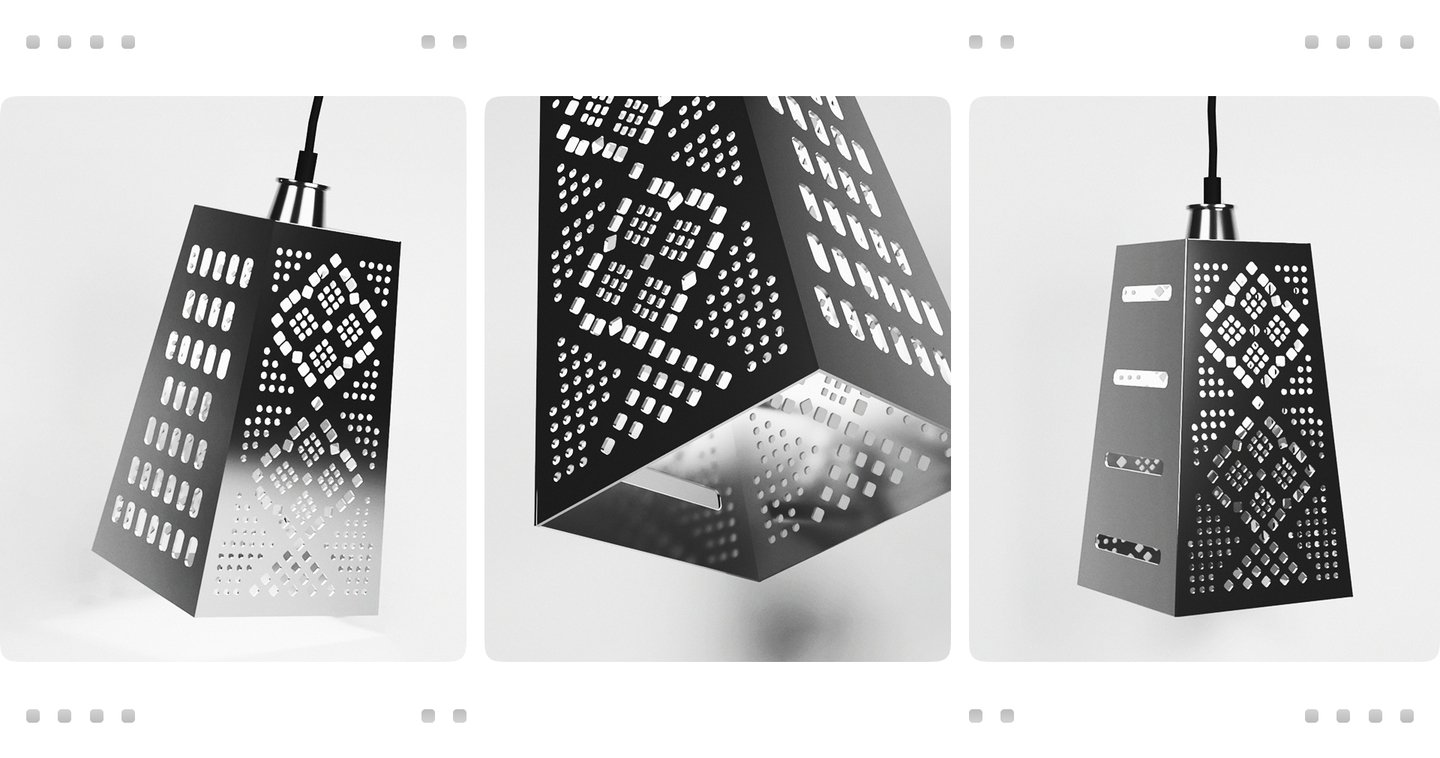
Krestetsky Line
A unique Russian folk craft of openwork embroidery, which originated in the Krestets district of the Novgorod Governorate in the 1860s. This lacy, needlepoint style is executed on sheer fabric (linen canvas) and is distinguished by the strict geometric harmony of its patterns.
Target Audience
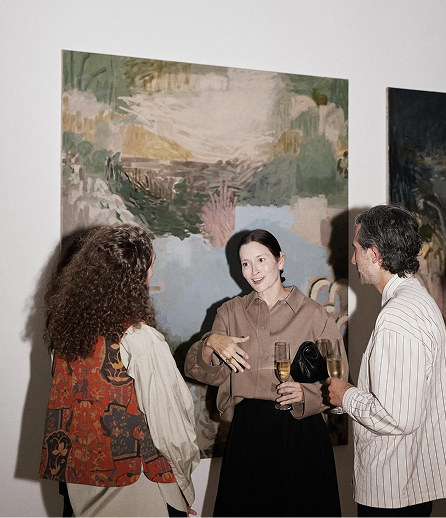
Urban Dwellers
Ages 20–50, interested in design objects, follow Russian furniture and lighting brands, and value pieces with history and meaning.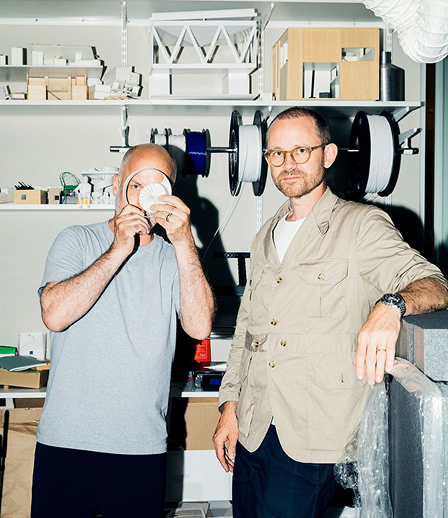
Interior Designers and Architects
They select accent lighting for residential and commercial spaces (cafés, showrooms, pop-up stores).
Competitors
1. Small Russian Lighting and Object Design Brands
This group showcases Russian object design’s interest in metal, geometry, technology, and authored lighting fixtures. Cultural heritage and traditional ornamentation are not the primary focus of these brands. This leaves room for a project at the intersection of metal, light, and traditional craftsmanship.
2. Brands and Projects Engaging with Craftsmanship / Cultural Heritage
This category demonstrates how traditional crafts can serve as a source for contemporary object design, though often other materials and techniques are utilized—textiles, wood, ceramics, painting, and carving. In my project, the cultural source is connected specifically with sheet metal, laser cutting, and perforation, and the ornamentation becomes an integrated part of the structure and the lighting effect.
Advantage
The brand sits at the intersection of contemporary product design, metalworking, and cultural heritage. Unlike projects where a traditional ornament serves primarily as a decorative motif, here it becomes an integral part of the fixture’s structure: it is cut directly into the metal and, when illuminated, creates a pattern of light and shadow in the surrounding space.
Brand Platform
Mission:
To restore traditional visual languages to contemporary object environments through design, technology, and light.
Vision:
To become the leading brand of modern Russian object design that transforms traditional ornaments and craftsmanship into relevant pieces for the urban environment.
Values:
Heritage, modernity, material, technological innovation, intentionality.
Character:
Tactile, serene, exploratory, subtly enigmatic.
Essence:
Cultural Code in Metal
Positioning: Lamps where traditional ornamentation is cut into metal becomes part of the structure and extends beyond the object itself through light.
Conclusion
The research showed the possibility of merging two disciplines: contemporary product design and traditional crafts. Currently, there are brands in the market that focus either on modern metal fixtures and metalworking technologies or on reinterpreting cultural heritage in product design. However, combining these approaches within a single product remains a relatively untapped niche.
Based on this foundation, we propose a brand of contemporary metal lighting fixtures where each collection reinterprets the visual language of a distinct traditional craft through modern metalworking technologies.
1