
BRAND CONCEPT
Each brand collection is inspired by a specific Russian museum and the direction of art it houses. It is not an abstract reference to art in general, but a direct connection to a real place where you can go and see the original source with your own eyes.
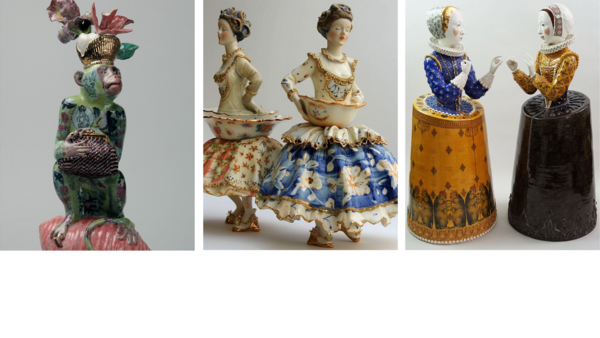
The toy ceases to be merely a beautiful object with an ornamental touch for mood and becomes an object with a genuine cultural lineage. Behind each series is not an invented character, but a specific place that exists—a place one can visit—and an artifact that is genuinely housed there. The characters do not copy exhibits or illustrate them literally. The form’s language, character, and detail are drawn from the source to birth a new, original hero that speaks the visual language of its discipline.
AREAS OF STUDY
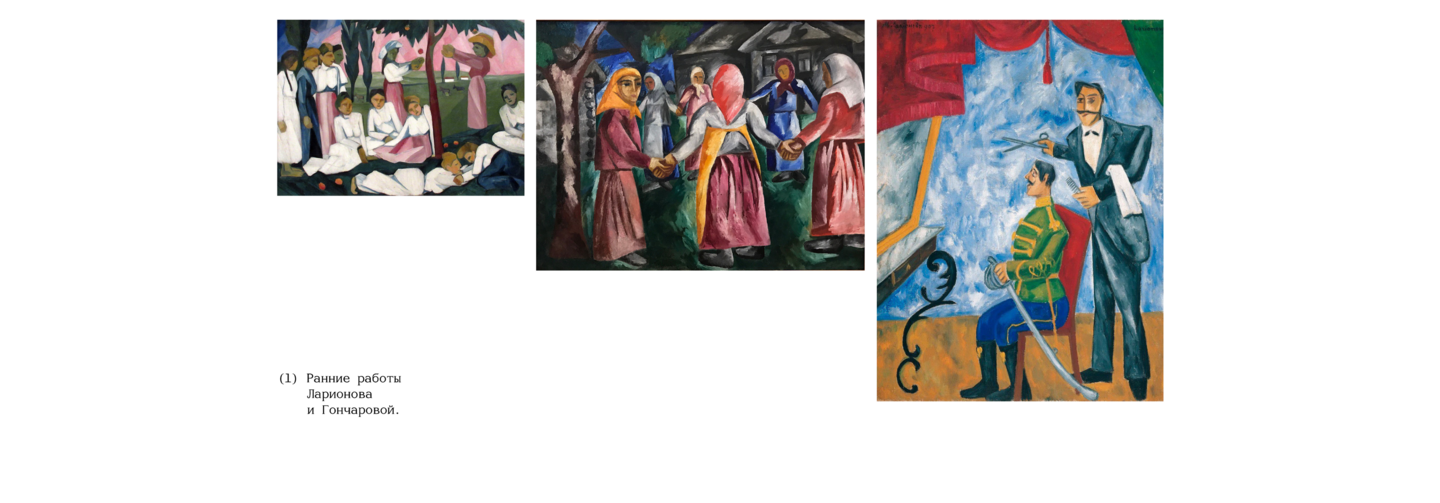
Neo-Primitivism, Tretyakov Gallery
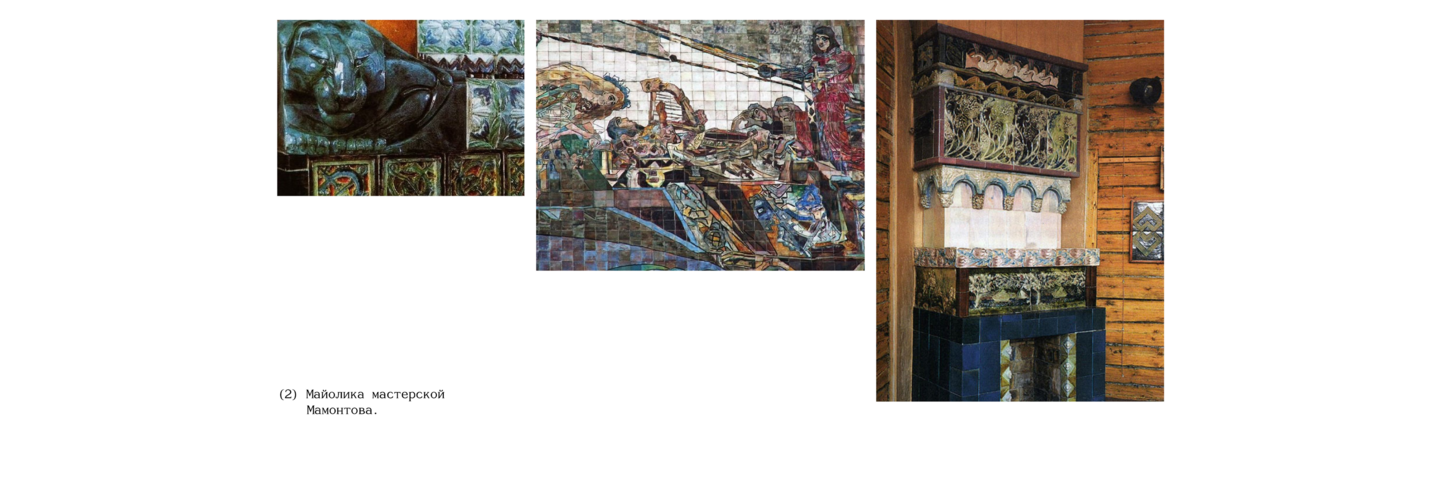
Abramtsev Ceramics, Abramtsevo Museum-Reserve
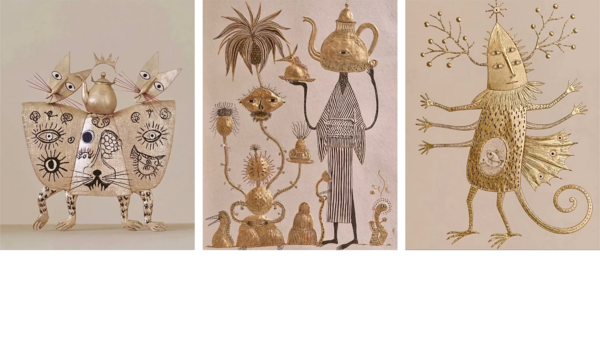
Scythian Gold, Hermitage Museum
REFERENCES
Neo-primitivism, Третьяков Gallery
I embrace a free mix of forms, unattached to any specific person or animal—a deliberately flat and slightly rough sculpting style—and bright color divorced from realism.
Abramtsev Ceramics, Abramtsevo Museum-Reserve
I adopt the principle of a body assembled from individual colored segments—as if the figure were constructed from mosaic fragments—yet it retains a single, cohesive silhouette.
Scythian Gold, The Hermitage
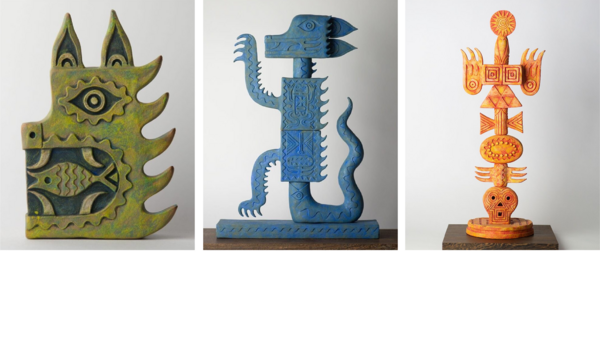
I am not referencing the image of a specific animal, but the language of its form: a solid silhouette with sharp, serrated protrusions, a large focal eye serving as the compositional center, and ornamentation integrated into the body’s structure rather than applied on top.
PROBLEM
Museum art remains inside the museum
Many areas housed in Russian museums—Scythian gold, early avant-garde works, Abramtsev ceramics—rarely become part of an individual’s daily life outside the exhibition hall. When such a transition does occur, it is usually limited to souvenir items, magnets, and mugs featuring reproductions—pieces lacking independent artistic value. The Christmas ornament market functions similarly. The mass-market segment offers anonymous décor devoid of history, while designer brands rely on general folklore or personal fantasy rather than a specific cultural source.
SOLUTION
The Christmas Ornament as a Way to Take the Museum Beyond Its Walls
The brand closes precisely this gap: it transforms the museum direction into an independent design object, rather than a miniature version of it, and turns the Christmas ornament into a product with a verifiable cultural source instead of a generic folklore or author’s story. This resolves both sides of the problem simultaneously: the museum gains a new form of presence in people’s lives, and the toy market receives a product it has been lacking.
BRAND PLATFORM
TARGET AUDIENCE
COMPETITORS
Direct (original Christmas ornament)