
The «Banya» Line (hats, mittens, robes), speaking the language of Soviet comedies.
In Soviet cinema, the banya was depicted not as a hygiene practice, but as a ritual of leisure with loved ones—today, this tradition is being displaced by either sterile spa formats or is disappearing entirely from urban life.
Project Relevance
The market for bath accessories today is highly polarized: on one side, there is faceless mass-market products with utilitarian packaging; on the other, there is sterile premium-SPA lacking character or soul. Yet, in popular culture—largely thanks to Soviet cinema—the banya (sauna) is established as the primary social ritual of intimacy, sincerity, and genuine connection.
The relevance of this project lies in creating a brand that fills this semantic void. It reintroduces a recognizable, warm, and ironic visual language into modern life—one that communicates with the audience without words—and transforms the trip to the sauna from a mere act of «body care» into a complete respite for the soul.
Three Trends Converge on One Point
Nostalgia. Soviet aesthetics consistently rank in the top five visual trends in Russian design (according to Strelka Mag and Shuka research). This is not retro kitsch; it is a language that an audience over 30 understands without needing translation.
The Lack of a «Third Place.» Since 2022, Russians have been widely rethinking leisure formats, with most citing «warm gatherings with loved ones» as their primary way to relax.
Tired of Glossy Aesthetics. As of 2025, demand for «cozy interiors» and «alternative leisure» has grown significantly—people are seeking simple, non-digital ways to connect.
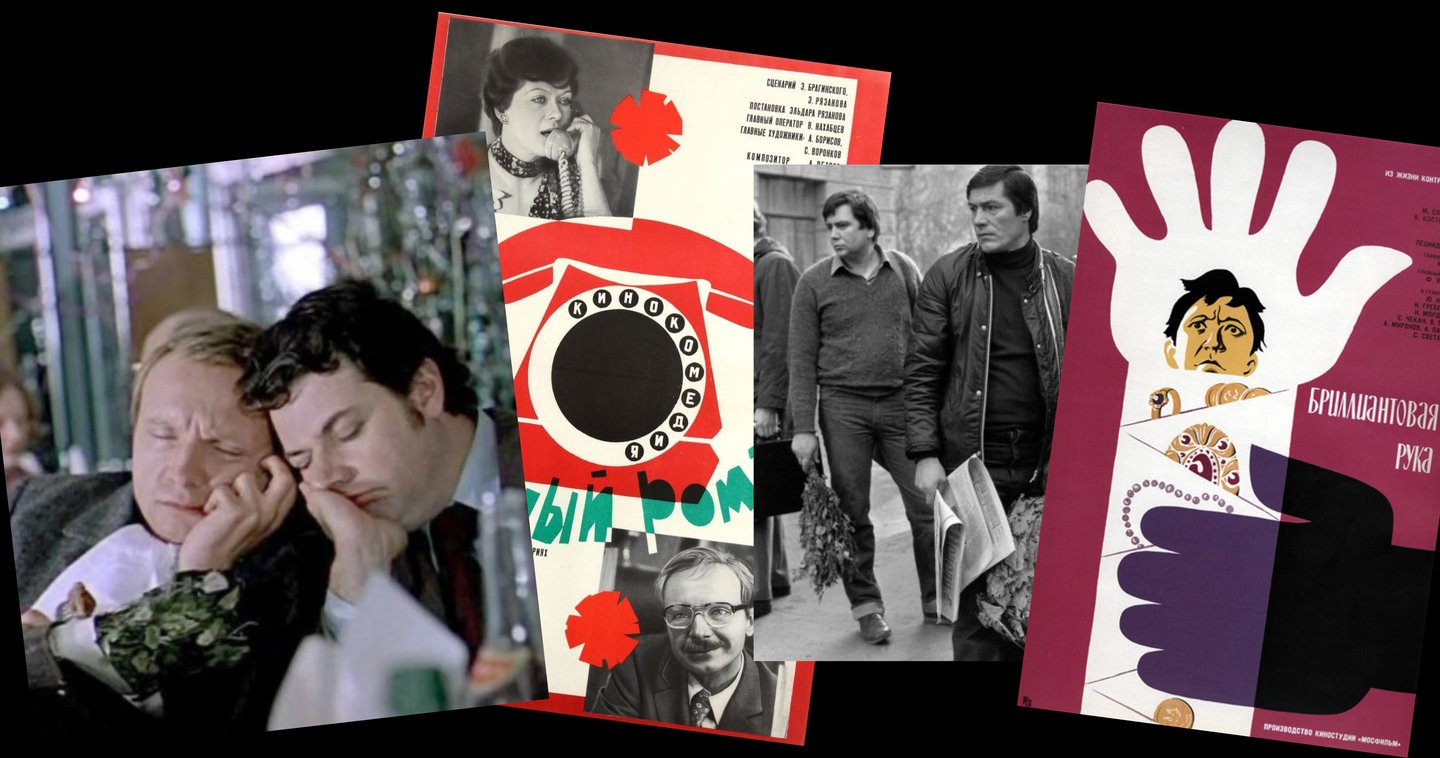
Problem
Bath-related products on the market are either faceless (utilitarian mass-market packaging) or sterile-luxury (spa aesthetic devoid of character)—no brand speaks in a language that is familiar and close to the consumer personally.
Solution
To create a bath line brand structured around a friendly, unglamorous evening experience, with a visual and verbal language drawn from Soviet cinema—that very source that shaped the audience aged 30+ (and others) in their understanding of the bath as a ritual of intimacy.
Target Audience

Urban residents aged 28–45 for whom the banya is not a tourist attraction, but a regular or desired ritual with friends or family; grew up watching Soviet comedies and quote them in daily life.
Competitors
Pros: natural ingredients, eco-friendly presentation, material aestheticsCons: lacks a distinct brand character, doesn’t stand out among similar brands, the product speaks for itself rather than the ritual in which it is used
Brand Platform
Positioning: The first banya brand that speaks to the consumer in the language of Soviet cinema, transforming a trip to the steam room into a friendly, unpolished ritual. Unique Selling Proposition (USP): Banya accessories where every item carries a visual reference to beloved films, creating the atmosphere of «that very» evening with loved ones. Mission: To bring vibrant social connection and the tradition of a «light steam» back into everyday life—a time when phones are set aside and company takes center stage. Values: Sincerity, warmth of companionship, irony, respect for tradition, tactility, and naturalness. Brand Character: Familiar, warm, with a light touch of nostalgia and good humor. Without pomposity, gloss, or preachy tones.
Brand Concept
The Soviet bathhouse in film is always a story of encounter. The steam room was shown not merely as a place for washing, but as a space where social roles dissolve, leaving only company. The brand is built around this idea.
Saunas with friends or family—here we feature vibrant, quote-worthy prints and matching sets. The product becomes a reason for jokes, a toast, or a group photo.
Brand Promotion
The promotion strategy is based on native storytelling and engaging with a cultural code already familiar to the audience: