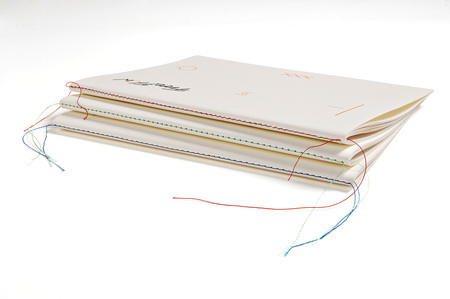
BALLET MAP
КОНТЕНТ-ПЛАН
BALLET MAP — educational media for those studying ballet or just getting started.
This is a digital cheatsheet designed to help you grasp ballet terminology, master the theoretical foundation, understand the structure of a classical lesson, and build a systematic learning plan.
My goal is to instill a love for art and to explain the material in a way that is accessible and useful.My media platform will gather clear analyses of movements, terminology glossaries, training diagrams, recommendations for organizing independent practice, materials on the history of ballet, and answers to the questions beginners frequently ask.
The main idea of the project is to make ballet education more understandable and systematic—so that a person doesn’t get lost among disparate resources, but can gradually navigate the world of ballet and develop consciously.
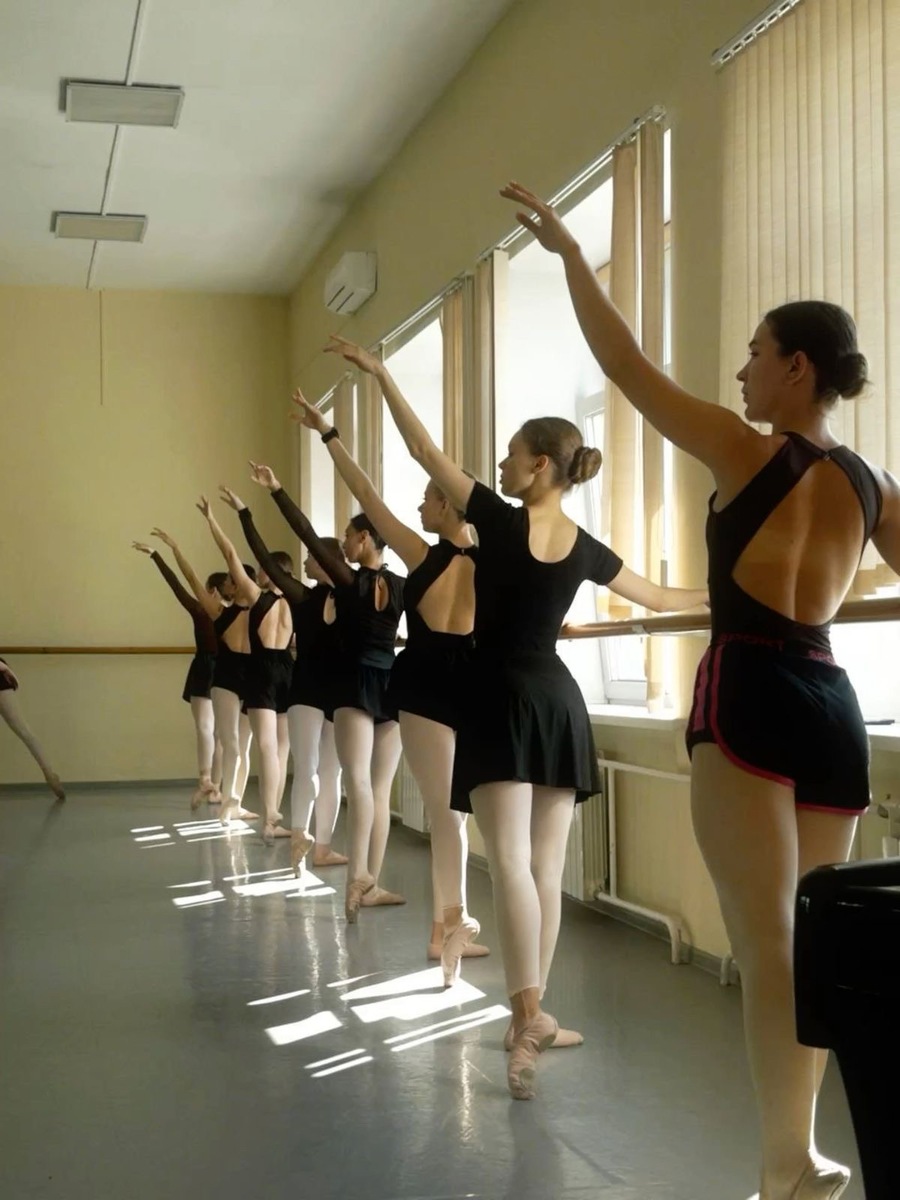
Six-Month Blog Development Plan
Detailed 26-week content plan.
My media presents a sequential educational program. Each month addresses a different stage: an introduction to ballet, fundamentals, lesson structure, technique, independent session organization, and knowledge consolidation.
Month 1: Introduction to Ballet
Goal: To attract newcomers and alleviate the fear of unfamiliar terminology. In the first month, we will study the basic positions, directions of movement, the structure of the ballet studio, musical comprehension, fundamental rules, and a beginner’s vocabulary.
Month 2: Ballet Vocabulary
Objective: to teach students to understand the names and meaning of movements. French terminology, directions, basic machine movements, and simple combinations.
Month 3: How the Lesson Works
Goal: To provide a system and explain the logic of a ballet class. The sequence of exercises at the barre and center stage, the objectives of each block, coordination, and musicality.
Month 4: Technique and Mindfulness
Goal: To help students understand the technical principles and recognize common errors. Posture, coordination, footwork, stretching, musicality, and safe practice principles. We will also analyze ballet videos as a way to learn how to spot others' mistakes.
Month 5: Building Your Practice
Objective: to teach students how to organize their learning and track their progress. Setting goals, daily logs, review, revision, interaction with the instructor, and individual constraints.
Month 6: From Knowledge to Independence
Goal: To reinforce knowledge, help users identify gaps, and map out their next steps. This includes reviewing terminology, taking comprehensive tests, analyzing lesson material, and utilizing a personal knowledge map to determine the next level of the program.
Content Samples
Ballet Glossary
The purpose of this section is to explain the French terminology that is constantly used in classes, using simple and clear language. It aims to help newcomers understand the instructor and memorize professional vocabulary.
Main format: cards featuring the term, transcription, translation, explanation, and usage example.
Publication Examples: «What is plié, tendu, and relevé?»; «En dehors and en dedans: What’s the difference?»; «What do the words adagio and allegro mean?»; «5 terms you need to know before your first class.»
2. Ballet Cheat Sheet
Idea: to compile essential information into visual materials that students can easily refer to before or after class.
Main format: infographics, diagrams, comparison cards, and short visual instructions that one wants to preserve.