The Life of Art Before, During, and After the Exhibition
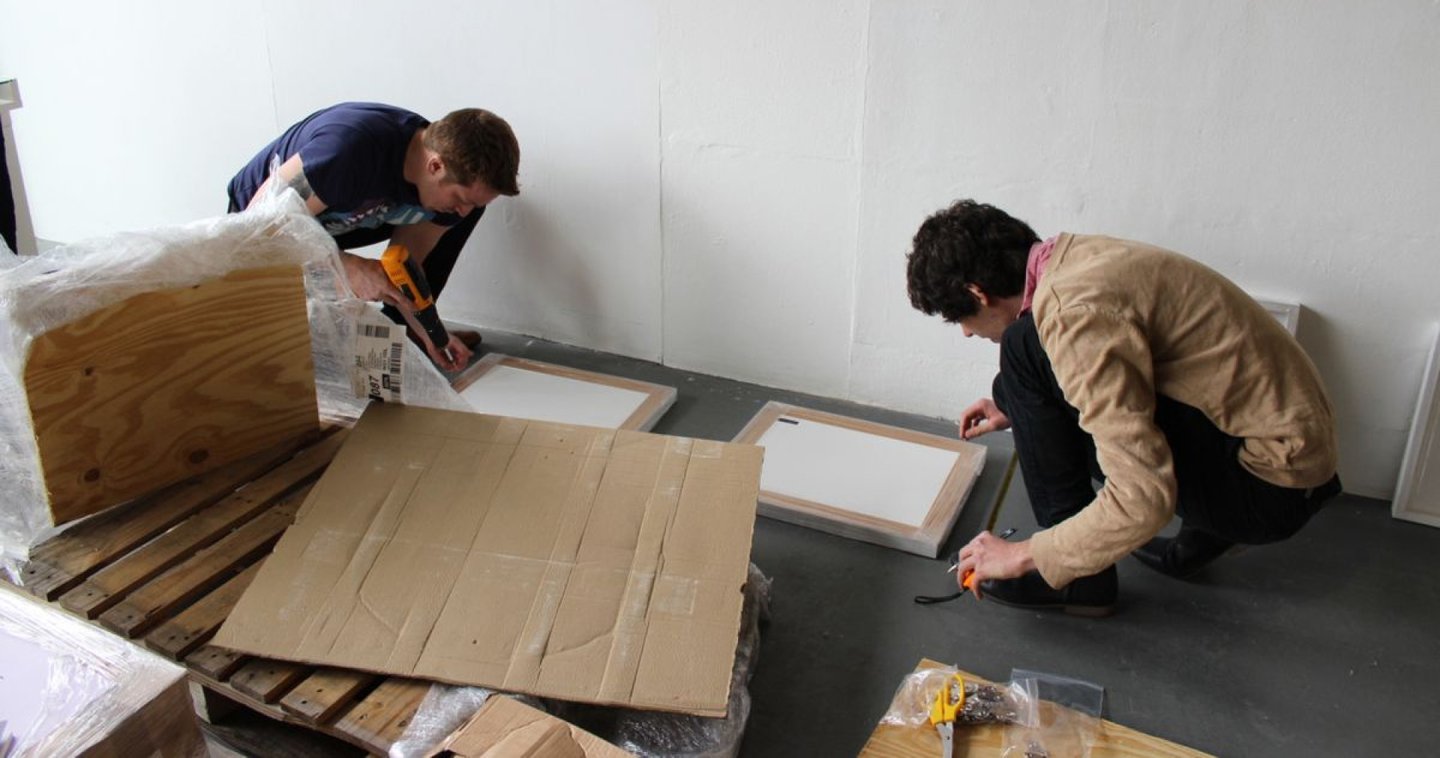
BACKSTAGE — a Russian-language visual media outlet focused on the physical life of contemporary art. It documents how works are created, transported, installed, and maintained during an exhibition—and what happens to them after it closes: from deinstallation and storage to re-exhibition or disappearance.
(1) Media Goal
The audience sees the finished work in the gallery—only one snapshot of its life. BACKSTAGE reveals the materials, decisions, and people behind the creation before it reaches the public, and then traces its subsequent journey.
For visitors, this offers an opportunity to deepen their understanding of the piece. For those who create their own artistic projects, it serves as a verifiable case study in working with material and space.
(2) Future Media Themes
Segment + Niche Topic
Content Segmentation
Broad Focus: B2C — culture and visual media, contemporary art, and exhibitions.Niche Specialization: The physical life of an artwork before, during, and after display — from creation to storage, re-exhibition, or disappearance.The Complete Lifecycle of a Work
BACKSTAGE’s main protagonist is a specific work and its physical biography. The media tracks how the artwork evolves, who is involved in its creation and preservation, and what happens to it after an exhibition closes. Season one is dedicated to installations, media art, and works made with mutable materials.The artwork’s journey: production → transit → installation → display and stewardship → deinstallation → subsequent fate.Potential Publication Topics
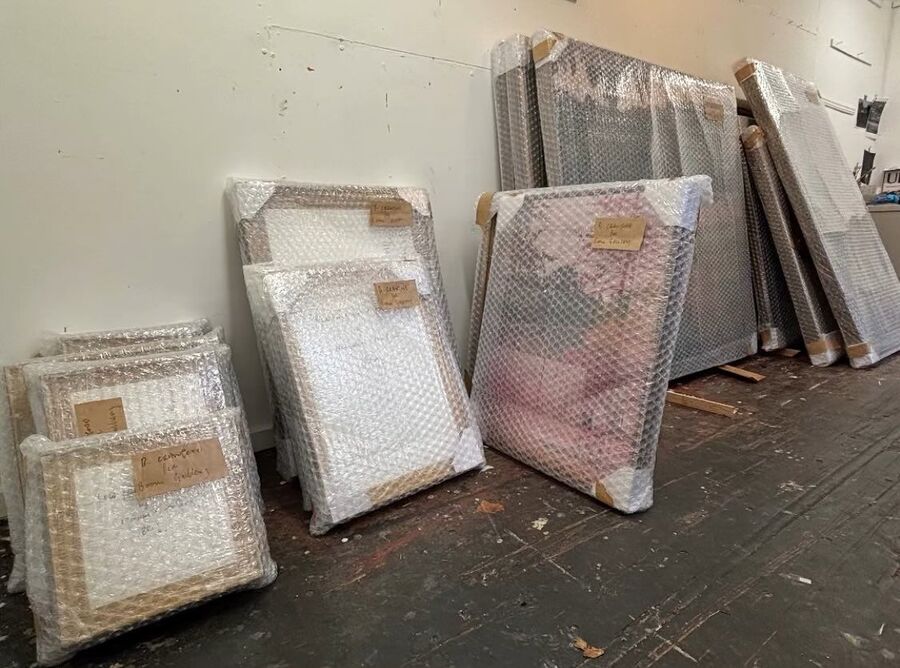
1. «Making Art”—how an idea takes physical form; „Art Under Scrutiny”—how works are packed and transported; „Curating an Exhibition”—how they are assembled and adapted to a space.2. „While You View”—how artworks are serviced during a show; „After Hours”—how they are deinstalled, stored, and prepared for the next exhibition; „Where Does Art Go?”—what remains of temporary and ephemeral works.(3) Competitors and their analysis
We compare specific publications and series that engage with contemporary art, production, and museum processes. We analyze public content; reach, engagement rate, and subscriber preferences were not measured.
Analysis Criteria
Thematic RelevanceWhat processes are being covered.Content Formats
Text, interviews, photography, video.Platforms and Tools
Website, social media, print, short forms.Visual Style
Object, person, document, graphics.Tone of Voice
The character of the conversation with the reader.Audience Engagement
Navigation, discussion, subscription, selection.Content Uniqueness
Editorial focus and depth of the process.
(3.1) Direct Competitors
«Svody: A2»
A regular publication covering materials, workshops, and conservation. Available in print editions and an online archive, featuring expert commentary.Similarity: Production becomes an independent editorial focus.Difference: The publication features thematic issues rather than updating the biography of a specific work.MoMA
Films and materials on the installation, conservation, and restoration of works. Specialists explain their decisions.Similarity: Access to real museum processes. Difference: Stories are limited by the museum’s collection and institutional framework.
Art21
Documentaries about workshops, production, and installation of artworks. Website and YouTube; a personal, observational voice.Similarity: The process is shown through action and participants.Difference: The artist is more central; a narrative about the object’s future is not required.(3.2) Indirect Competitors
«Artguide»Insight into the Russian art scene, interviews, and professional context. Production and installation are covered in separate materials but are not a constant focus of the media.The Art Newspaper RussiaArt news, institutional updates, and market trends, with coverage of conservation and museum infrastructure. The focus is on the relevant contemporary agenda rather than the chronological history of a specific artwork.Arzamas
Accessible delivery of cultural context through courses, articles, audio, and video. The primary focus is on history and ideas; the physical presentation of the works remains outside the main theme.These projects help navigate the art and cultural life. BACKSTAGE concentrates on one question: how an artwork exists before, during, and after an exhibition.
(3.3) Potential Competitors
Garage Museum — Open StorageDirect access to the collection, specialists, and archives. Could develop regular features about the assembly, care, and storage of works, while staying within the museum’s own collection.Factum Arte
Detailed photographs and films about art production. Could turn an archive of the studio’s own projects into an editorial series for a broad audience; currently, the studio’s portfolio remains the core focus.Crozier — Inside the Crate
Expertise in art packaging, transportation, and storage. Could develop narratives around individual artworks, but the current content focuses on the company’s services and professional client challenges.
Analysis Insights
This Topic Already Exists
Behind-the-scenes access is not a unique selling proposition in itself.The «After» Is Also Documented
The ability to regularly revisit a specific project.The Work Is Central
Connecting the testimonies of the artist, the museum, and the manufacturers.Tangible Change
Beginning with a physical transformation—a hypothesis for presentation.The Document Becomes a Narrative
Explaining verified information through accessible diagrams.Access Defines Possibility
Combining local reports with documented case studies.Continuity Can Engage
Testing the return to the history through subsequent chapters.
(4) Distribution Channel
Main media platform Telegram channel
Platform Roles
Telegram ChannelThe primary platform. All exhibitions are featured here first and in full: stories of the works, installation photographs, short videos, and interviews with participants in the exhibition process.Reactions, comments, and polls help facilitate discussion and suggest themes. A pinned post with an outline organized by hashtags unifies the «before, ” „during, ” and „after exhibition“ sections.WebsiteArchive and deep immersion. Stories of the works, complete with photographs, interviews, and a route tracing the journey from creation to its subsequent fate. Searching by artist, title, or material helps locate a specific piece and learn what happened to it after the exhibition.(5) Target Audience