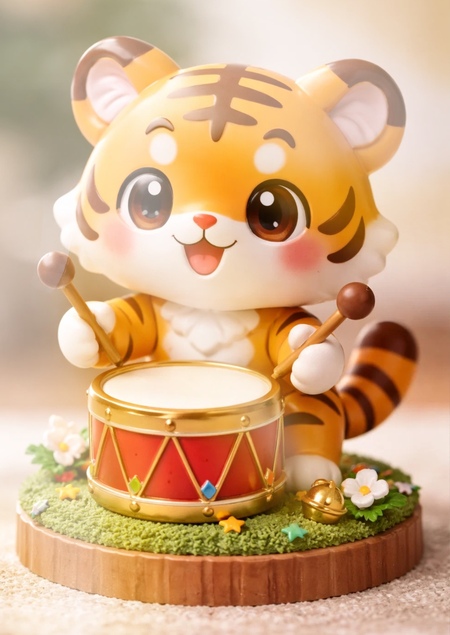
Concept
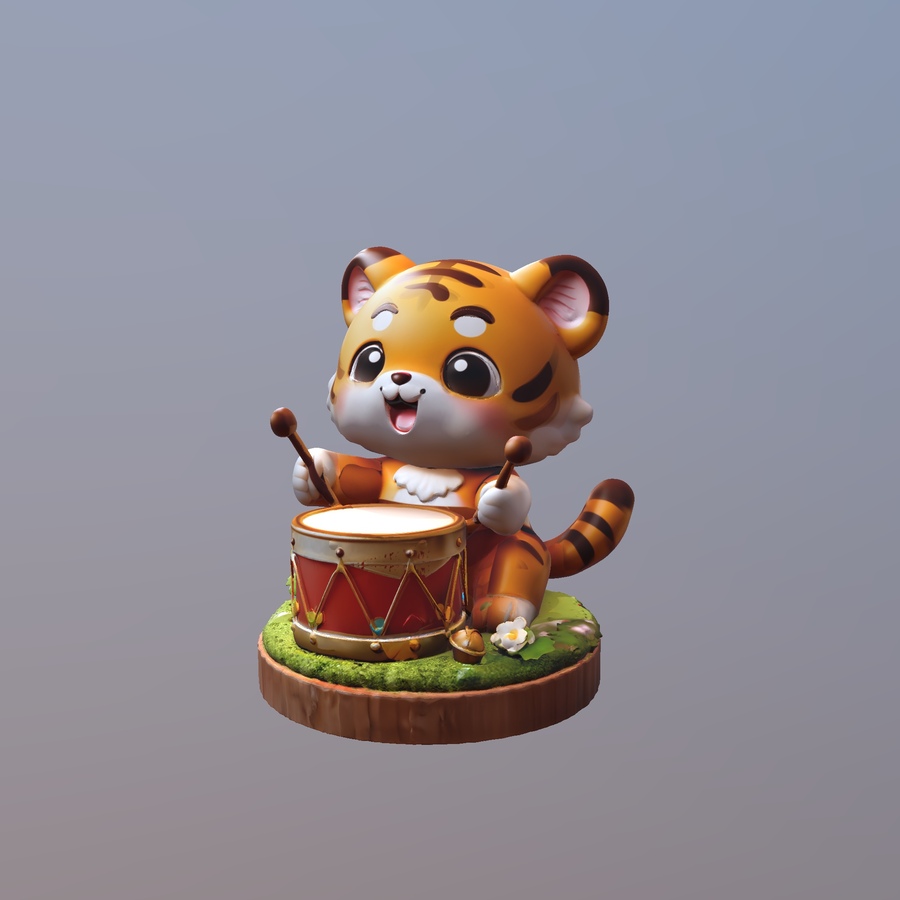
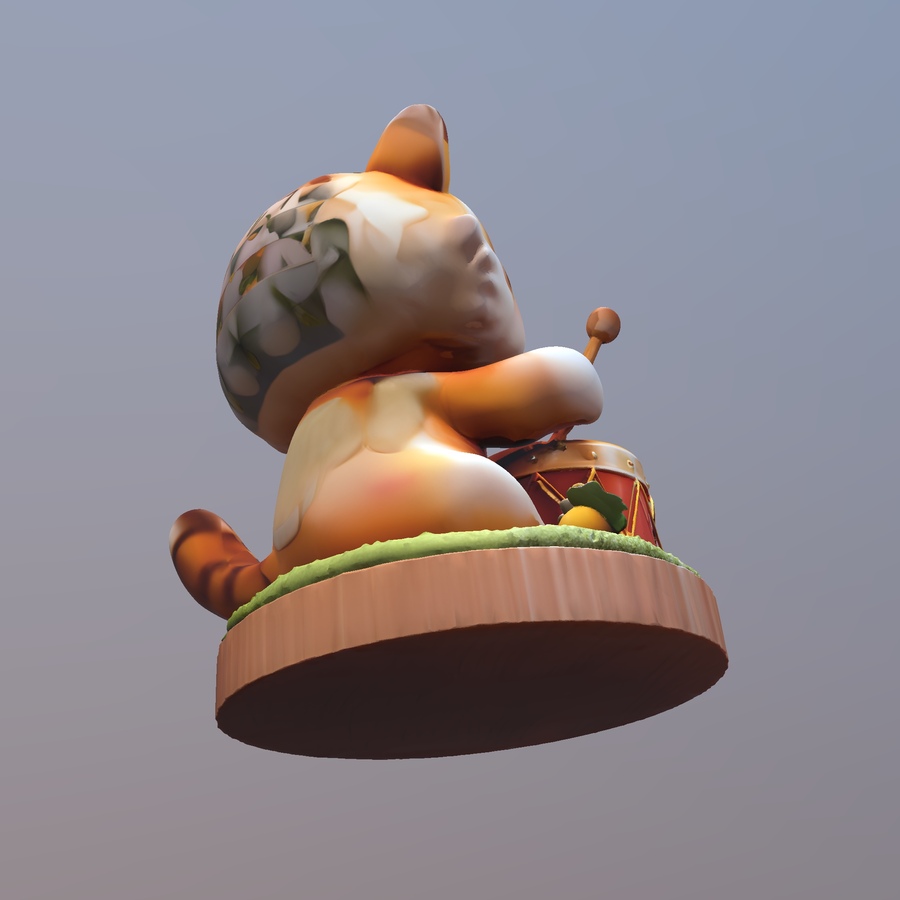
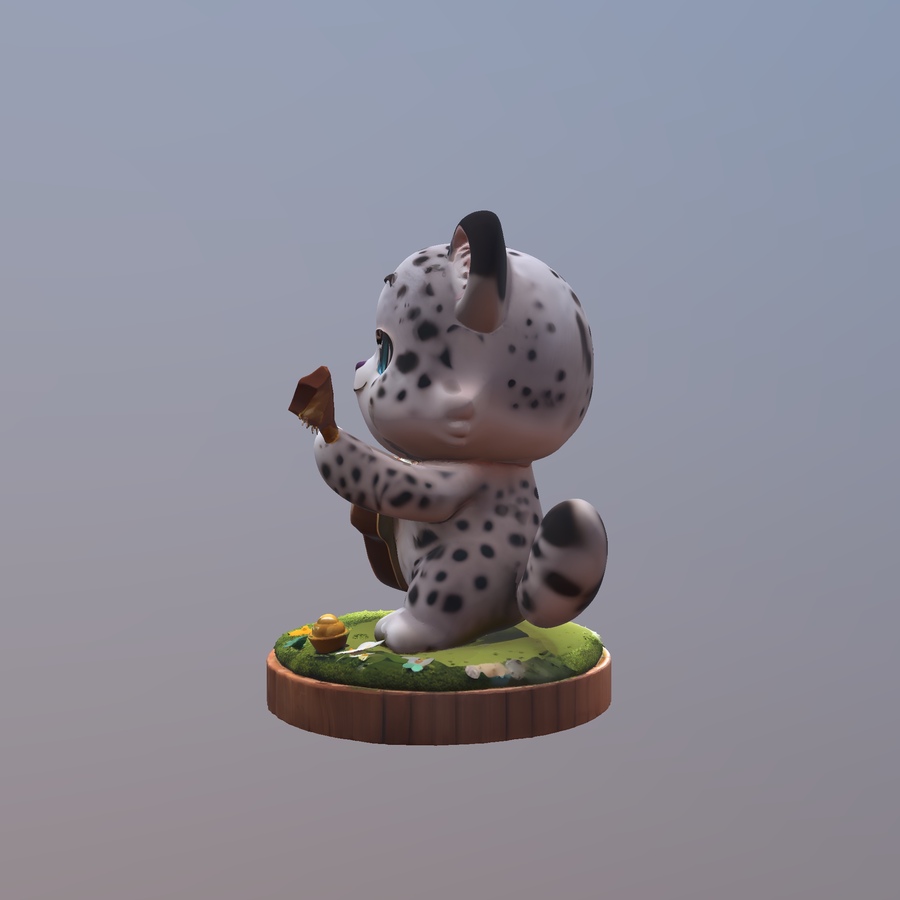
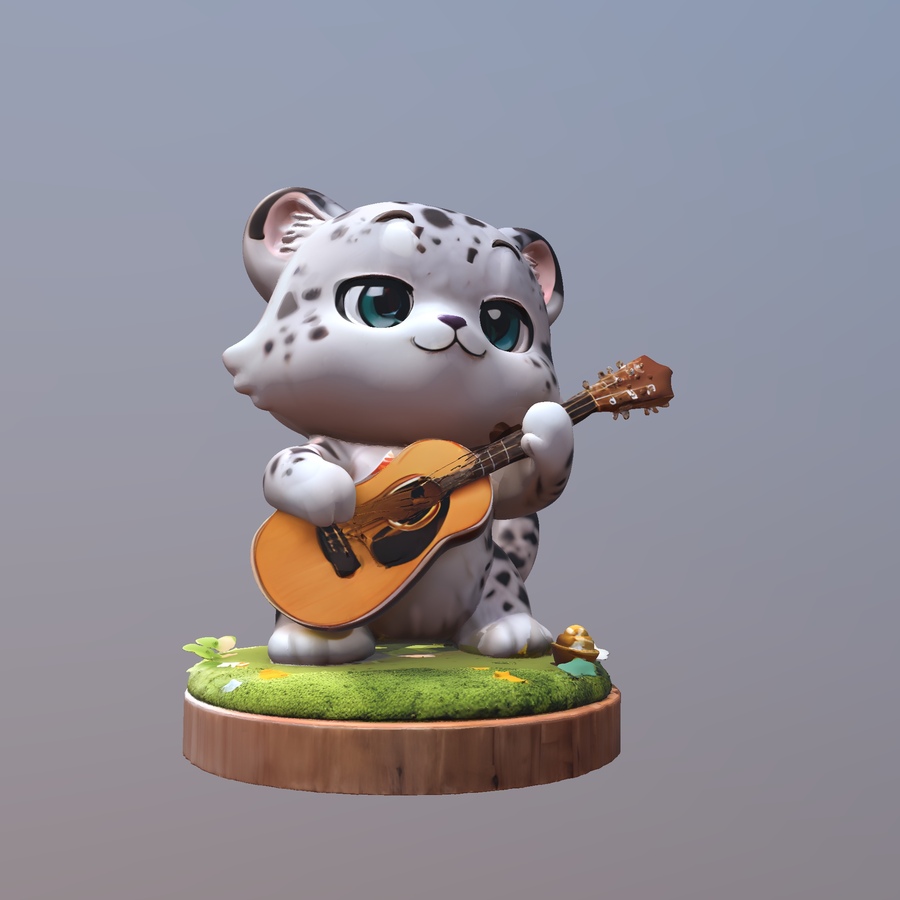
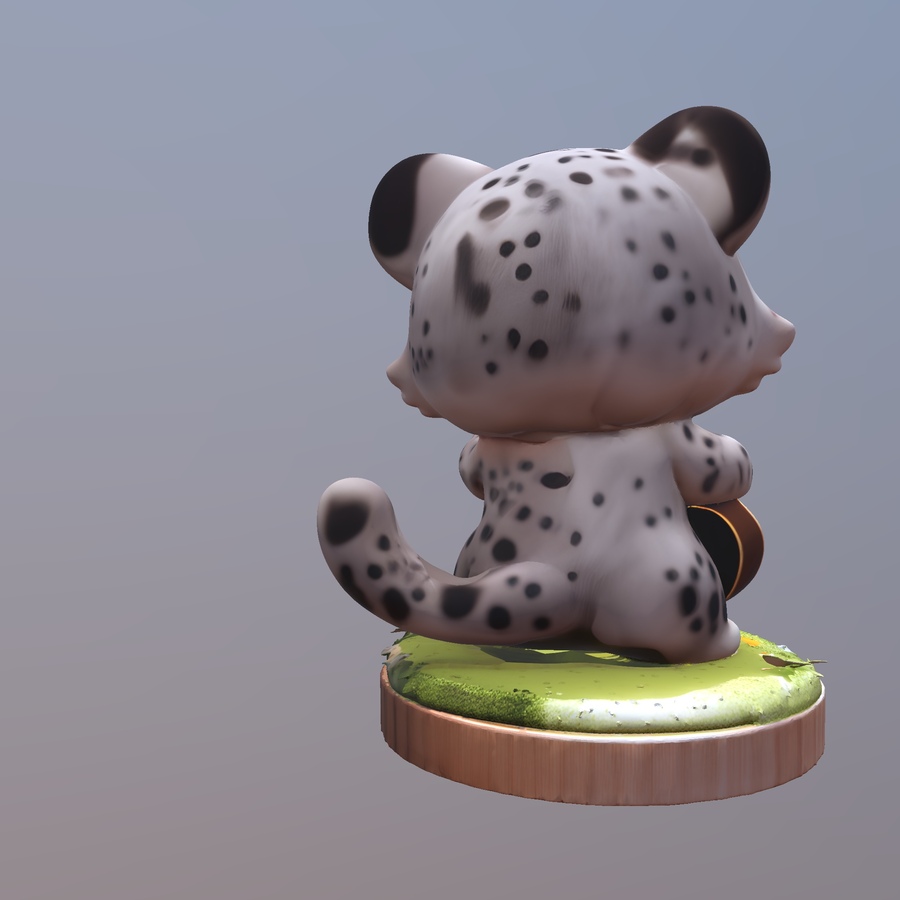
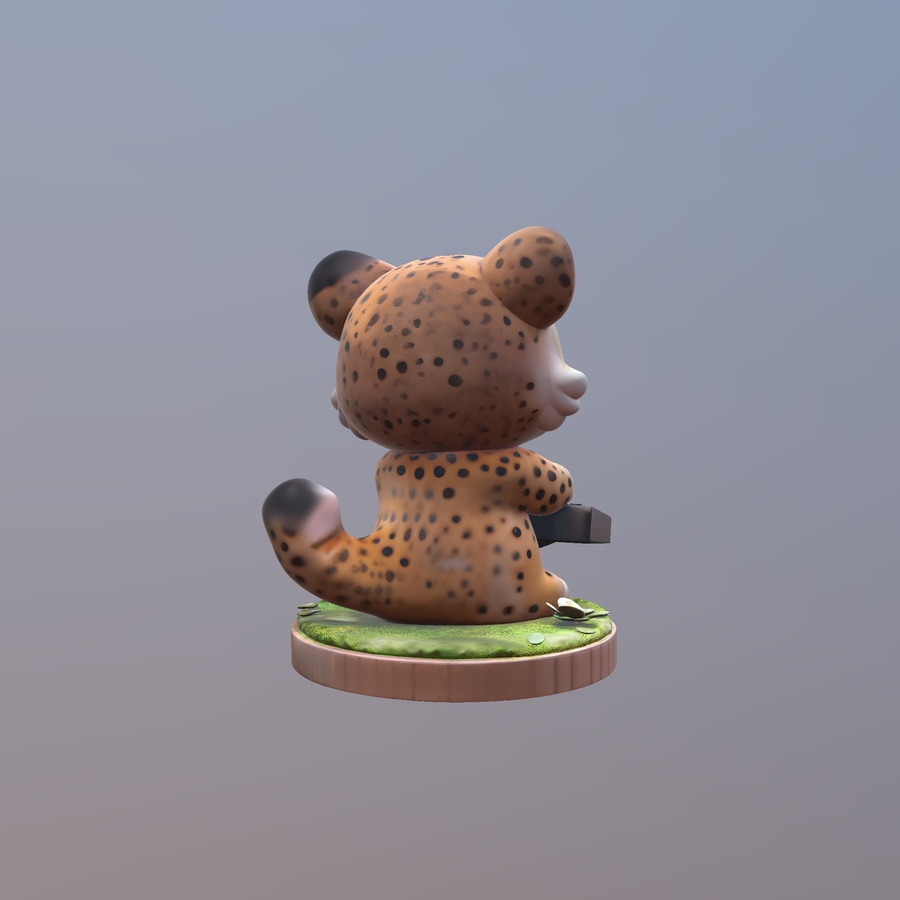
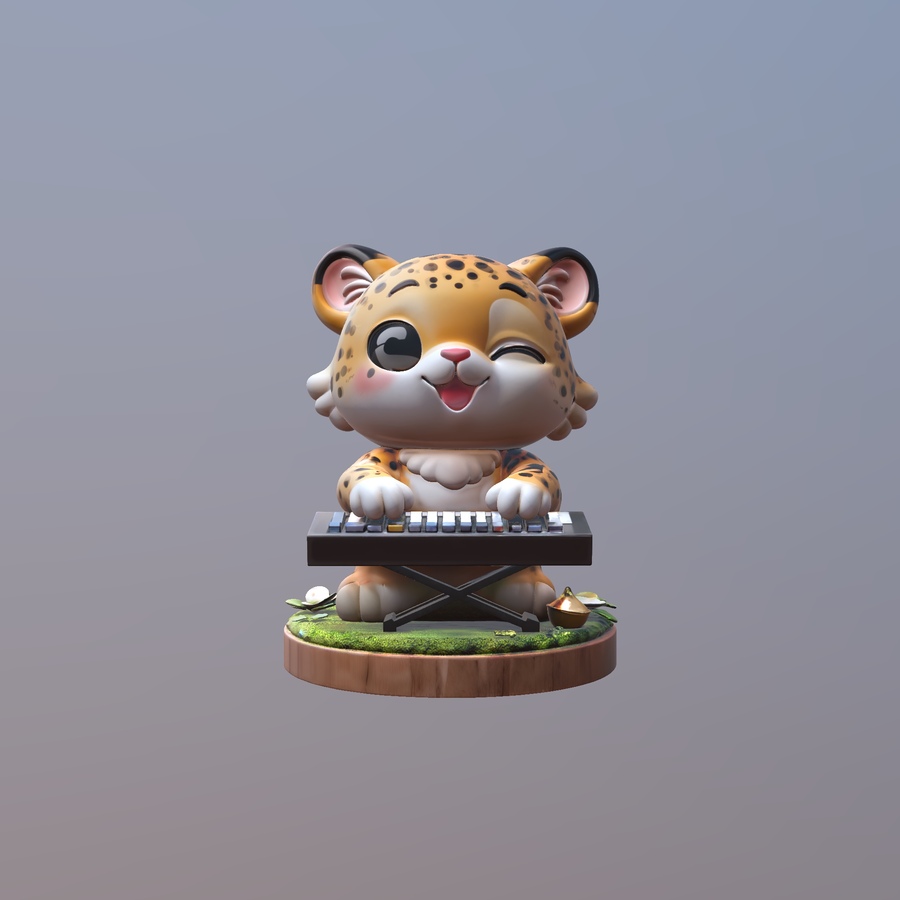
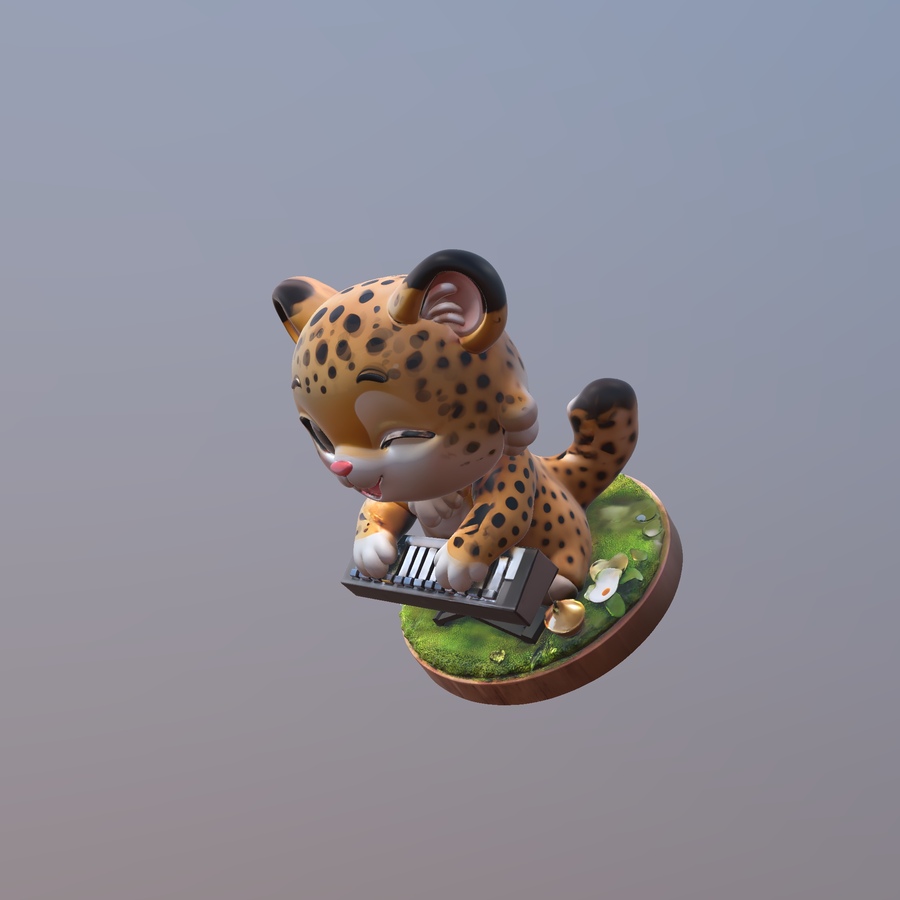
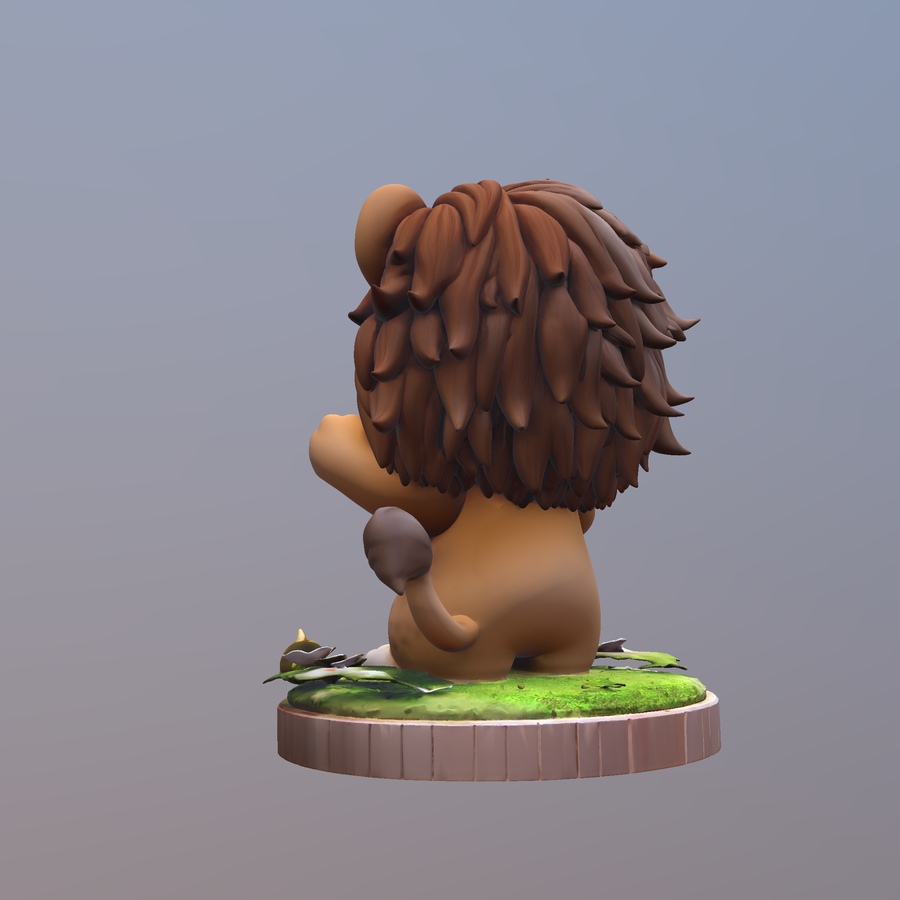
As a collector of charming little things, I decided to develop a series of figures featuring wild cat musicians. The statuettes are sold as blind boxes, meaning the figures are inside a sealed box that shows the collection’s lineup, but which specific figure you’ll receive is a surprise.
Promotional Imagery
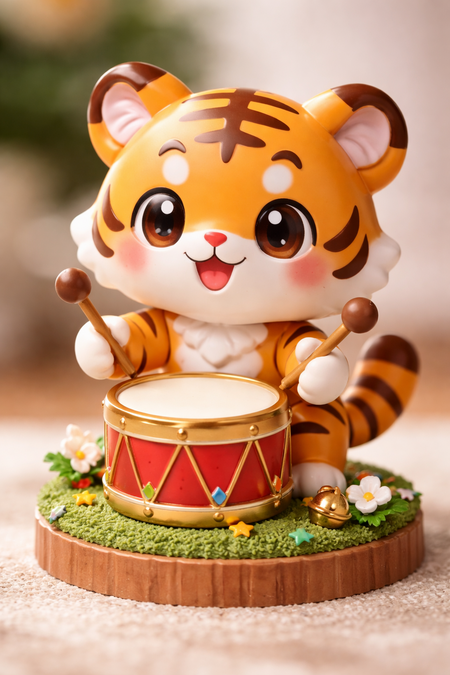
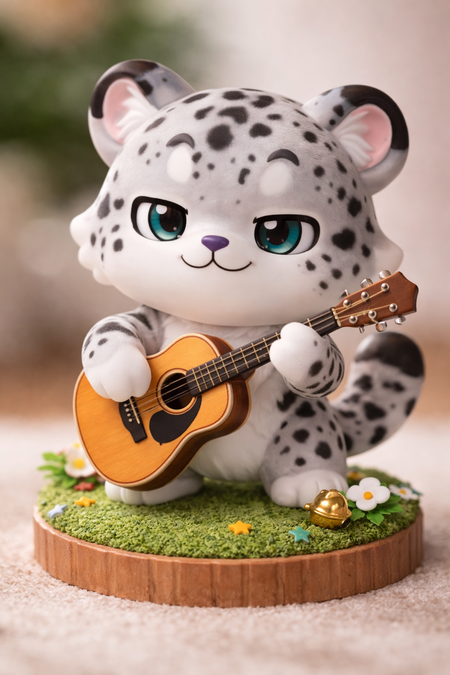
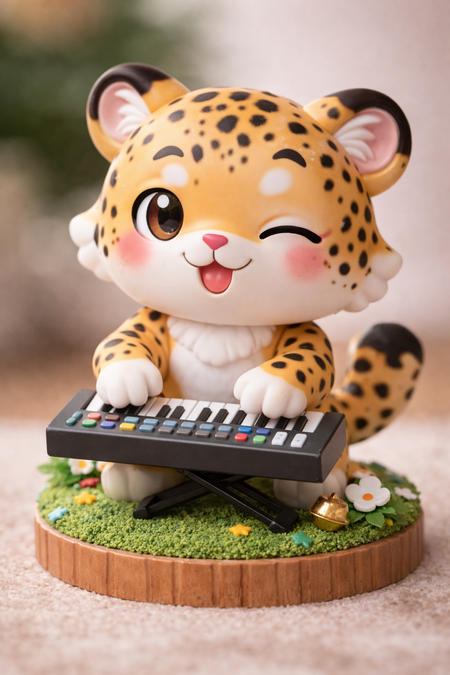
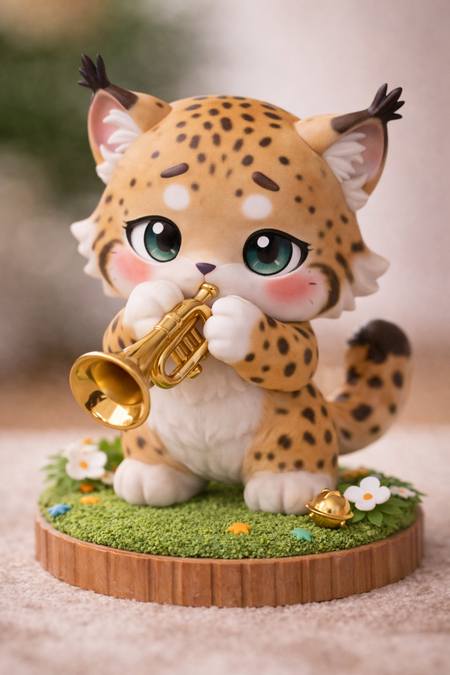
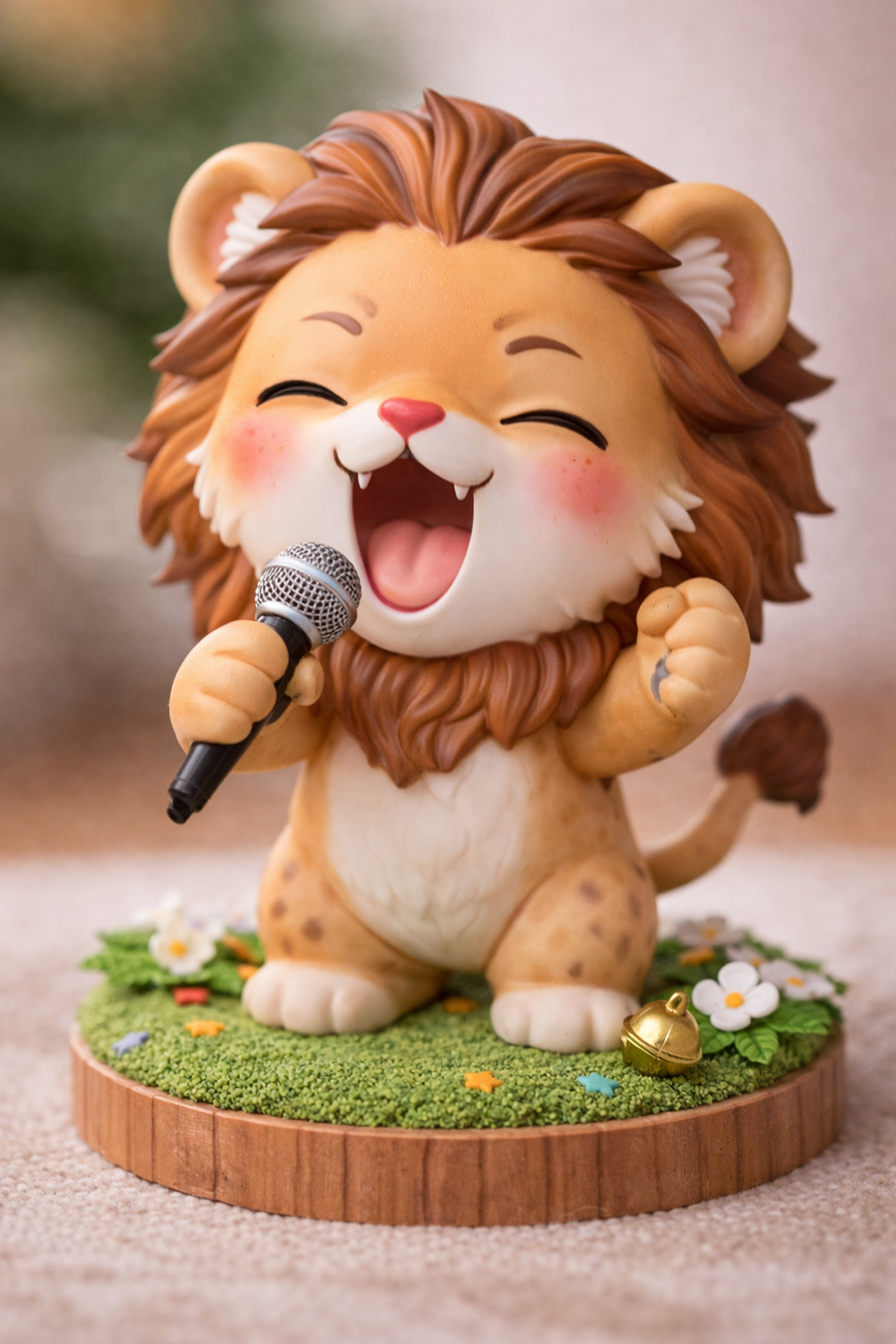
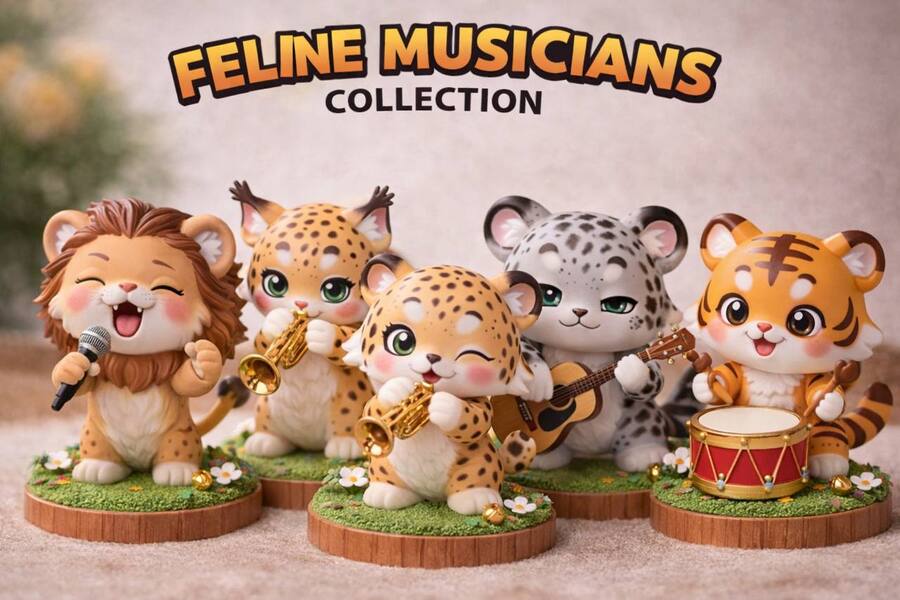


Sketches and final models
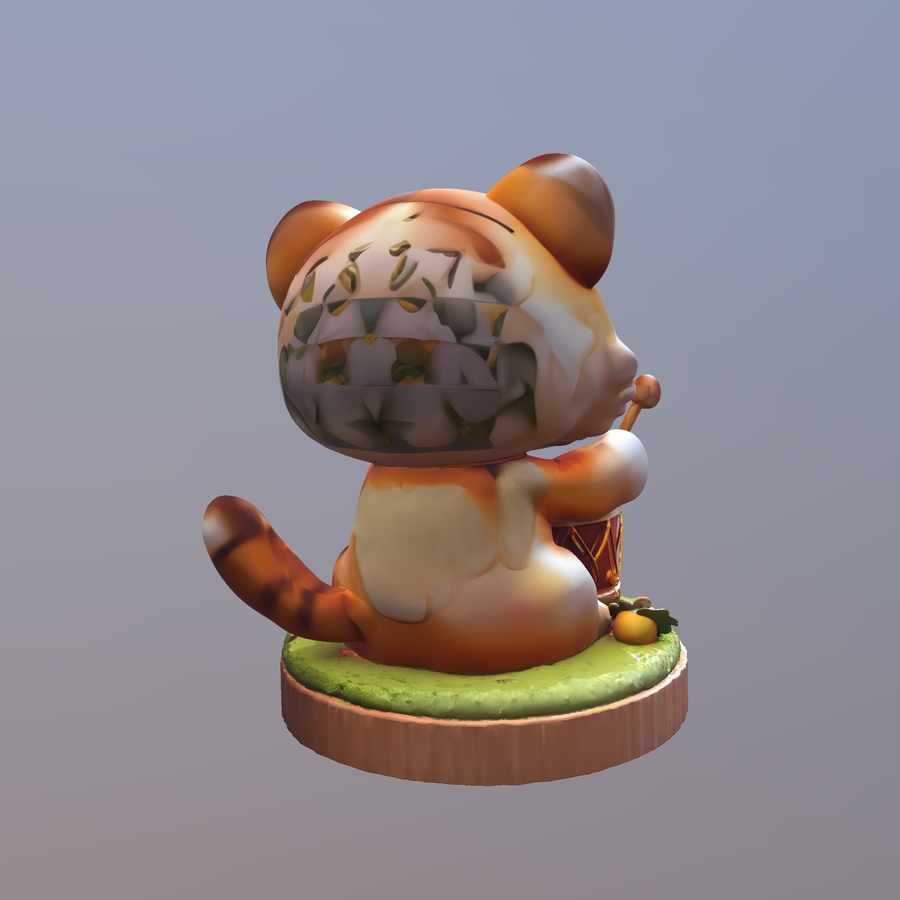

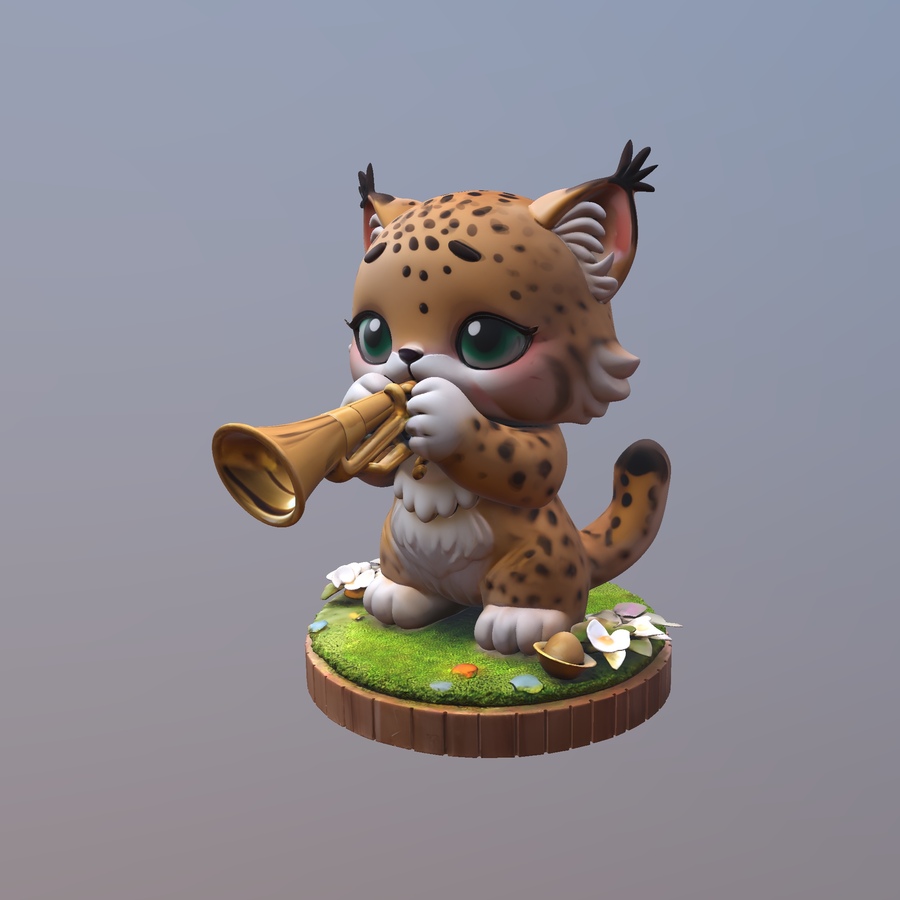
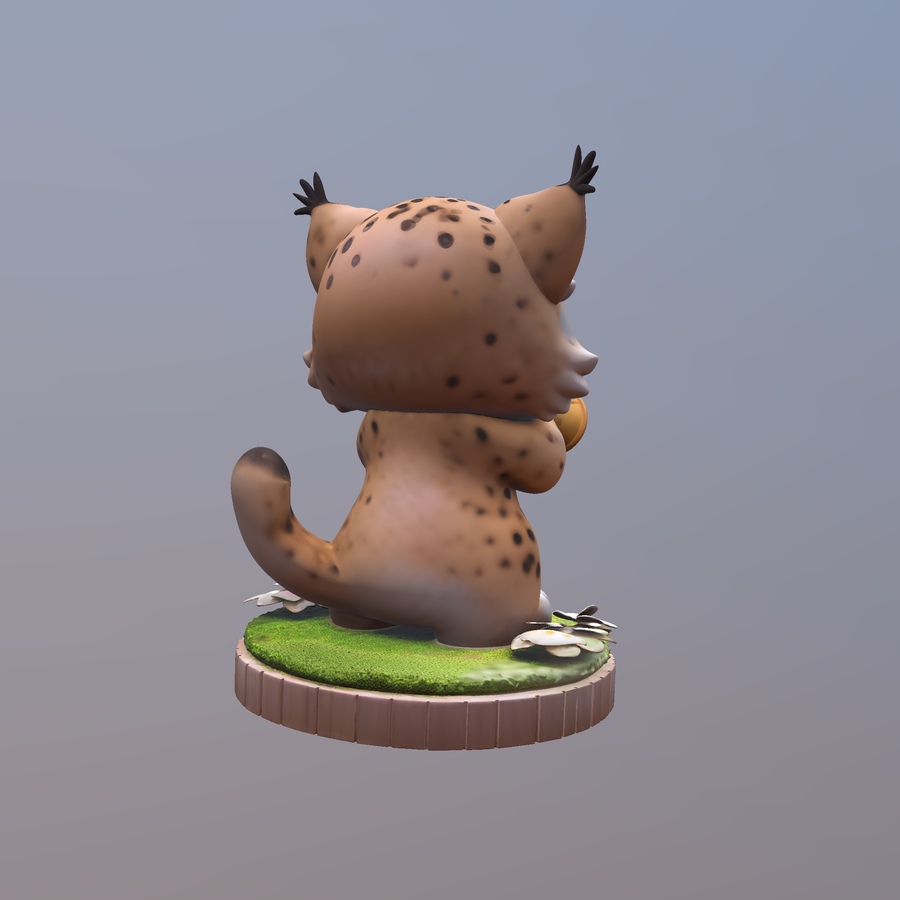
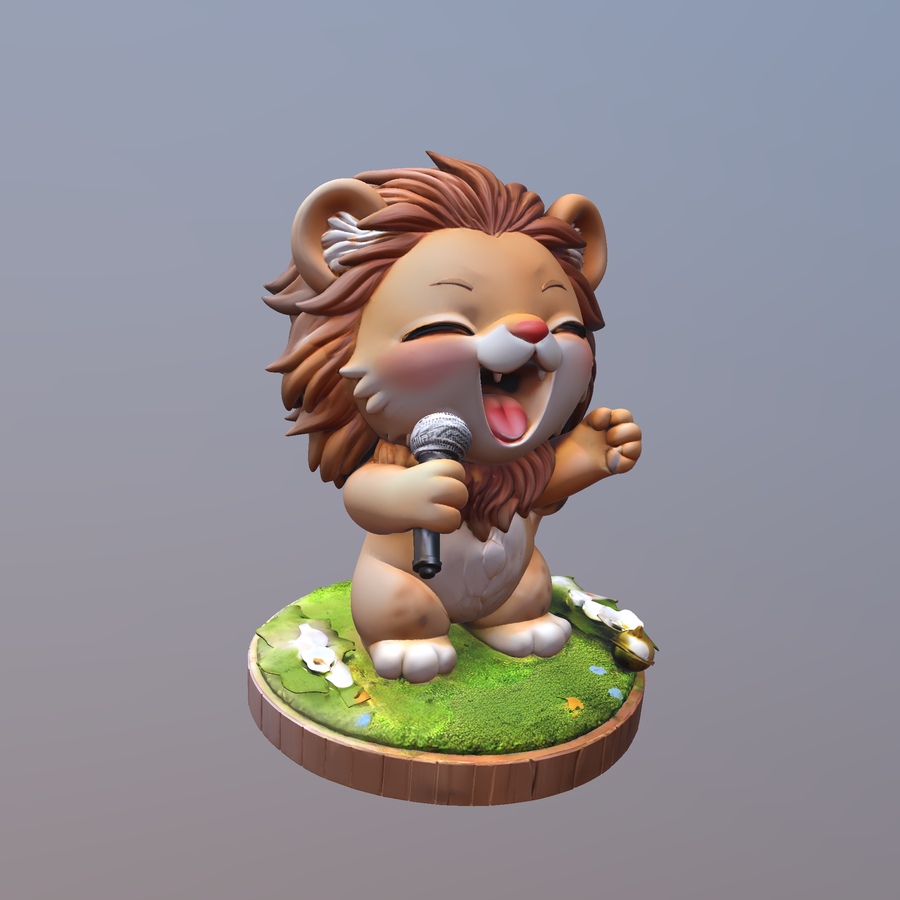
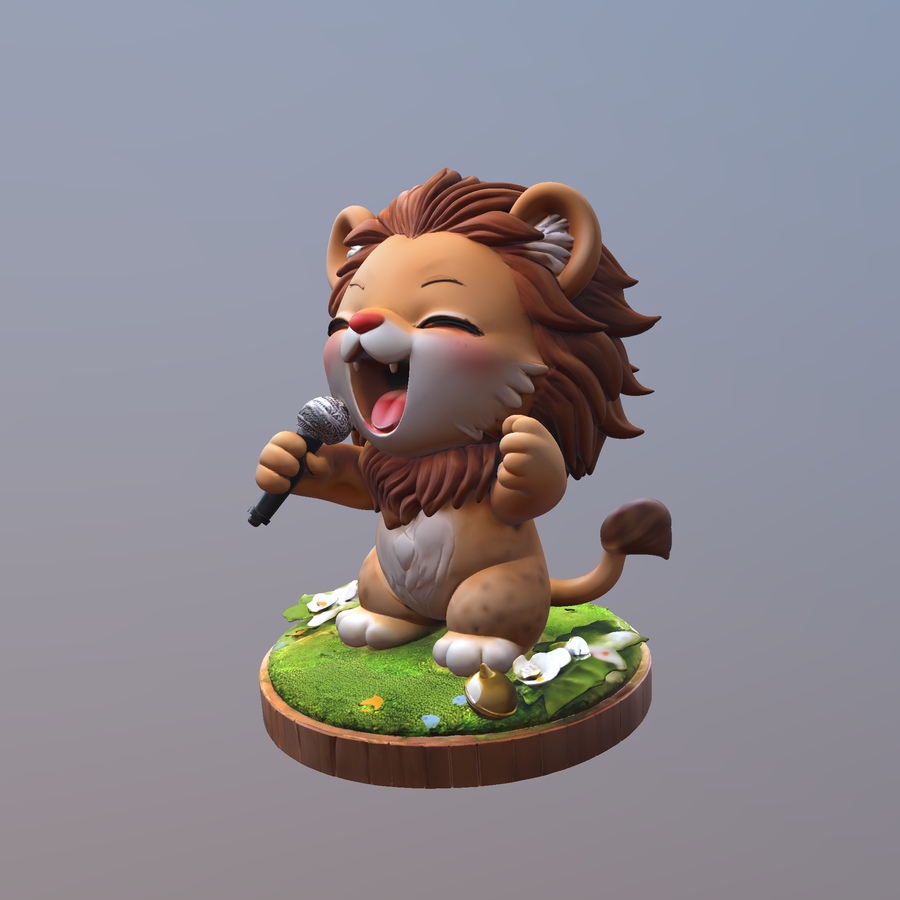
Production Specification
Instructions, drafted with Perplexity:
Item Type: Collectible plastic figurines. Item dimensions (approximate): Height: ~100 mm, Width: ~50 mm. Scale: fixed, according to the approved 3D model.
Printing Technology. Technology type: Photopolymer 3D printing (SLA / DLP / LCD). Purpose of technology selection: To ensure the high level of detail, crisp edges, and smooth surface necessary for miniature figurines and subsequent painting.
Material. Raw material type: Photopolymer Resin. Recommended resin type: Standard Resin—for decorative figurines. ABS-like Resin—to increase strength and reduce brittleness. Resin color: Grey. Grey is optimal for visually inspecting defects and serves as a universal base for painting.
Print Parameters. Layer Height: 0.03–0.05 mm (30–50 microns). This prevents visible «layer steps» on the surface. Infill: 100% (solid model). This is used to achieve adequate weight and structural integrity for the item. Hollow structure (optional): Permitted only for large or bulky models. Minimum wall thickness: no less than 2 mm. Drainage holes must be included on the bottom or in a concealed part of the model.
Supports. Support placement: Primarily on the rear side of the figurine. Underneath the model or in internal/hidden areas. Frontal and visible areas: It is forbidden to place supports on the face, arms, small clothing details, or smooth visible surfaces.
Support type: Light or Medium supports. Minimum contact point diameter to facilitate subsequent removal.
Post-Processing the Object 5.1 Washing Rinse the object in isopropyl alcohol (IPA) until all residual uncured resin is removed. The surface must not feel sticky or hazy after washing.
5.2 Support Removal Remove supports before the final UV curing. Removal must be done carefully, using mechanical means, without bending or chipping.
5.3 Sanding Clean the support attachment points using fine-grit abrasive. The surface must be visually and tactually smooth.
5.4 Post-Curing Final polymerization of the object in a UV chamber. The curing time must be adjusted according to the type of resin used. After post-curing, the object must achieve full strength.
Quality Control The finished object is accepted if the following conditions are met: The geometry must completely match the approved 3D model. There must be no distortions, deformations, or wobble. The surface must be free of: white spots (residue from poor washing); cracks; chips; or delamination. Support marks must be cleaned and not perceptible to the touch.
Painting Painting is performed manually. Acrylic or specialized modeling paints are used. Colors and painting techniques must adhere to: the approved reference; and the paint mixing instructions (if provided). Applying a primer before painting is recommended.
Storage and Packaging (Recommended) Store finished figures in a dry area, away from direct sunlight. The packaging must prevent friction and mechanical damage during transport.