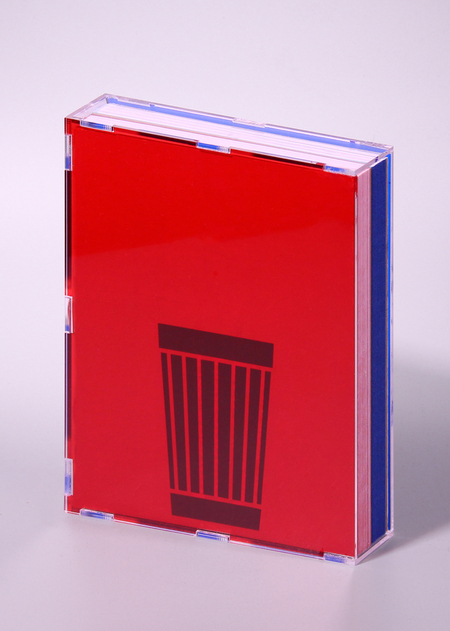
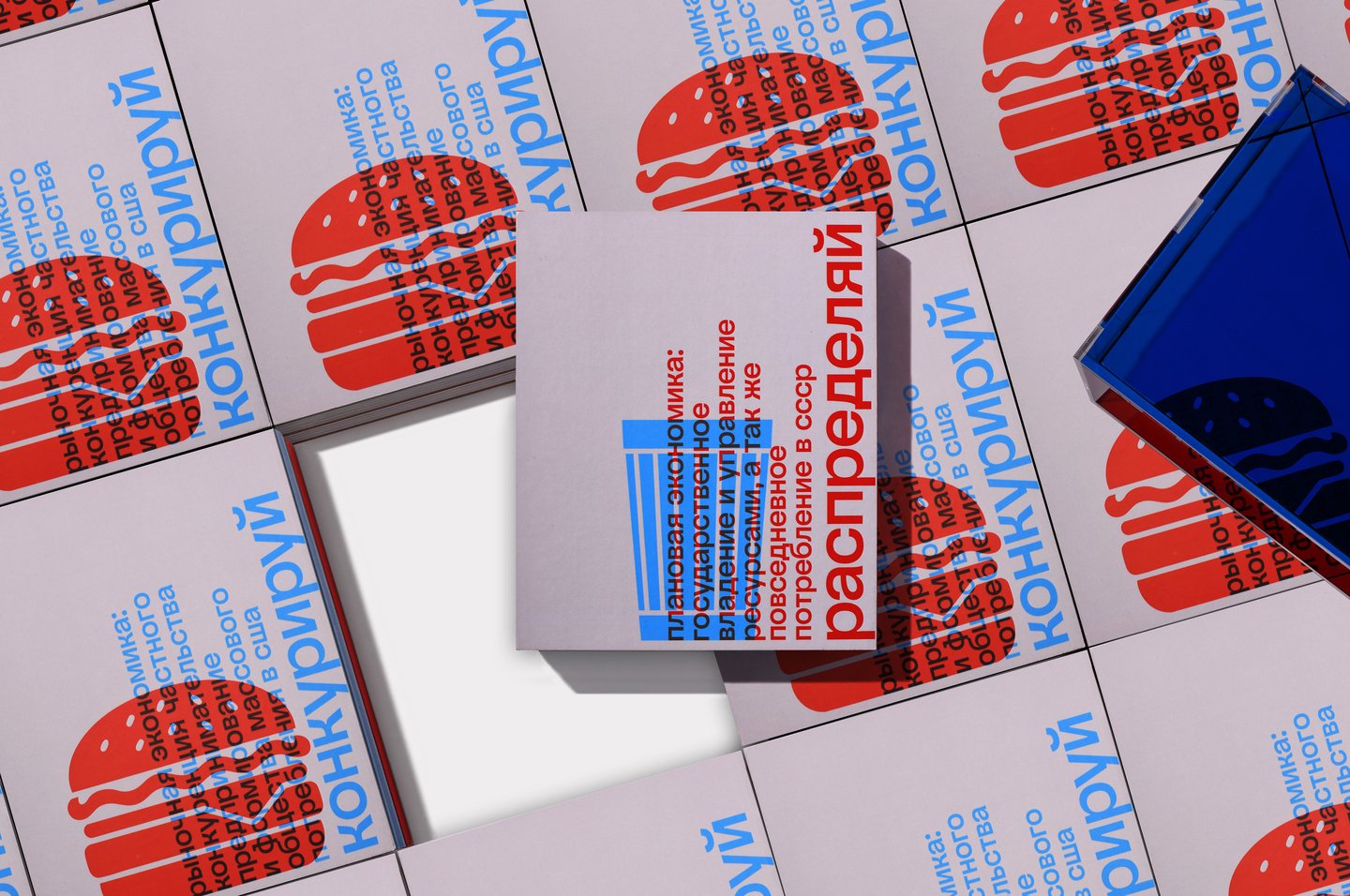
A project investigating the history of the conflict between two 20th-century economic systems—the planned economy of the USSR and the market economy of the U.S.—through material culture, consumption practices, and visual evidence of the era (1917–1989).
A unique viewing mode is established: parts of the images are overlaid on each other and are only revealed when viewed through colored film. This is an anaglyph effect—in the context of the project, it is not merely visual but also semantically generative. The historical context is examined through a specific cultural filter; therefore, the same material reveals itself differently depending on the perspective. This gives rise to the color coding of the book.
The cover features two recognizable images—a faceted glass and a burger. The faceted glass is one of the symbols of the USSR: in a well-known interpretation, its 14 facets represent the 14 union republics, and the rim represents the 15th—Russia, which unites them.
The pair also has an economic interpretation. The glass is related to the informal «vodka index”—calculating salary in terms of bottles of vodka—and the burger is connected to the Big Mac Index, which The Economist has used since 1986 to compare currency purchasing power.
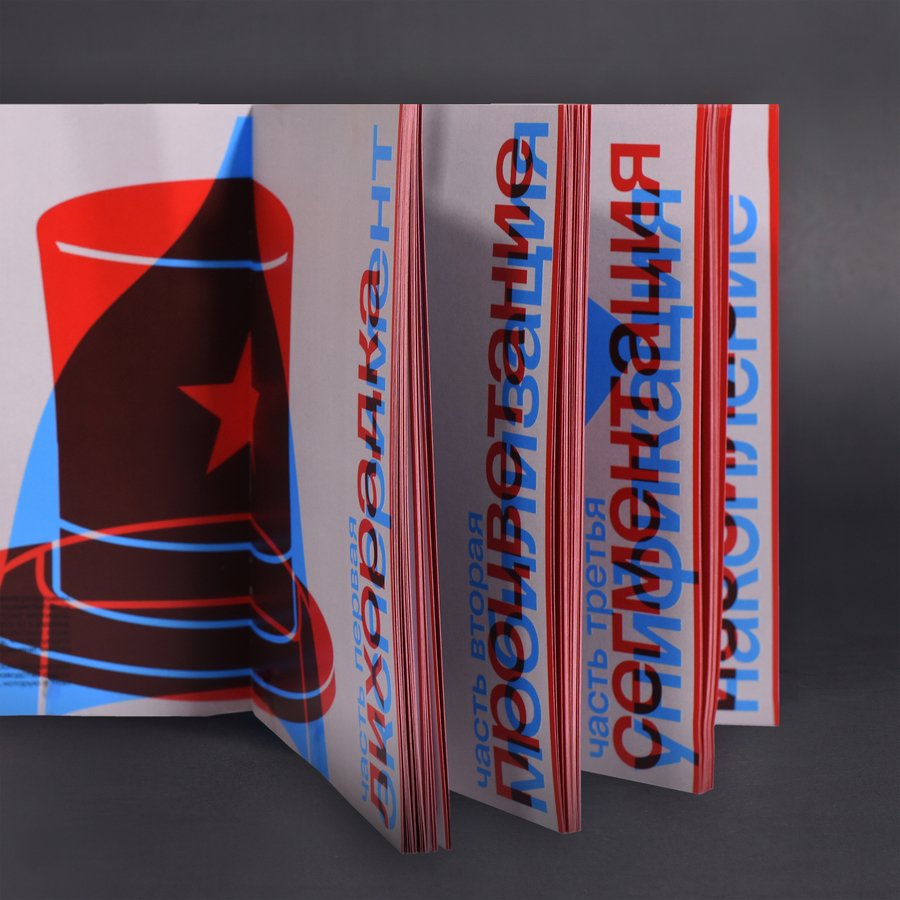
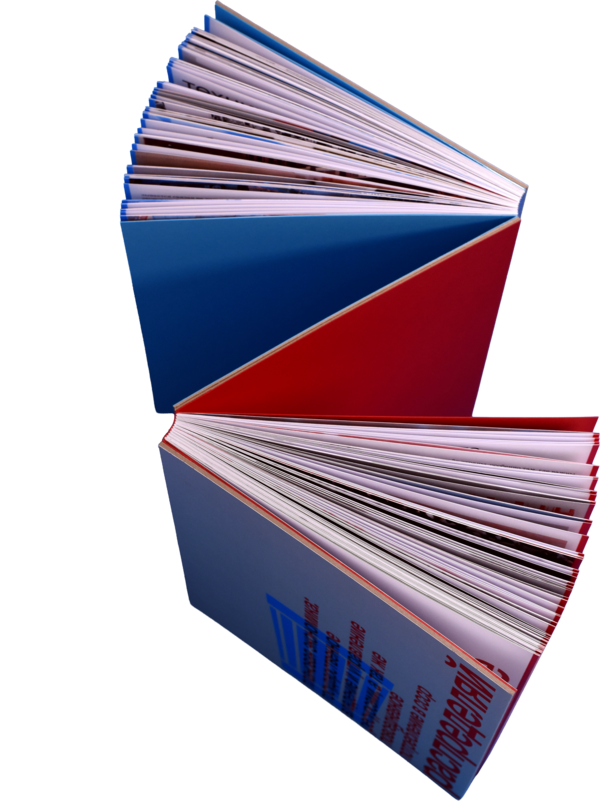
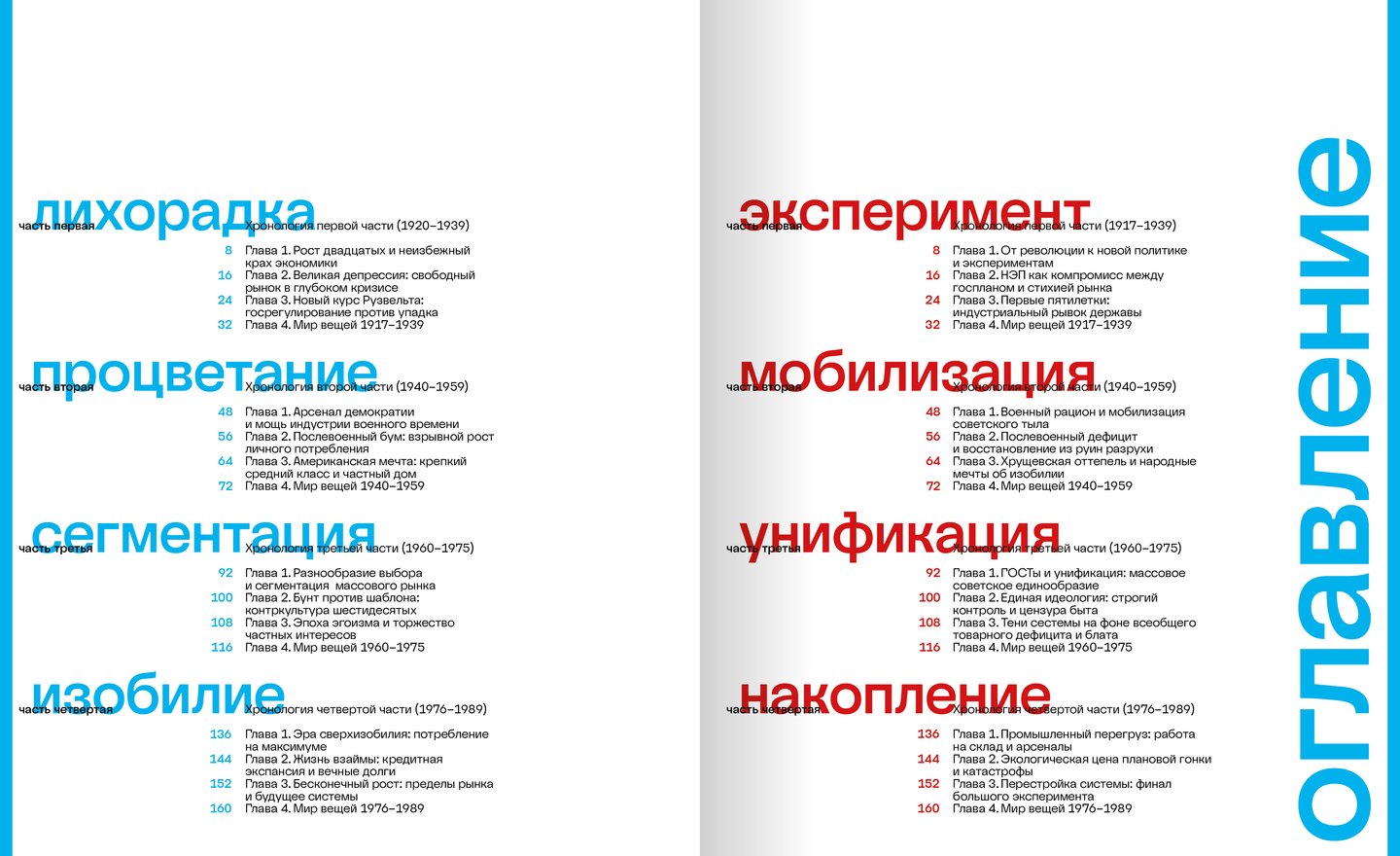
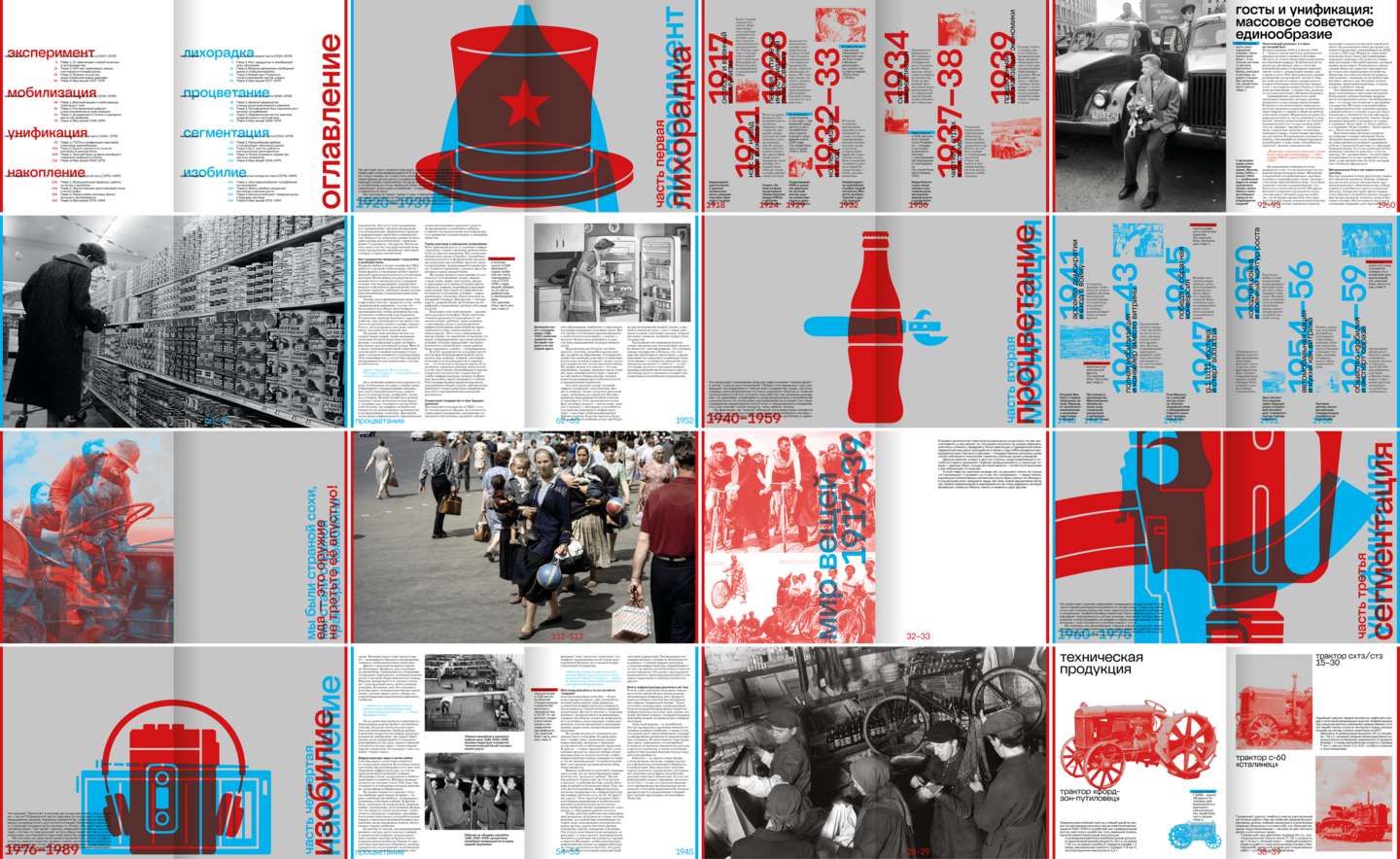
The book has a mirrored structure: two blocks are divided into four chronological stages. For each section, a timeline is presented, and a matching pair of subject images—the most recognizable and characteristic of its era—has been selected.
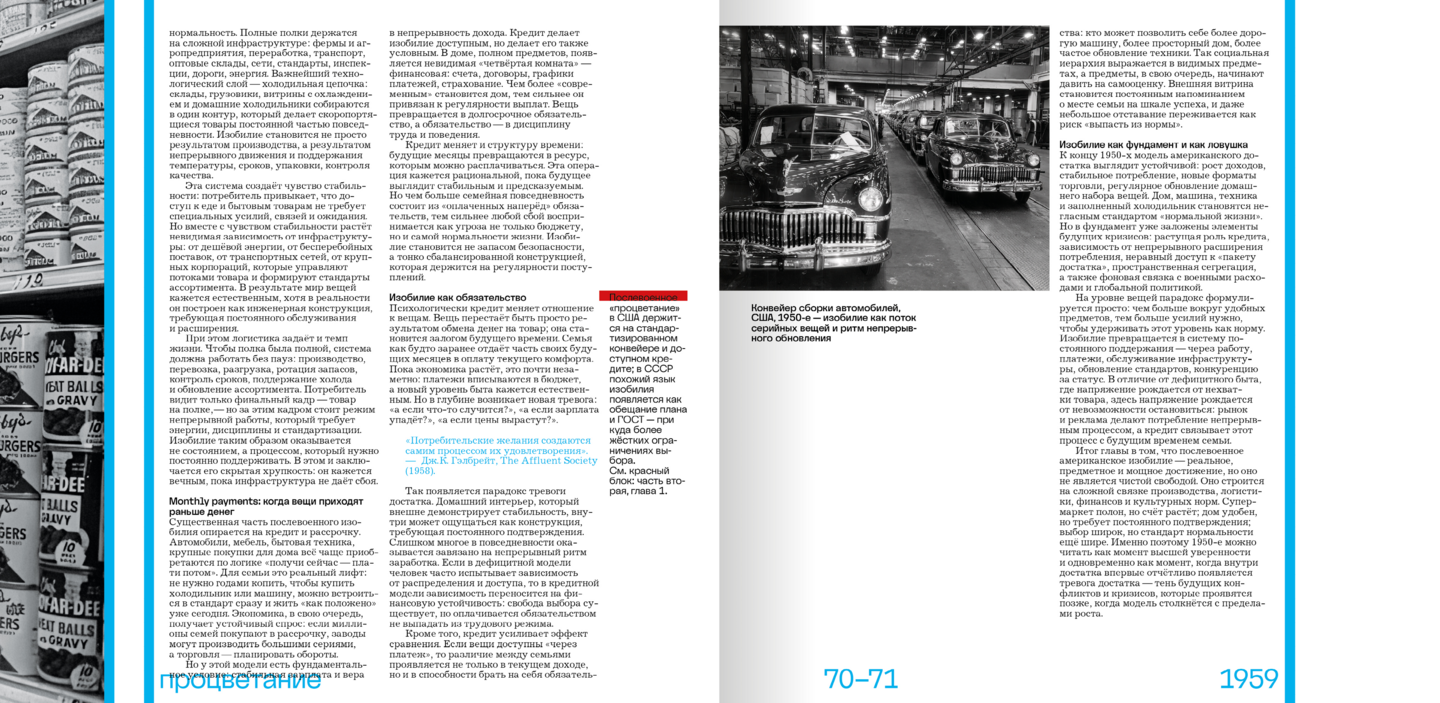
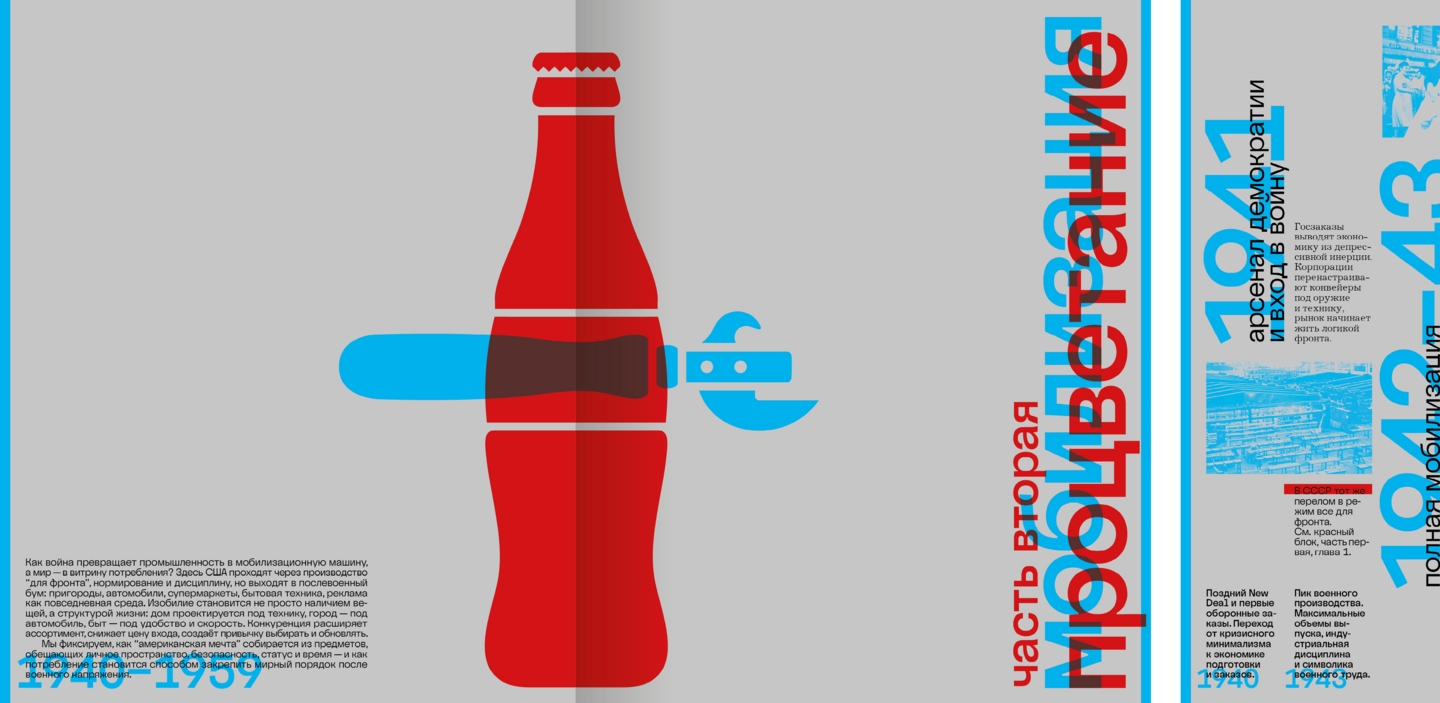
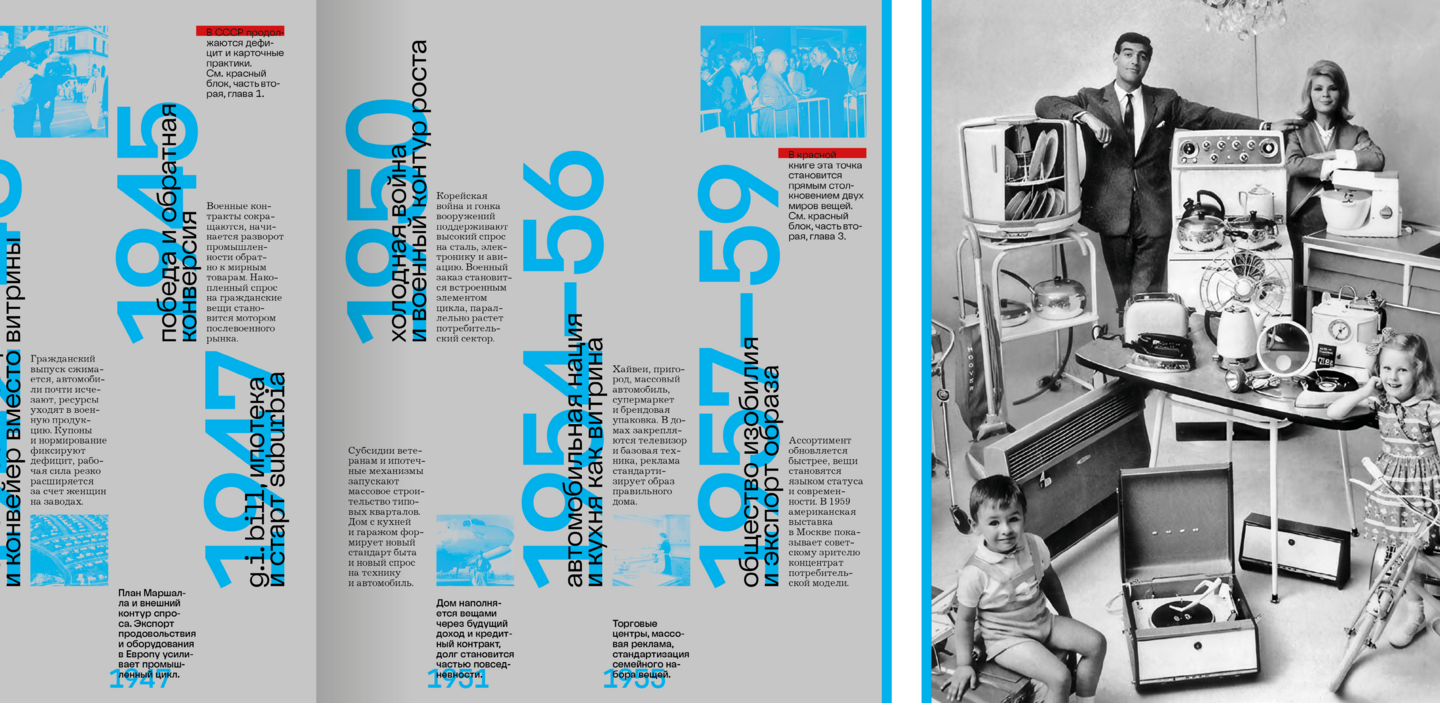
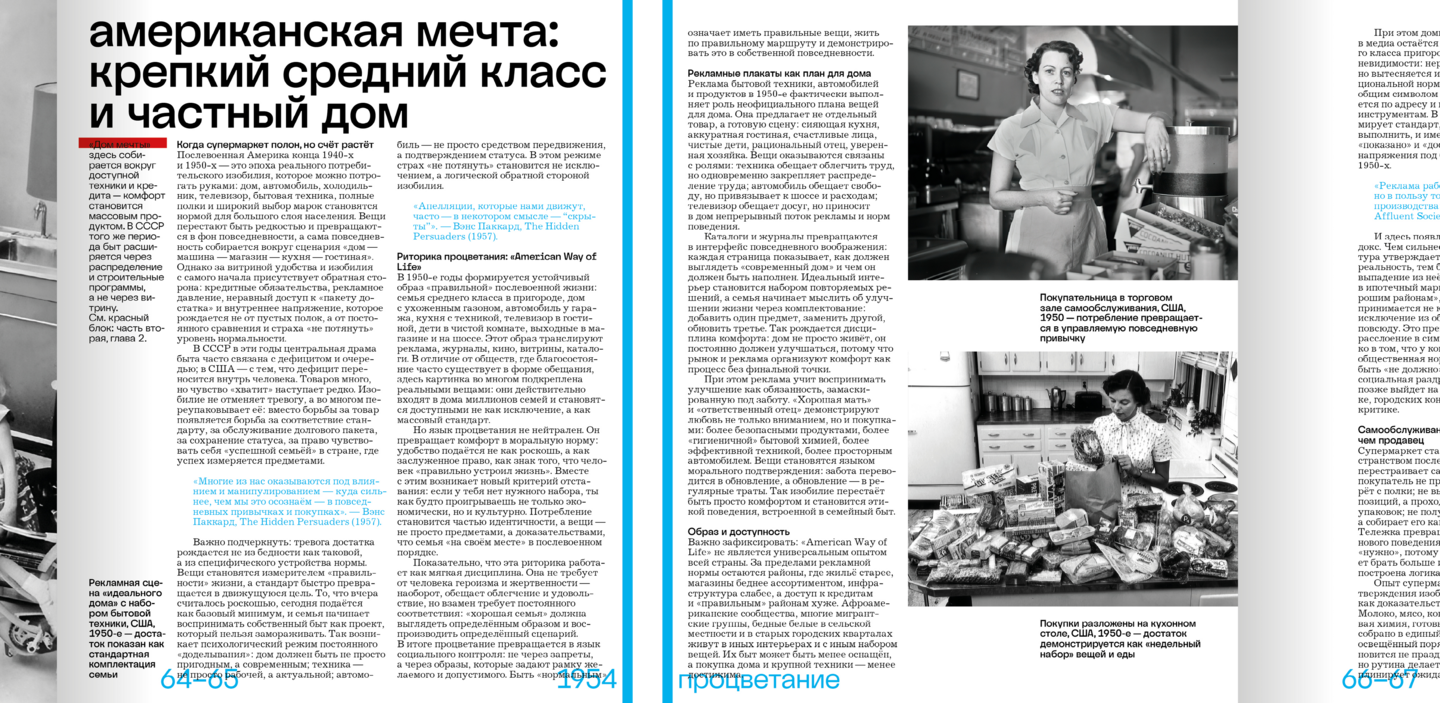
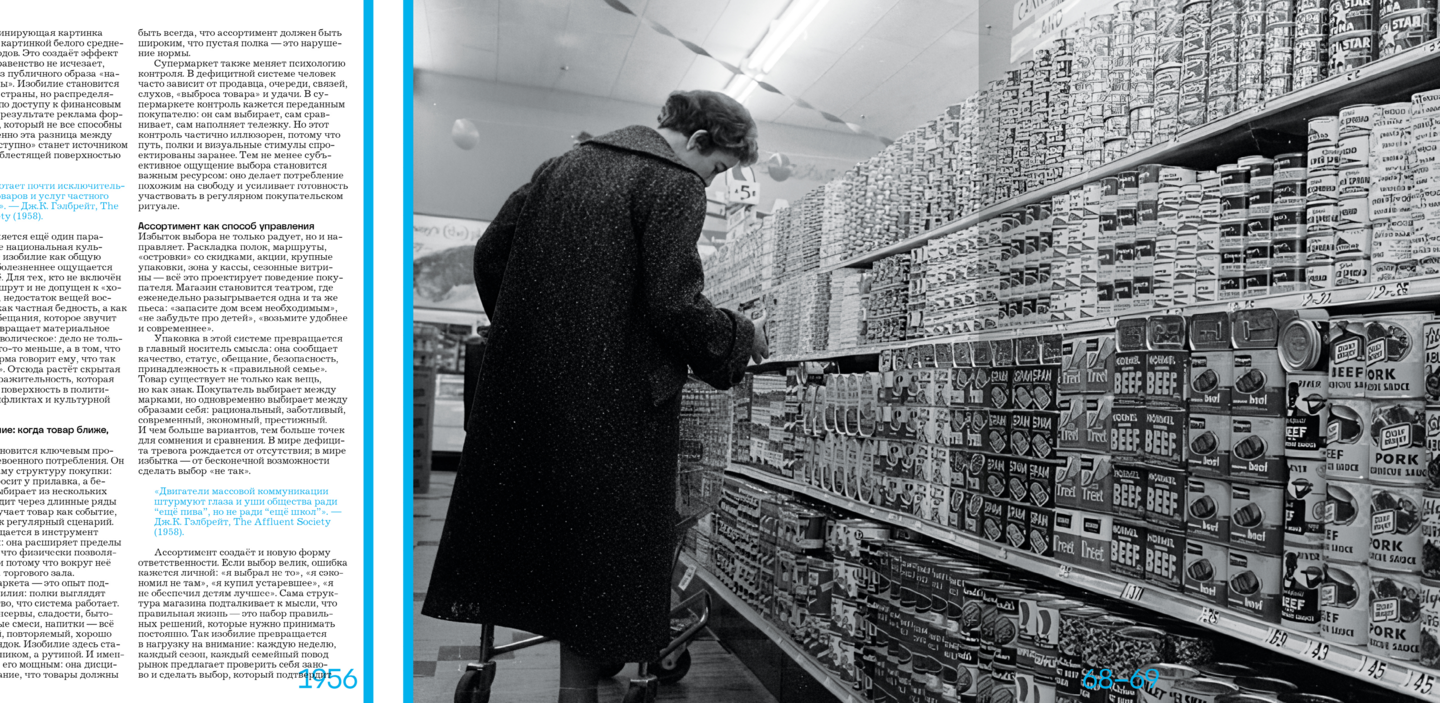
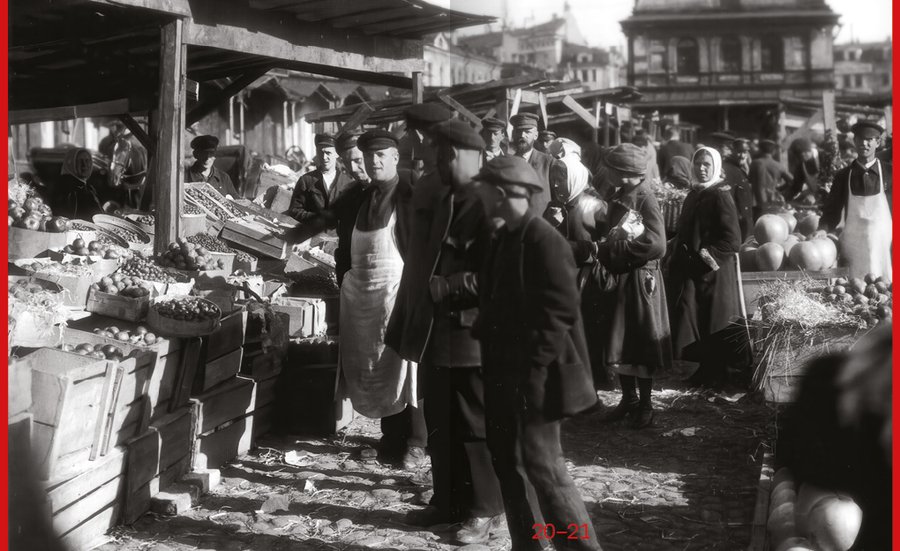
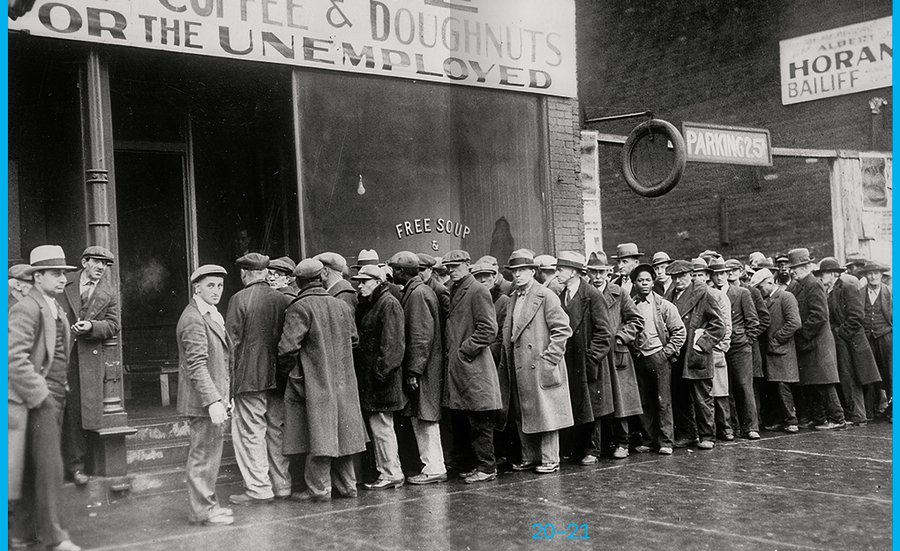
To connect two narrative threads, the book features a system of cross-references. This allows readers to compare events happening simultaneously in two different systems and to trace the parallels and divergences between the two models.
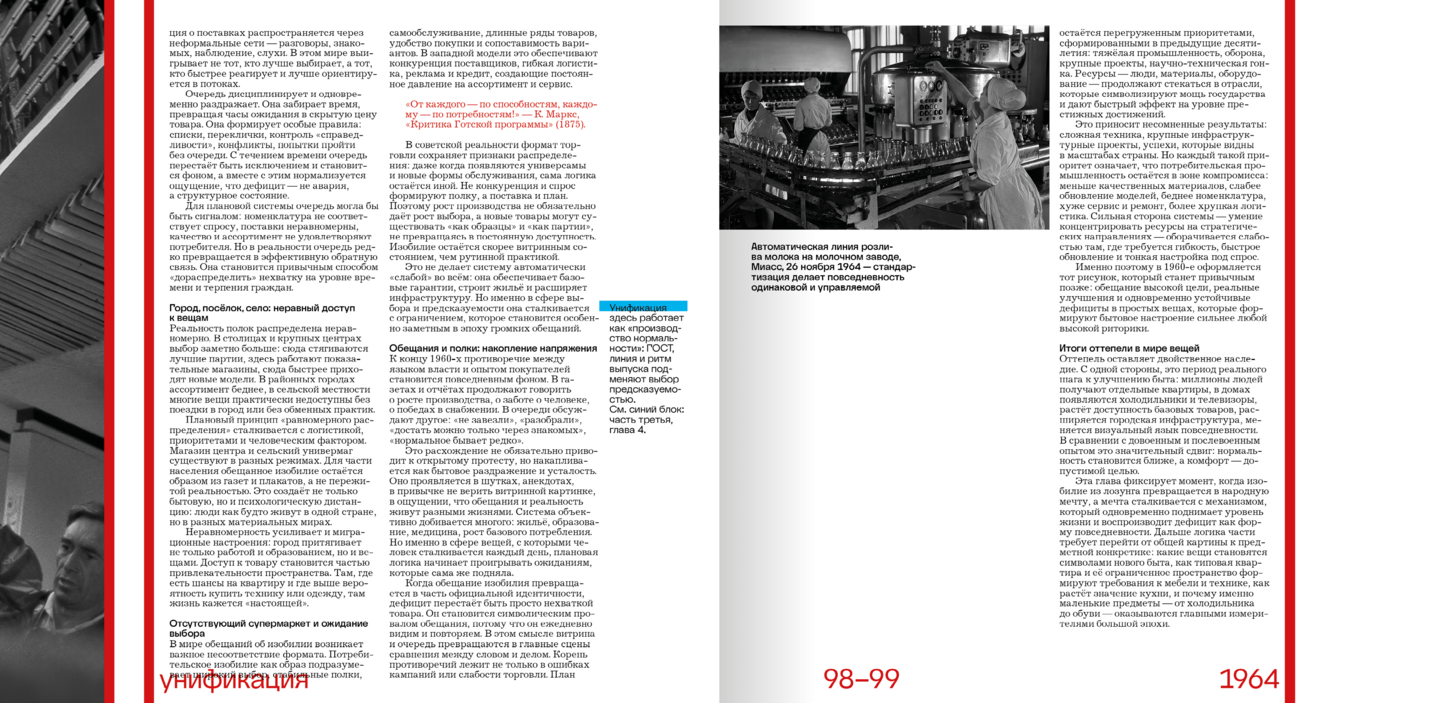
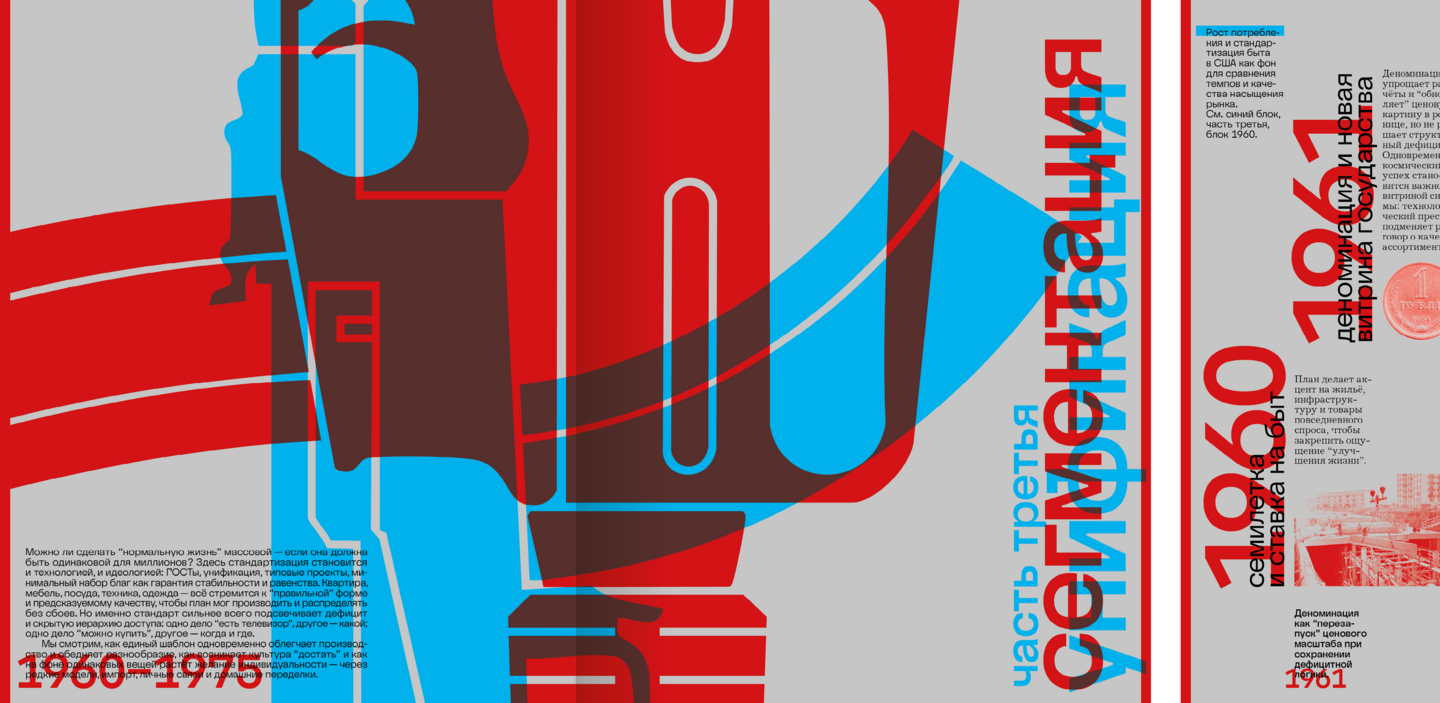
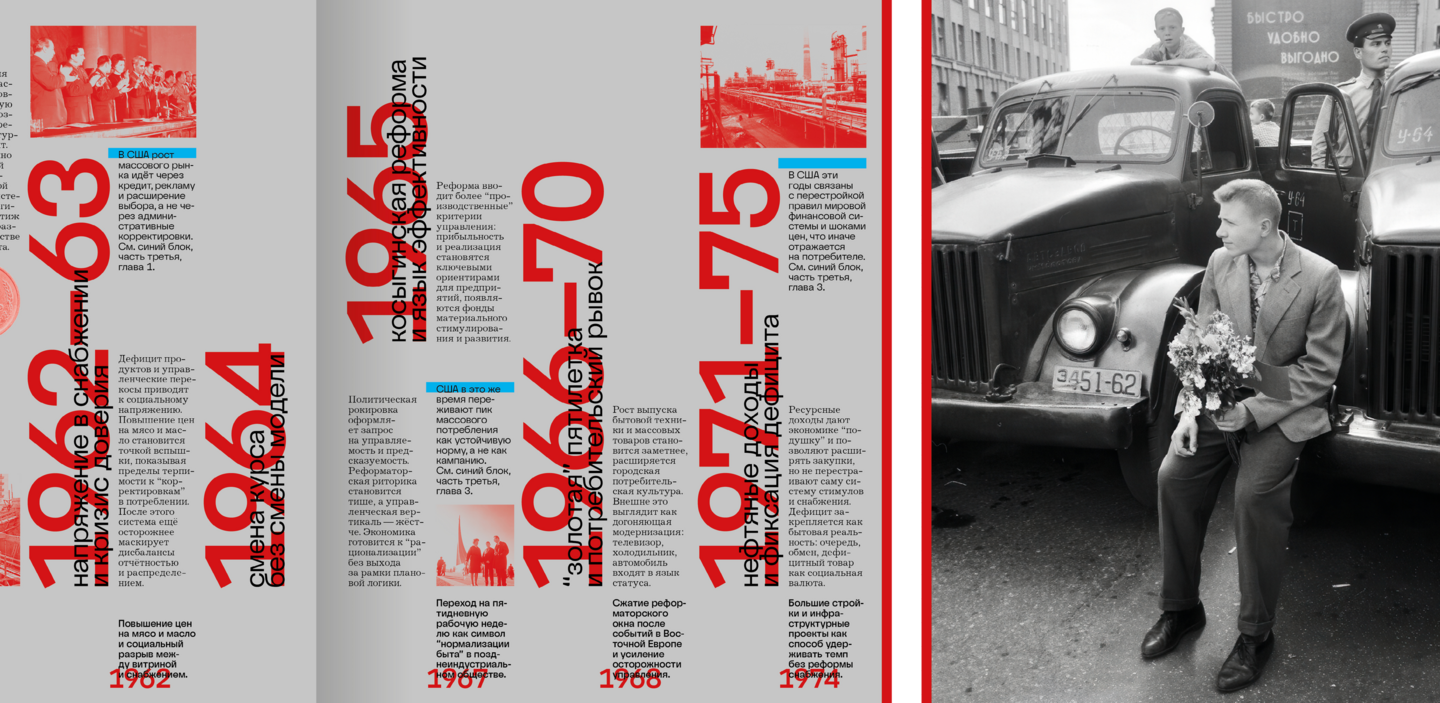
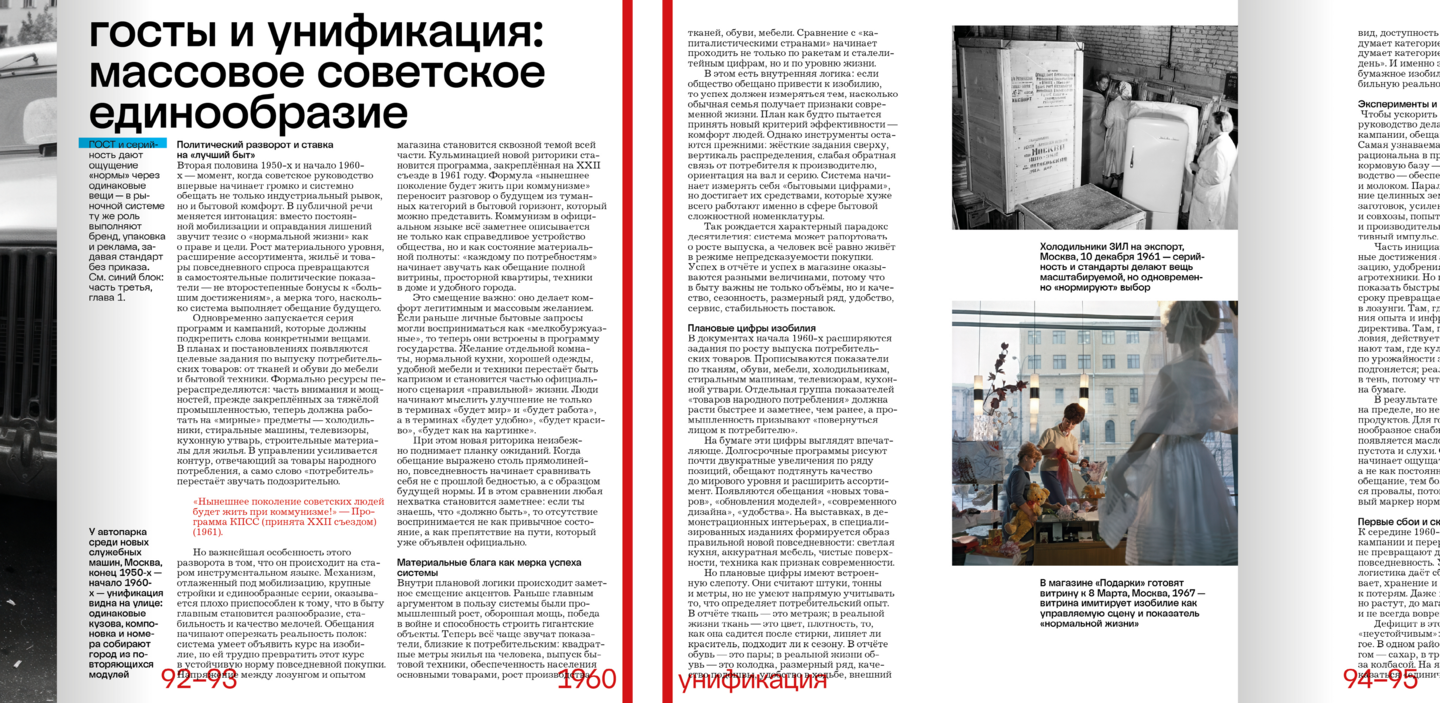
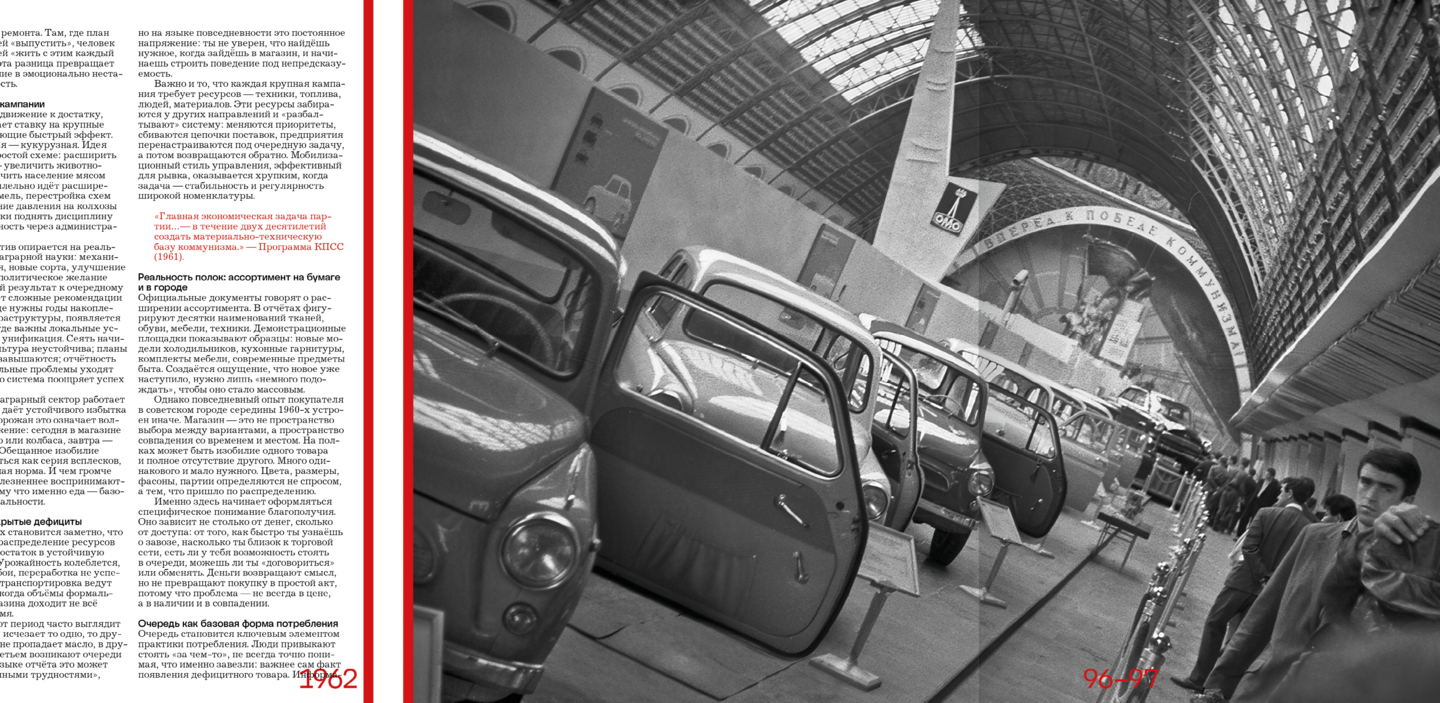
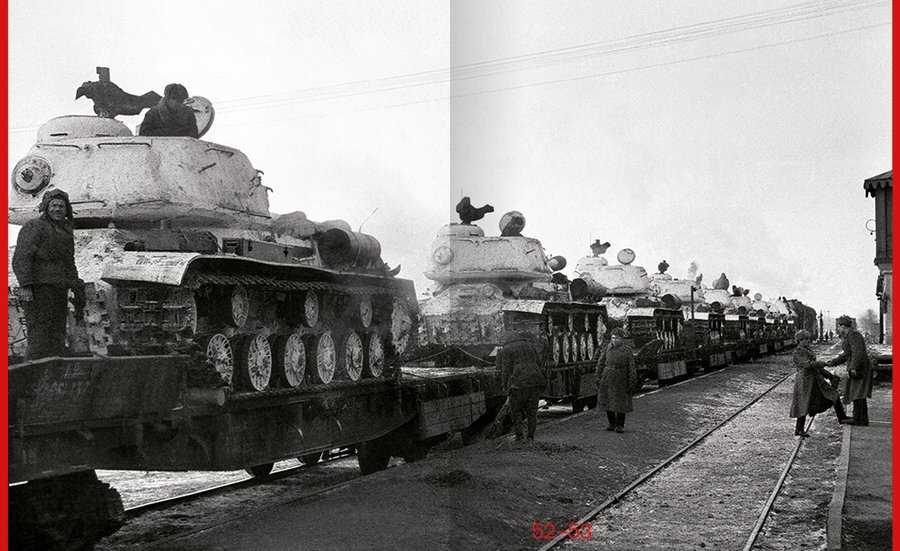
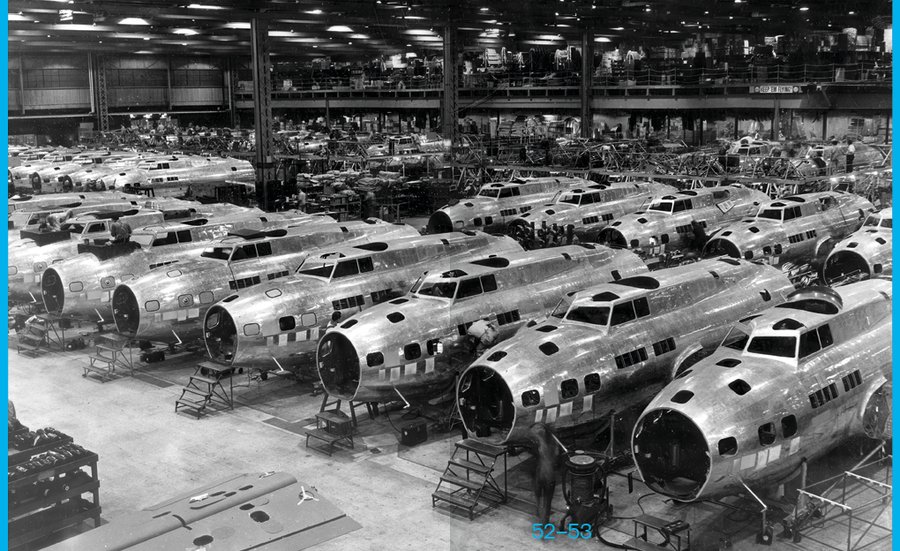
Each section consists of four chapters and concludes with a «World of Things» section featuring categorized products. Key items are highlighted on catalog spreads for comparison and juxtaposition against the opposite page.