Автор «Машины настроений» о неприглядной стороне стриминга, «артистах-призраках» и вреде для музыкальной культуры
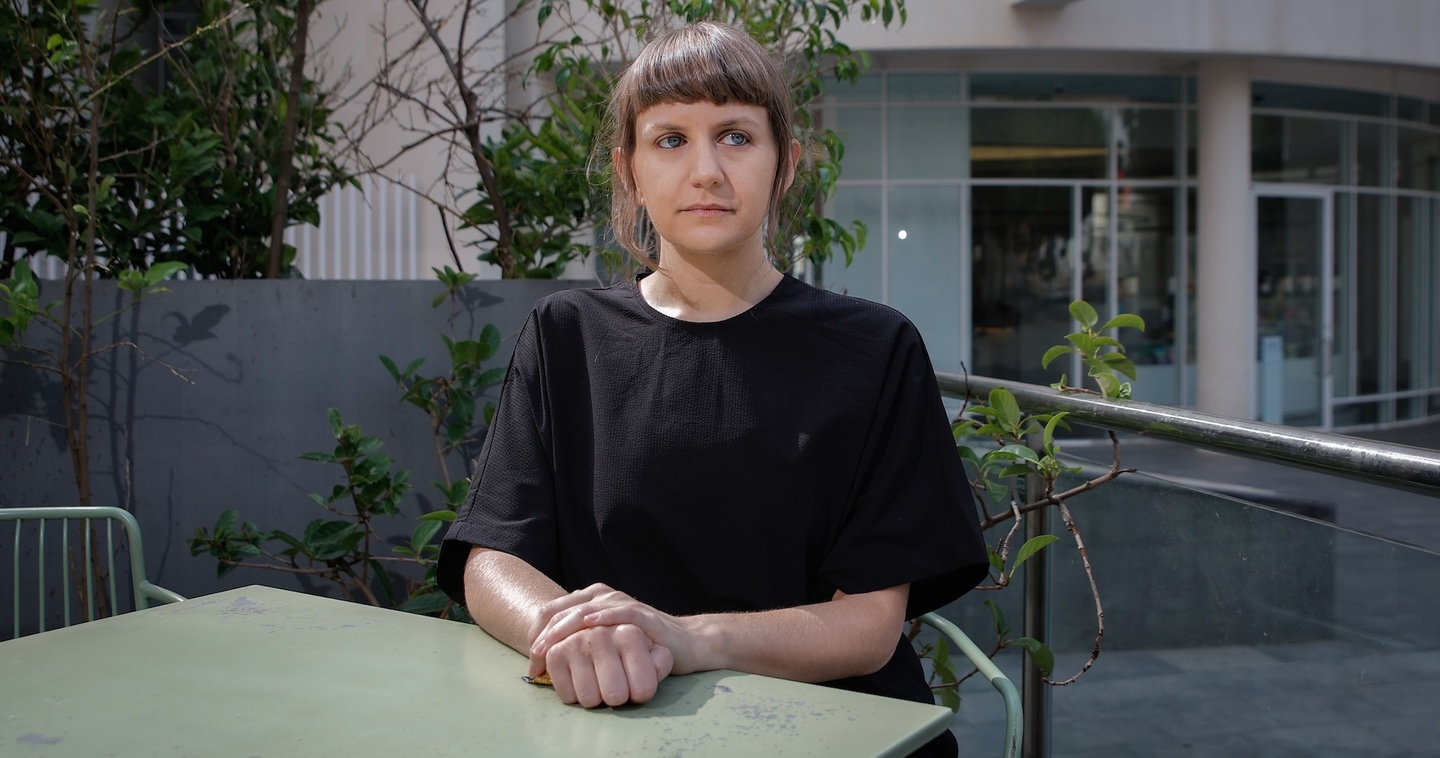
Liz Perry summarizes in several theses what her talked-about book, «The Mood Machine, ” is about, and how musicians can survive in the age of streaming and AI.
The book «The Mood Machine: The Rise of Spotify and the Price of the Perfect Playlist» by American journalist Liz Perry has been released in Russian by the White Apple publishing house. The book originally came out last year and became a notable event in the global cultural agenda. Primarily a music journalist, Perry examines Spotify’s influence on music culture as a whole, but her book turns out to be much more than just a critical take on the largest music streaming service.
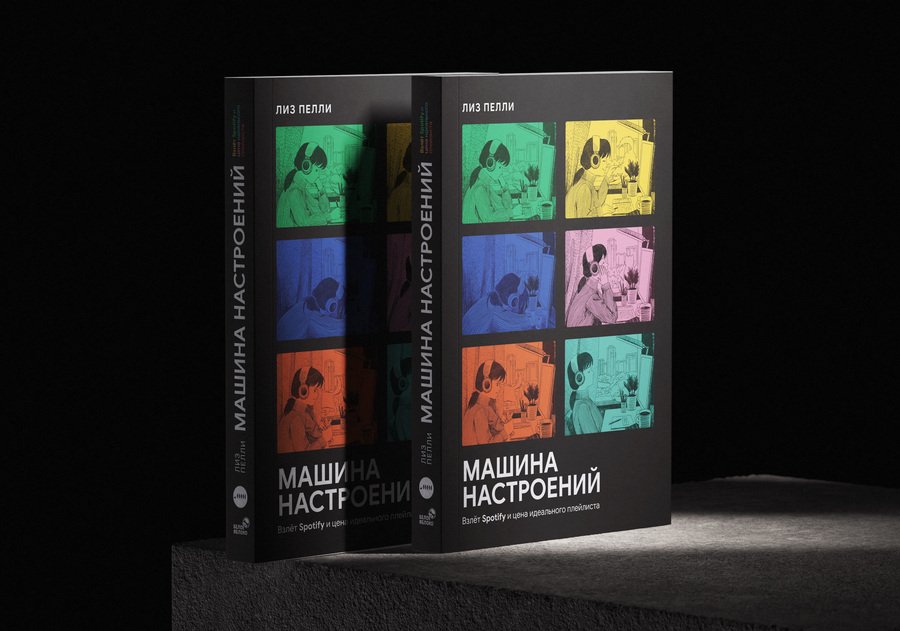
Spotify promised to give us access to all the music in the world, but it gradually transformed music into a tool for managing one’s own mood. It begins to exist not as a work by a specific person or group, but as an ingredient for a particular mood or lifestyle. This is why the book received the title «The Mood Machine.»
The book also explores other important themes. For instance, it discusses the existence of «ghost artists”—composers hired by production companies to create music for popular playlists and specific moods. This production model benefits streaming platforms because it allows them to fill functional playlists with a large amount of relatively inexpensive content. Although the book was completed in 2024, it already carried a sense of the coming boom in generative AI music, which is now rapidly saturating streaming platforms. Pelli convincingly demonstrates why services like Spotify were essentially built for this kind of music.
However, this is by no means a pessimistic book, and Pelly herself does not appear to be a techno-phobe or a 21st-century Luddite. In a sense, «The Mood Machine» is less about Spotify and more about what happens to culture when a massive commercial platform becomes the intermediary between a person and a work of art.
Ultimately, it is a story about how Spotify has transformed music from a cultural experience into a personalized mood-management service—and why the ramifications of this are far more serious than just low artist royalties.
In connection with the release of the book in Russian, we are publishing excerpts from Liz Pelly’s presentation at the Soft Centre festival in Sydney in 2025.

Spotify wasn’t initially about music
When we discuss streaming issues, it’s important to remember: the problem isn’t so much about technological glitches as it is about how industrial practices, politics, and economics shape those technologies. Spotify started as a company founded by people from the advertising world.Their initial idea was far more related to the advertising model than to music. It was intended to be a platform that combines a free media library with advertising revenue. If you look at early patents or listen to interviews with company executives from that time, it becomes quite clear that the system being built wasn’t necessarily music-centric at all.However, I don’t view universal access to music as a problem. We can certainly envision universal access to music that would be much fairer to artists and that would involve a more responsible approach to music culture.
What «Independent Music» Actually Means
When I talk about independent music, I primarily mean music that isn’t connected to major labels. But I’m always interested in understanding what exactly we mean by the word «independent.»Streaming clearly shows that in many cases, what we actually mean by «independent music» is small-scale cultural production. Historically, independent labels often supported music that existed on a smaller scale.Sometimes the word «independent» is simply used as a substitute for «local» or «small.» It seems to me that if we talk about supporting local and small-scale music, it becomes much clearer what harm streaming is inflicting on culture.Streaming doesn’t just encourage music that scales well. It also creates a very peculiar, space-deficient musical culture.
Music Without Place
I believe that the lack of place is partly what happens when music loses its connection to the local context. Even at the city level, there is very little streaming curatorial work related to locality.
Music is constantly being reinterpreted through mood and personalization. And this is vastly different from the question: «I want to learn something about the music from the place I live.»
Even the very idea of musical culture tied to a specific location is gradually disappearing. You listen to a song, but you know nothing about the artist, the label, the scene, or the community from which it originated.
Playlists Sell an Image of Yourself
For a long time, I thought that very specific titles for niche playlists appeared because curators were trying to guess what people would search for—a kind of SEO strategy. However, it gradually became clear that what was being sold to the listener wasn’t the idea of the music. Instead, they were selling the idea of who they are.This is tied to what can be called the «aesthetics of desired identity.» When you browse playlists, you are no longer thinking, «I want to listen to this music, ” but rather, „I want to be this person.“
This is closely related to the history of music technology. Historically, new music reproduction technologies were marketed by promising to stabilize your mood. In a sense, these highly niche aesthetic playlists are a continuation of that very idea.
Streaming and the Media Crisis
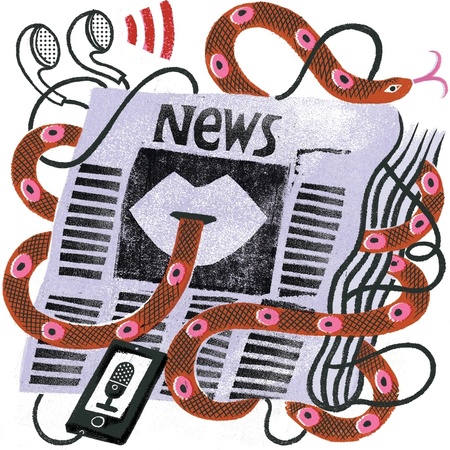
Streaming was presented not merely as a replacement for physical music stores or a new way to monetize music. It was also framed as a replacement for radio—as a media product. Therefore, when we consider how to move forward, the discussion must go beyond just how to pay artists more fairly. Of course, we should buy music directly from artists, attend concerts, and support independent record shops.But we must also think through the lens of media. The consequences of streaming for music are largely tied to the need to support local media systems, media cooperatives, new DIY media, and similar projects.
Over the last two decades, musicians have faced numerous problems due to corporate consolidation and changes in the digital advertising economy. Journalists found themselves in a similar situation. Corporate consolidation and the platform economy have also heavily impacted journalism.
It strikes me as interesting that both musicians and journalists and creators of local media are now seeking solutions through cooperatives and other forms of collective organization.
Numbers Make Musicians Question Themselves
One thing that comes to mind when I think about the impact of streaming on artists' self-perception is how damaging all these metrics can be—the ones they encounter every day.Monthly listener counts, stream numbers—all these indicators become public. Not only do you see them yourself, but all other artists can see them too. I believe this negatively affects both the listeners and the musicians—on their sense of self-worth and the perceived value of their music.Meanwhile, in recent years, artists have increasingly spoken about how meaningless these metrics are and how easily they can be manipulated. Perhaps this even helps people better understand their own feelings about this system.
Musicians Are Simply Exhausted
If we are discussing how people feel, the independent artists I speak with are genuinely weary of constantly having to find ways to survive in such a complex and exploitative media environment.It seems to me that people are becoming increasingly interested in moving away from streaming—sometimes switching to alternative platforms, sometimes returning to physical media, or sometimes seeking simpler solutions.But the return to local music scenes seems particularly crucial to me. This is a very powerful response not only to the harm caused by streaming but also to corporate consolidation, financialization, and the commercialization of culture in general.
«Ghost Artists» and the Future of AI Music
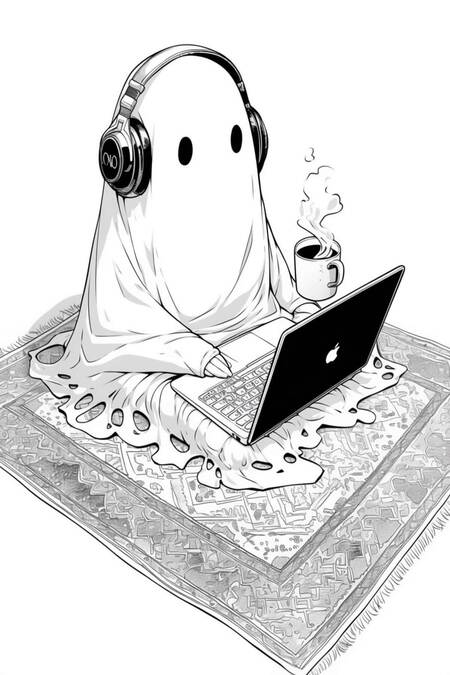
«Ghost artists» became a much larger part of my research than I had initially anticipated. As early as 2015, music press began featuring stories about popular playlists for sleep, studying, concentration, and relaxation being filled with music from artists who don’t exist—or, as they were called at the time, «fake artists.»However, I consciously chose the term «ghost artists» rather than «fake artists.» This is because the issue wasn’t about music created by generative AI. These were real musicians hired by production companies to create tracks intended for specific playlists. They worked under terms that were more advantageous to the production companies and streaming platforms than to the musicians themselves.
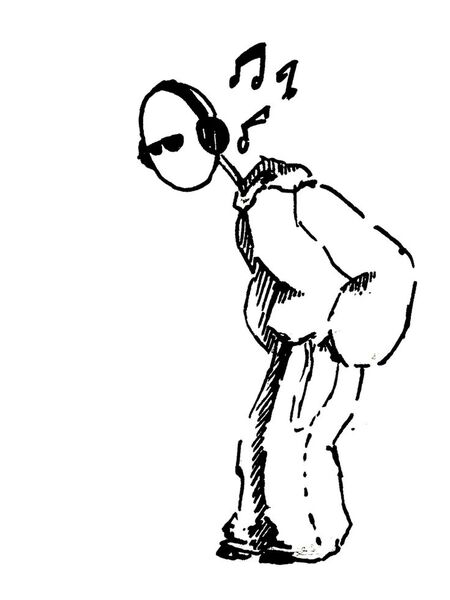
How Spotify Has Prepared Us So Well for AI
I believe that the rise of generative AI music on streaming platforms has numerous implications. Tens of thousands of AI tracks are presumably uploaded to streaming platforms every day. And if you already have a curation system that trains people not to think too much about which specific artists are on their playlist or who exactly they are listening to—but only to think about mood, atmosphere, and functional music—this significantly facilitates the spread of AI music. These listeners are already accustomed to not questioning whether the music was made by generative AI or by human artists.
What to Do About This
I believe it is extremely important to return to the local. To return to our own music scenes. This can be a very powerful antidote not only against the harmful and exploitative consequences of streaming but also against corporate consolidation and the commercialization of culture. Therefore, we need to attend concerts. Buy music directly from artists when possible. Purchase merchandise. Support independent music stores, local radio stations, small media outlets, and DIY projects.If music creators truly value these resources, they must participate in them and use them. Because if communities do not use them, these projects will simply stop receiving support.
And the last thing—what remains after all of this.
If this were my final dance, I would want to hear the voices of my friends and loved ones singing for me. It doesn’t matter what song. Their voices are what matter.