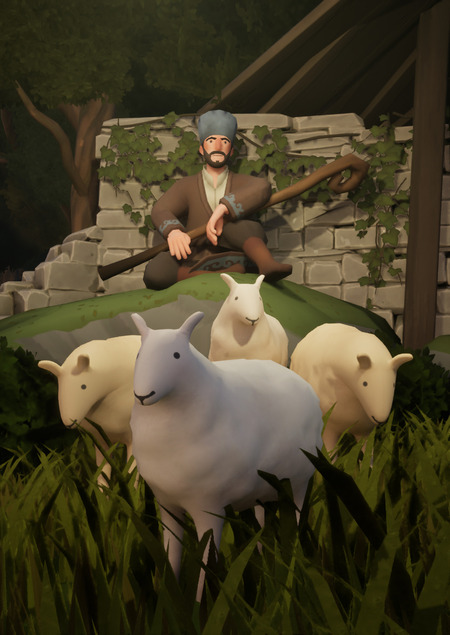
The new shepherd has to spend days tending to the sheep his master tasked him to protect from wolves and keep from the cliffs. But the main threat is the flock itself, which transforms into a pack of monsters every night. Kill a mutant—and you lose a sheep. Don’t kill one—and you endanger the entire flock.
OTARA — A 3D PC game about a shepherd with a mutating herd
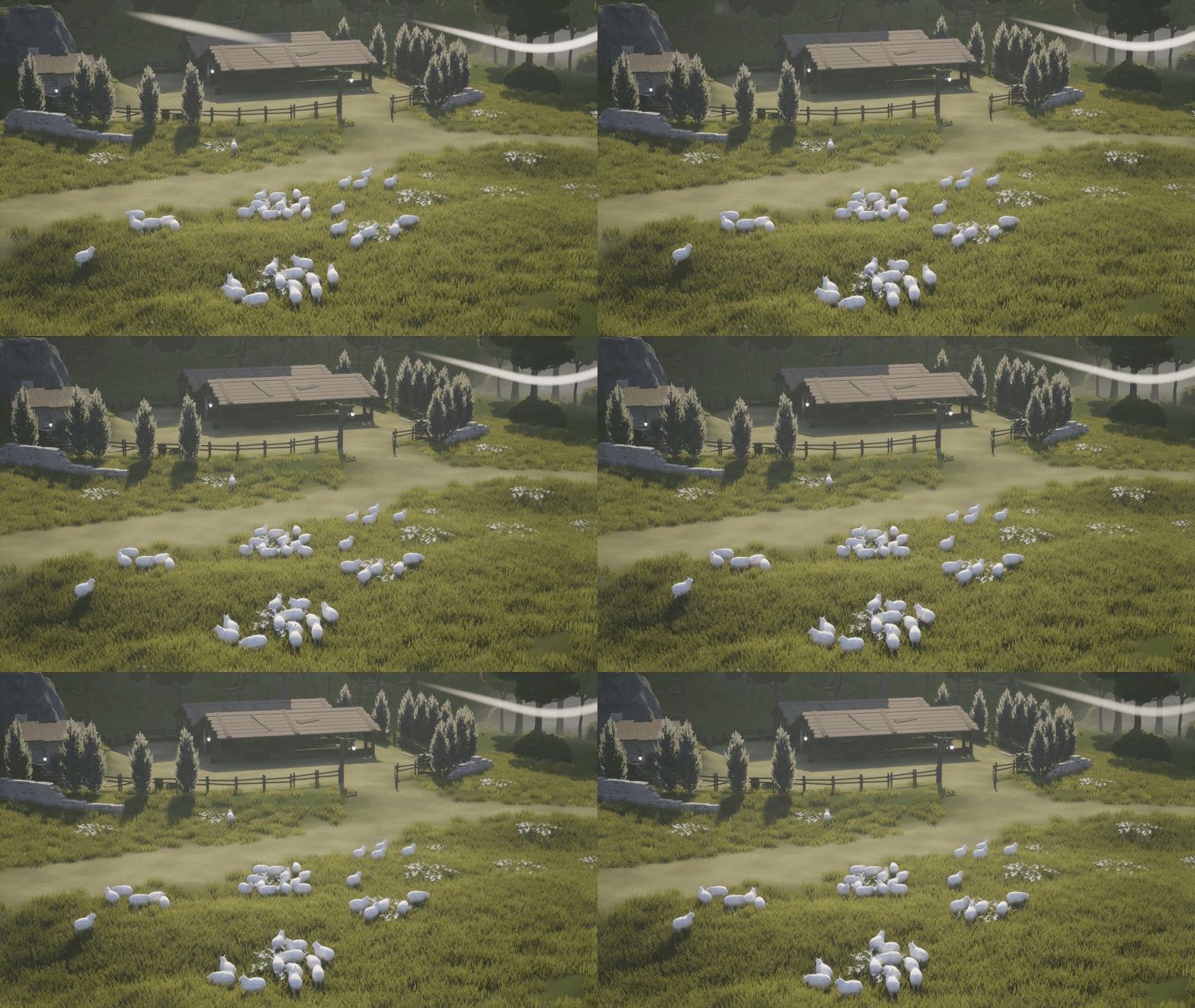
Daytime grazing, walk through the fields
During the day, the player herds sheep. The main objective is to feed them and find those infected with signs of mutation.
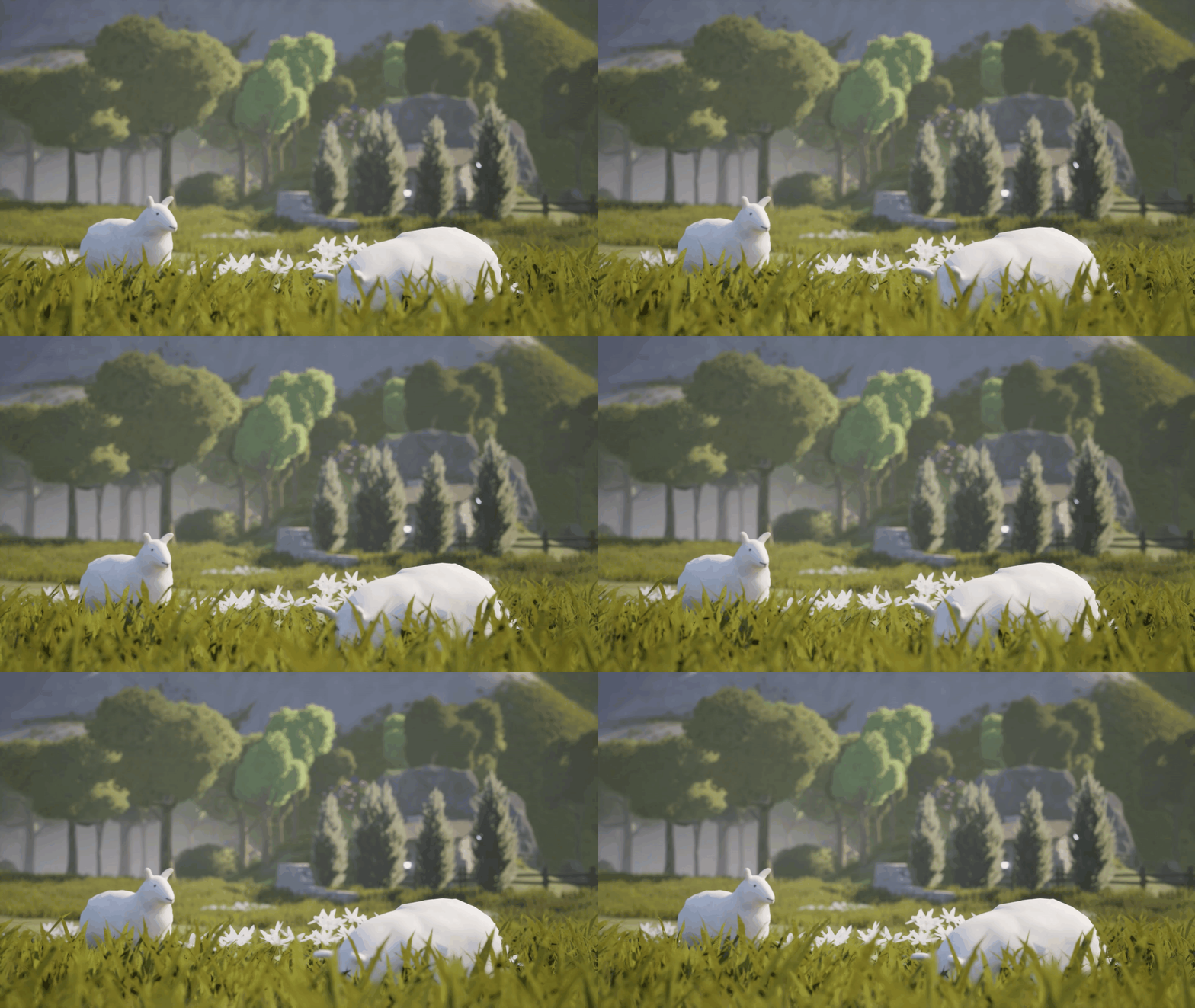
The player grows accustomed to the sheep. They give them names and care for them.
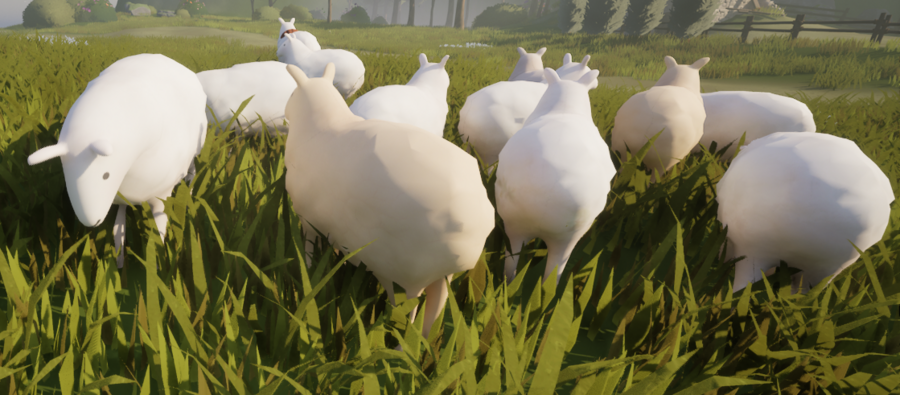
Night
The rate at which sheep with symptoms begin to mutate depends on the fullness of the flock. The player is presented with a complex choice.
To kill or to attempt to cure?
After the time expires, untreated sheep exhibiting symptoms begin to mutate. They become aggressive and attack the flock, subsequently dying themselves.
OTARA is built on contrast—relaxation during the day and intensity at night.
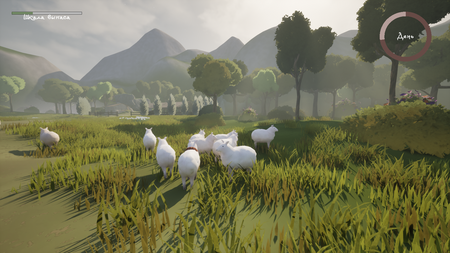
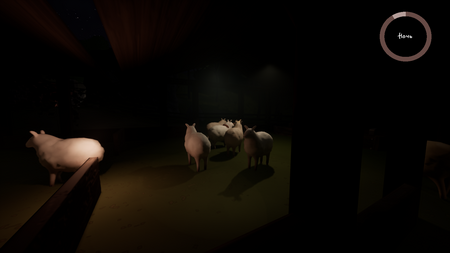
As the vision keeper, I tried to maintain this contrast.
The role of the vision-keeper
I ensured the game remained true to its original concept. I assessed the team’s strengths and prioritized tasks.
The Role of a Programmer
I worked on creating the AI logic for sheep. I delegated tasks and consulted with the team, bridging the conceptual vision with technical implementation.
I also worked on external contracts. I created the foundation for a cockroach mini-game for the DEADWEIGHT game.
The Role of a Game Designer
I wrote and finalized the first version of the GDD. I conceptualized the behavior and logic of the sheep. I linked the mechanics together, for example, the dependency between the sheep’s satiety and the time required for nighttime healing. I monitored the GDD’s status throughout the development process.