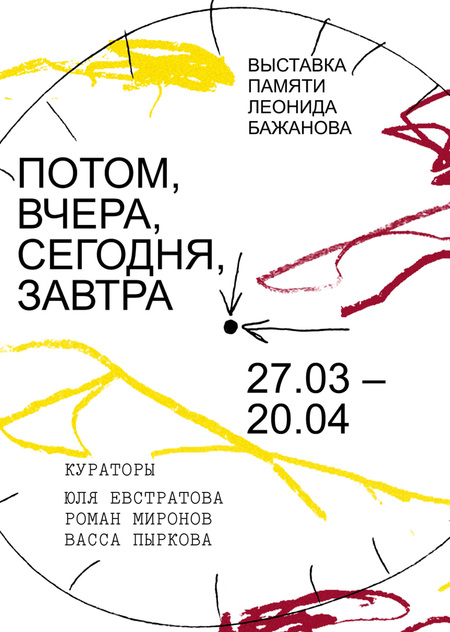
At the HSE Art Gallery on Pionerka Street, the exhibition «Later, Yesterday, Today, Tomorrow» has opened, dedicated to Leonid Bazhanov (1945–2025)—a key figure in contemporary Russian art whose ideas and actions transformed the country’s cultural landscape.
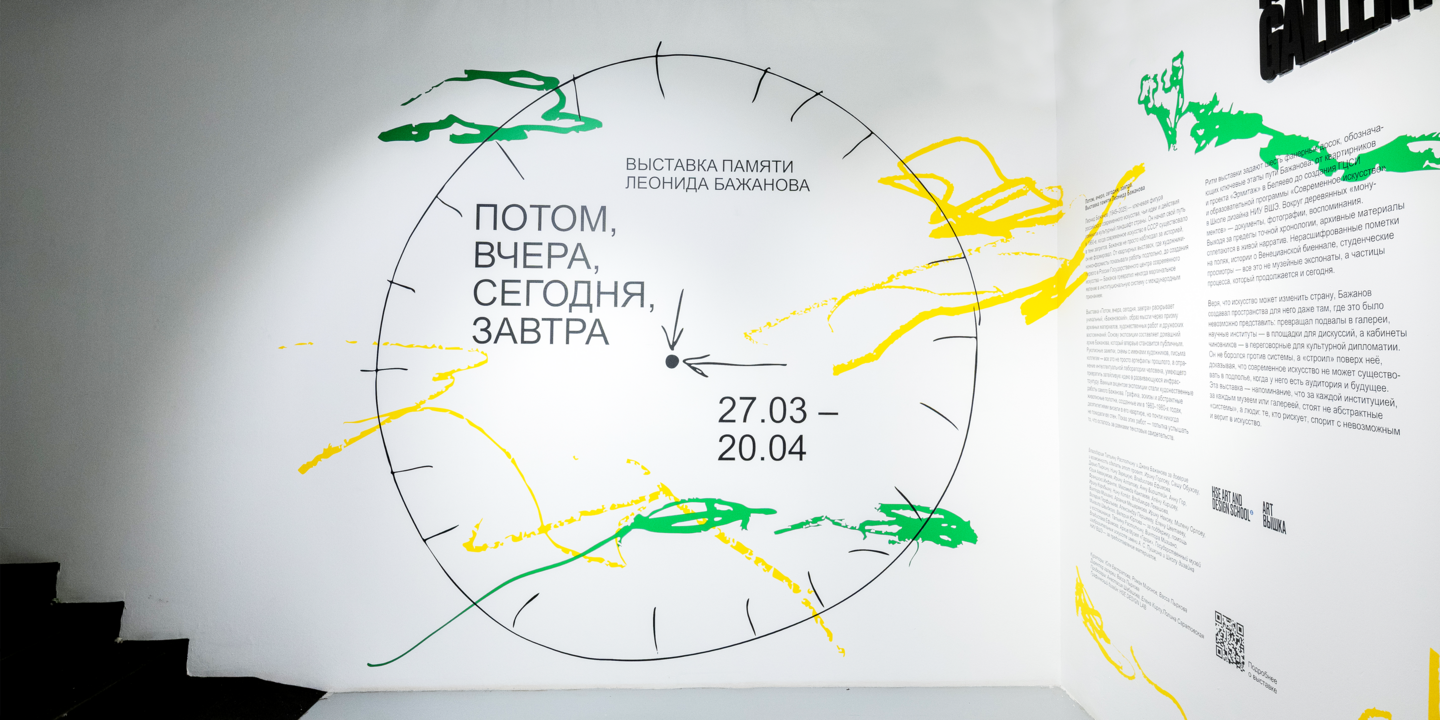
Leonid Bazhanov began his journey in the 1960s, when contemporary art in the USSR existed in the shadow of prohibitions. He did not merely observe history—he shaped it.
From underground exhibitions by nonconformist artists to the creation of Russia’s first State Centre for Contemporary Art—Bazhanov transformed a once marginal phenomenon into an internationally recognized institutional system.
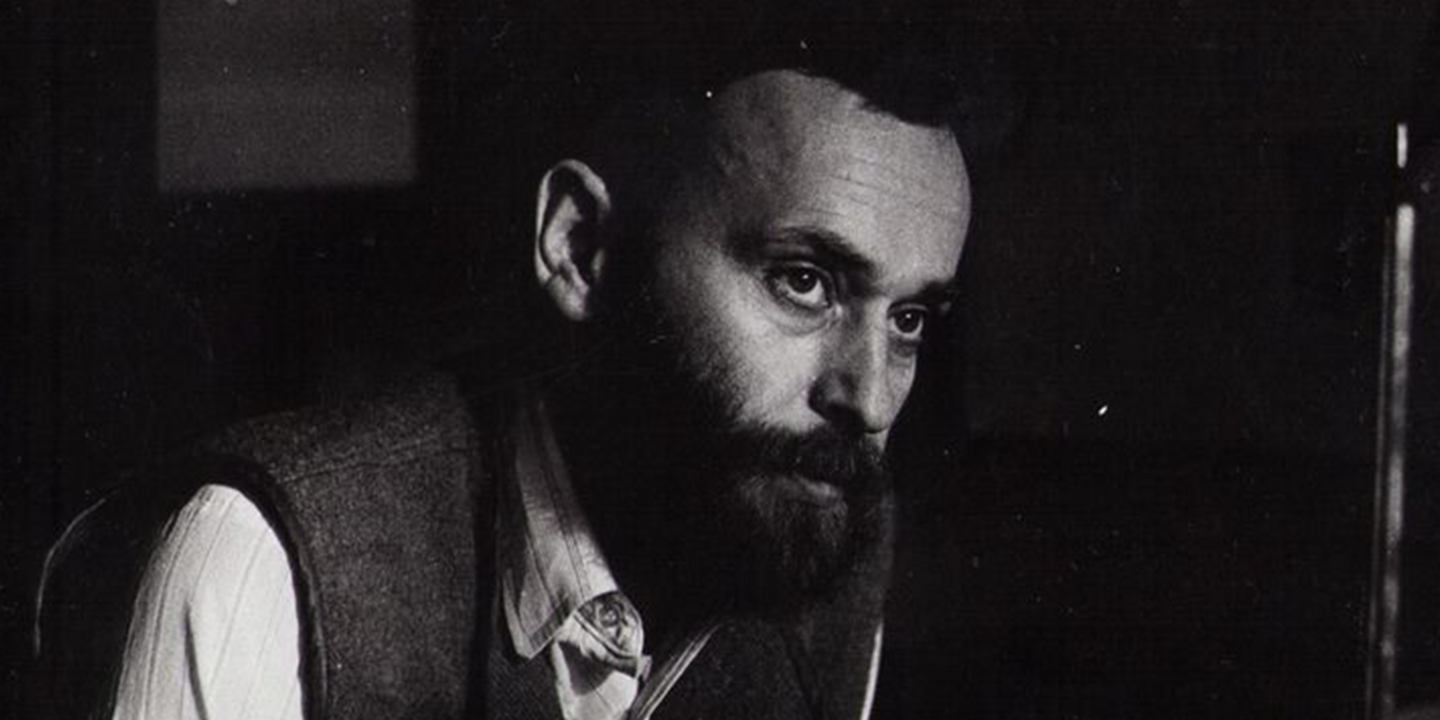
Leonid Bazhanov in his home office on Malaya Gruzinskaya Street. Second half of the 1980s. Photo from Leonid Bazhanov’s personal archive.
His life is a story of action, where every step was a blend of strategy, intuition, and fantasy. Leonid Bazhanov avoided grand pronouncements—he referred to his projects as «endeavors.»


Student thesis under the guidance of L.A. Bazhanov, 1973
Leonid Bazhanov, untitled, 1970–1980 (fragment)
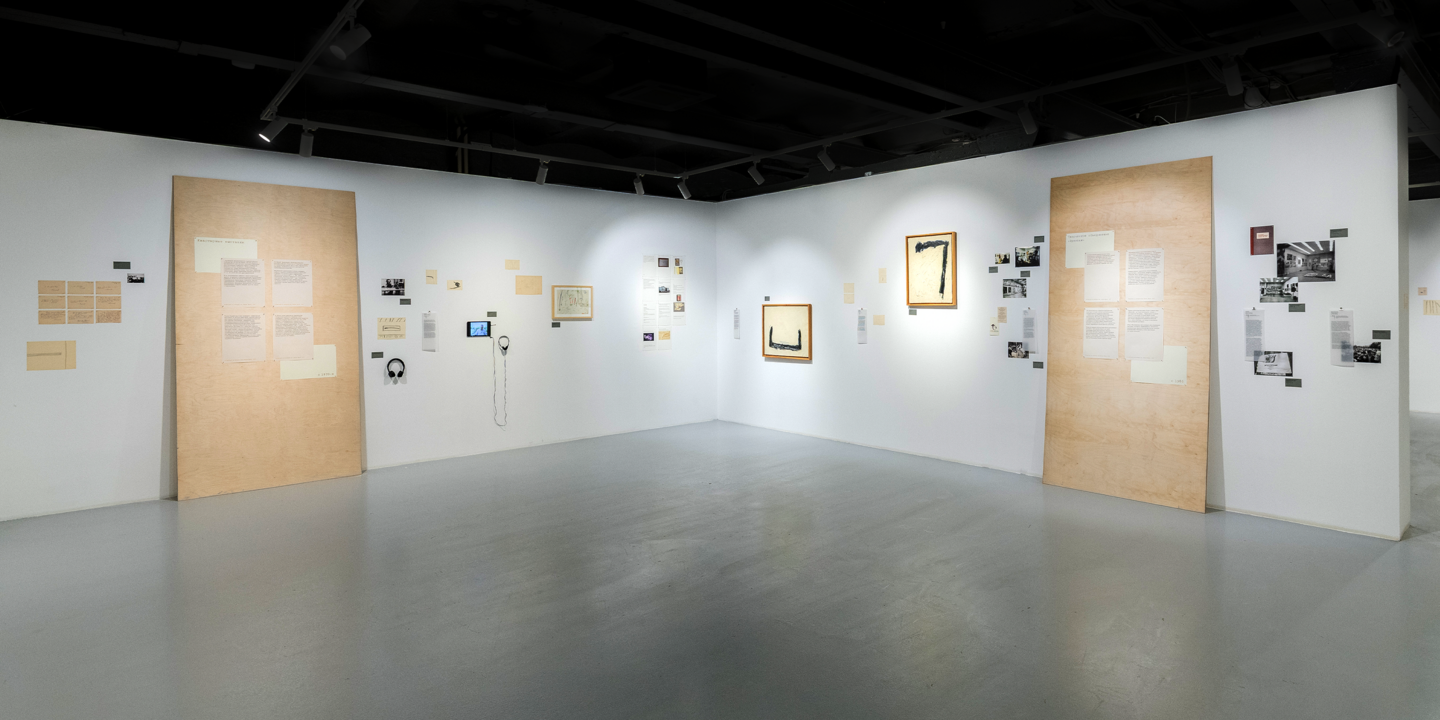
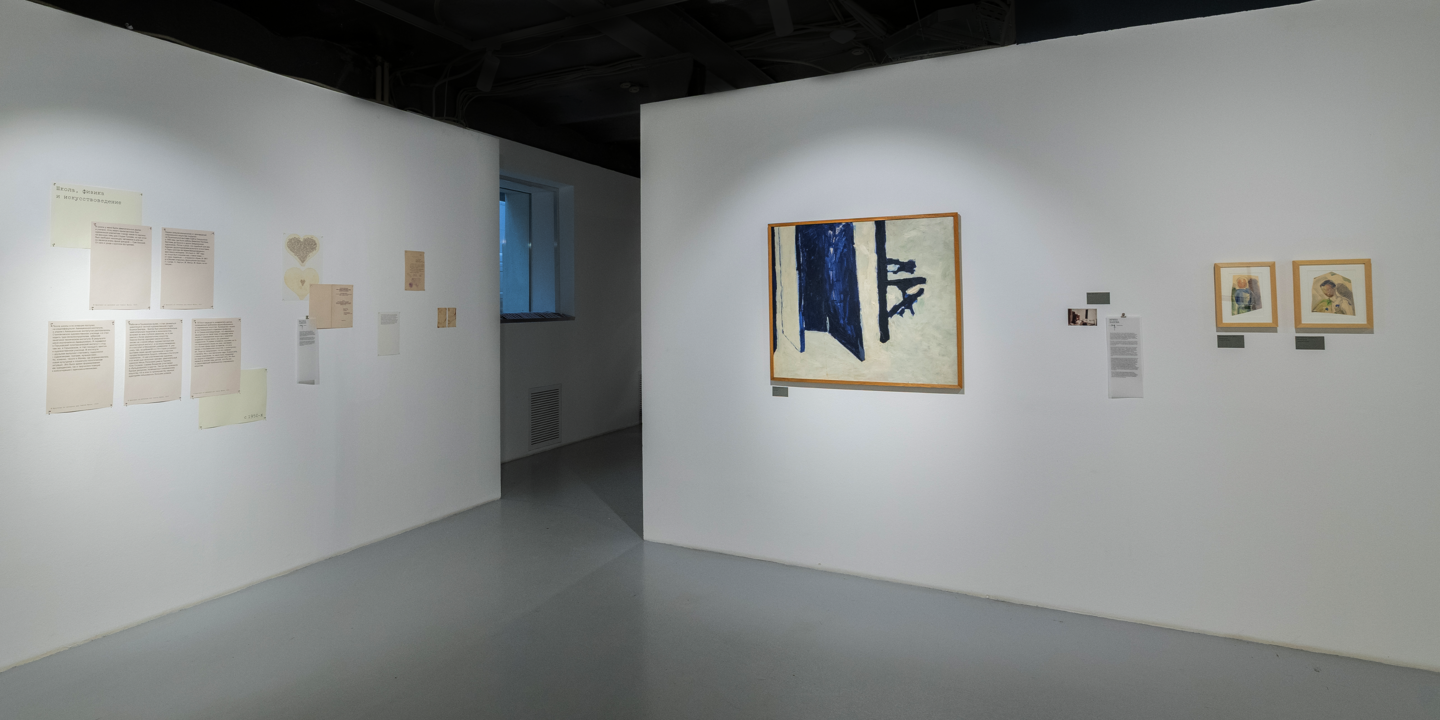
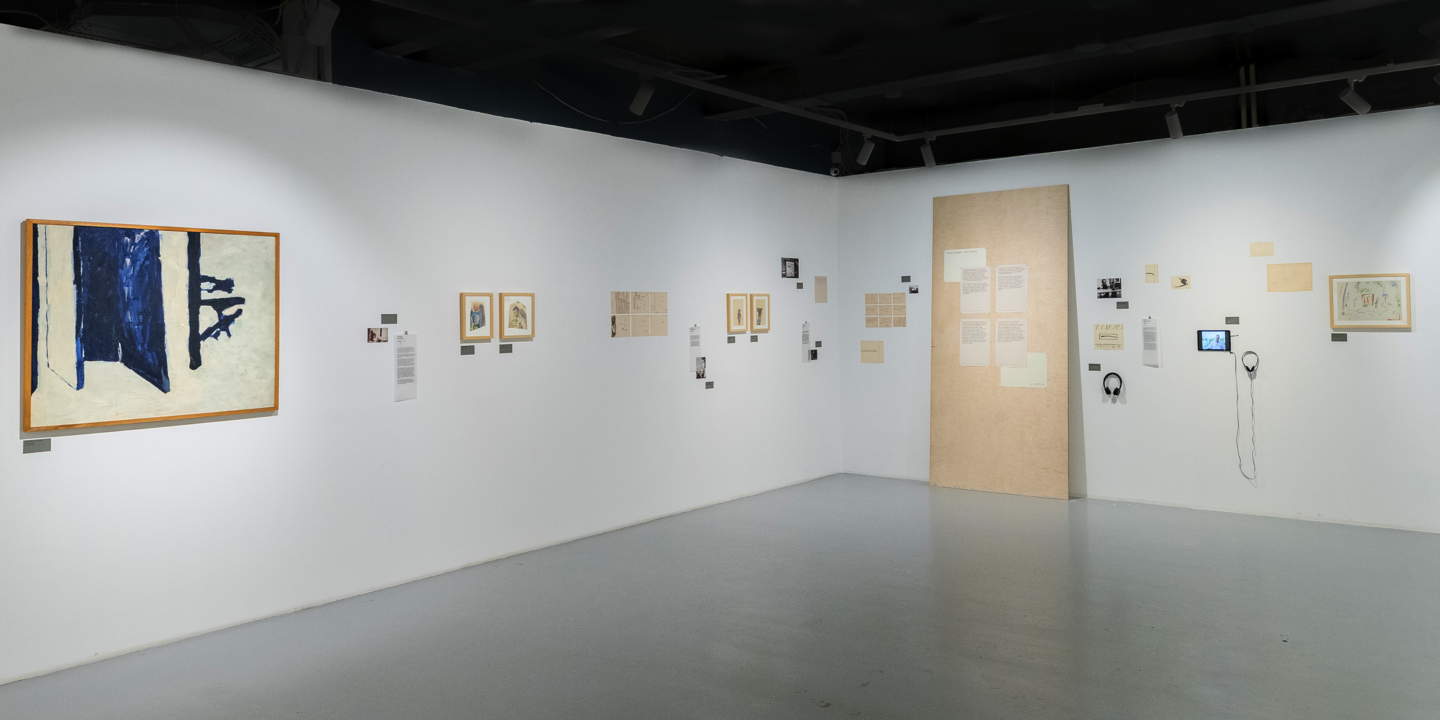
The exhibition is built upon materials from Bazhanov’s private archive, which is being made public for the first time. Handwritten notes, diagrams featuring artists' names, letters to colleagues, and documents—all of this is not merely artifacts of the past, but evidence of his unique way of thinking.
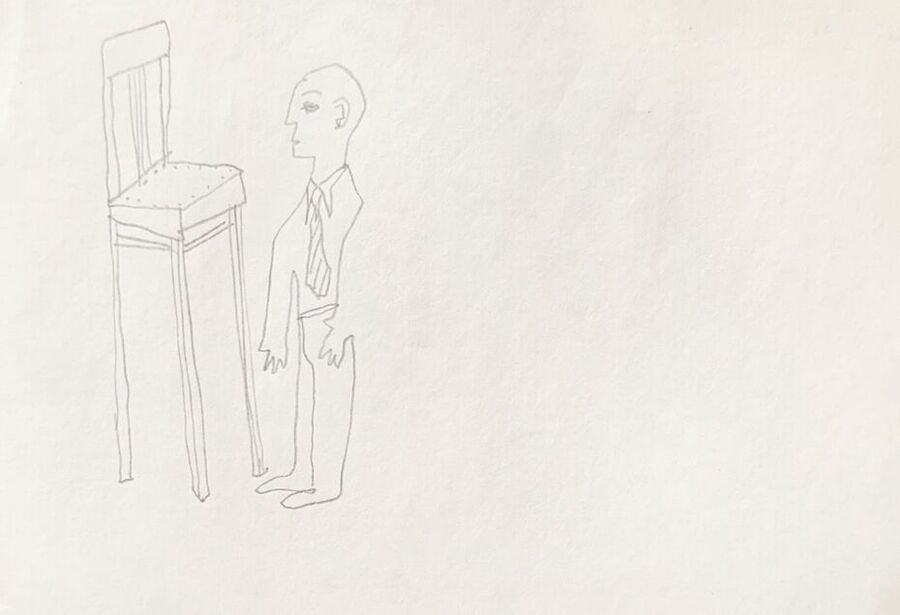
Leonid Bazhanov, untitled, 1976
Leonid Bazhanov, untitled, 1990
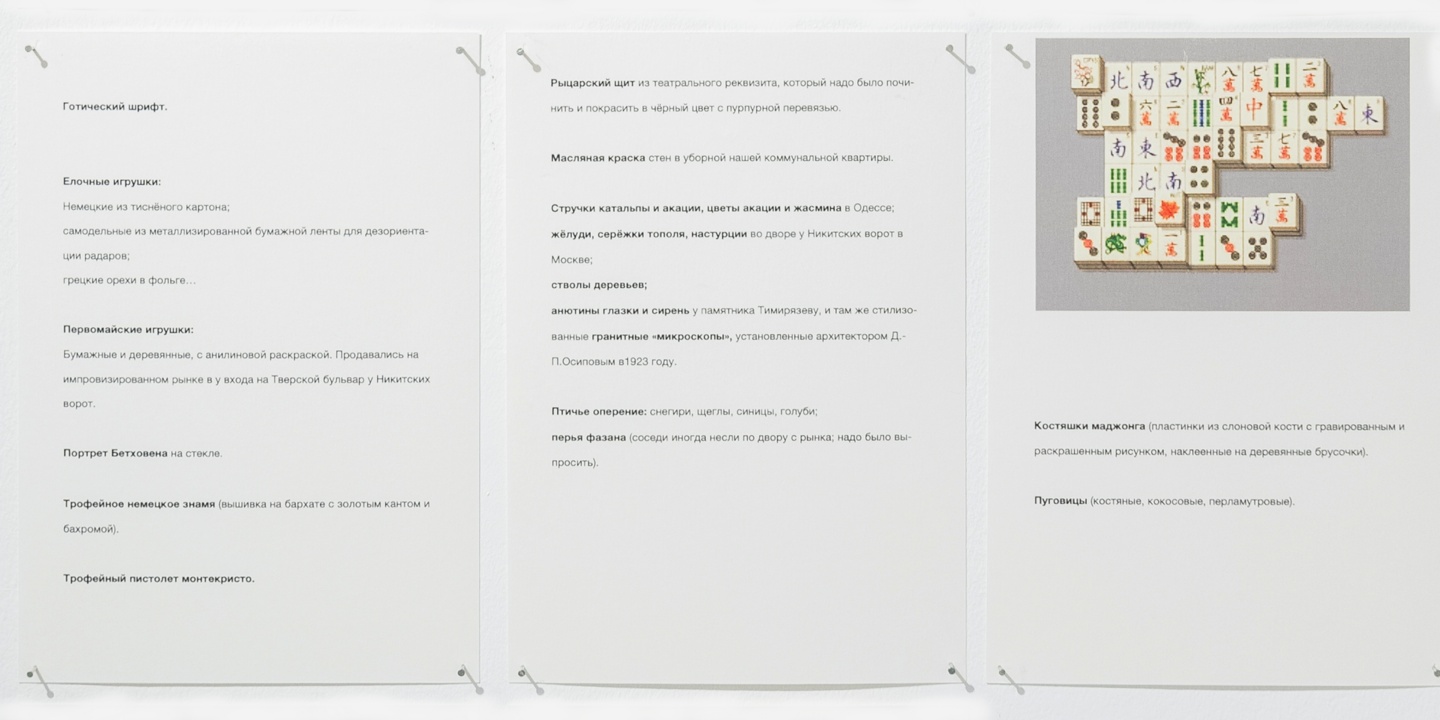
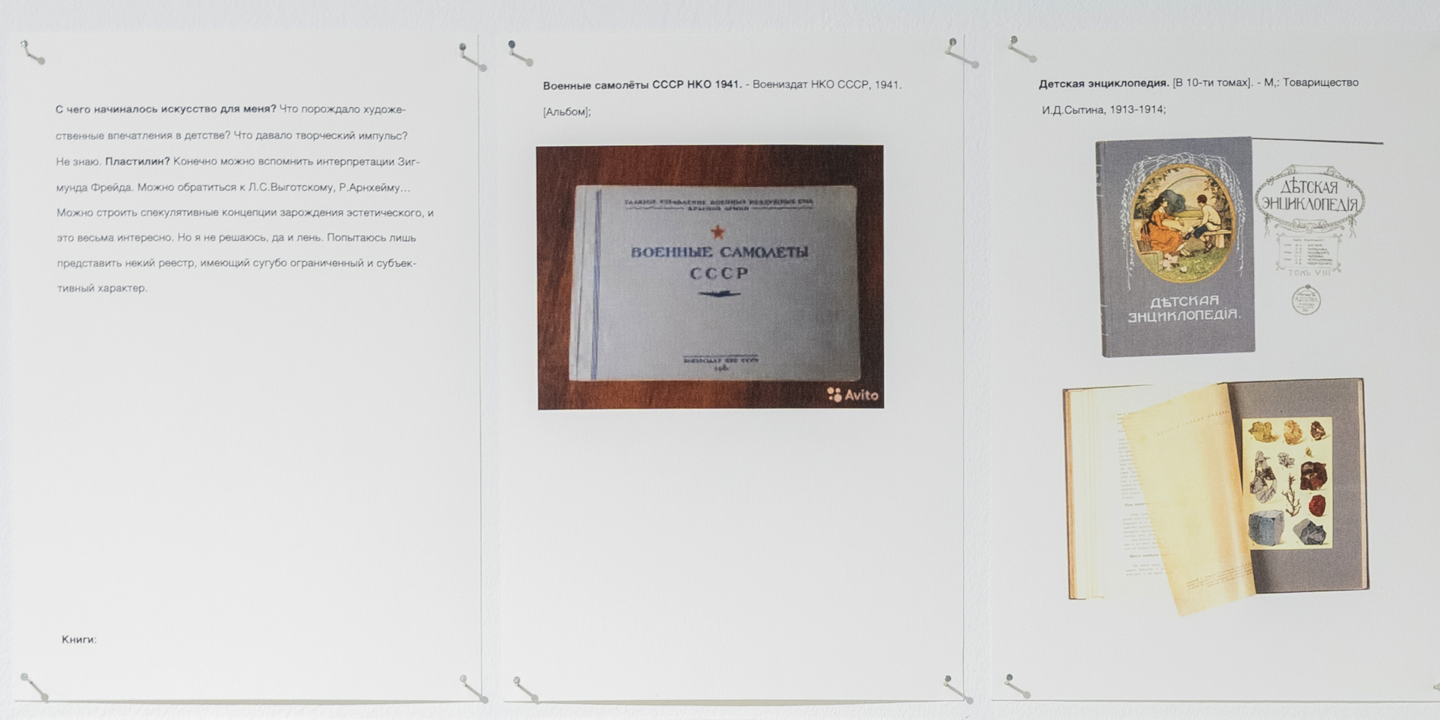
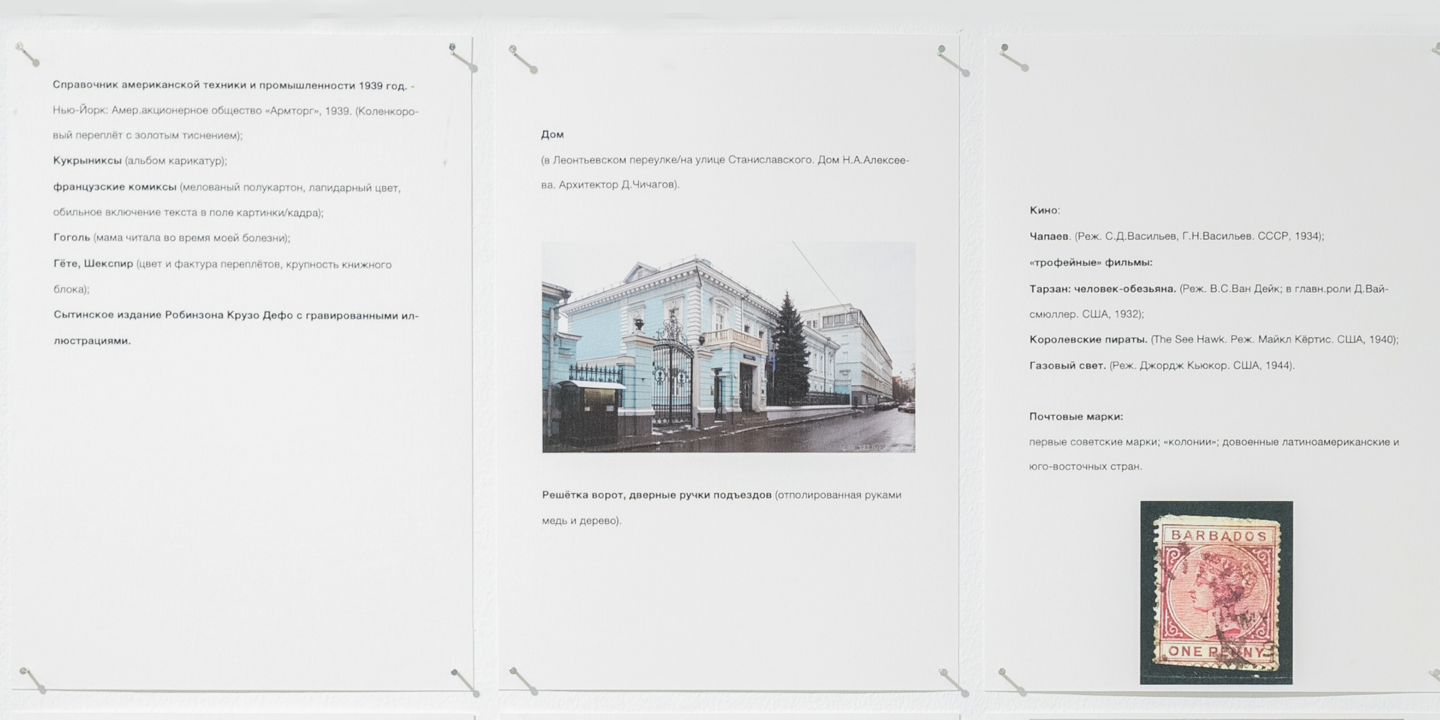
Leonid Bazhanov, Where did art begin for me?
Believing that art could change a country, Bazhanov created spaces for it even where it seemed impossible: transforming basements into galleries, scientific institutes into discussion platforms, and officials' offices into venues for cultural diplomacy. He didn’t fight against the system; he built over it, proving that contemporary art cannot exist underground when it has an audience and a future.
Leonid Bazhanov. Monument to Pushkin. From the series «Childhood Memories,» 1976 (fragment)
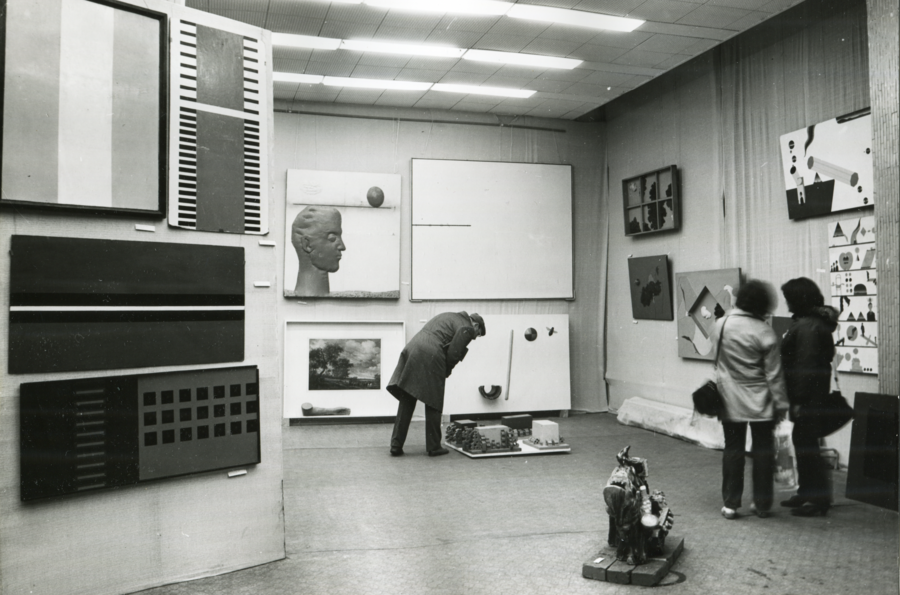
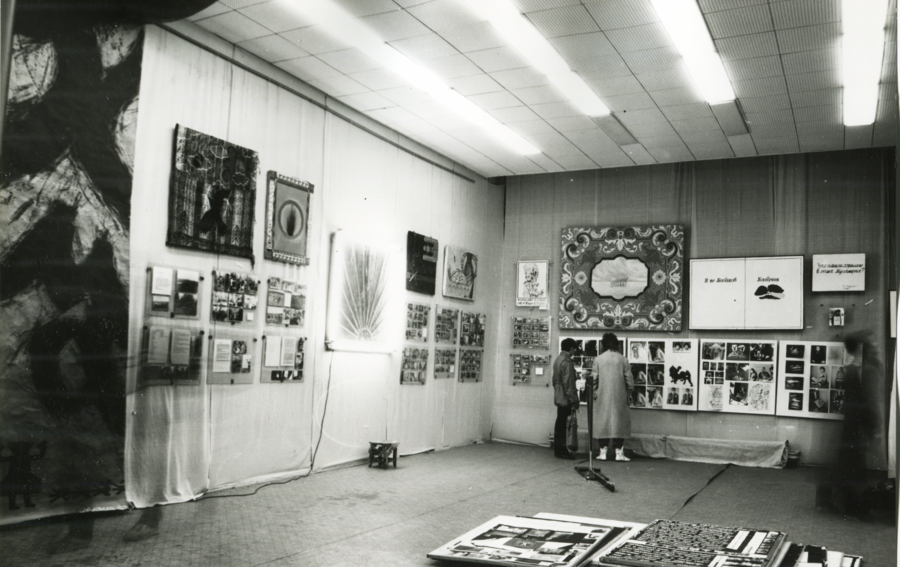
The rhythmic element of the exhibition is six monumental plywood boards. They mark the key stages of Bazhanov’s journey: from underground apartment exhibitions and the «Hermitage» project in Belyaevo to the founding of the GCSI and the educational program «Contemporary Art» at the HSE Art and Design School.
Leonid Bazhanov, untitled, 1983
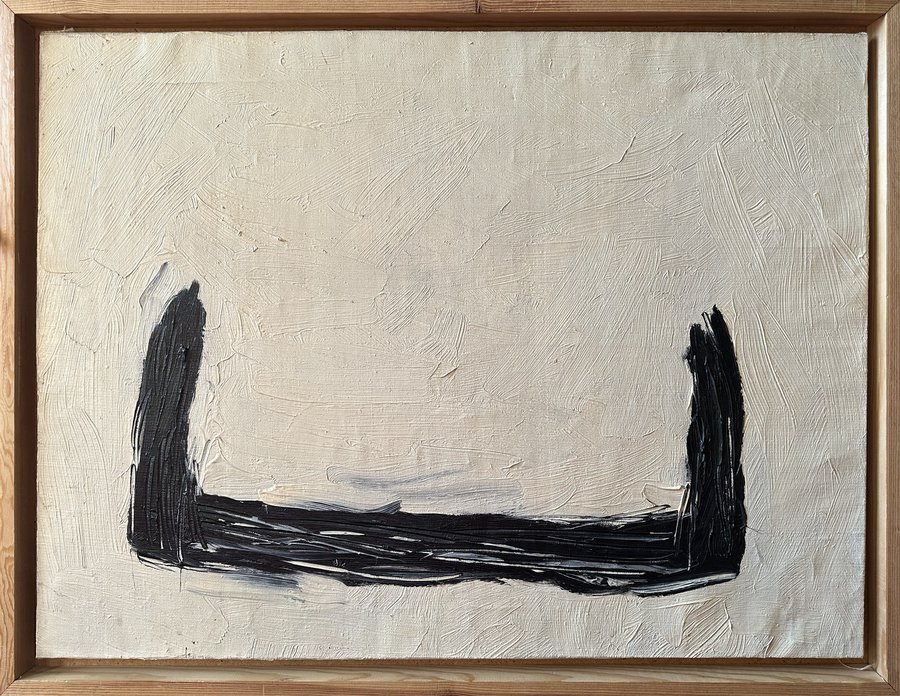
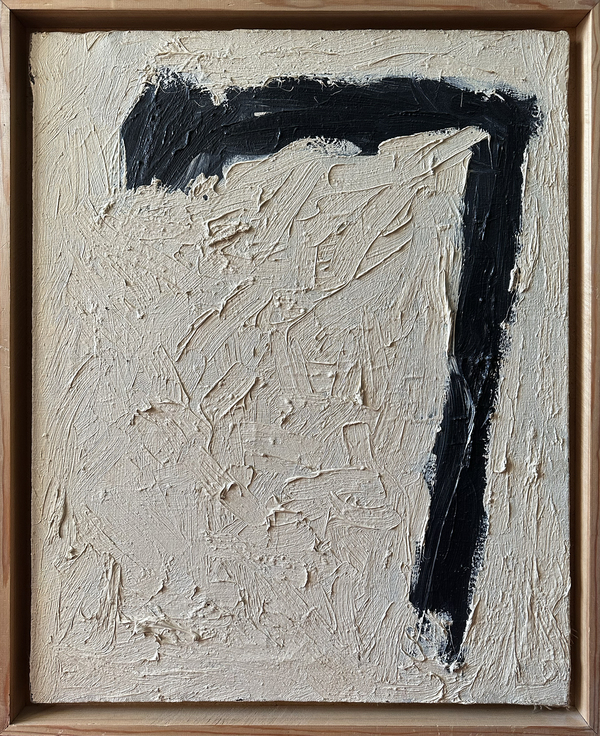
Leonid Bazhanov, untitled, 1983
A key focus of the exhibition is the artistic works of Bazhanov himself. Graphics, sketches, and abstract paintings created by him during the 1960s and 1980s hung in his apartment on Malaya Gruzinskaya for decades, yet they rarely left its walls.
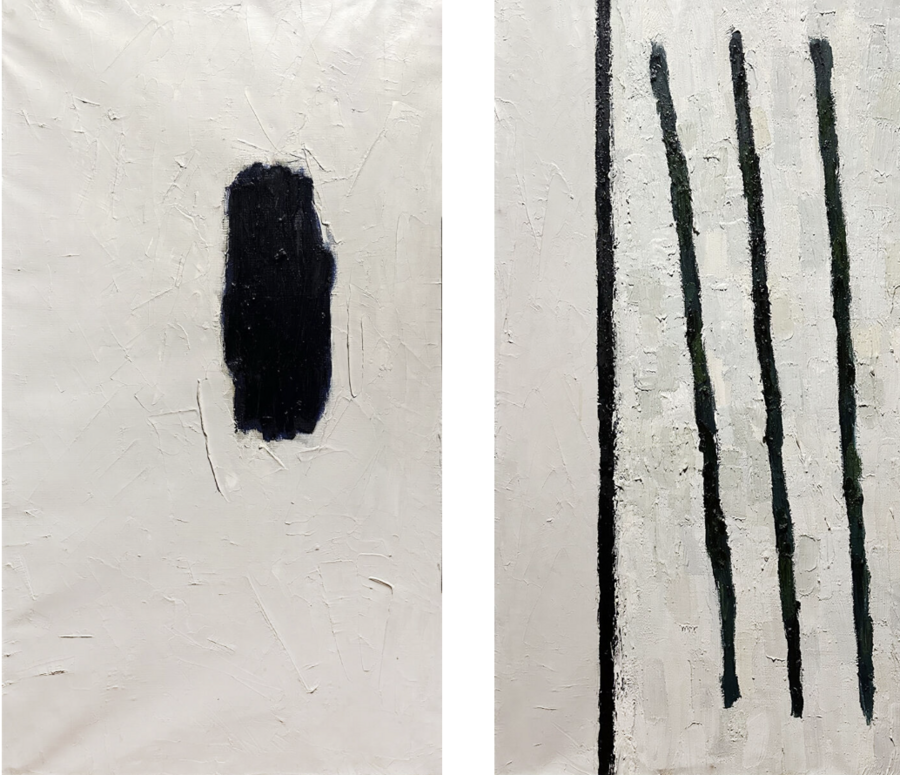
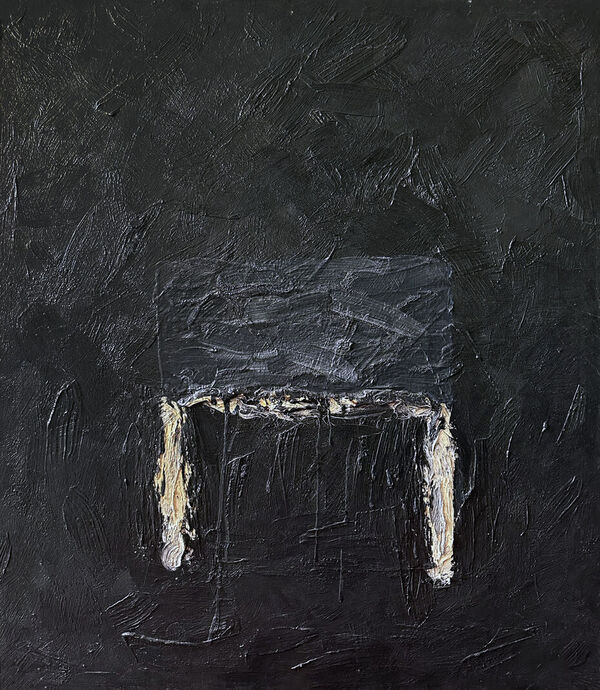
Leonid Bazhanov. Imaginary Presence (Left Panel of Diptych No. 1), 1974 Leonid Bazhanov. Landscape (Right Panel of Diptych No. 1), 1974 Leonid Bazhanov. In Memory of V. Weisberg, 1985
Landscapes of Palanga, Uglich, and Kyrgyzstan, created during trips, alongside abstractions such as «V. Weisberg’s Memory» or «Imaginary Presence”—these are not random sketches, but integral components of his internal coordinate system.
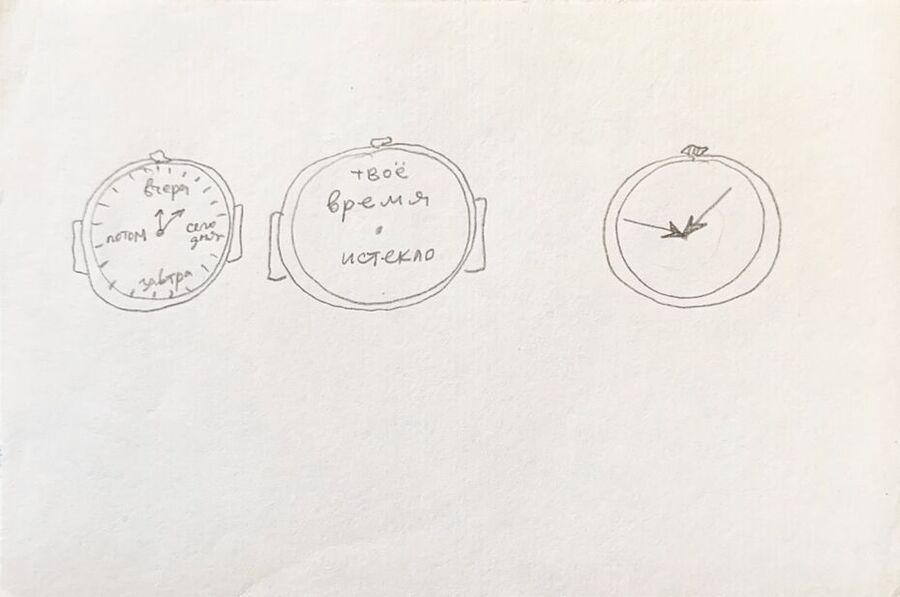
Documents from Leonid Bazhanov’s Personal Archive
Bazhanov did not aim to present these works on par with those of other artists, although he regarded them with great reverence. The exhibition of these pieces is not an attempt to «unveil a new artist, ” but rather a desire to show how Bazhanov’s artistic practice intertwined with his institutional mission. His abstractions—where form and color become a language of freedom—are the same principles he championed in large-scale cultural projects.
Leonid Bazhanov, Untitled, 1970–1990