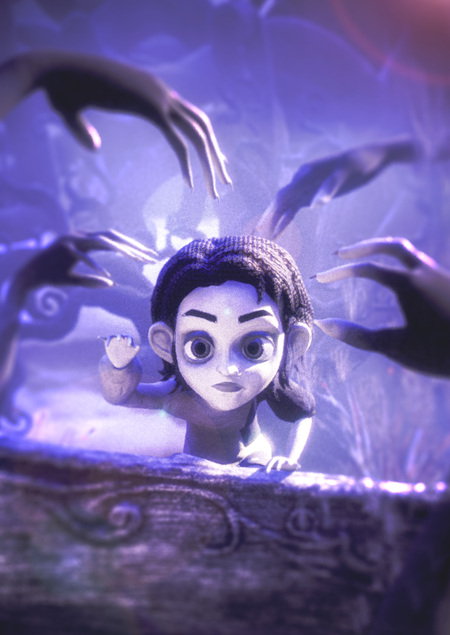

The core idea of the thesis is to visually convey the emotions and sensations of a person with bipolar affective disorder.
The heroine’s world is fractured—she is thrown from one forest to another, and with each new location, she experiences a spectrum of uncontrollable feelings.
Concept
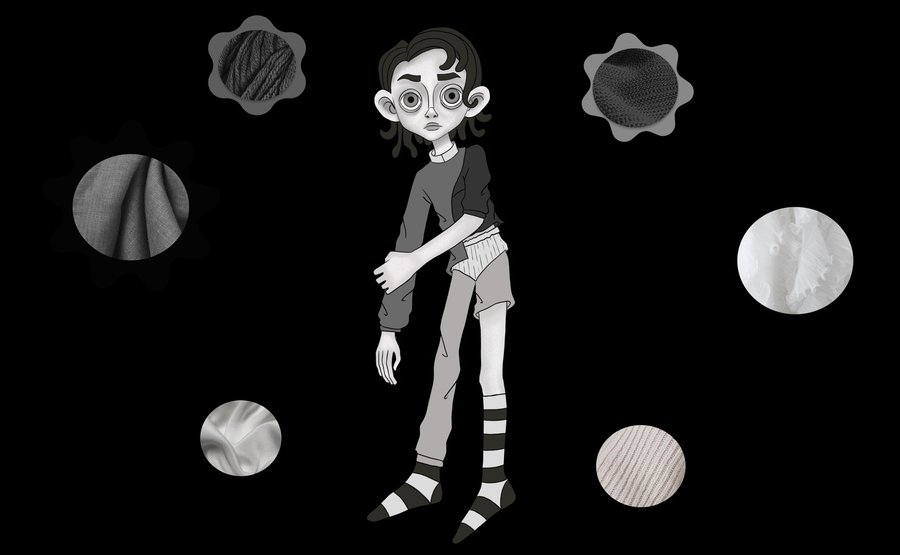
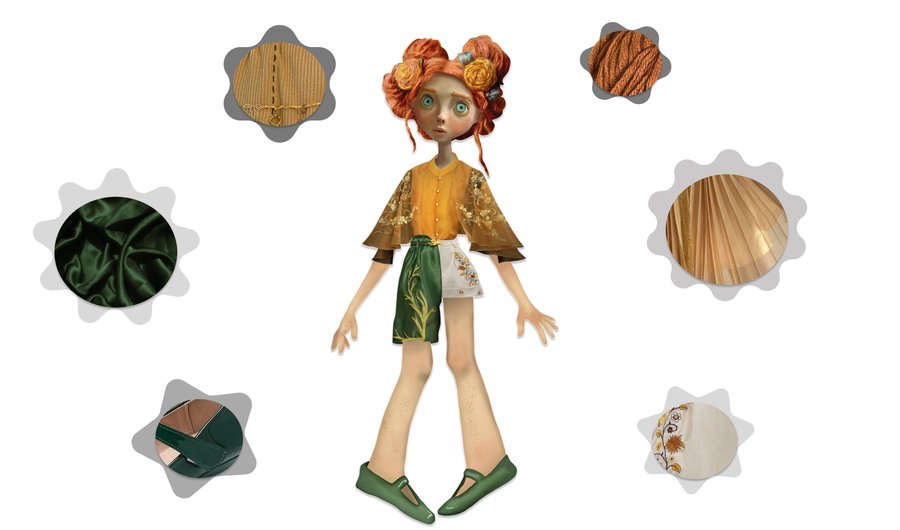
Two versions of the main character. The black-and-white version symbolizes a depressive state, while the vibrant one symbolizes a manic state.
While developing the project, the question arose: «How can we visually represent a person’s inner self?» The decision was made to proceed using visual metaphors and symbolism. It is the same character, but with different versions depending on their mental state.
Concept collage for a black and white forest.
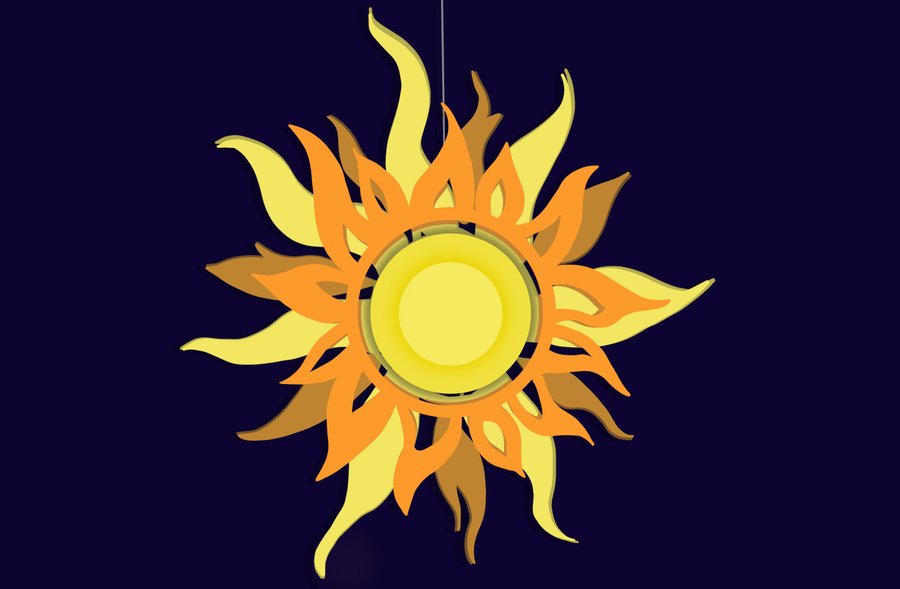
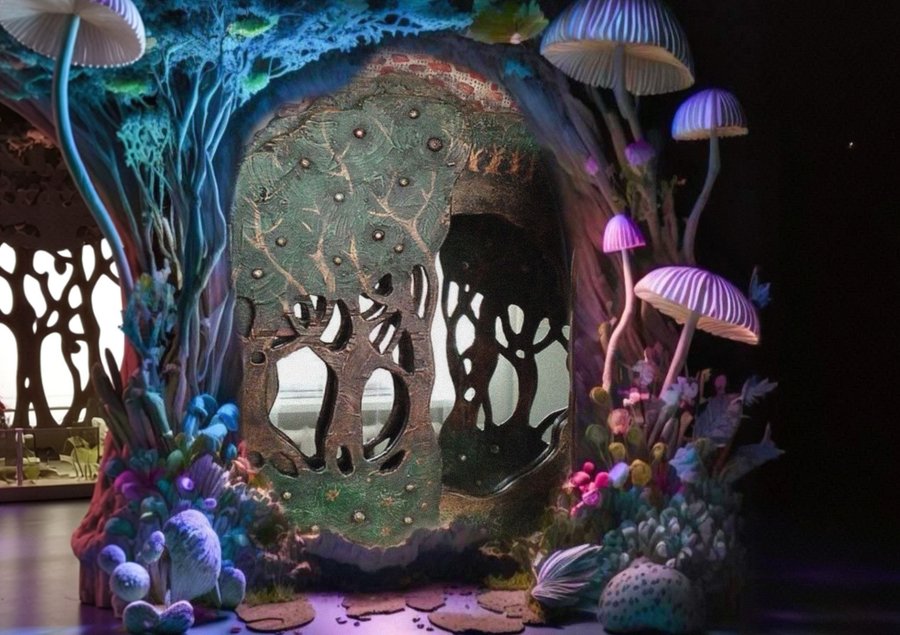
Concepts for a neutral and magical forest
For the concept of revealing a character’s state, I needed to assemble locations that would amplify the visual metaphor of a particular condition. This resulted in three forests: a black-and-white one, a neutral one, and a magical one. Each one reveals to the viewer different facets of the states associated with bipolar disorder.
Character Development
Sculpting and Retopologizing a Black and White Character
The creator carefully selected the style for the animation because incorrect shapes and style could completely ruin the impression of the story. Overly simplified models could make the story seem unserious and grotesque, while complex, realistic forms would hinder the perception of the excessive metaphor.
Sculpting and Retopology of a Colored Character + Color Test
The animation style was chosen to resemble stop-motion, but not merely for aesthetic appeal—it was specifically intended to convey the feeling that the character is being manipulated, much like B.A.R. controls a person, preventing them from taking control of their own life. The author conducted extensive research on stop-motion animation, examining the forms and textures used, as well as the distinct qualities of puppet movement within the frame. This analysis allowed for a close realization of the initial concept.
Textured and rendered characters
Thanks to the Stop-Mo add-on in Blender, it was possible to recreate the aesthetic of puppet animation—jerky, abrupt movements, as if the puppet were photographed frame by frame.
Of course, not every nuance can be captured, and it’s impossible to perfectly retain the chaos created by hand, but the style is recognizable and very effectively conveys the concept.
Textures of a magical forest dweller
Location Design
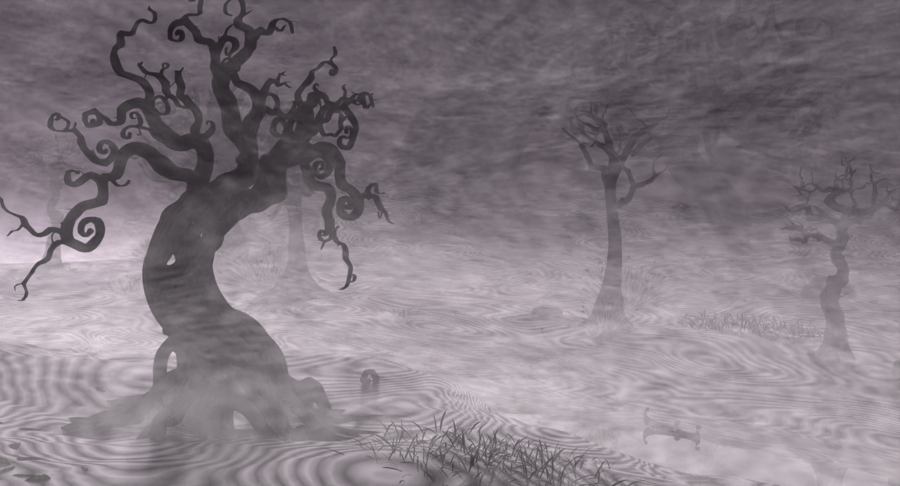
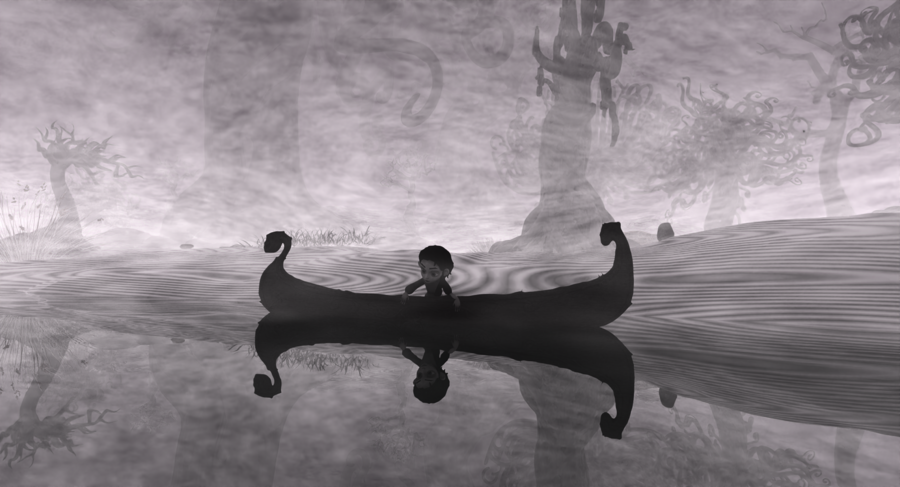
First black-and-white location render in Blender
The locations proved to be the most challenging part—the author revised them several times because they did not fully reveal the character and the story.
First version of the neutral forest in Blender
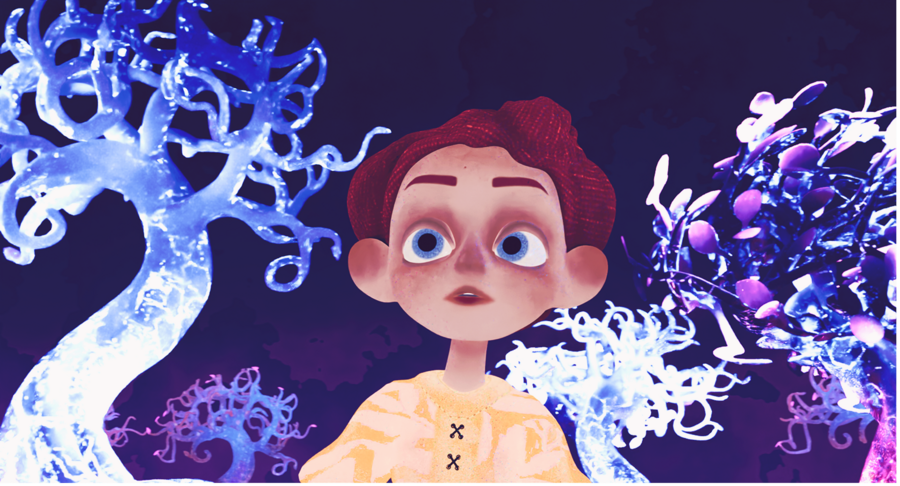
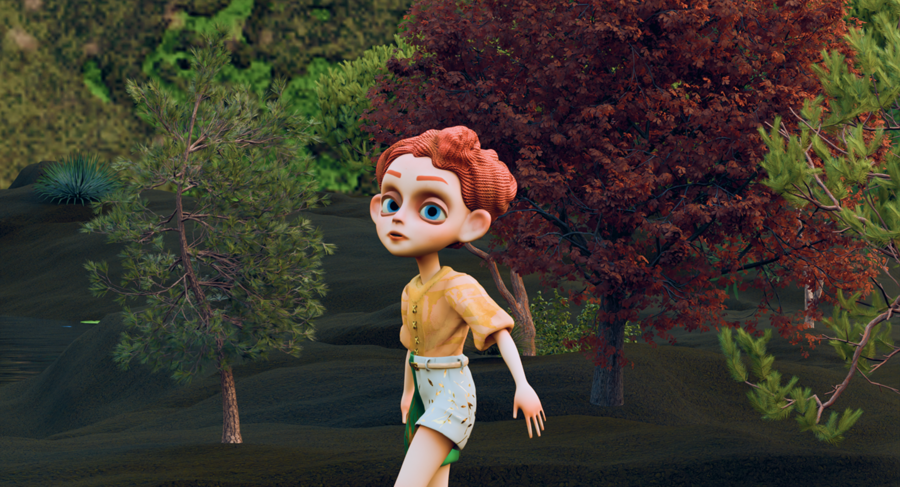
First versions of the magic and neutral forest in Blender
The first version of the magical forest in Blender
The initial versions of the locations lacked the airiness, mystique, and fairytale quality that such a story demanded.
Therefore, it was decided to transition from Blender to Unreal Engine for further assembly.
Final neutral location in UE
Unreal Engine managed to achieve that magical effect and depth that was missing in previous iterations. The narrative has become more atmospheric and vivid.