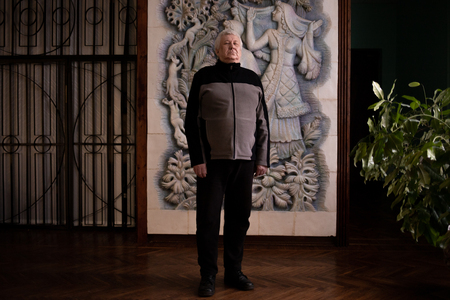
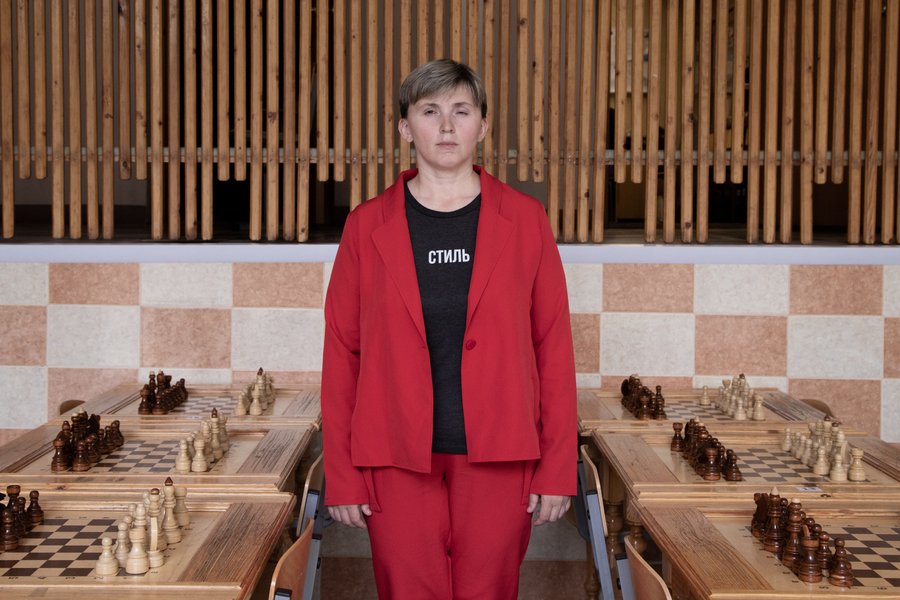
Yulia Tarankenko, participant in chess and checkers competitions, Russian Checkers Champion, and coach. Korolev.
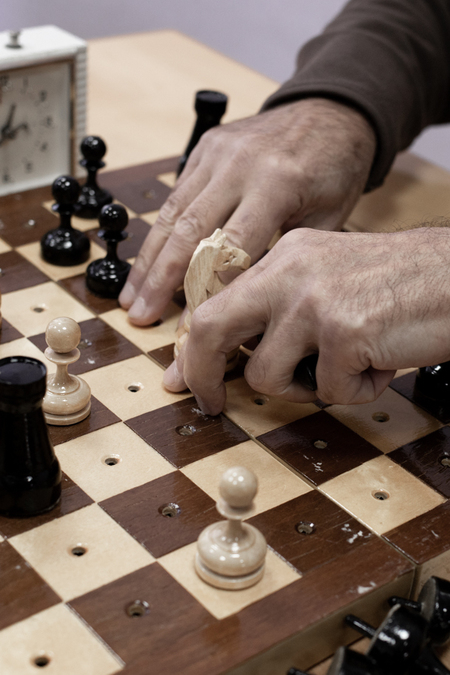
Blind Chess The practice of «blind chess» is common among chess players—a player makes moves and announces them verbally without looking at the board. For visually impaired individuals, this is a given, not a complication to the game. Blind chess matches follow a similar principle, with the added feature that players can touch the pieces during the game. Because the athletes cannot see the board, they must keep the entire game constantly in their minds. To improve their skill level, it is necessary to develop memory and spatial reasoning. Constant training and solving chess problems help with this. Within the community, chess players interact closely: they spend time together, play online, and help each other travel to competitions. In many ways, blind chess exists thanks to the enthusiasm of individuals—state grants are insufficient to fully cover the costs of competitions and team maintenance. Due to the military crisis in Ukraine, the International Blind Chess Association (IBCA) has prohibited Russian visually impaired chess players from participating in international competitions. For many, traveling to competitions was their only opportunity to travel beyond the country’s borders and explore the world.
Мешков Юрий, международный мастер, тренер, чемпион мира. г. Смоленск.
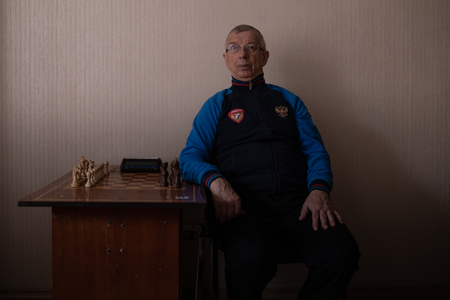
Комиссаров Алексей, мастер ФИДЕ. г. Москва.
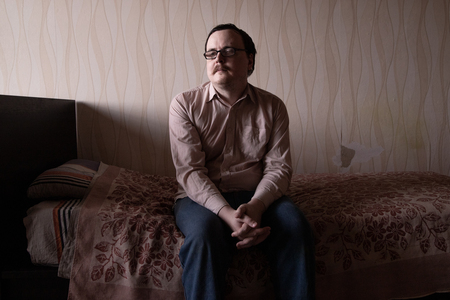
Суслов Евгений, мастер ФИДЕ, тренер. г. Иваново.
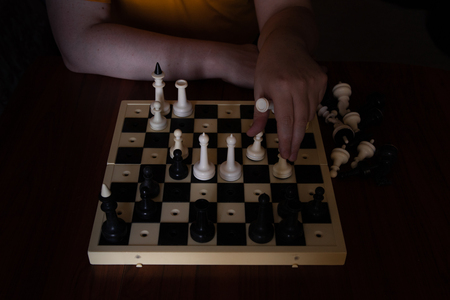
Для игры используется специальные брайлевские шахматы.
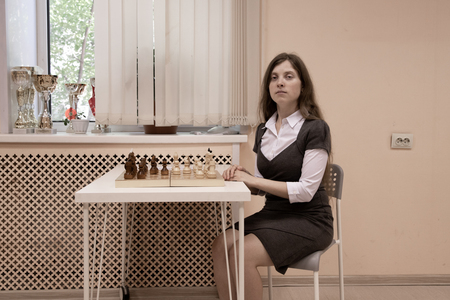
Самсонова Анастасия, участница шахматных соревнований. г. Москва.
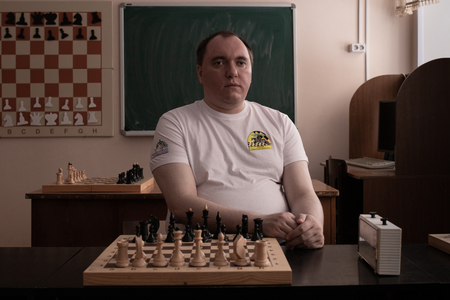
Бабарыкин Станислав, мастер ФИДЕ, чемпион мира. г. Одинцово.
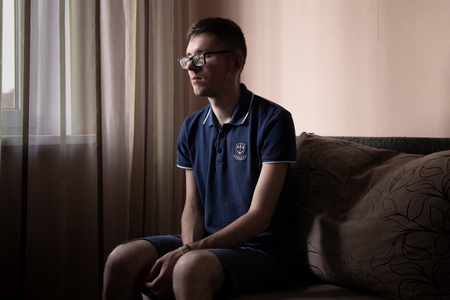
Смирнов Сергей, двукратный чемпион мира. г. Санкт-Петербург.
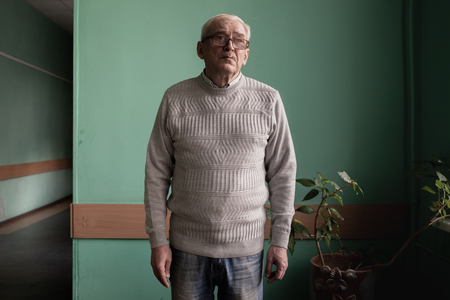
Ольга Соколова, участница шахматных соревнований. г. Кострома.
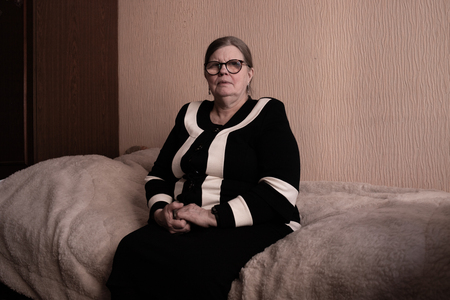
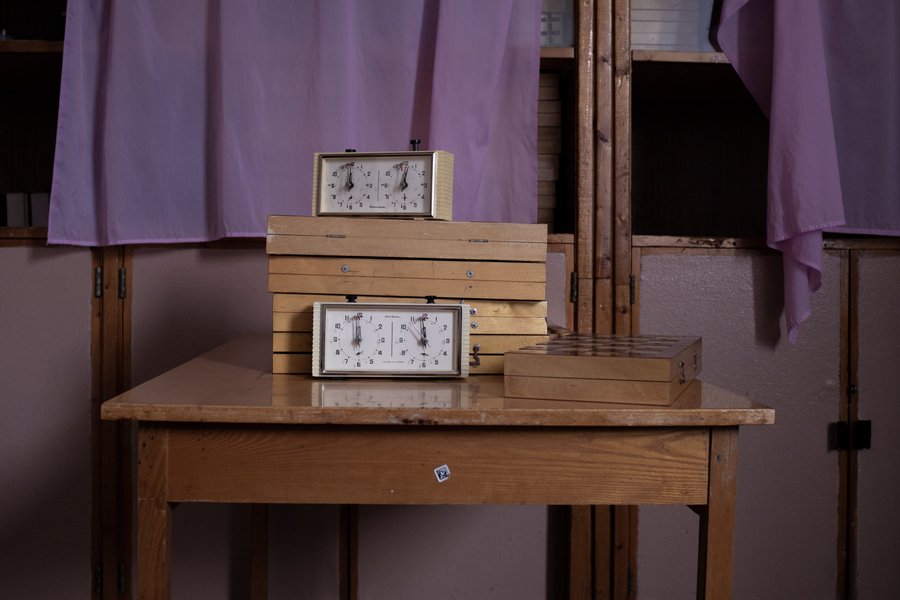
Chess pieces and chess clocks prepared for a tournament in St. Petersburg.
Чигарев Дамир, многократный чемпион Узбекской СССР. г. Раменское.
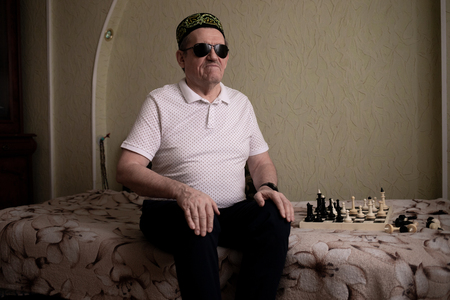
Иванов Герман, многократный чемпион России в командных турнирах. г. Санкт-Петербург.