The Purana Hanuman Mandir in Lucknow (capital city of the northern state Uttar Pradesh) in India, exemplifies the secular culture fostered by the Nawabs. According to legend, the temple was built following a dream in which Lord Hanuman appeared to the Nawab, who then installed an idol of the deity, marking an extraordinary instance of a Muslim ruler building a Hindu place of worship. One of the temple’s most distinctive features is the crescent moon icon atop its dome, an important symbol in Islam typically seen on mosques.
In the month of Jyeshtha, according to the Hindu calendar, corresponding to May-June, a tradition was born around 400 years ago, initiated by the Nawabs. This tradition, called Bada Mangal, means «every Tuesday of the month of Jyeshtha.» Thousands of devotees gather from various parts of the city and state, walking barefoot to the temple early in the morning.
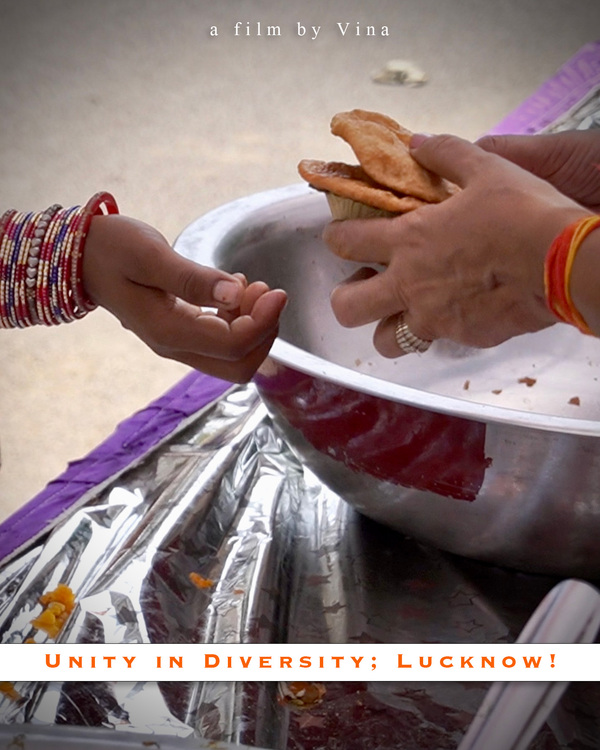
Community feasts, known as langars or bhandaras, are organized at various places, not just in temples but also in public places, homes, and even shops. This tradition promotes a sense of community and charity as people from all walks of life, regardless of caste or creed, come together to serve food.