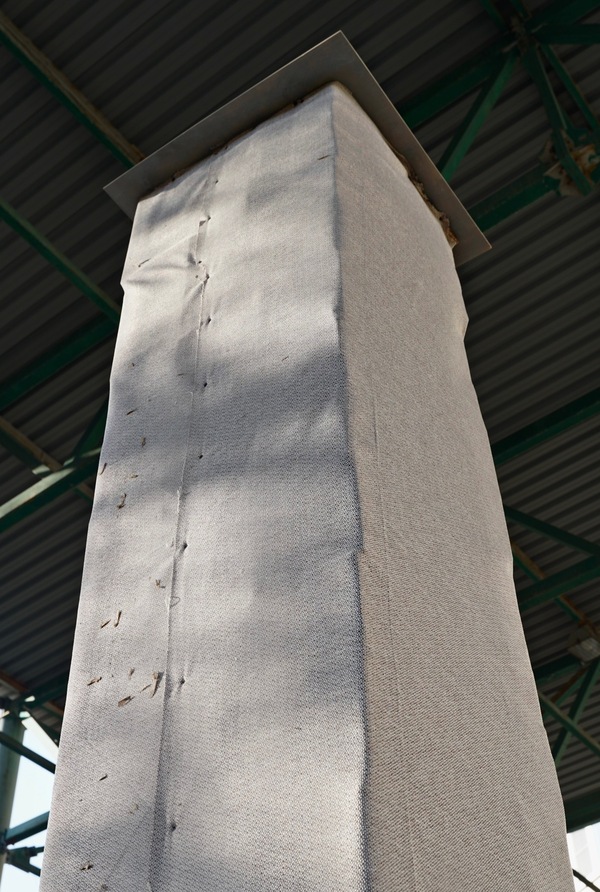
The project can be exhibited either as documentation of a street art piece or as an installation within a gallery space.
Concept
The design of the enclosures reduces visibility, space, light, and air to symbols—painted prairies, artificial stones, branches, and water reservoirs function in two ways: for the viewer, they resemble theatrical set pieces; for the animal, they constitute the minimum conditions required for physical existence.
Isolated from each other and devoid of interaction between species, the animals rely solely on caretakers; consequently, most of their natural reactions are altered, and vital intentions are replaced by the expectation of arbitrary, sequential external interventions.
The scratching post belongs to a particularly sophisticated form of substitution: the animal critically needs to articulate itself in space through a frenetic, joyful dynamism, to reconstruct itself—and speaking strictly physiologically, by renewing its claws—in the process of reconstructing an external object, that is, in their synthesis. It serves as a distraction from the actual state of the domesticated animal; the cat engages, but strictly within a delimited, permitted area (artificially constructed), without truly interacting with the environment, which contradicts the essence of the act. Energy is released and does not dissipate into anything; the animal feels satisfied and does not realize it has been tricked.
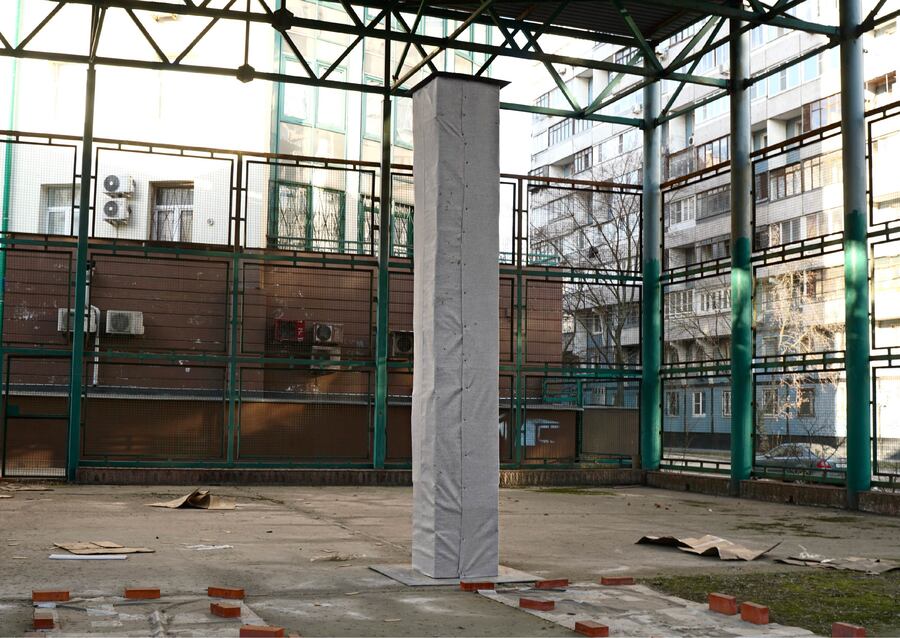
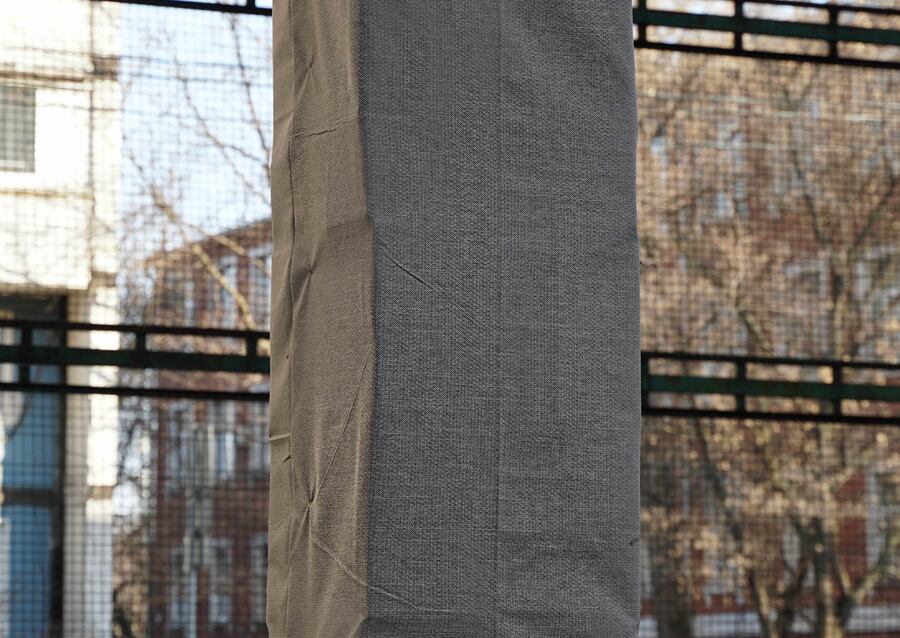
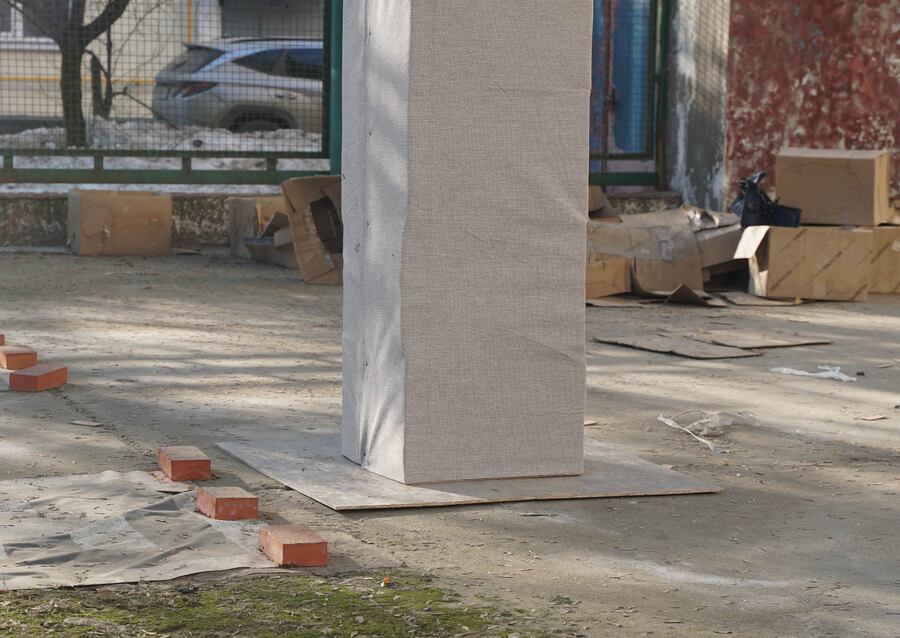
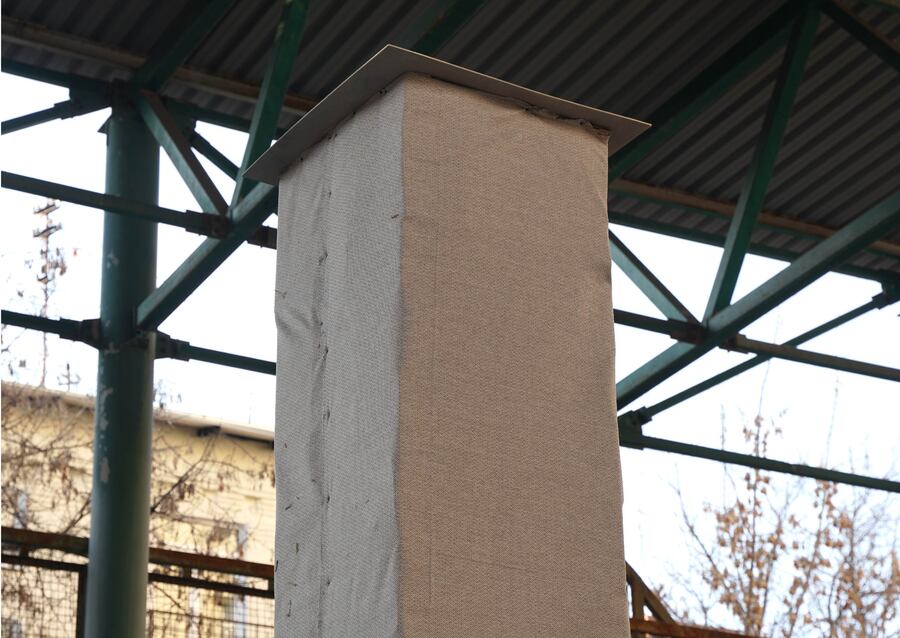
For a human, the poetics of a scratching post seems alien, and it is precisely this that imbues it with emancipatory potential—a nontrivial, free, wild act capable of providing an affective impetus and translating into the real world. An obelisk-style scratching post situated within the city gives a space for expression to someone living in a predominantly rigid environment.
Nevertheless, the object still points to itself and does not hide its nature—it is a fictitious expenditure, an outlet within a confined space—but the affect can be transferred into the world.
All this turns them into marginal figures. The space they inhabit is artificial.
This drives their urge to gather at the edge. (The edge may be physical space)
In some cells, the light is equally artificial. The environment is illusory in every case. They are surrounded only by their own apathy or hyperactivity. They have nothing to react to except for the food provided to them—in brief moments—and the partner they are given—in very rare instances.»
John Berger
Size of the street art obelisk scratching post: 5.5 m x 1 m x 1 m
Within the gallery setting, the size of the artwork can be adapted specifically for the space—the essential requirement being the preservation of its proportions.