concept of wi
Discussing the customer journey map using the 5W model (and explaining it), and providing visual inspiration for classmates.
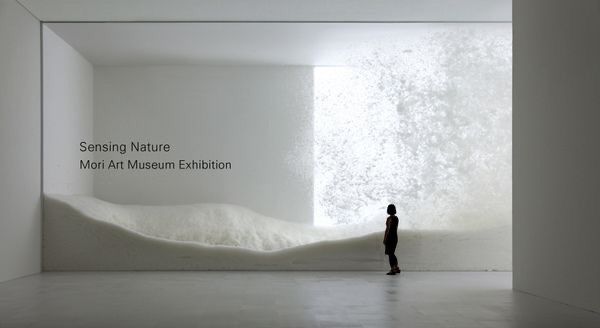
*•.¸ visual inspo 1
1W: what
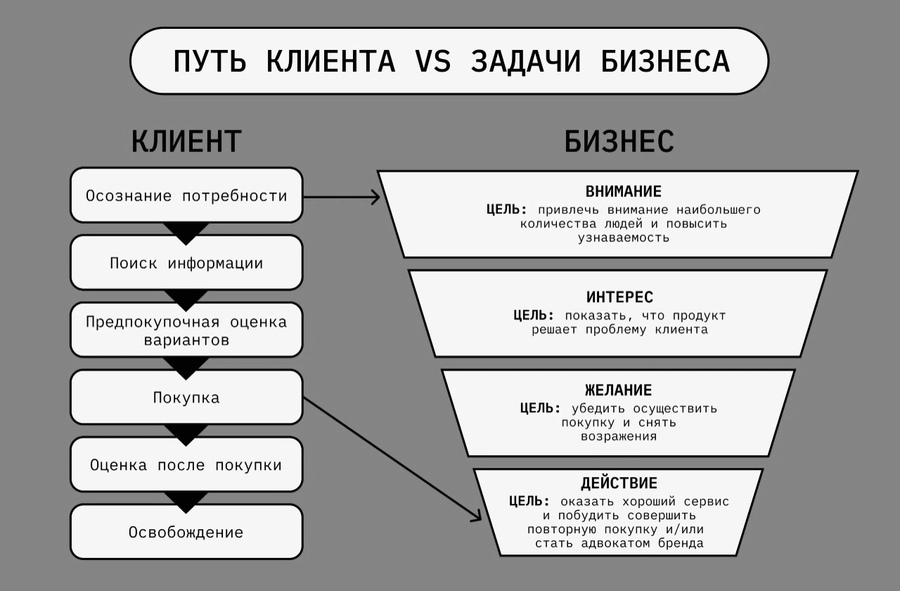
Defining the CJM [Customer Journey Map]
// This is a visualization of the future interaction between a person and your product. It is divided into stages that show both user actions and their impressions from using/visiting, etc.
smart words
5W Method [Sherrington’s Technique]
// one of the frameworks for defining the target audience, their consumer and psychological profile.
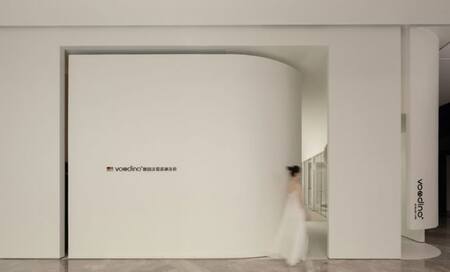
•°¯`•• visualspo 2
2W: To whom
◦ Target Audience
To create a customer journey map, you need to segment the target audience, taking into account their behavioral traits, routines, leisure activities, interests, age, and other characteristics.
Example 1: I am creating a museum in Staritsa about the work of a former metal plant.
◦ My overall target audience: people interested in this topic.
◦ Target audience segments:
1. Interest based on professional activity [former or current factory workers, entrepreneurs] 2. Interest based on educational goals [historians, school students, university students, and even more specifically, their teachers and parents] 3. Interest based on tourism motives [visitors] 4. Interest based on aesthetic preferences [art critics, photographers, etc.]
// and much more as needed.
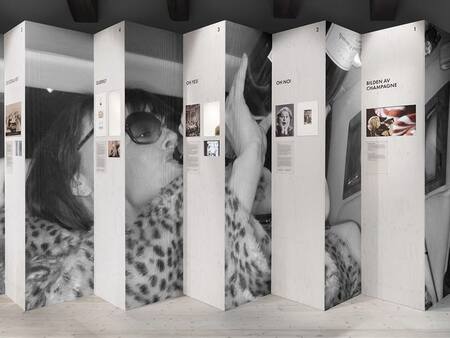
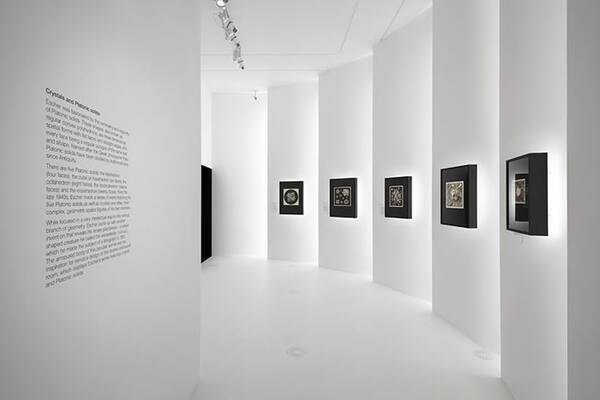
•´¯`•» Visual Info 3
3W: What for
◦ for increased profit ◦ for saving time ◦ for identifying problems ◦ for clear navigation ◦ for material absorption ◦ for comparison with competitors ◦ for conveying the exhibition concept ◦ for satisfying visitors ◦ for optimizing staff operations ◦ for exhibition analysis [and designing new ones] ◦ for accessibility for various groups of people
all in all,
the Customer Journey Map (CJM) is a valuable tool for strategic planning and improving museum operations across multiple dimensions.
•´¯`•» Visual Inspo 4
••¤ Official Info 5
4W: how
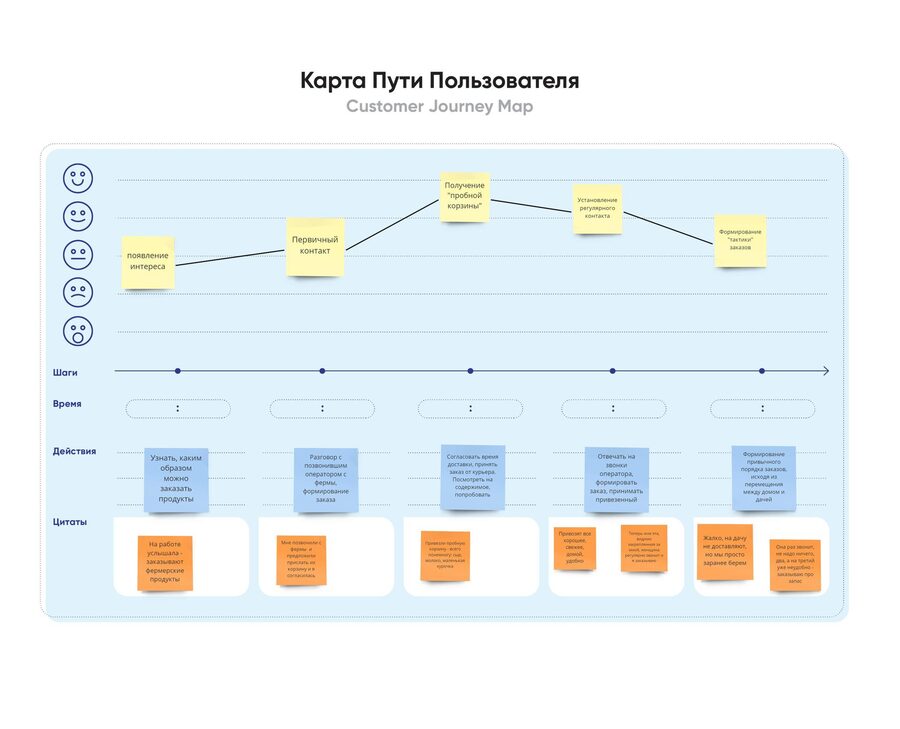
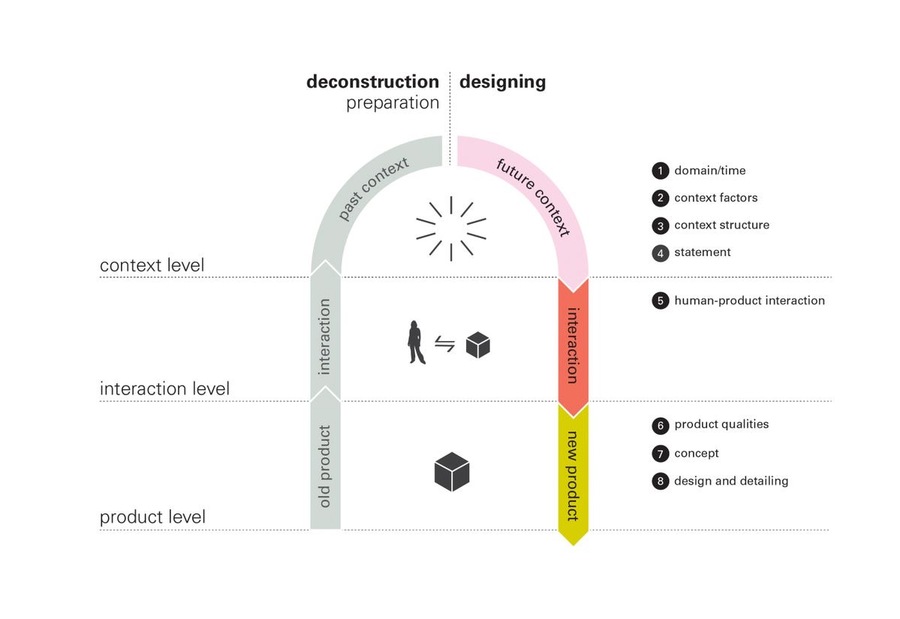
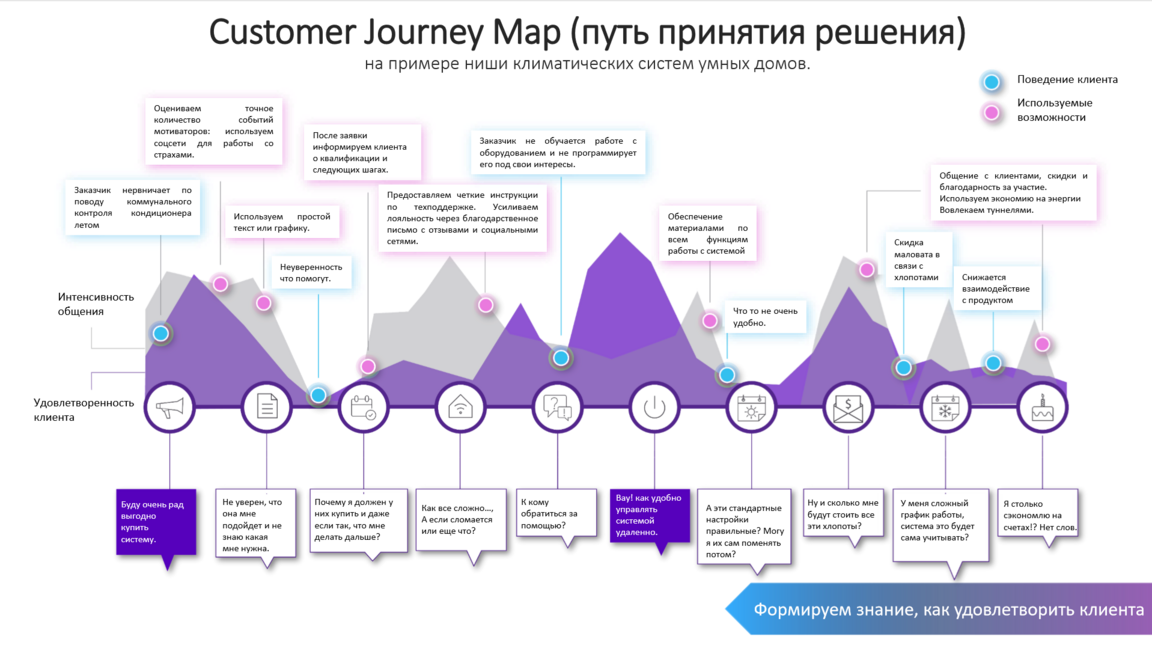
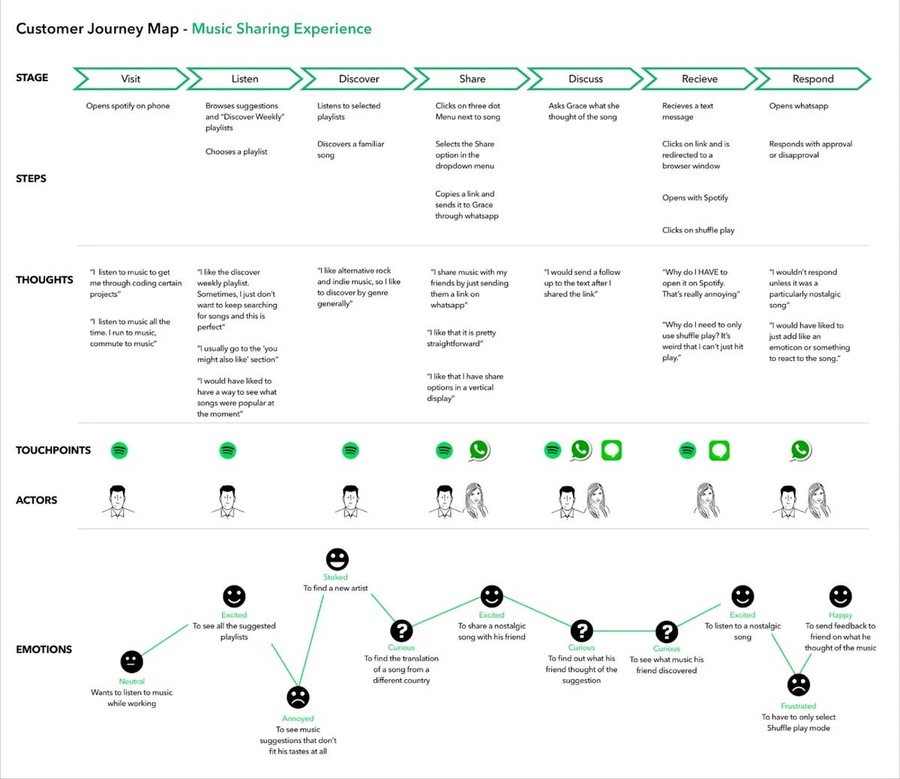
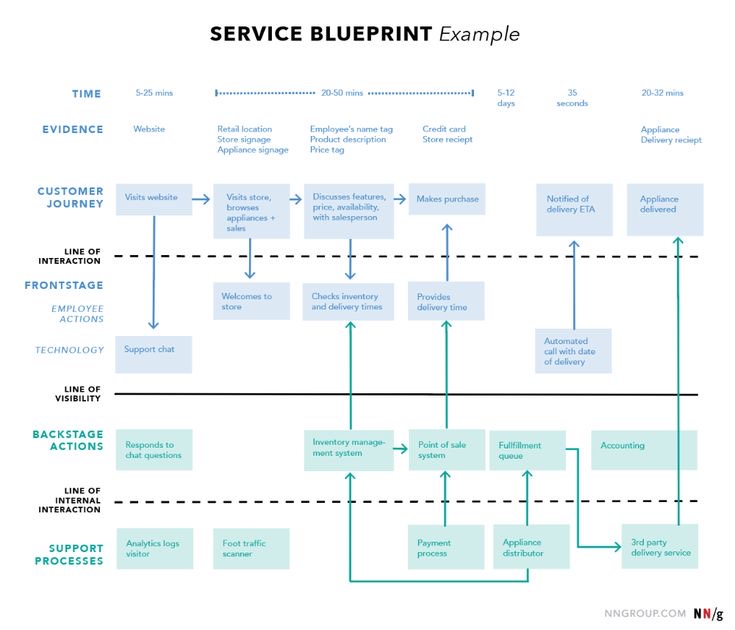
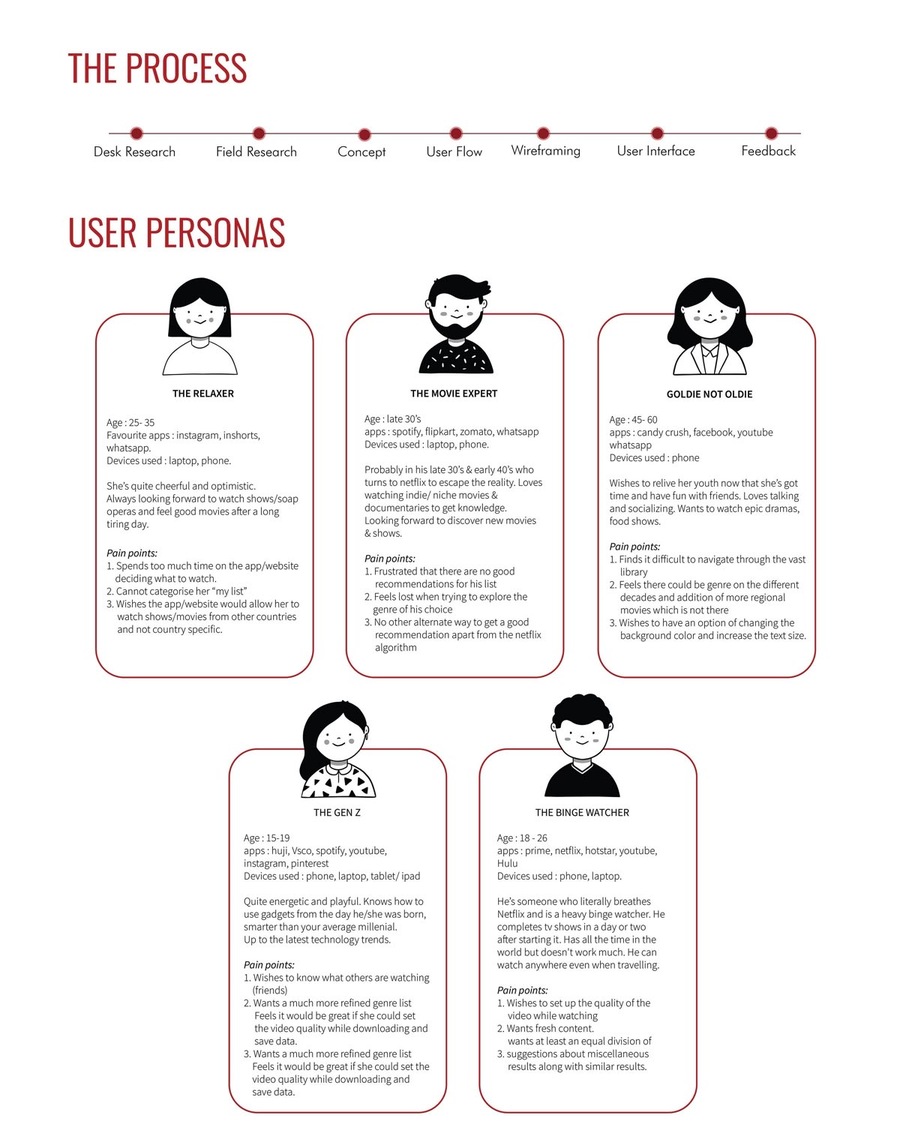
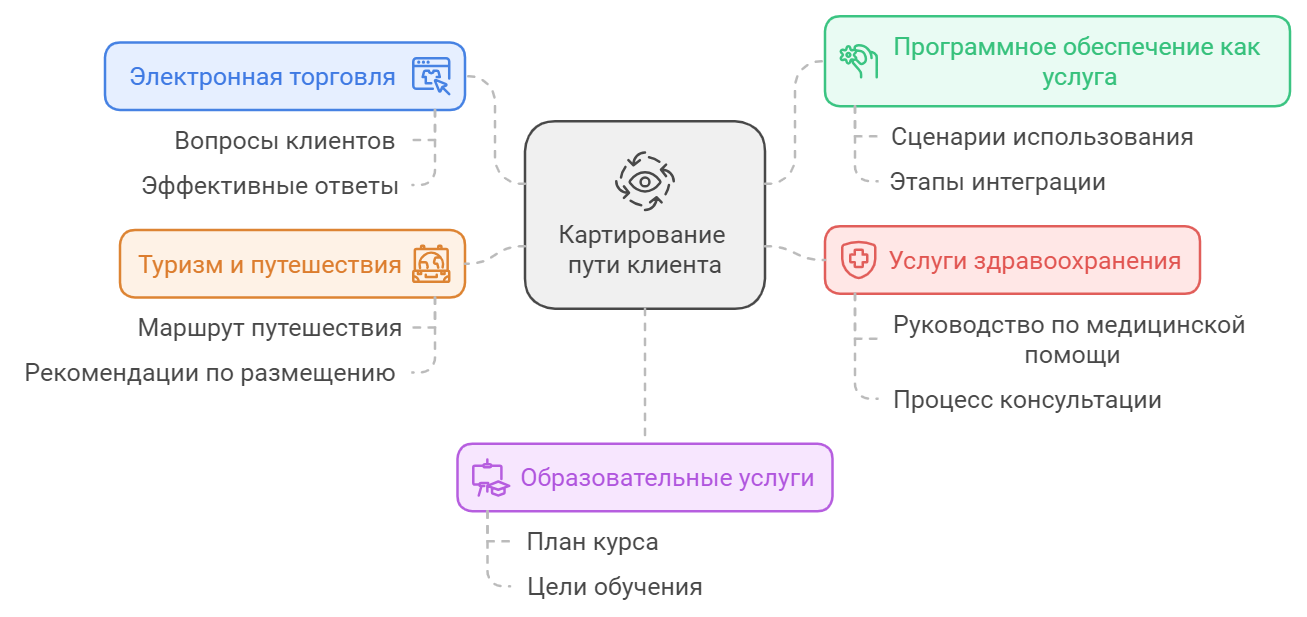
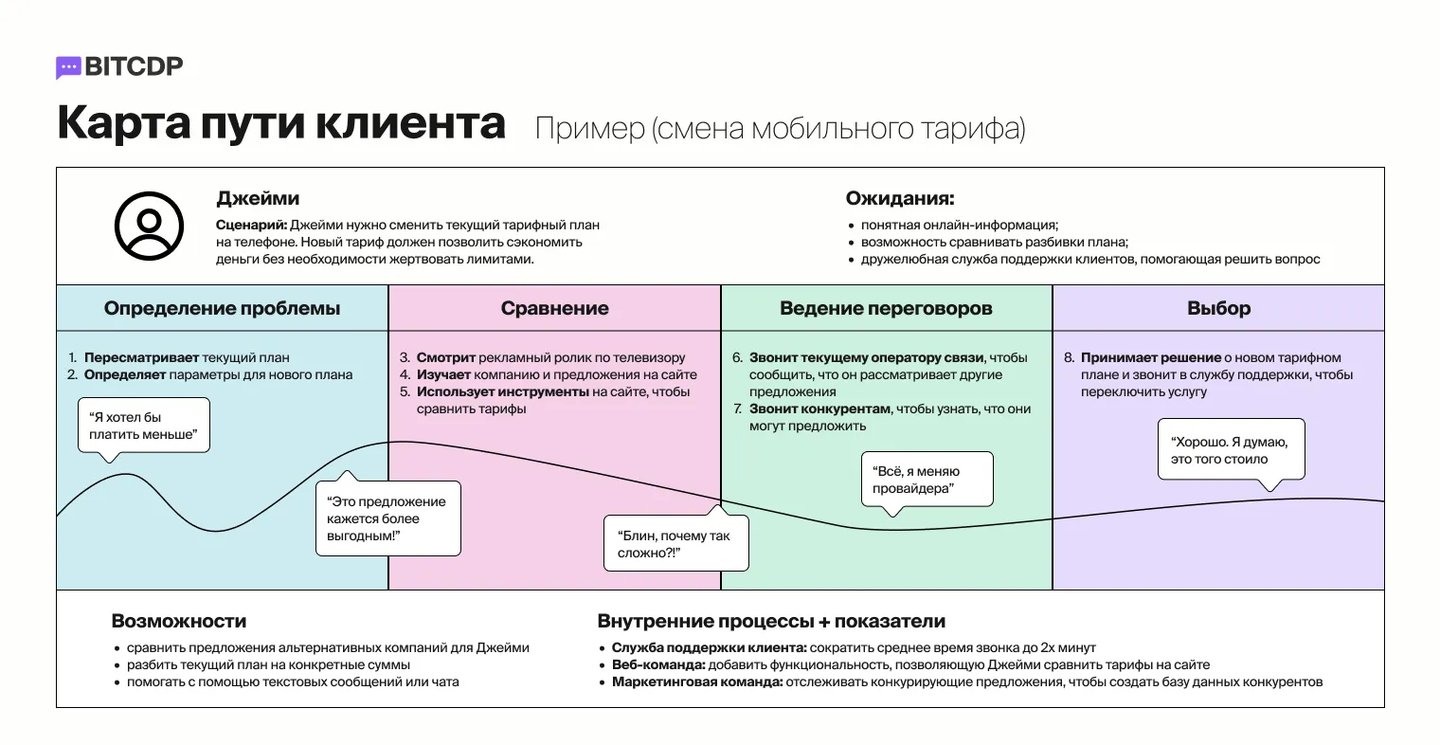
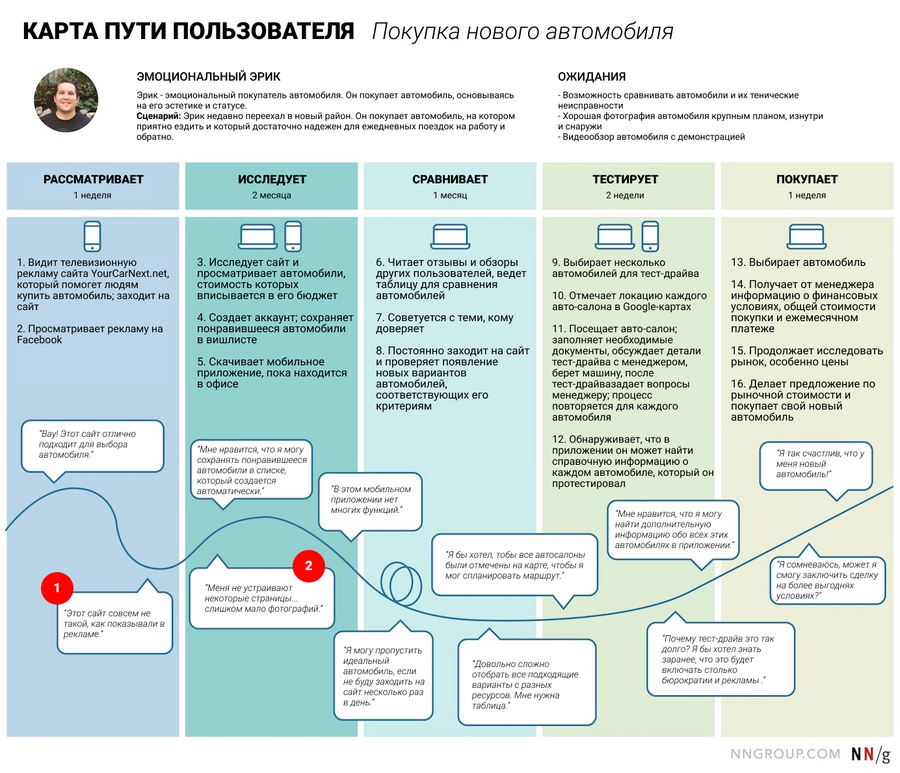
╰☆☆ Examples
1. define the target audience,
2. outline the interaction stages,
3. collect data,
// 4. reflect on personal experience,
5. create a [journey] map,
6. analysis and conclusions,
7. develop recommendations,
8. update the CJM.
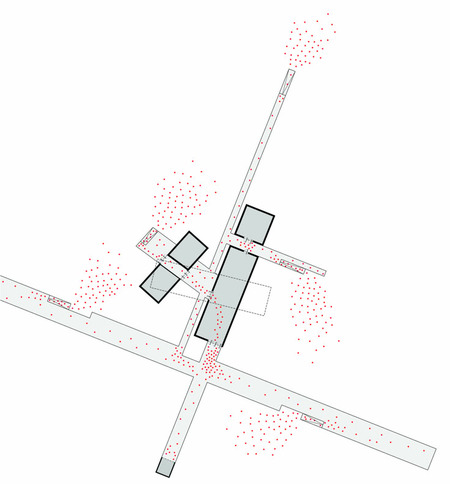
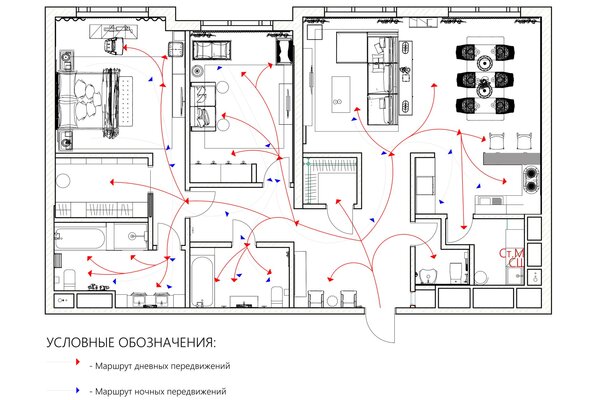
【。_。】 Plans
5W: where
In reality, CJM is most often used for creating websites or for designing retail stores (if the chain is already commercially successful and can afford it).
Besides museums, websites, and stores, you can create a CJM for HoReCa, municipal locations, social networks, businesses, and more.
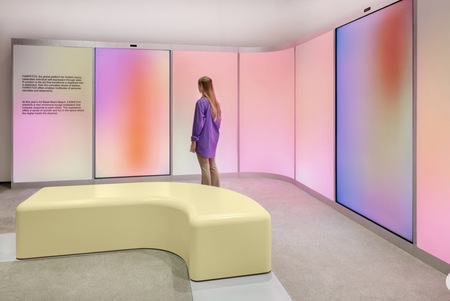
▀▄▀▄▀▄ visual inspo
the end.