Concept
Restarting the production of the Porcelain «Comrades M. S. Kuznetsov», saving the brand’s history and DNA.
Mission
Create an accessible and sophisticated porcelain that will become part of everyday life. To make the product more massive, which would make it possible not to store the service in the «servante» but to use it for every meal. Combining tradition with modernity, improving performances for convenience, you can wash in a dishwasher and use it without fear, enjoying the beauty and fineness of the drill every day.
History
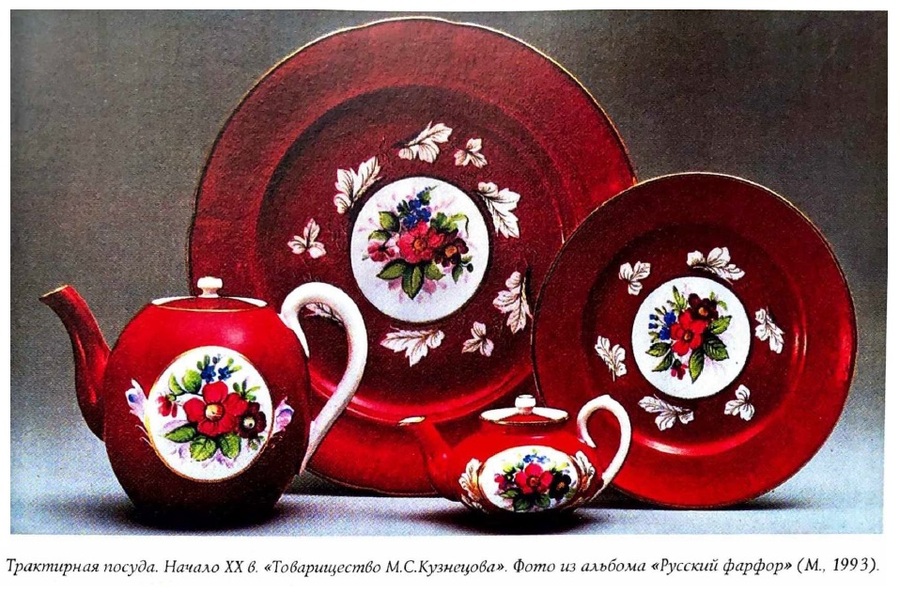
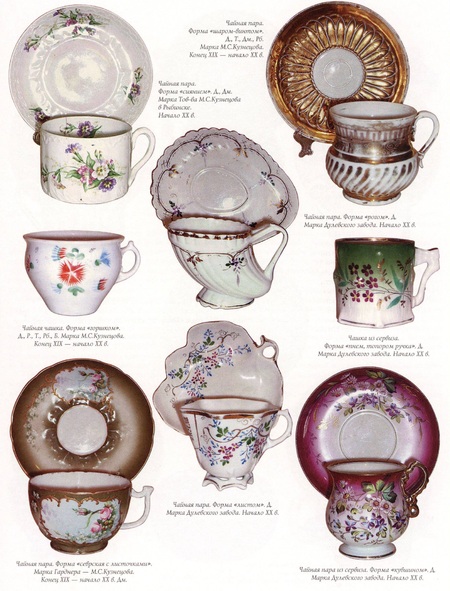
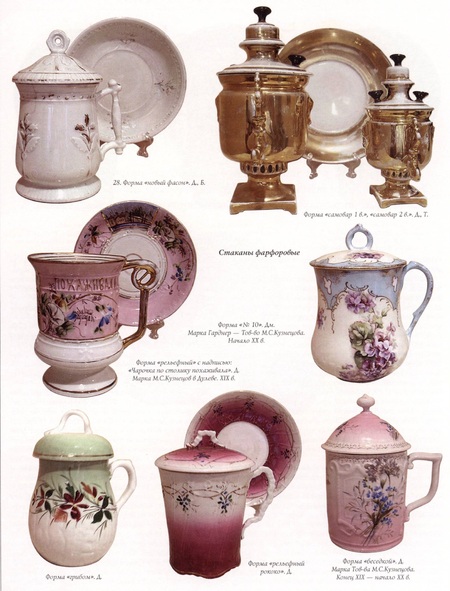
==History==M. S. Kuznetsov is the largest porcelain-fayns industry in the late 19th Russian Empire and the beginning of the 20th century. By the end of the 19th century, the company had 16 large factories and dozens of workshops in Gzeli, Riga, Moscow, Tveri, Donbass, Ukraine and other regions. Kuznetsov ' s enterprises have developed not only day-to-day shows, but also art collections. Brand became famous for combining popular motives, classical style, and high technology.
Products were noted at international exhibitions (including the 1900 Paris Exhibition). The blacksmith porcelain was considered a standard of quality and decorated the houses of both ordinary people and nobles. After the 1917 revolution, the factories nationalized and the name of the «Participation» disappeared and the factories were renamed (e.g. the famous Doulevo plant). A number of blacksmith enterprises have continued to produce, but are already in the state economy.
Modernity
Many of the former M.S. Kuznetsov factories, for example: the Dulöv porcelain plant continues to operate, but the quality and scale of production differ from the pre-revolutionary period. Former buildings in some factories have been used for other purposes or partially destroyed. The products of the Portuguese porcelain remain popular among collectors and are not being used for their purpose. Many view the products with the brandings of the Kuznetsov as a symbol of continuity and high quality. ==History==The Kuznets company’s legacy is found in collections of the Russian Museum, Ermitage and private meetings.
Decoration and arts
The use of decoli (translation drawings) since the 1900s, which made production cheaper and allowed the reproduction of products. Many species were released, up to 900 options. Painting techs: «Agashki» are simple bright flowers and berries that are made by fast-flashing swabs. — «Mushelle» is a small bouquet of flowers or berries in ovals/reserves. — «Prosole» is the colour garlands written in gold paint. Manual paintings were combined with mechanical patterns of pattern application. Implementation of stencil painting. Prominent craftsmen made drawings for shows and vases (e.g. Michael Vrubel, the sadko dish). He also sponsored competitions for the best designs for porcelain (co-operation with the Strogan School). Product range: In addition to dishes, mayolics, garden sculptures, smokers, flower pots, architectural ceramics (paints, whales, iconos).
Value of brand
Legacy and tradition — History and cultural significance — Usability — Exploration — Modern reading
Logo
Sorry, I don’t know what you’re talking about.
Packaging