
A series of six images explores the possibility of metaphorically depicting crime and investigation using a neural network. Since generative models often restrict the direct depiction of violence, blood, and traumatic scenes, they effectively impose a form of automatic censorship. I became interested in how the neural network would handle this constraint and represent the investigation. This limitation itself became the starting point of the project.
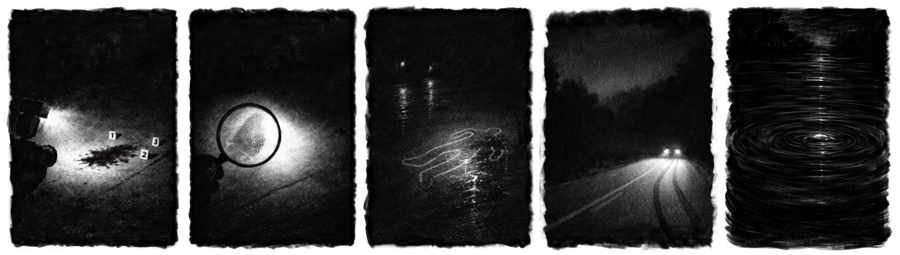
Instead of directly depicting the crime, the images focus on indirect evidence of what occurred: traces, the light from streetlamps, empty spaces, pieces of forensic evidence, and the atmosphere of the location. The crime is never shown directly in this series—the viewer is only confronted with its aftermath and fragments from which they can attempt to reconstruct the event.
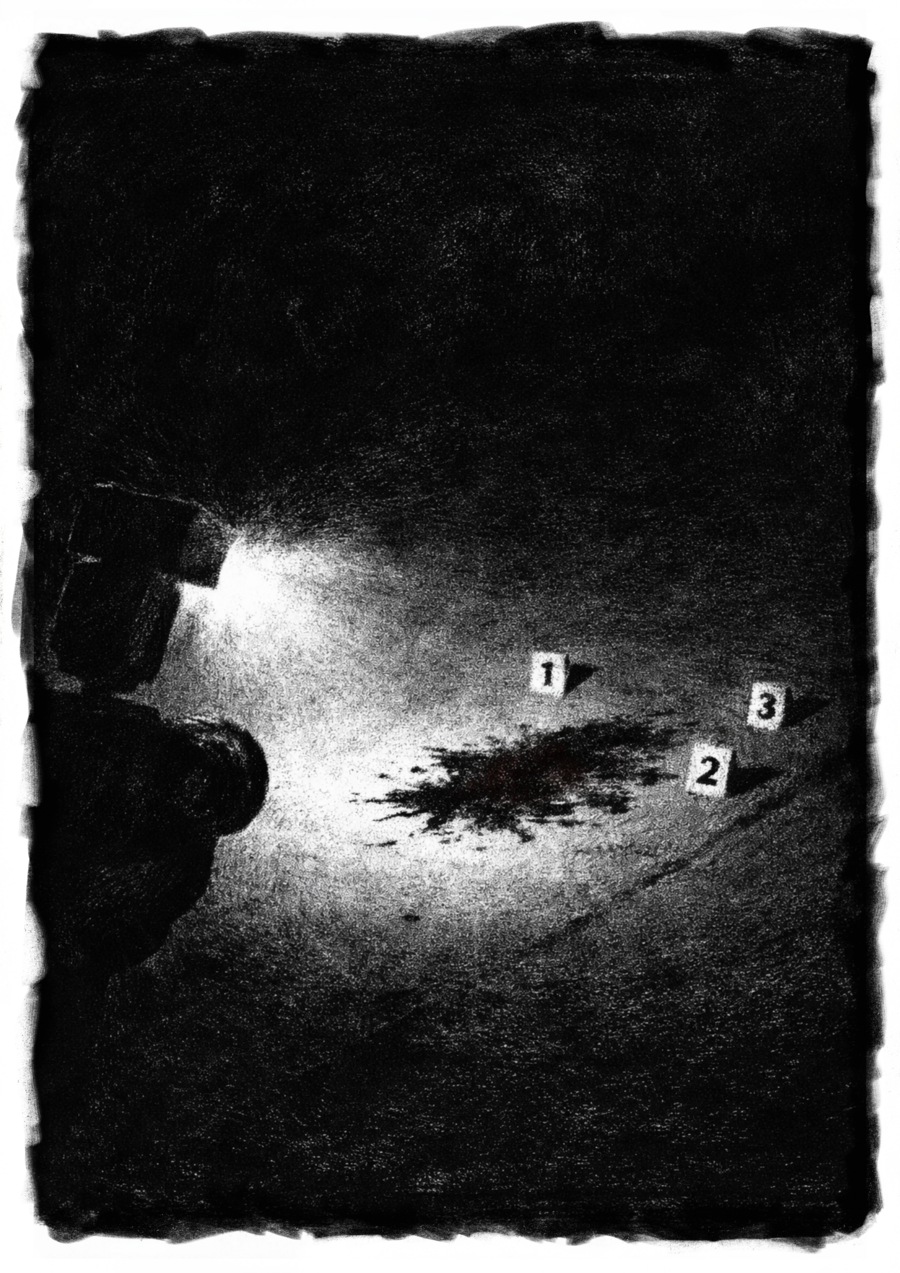
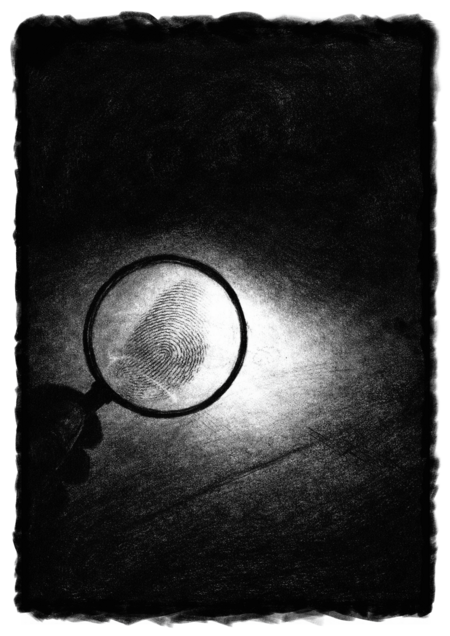
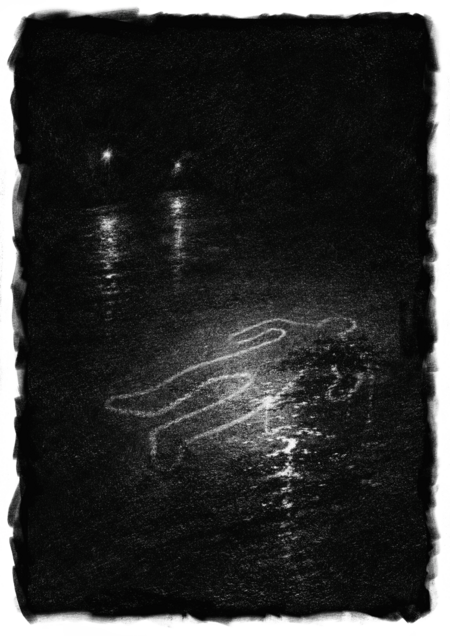
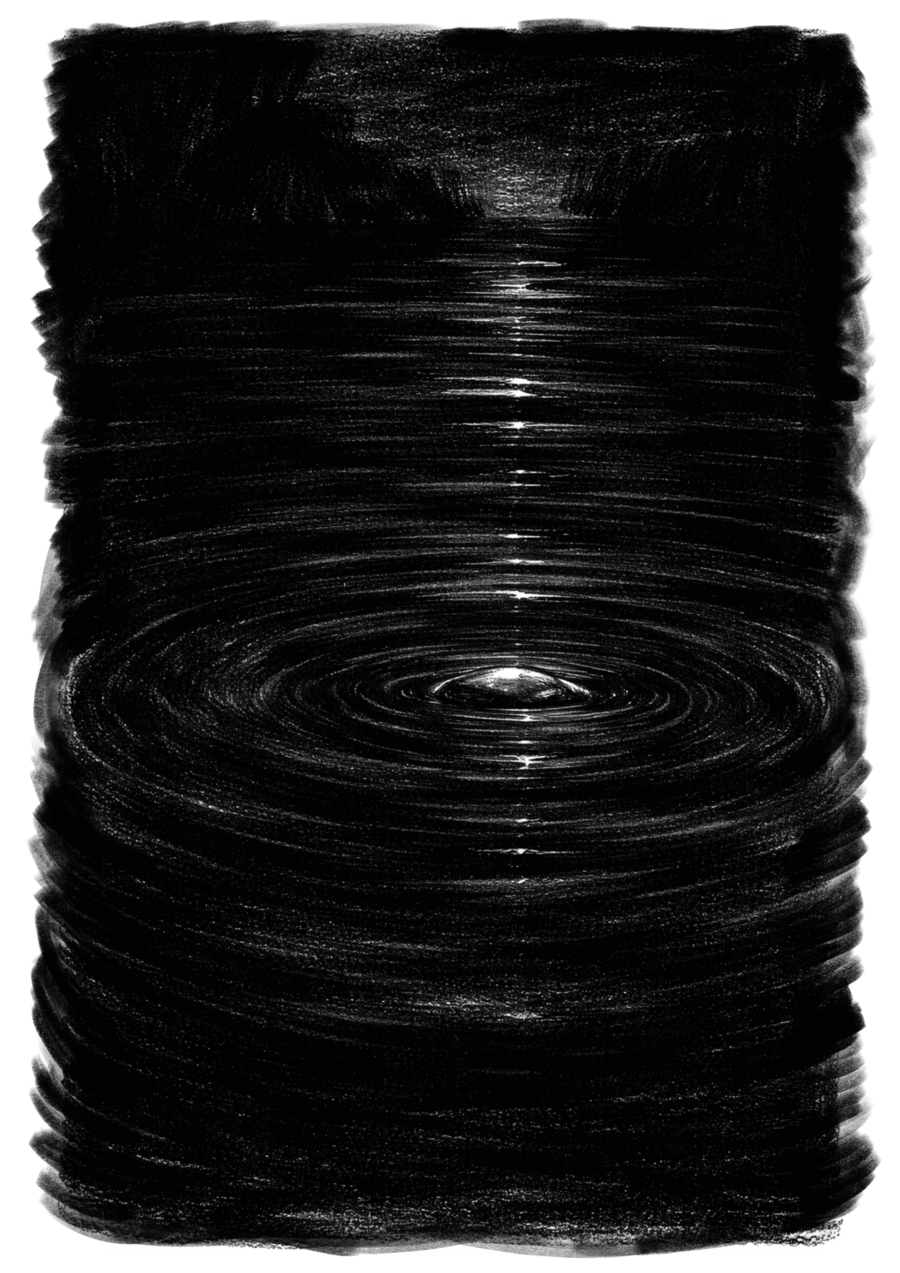
The series transforms investigation into a process of interpretation: just as the viewer assembles a story from hints, the neural network constructs an image of the crime through indirect visual cues, bypassing its own limitations.