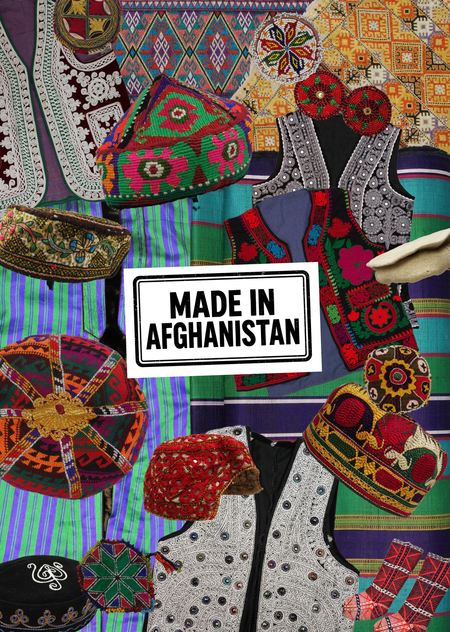
CONCEPT
Afghanistan ' s traditional outfits are a cultural heritage phenomenon that reflects the age-old traditions, diversity of ethnic groups and the country ' s values. In a modern world where fashion trends are harmonized, the study of native clothing becomes a method of maintaining the identity of the people. The study of Afghan costumes is of particular importance as an example of a synthesis of the cultural traditions of the Central Asian region, the Middle East countries and the Indian peninsula. This work is based on a visual analysis of the traditional outfits of the diverse ethnic communities of Afghanistan. The selection of illustrative material took into account the need to demonstrate the diversity of design decisions, blankets, decorative elements and colour combinations that characterize the main peoples of the region — Pashtun, Tajiks, Hazarians, Uzbeks, Turkmens, Nuristans and Baluchi. Central to the wardrobe components is the historical stages of the development of the State and the impact of the political environment on the formation of the traditional costume. The organization of research follows a chronological and thematic approach. First, the evolution of the national costume from ancient to modern times is considered, then the main forms and components of clothing are analysed, then ethnic characteristics and symbolic meaning are examined, and finally, wedding garments are the most expressive expression of cultural customs.
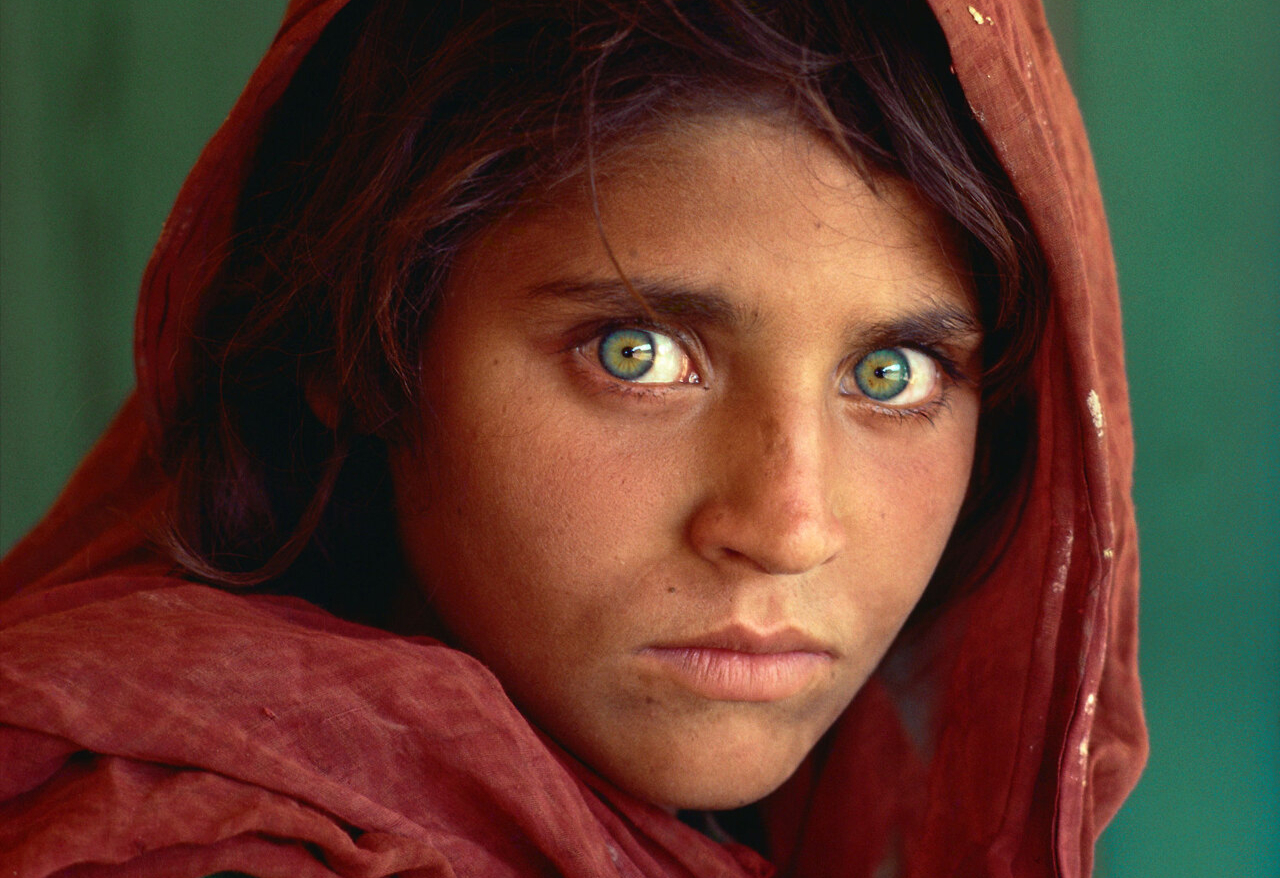
Steve McCarry. Afghan girl (Sharbat Gula Portrait). 1984. . . . . . . . . . . . . . . . . . . . . . . . . . . . . . . . . . . . . . . . . . . . . . . . . . . . . . . . . . . . . . . . . . . . . .
This study reveals Afghanistan’s national costume as a living archive of cultural codes, where every ornament, stitch and color become the voices of peoples — Pashtuns, Tajiks, Hazareans, Uzbeks, Turkmens, Nuristans and Baluchi.
Here, traditions are not dissolved in the stream of time, but engage in dialogue with one another, creating a unique visual in which diversity becomes the basis for a new view of identity. Such a structure ensures a consistent disclosure of the subject, moving from general issues to private issues and from historical to modern times. The work is based on verified information resources, including ethnographic collections, historical documents and contemporary analytical publications. One of the parts is information about the symbols of colour decisions and ornamental motives in Afghan clothes, as well as documentary evidence of changes in the traditional costume during various historical periods. In examining the sources, account was taken of their scientific validity, impartiality and current state of the art. The central question of the study: how does the national costume express Afghanistan ' s cultural identity and what is its function in preserving traditions in an era of globalization? The research hypothesis is that traditional clothing is a significant indicator of ethnicity and culture, which, contrary to historical changes and external influences, continues to be relevant and adapted to current realities.
BACKGROUND DEVELOPMENT SEGMENT OF AFGHANISTAN AND THEIR IMPACT ON NATIONAL COMMUNITIES
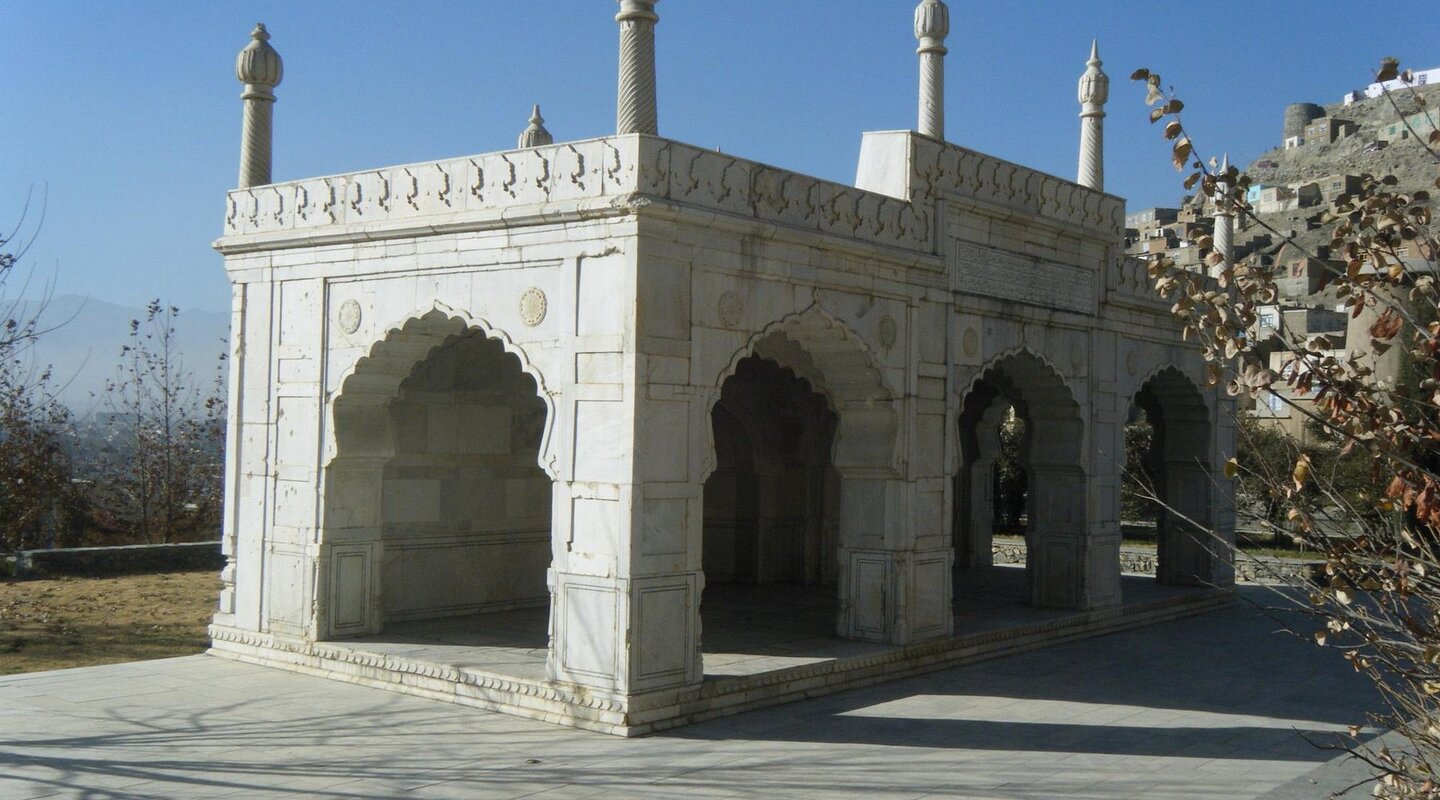
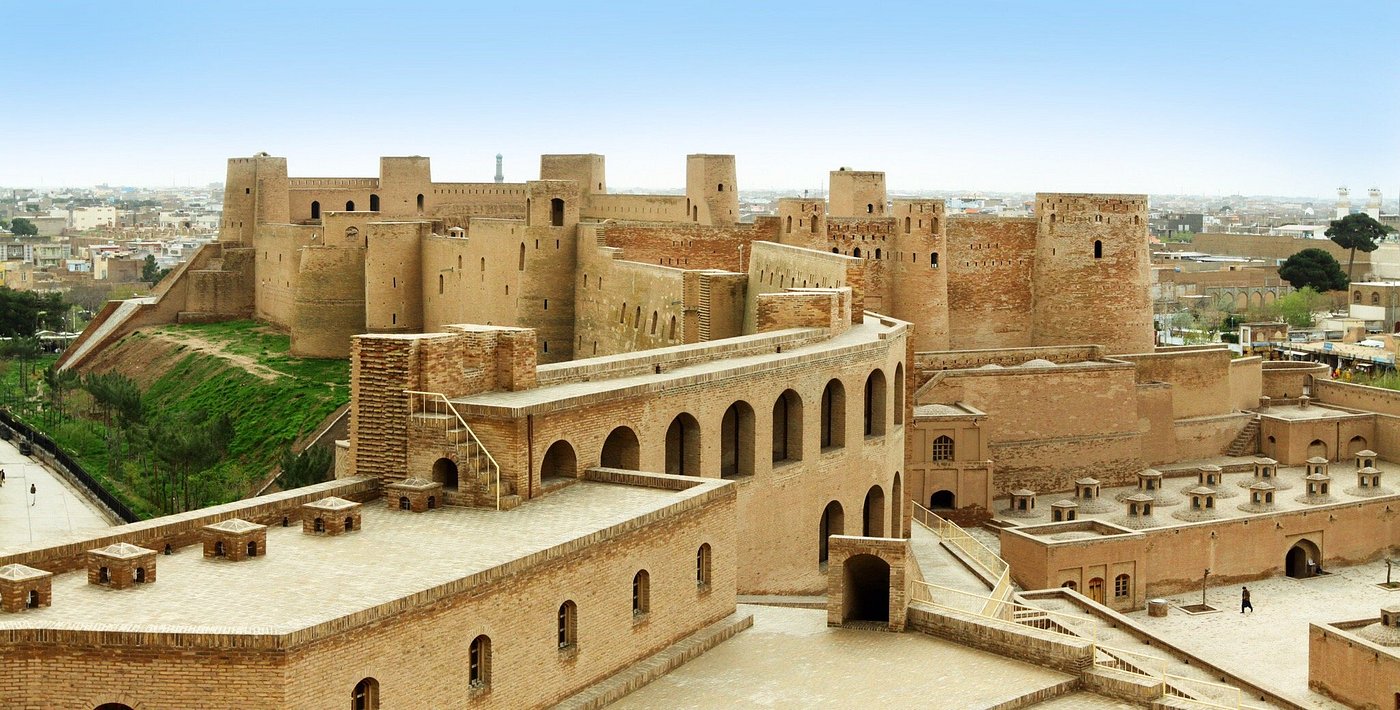
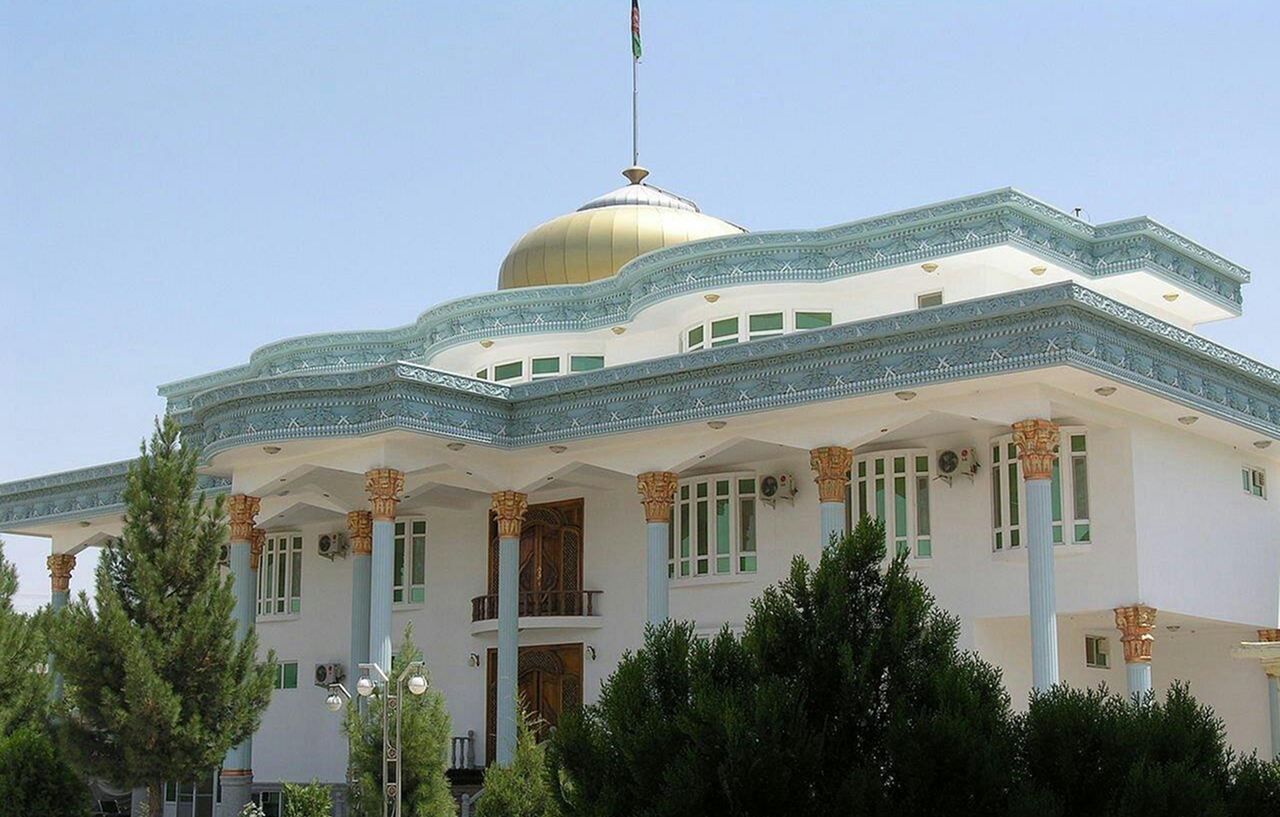
Citadel Herat (Kala Ihtiyarudin). XII–XV V.A. Arg Presidential Palace in Kabul. In 2005, Mavsoly Babur in Kabul. XVII p.m.
Blue Mosque (Mazar-i-Sharif). XV p.m.
On the Silk Road, Afghanistan has historically been a territory of cultural interchange among various civilizations. This strategic location has contributed to the creation of an identity-based national garment that has absorbed elements of Eastern, Central Asian and Middle East customs. The textiles coming from China, India and Persians enriched local crafts and stimulated the formation of complex decorative elements. The penetration of the Islamic faith in the VIIth to VIIIth centuries has significantly transformed the traditional clothing of the people of Afghanistan. Religious regulations have introduced the principles of moderation into the wardrobe, which has been reflected in the dissemination of such elements as chadra and burka among the female population. Men ' s clothing has also changed to meet new demands, including free pants and upper garments, and headwear has become an indicator not only of ethnicity but also of confessional affiliation. The traditional costume was worn by the people of Afghanistan until the beginning of the twentieth century.
The era of the administration of Amanulli Khan (1919-1929) was characterized by major changes aimed at modernising the State.
In the 1920s, against the backdrop of the reform policies of Amanulla Khan and under the influence of Queen Soraya Tarzi, the Afghan costume is undergoing an era of unprecedented change. For the first time, women of the capital appear at balls in the dresses of the European Croy — with open shoulders, deep cuts, thin tissues, and complex embroidery, often commissioned by foreign tailors. In the urban environment, the veil and the burka are disappearing, and the styles are becoming increasingly open, reflecting the current trends of the world’s fashion. The European and Eastern elements begin to coexist in a single ensemble, forming a new aesthetic in which emancipation and the desire for renewal become visible through the details of the suit. It is during this period that clothing becomes a cultural experiment where the boundaries between tradition and innovation become blurry and the appearance becomes a tool for expressing change.
Unknown author. A portrait of Queen Soraya Tarzi in a European style with a traditional diadema. 1920s
The trend towards westernization in Afghanistan, as if it were a gradually unfolding partitura, remained strong until the 1970s and 1980s. During this period, the city’s elite, inspired by the ideals of renewal, sought new ways of expressing itself — and fashion became one of the central tools of this process. In large cities, Western silhouettes and more open fashions gradually replaced traditional clothing, and imported tissues and accessories entered into a sort of dialogue with local ornaments, forming a unique aesthetic where the East met with the West. The Soviet Union, having established diplomatic ties with Afghanistan in 1919 and established them as the first Treaty of Friendship in 1921, became not only a political ally, but also a driving force for new cultural impulses. In the 1950s and 1970s, Soviet economic and technical support contributed to the acceleration of modernization, and since the signing of the Treaty of Friendship, Good-Neighbourhood and Cooperation in 1978, this influence has become even more pronounced. Since 1979, with the introduction of Soviet troops, Afghanistan’s urban centres have become an arena for the introduction of new materials and styles — increasingly socialist motives have emerged in clothing. However, traditional clothing in rural areas remained an important element of cultural identity. The displacement of the population has led to a convergence of stylistic characteristics in various areas. In the decades to come, the transformation of the political climate had affected the regulation of clothing, especially women ' s clothing. Periods of easing of restrictions alternated with more stringent approaches to appearances. Contrary to political and social transformations, the original Afghan garment continues to hold its value as a fundamental component of the cultural heritage. Under current circumstances, national costumes are modified to combine historical elements with modern directions. This is particularly evident in the Afghan communities abroad, where clothing is associated with cultural origins. The embroidery and traditional textile techniques are broadcast between generators and women are the main custodians of these skills. Afghan dresses are increasingly interpreted not only as functional objects, but also as artistic creations and symbols of cultural continuity.
KEY FORMS OF NATIONAL ASSESSMENTS IN CONTERMINATED AFGHANISTAN
Unknown author. Traditional male champagne from northern Afghanistan. The end of the 20th century is the beginning of the 21st century.
Afghanistan ' s traditional costume is a unique combination of functionality, artistic expression and cultural heritage. The fundamental components of Afghanistan ' s clothing have roots that go deeper than the era of Islam ' s spread to the legacy of the ancient Turkic, Arab and Cambodian nomadic communities. It’s like it’s specially designed to live under specific natural conditions — it doesn’t limit mobility, it’s spacious enough and it’s closed to provide protection against burning sun, hot air, and everywhere’s sand. The men’s Afghan outfit is formed around a rehan-tunban set of pants and long shirts. Tunban pants require up to 6 to 7 metres of fabric — a genuine textile abundance that ensures freedom of movement so important for the inhabitants of the highlands. On top of this ensemble there is often a chapan, the original silk or wool robe, decorated with an elaborate embroidery, as if to tell the way of life of its owner.
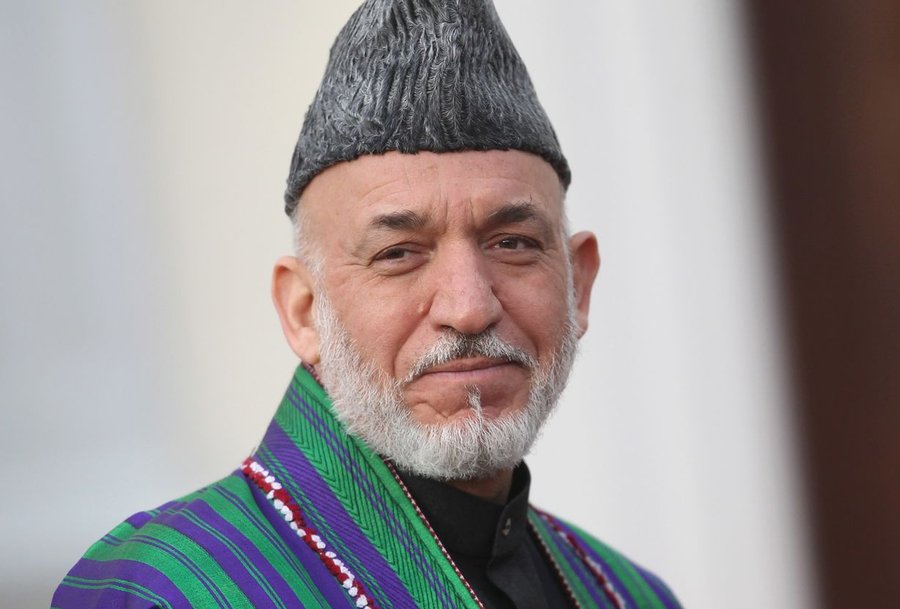
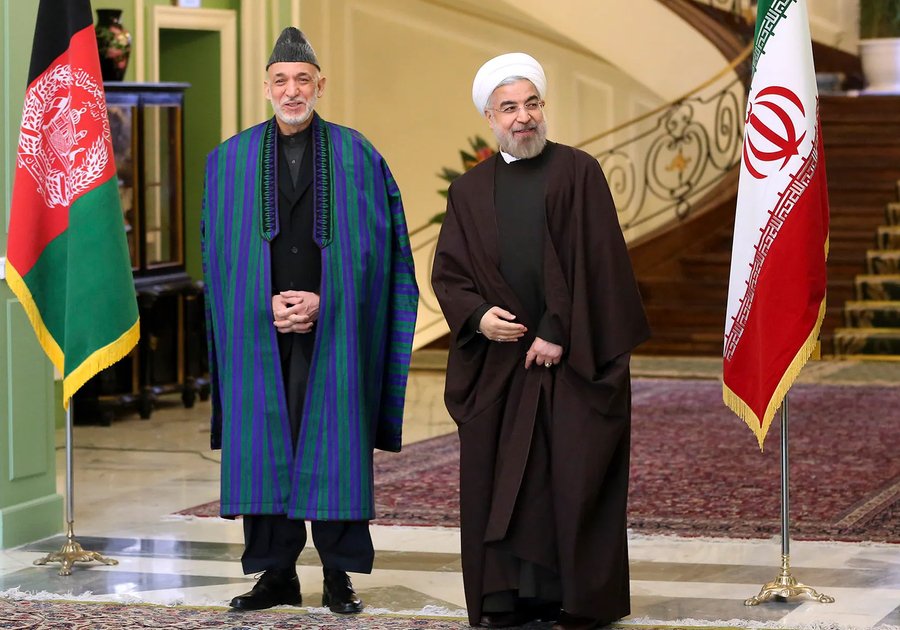
Unknown author. Hamid Karzai in a traditional Afghan national costume (left). 2000 " Unknown author «. Hamid Karzai, during an official meeting with the President of Iran (on the right). 2014
Unknown author. Traditional striped tissue for Afghan chapána. The beginning of the twenty-first century.
The men ' s wardrobe is not just a supplement, but a true social indicator. The turban, which is a rectangular painting 5 to 10 metres long, is wrapped around its head, creating not only protection against the rays of fire, but also a symbol of the position in society. The alternative is the Packol, a woolen beret that has become the emblem of Afghanistan thanks to the national leader Ahmad Shah Masood.
Unknown author. Traditional Afghan headwear packs (left) and portraits of an Afghan man with a traditional scarf (right). 1980-1990 ' s
The women’s clothing of Afghanistan surprises the beauty and abundance of decorations.
The classic outfit consists of a set of free pants and long tunics. The color decision of women’s clothes is rich, with the prevalence of green and red — the shade of life and passion. The dresses are often adorned with embroidery such that each product becomes a unique model of applied art.
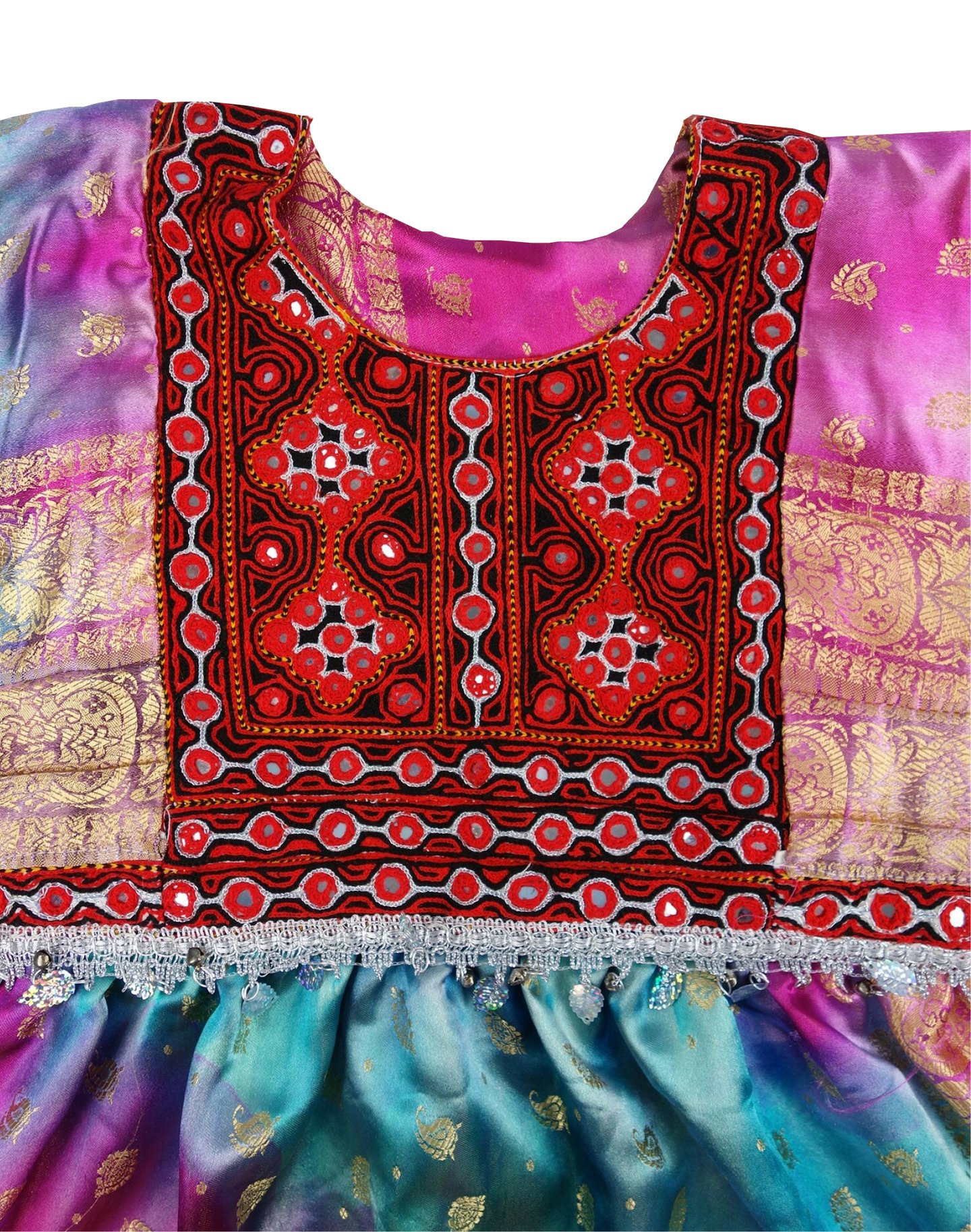
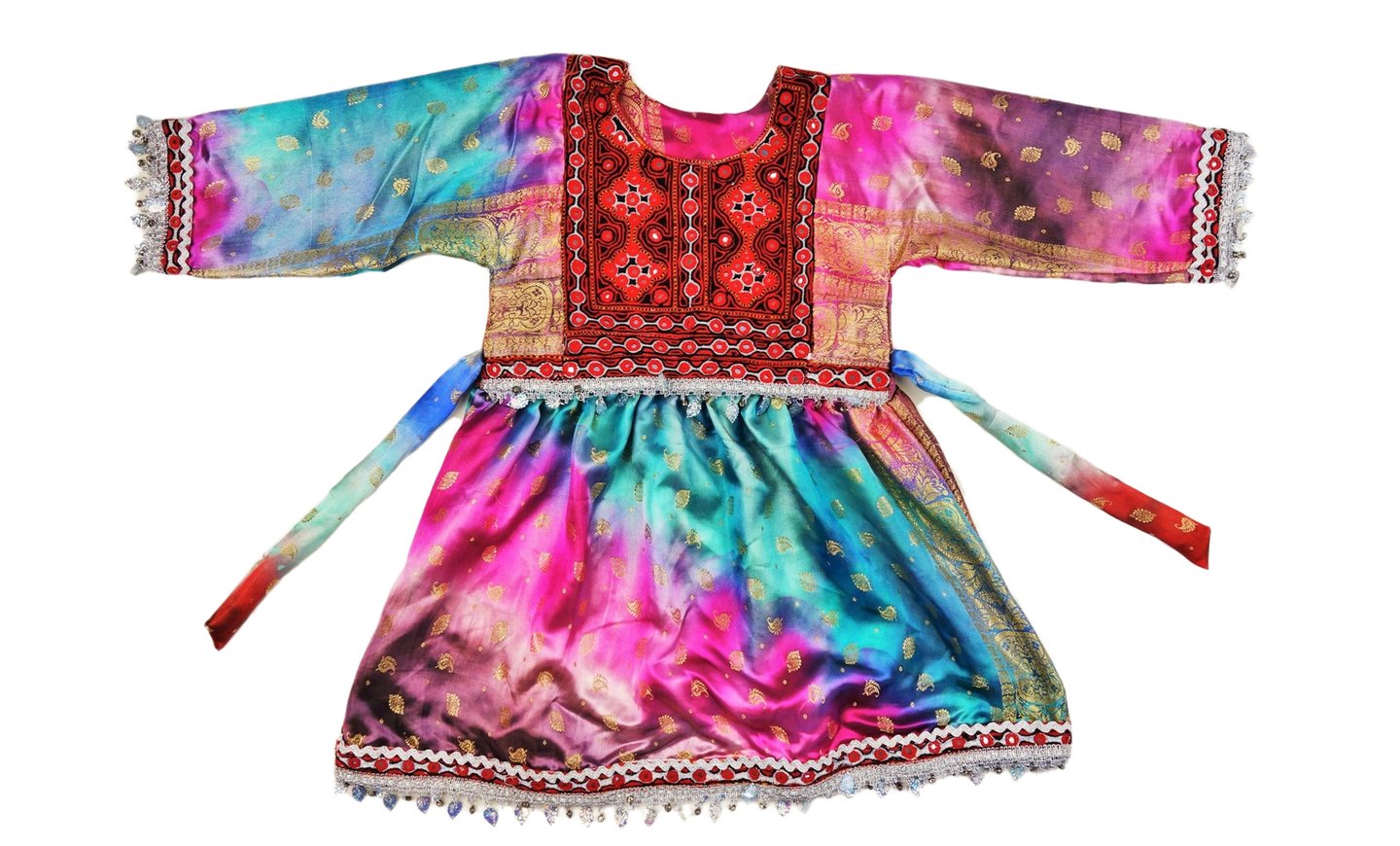
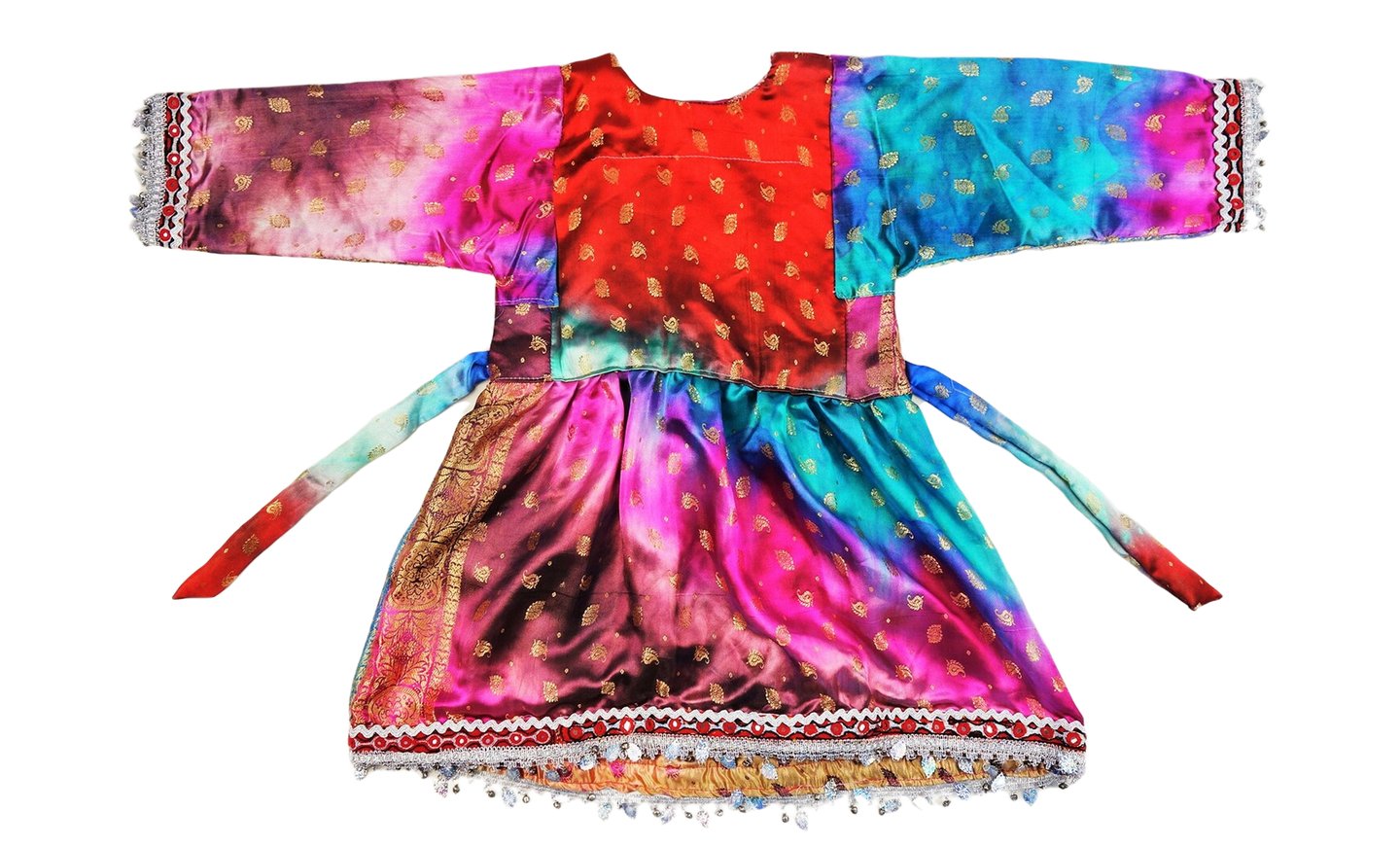
Unknown author. It’s a kid’s kid’s kid’s poop dress. The beginning of the twenty-first century.

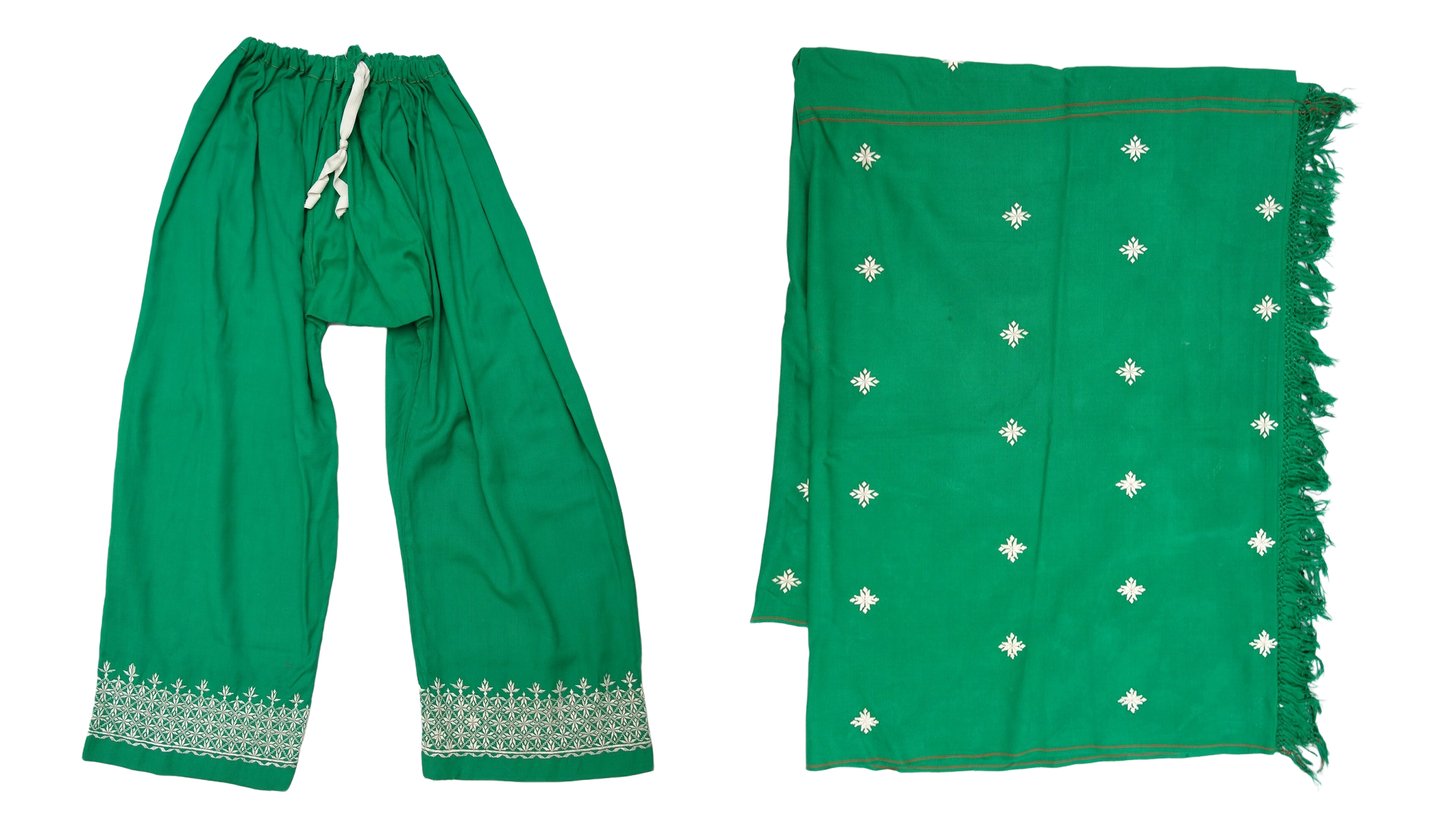
Unknown author. Women ' s set of traditional Norwegian clothing: shalvars and shawl. End of XX.
Women use different types of blankets to match Islamic canons of modesty. Chadra is a large handkerchief covering the head and upper body, leaving the face exposed. Burka is a more closed form of apparel that completely conceals the silhouette with a miniatural nett line for review. Contrary to the generally accepted view, the burka is not exclusively blue: green is found in the southern regions and white variations are found in the northern regions.
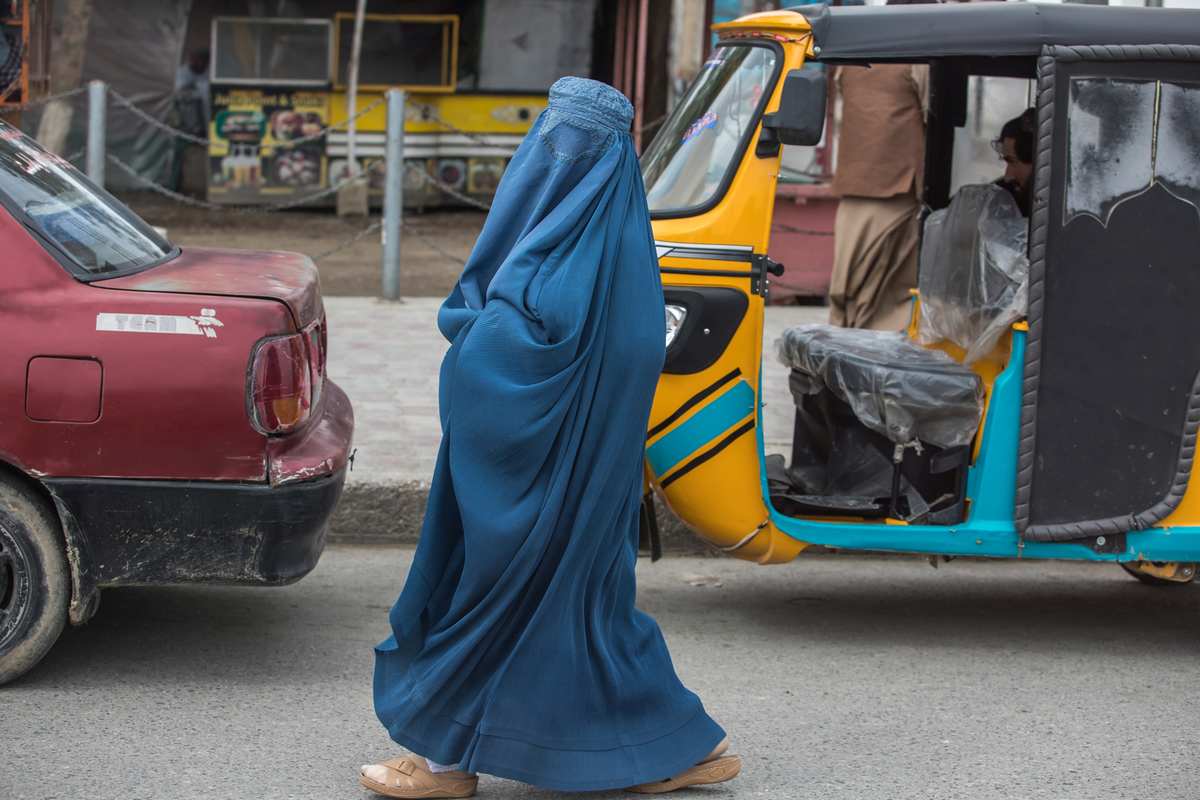
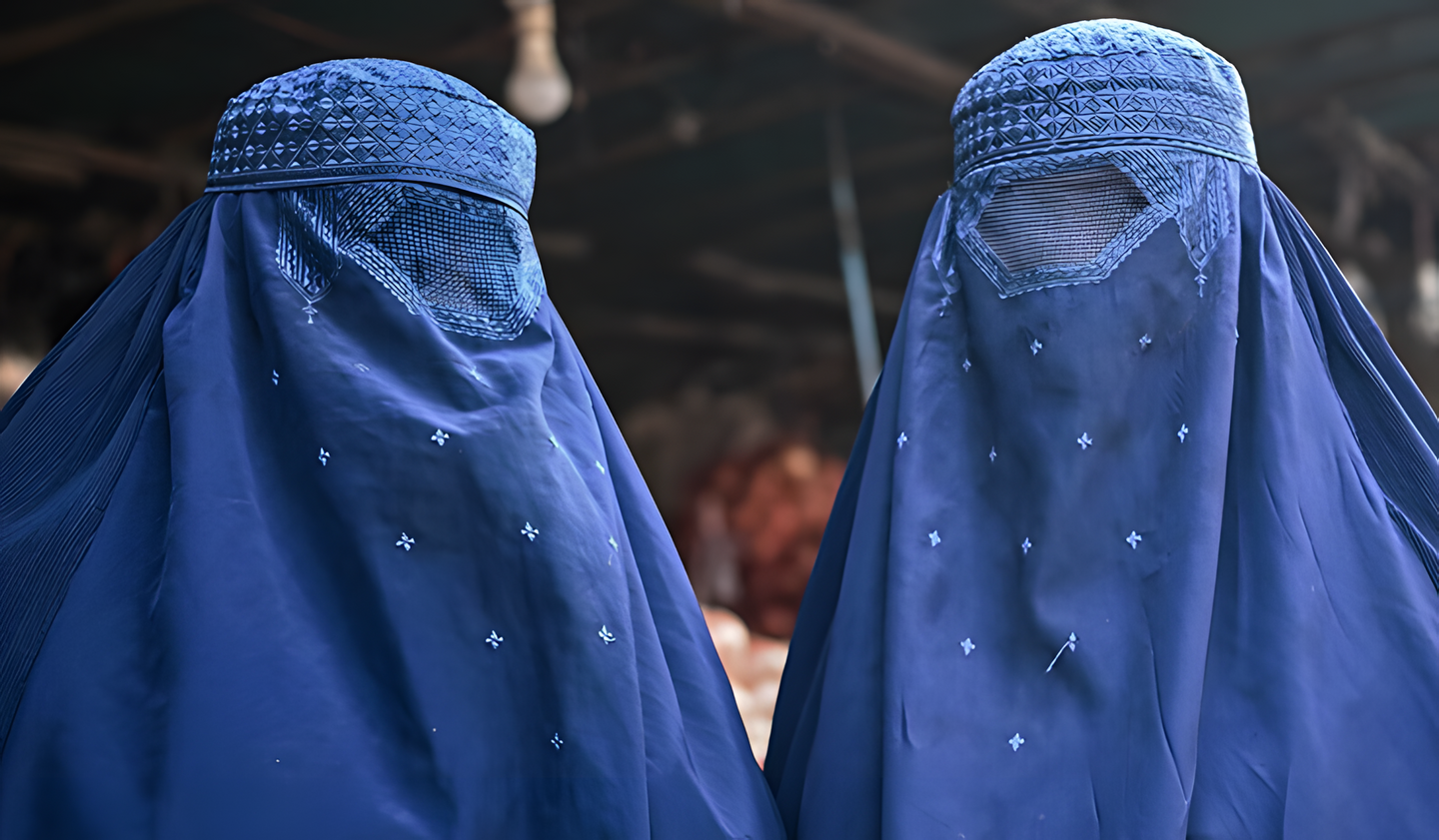
Unknown author. Women in traditional Afghan burka (chadori) with decorative embroidery. In 2010 the author was unknown. Women in urban areas in traditional burka (chadori). 2015-2020
Despite Afghanistan’s ethnic diversity, certain elements of the wardrobe unite the entire country. It’s spacious, it’s natural fibres, and it’s multilayered to adapt to climate variability. For the preservation of heat, woolen «patou» or «sali-Hazaragi» capes are used. Traditional leather shoes, such as «chuckles» sandals or «passor» shoes, complete this ensemble, where each detail is full of meaning and historical context.
ETHNIC SPECIFICS OF NATIONAL ASSESSMENTS
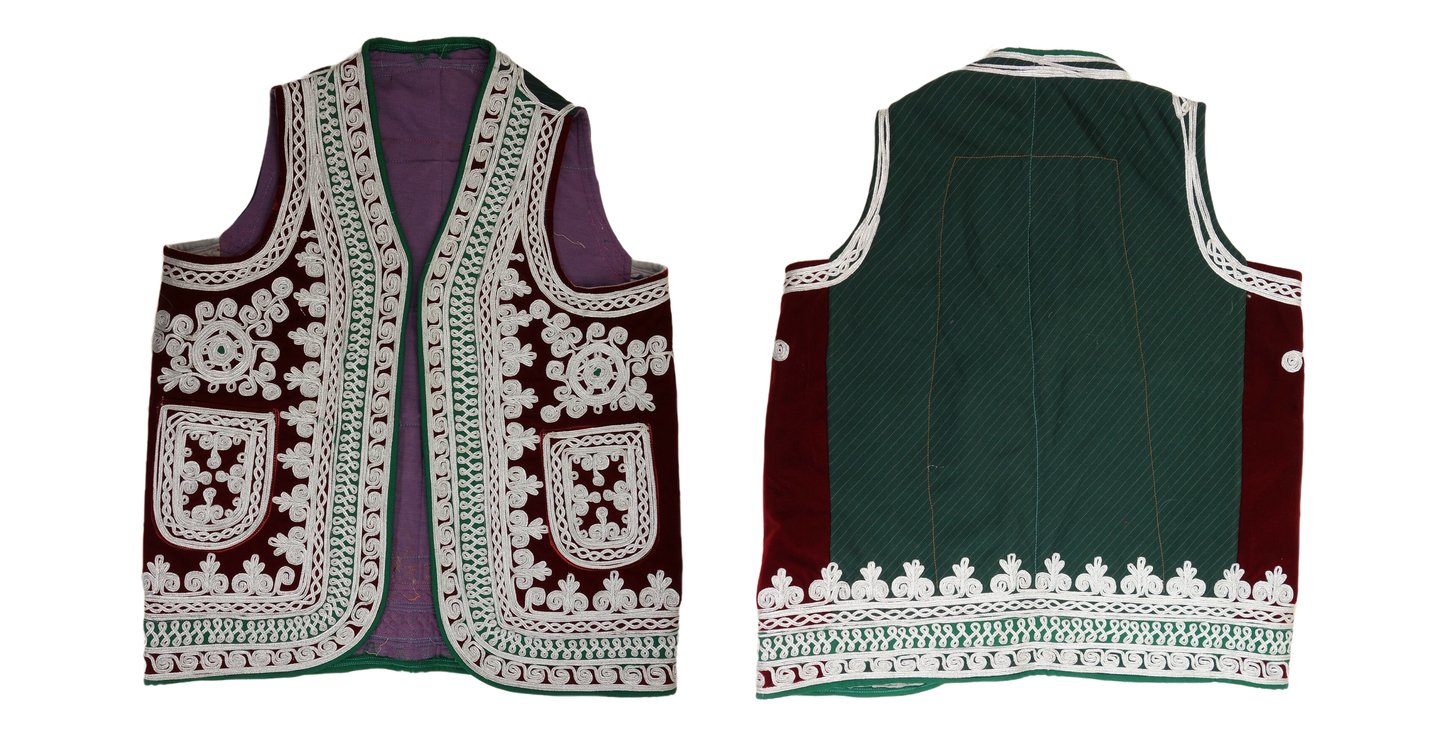
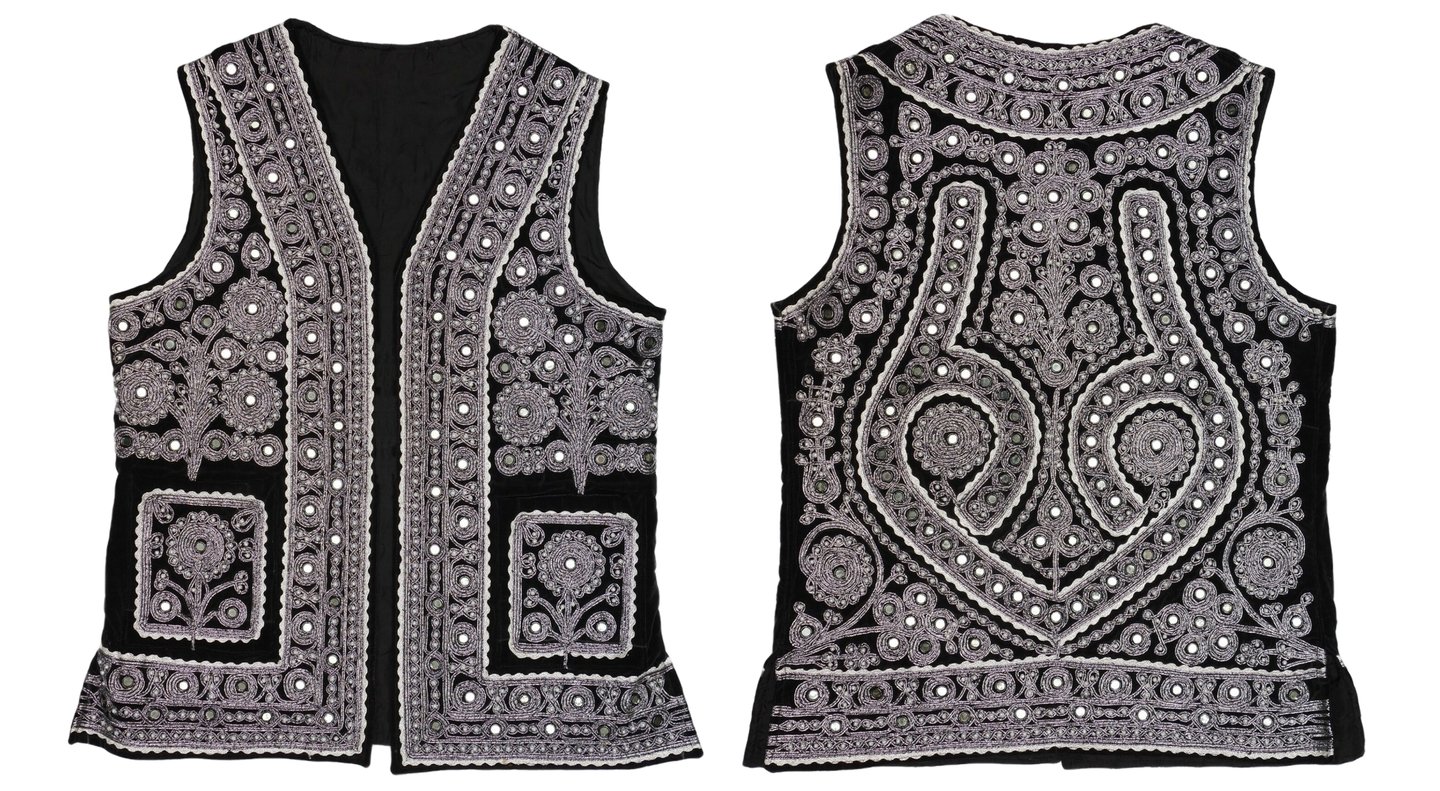
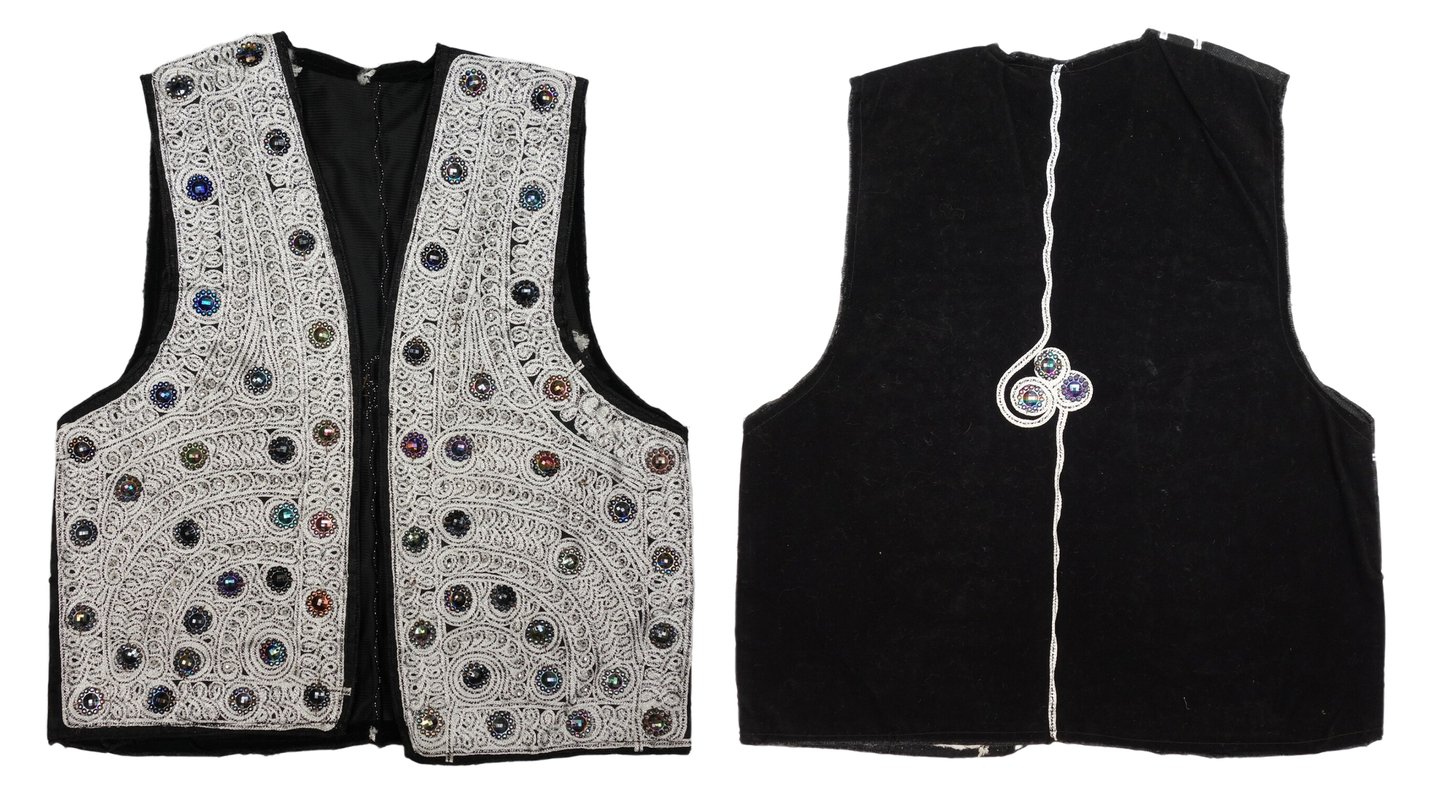
Unknown author. Pashtun jockey. The end of the 19th is the beginning of the 20th century. There’s a bunch of nomads' necklace. End of XX in. Unknown author. A necklace from northern Afghanistan. Mid-20s.
The previous part of the study examined the basic universal forms of traditional clothing in Afghanistan, typical of most of the ethnic communities of that unique country. Now, moving from general to detailed knowledge, it is advisable to go deeper into the specific ethnic features of traditional dressing, which manifest themselves primarily through sophisticated patterns, colour combinations and specific decorative elements.