Concept
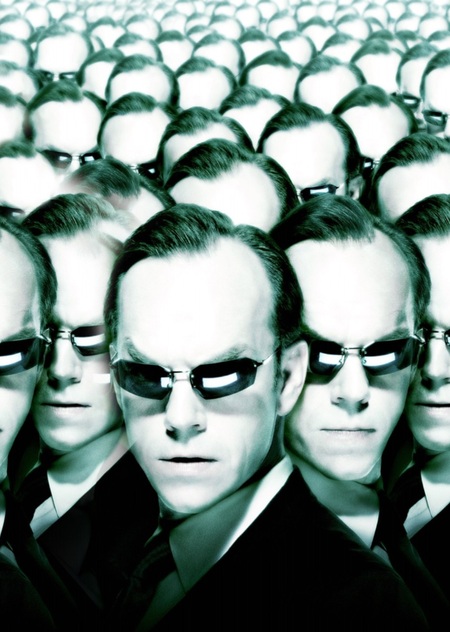
Modern cinema shows impressive possibilities for creating large-scale scenes involving thousands of characters. While it used to rely on real statistics and complex filming, the development of computer technology has led to the emergence of innovative crowd generation techniques. This has affected not only the visual aesthetics of the films, but also the perception: large-scale baht scenes, urban panoramas, futuristic megacities and apocalypse events have become more detailed and realistic.
The study aims to analyse the various technologies of crowding in movies, from early optical effects to completely digital solutions. The main focus is on visual techniques that allow directors to control the perception of the audience, creating an illusion of crowdhood, chaos, or, vice versa, organized movement.
The purpose of the study is to track how the technology of making a crowd in the movies has changed.
The following landmark films will be considered as key examples: «Gandi» (1982), with its record live mass, «Star Wars: Episode 1 — Hidden Threat» (1999) and «Atlantis the Dead continent» (1961), demonstrating the original methods of using a fake crowd, «Forrest Gamp» (1994), with innovative digital overlaps of statisticians, «Gladifier» (2000) as an example of a harmonious combination of real masses and CGI, as well as modern hobbit: Battle of Five Wars» (2014) and «Avengers: Final» (2019), which used advanced multi-agent modelling systems.
The study is based on three main types of sources: Cinefex magazine specialized publications containing detailed visual impact analyses, interviews and comments from leading VFX supervisors, as well as official production breakdowns from developing studios.
The study is divided into three main clusters on the technologies under consideration: 1. Statists and a fake crowd of two. CGI and composer 3. Multi-agent modelling system
Statists and a fake crowd
Creating large-scale crowd scenes has always been a challenge for filmmakers. The use of living statistics is a costly and labour-intensive process: hundreds or even thousands of people need to be assembled, costumed, filmed and synchronized with the movement of the masses.
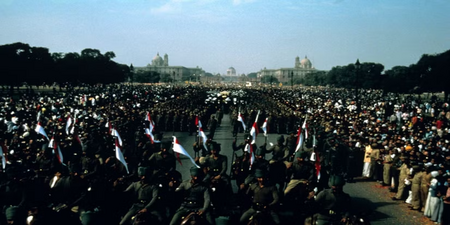
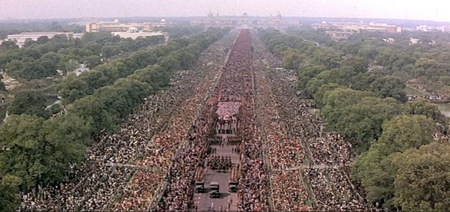
Gandhi (R. Attenborough, 1982)
Although there have been quite impressive and even crazy examples — for example, in the film Gandhi (1982), the record 300,000 statues used to recreate Mahatma’s funeral — are often beyond reach. So the experts were looking for alternative, sometimes unexpected, ways of simulating the crowd.
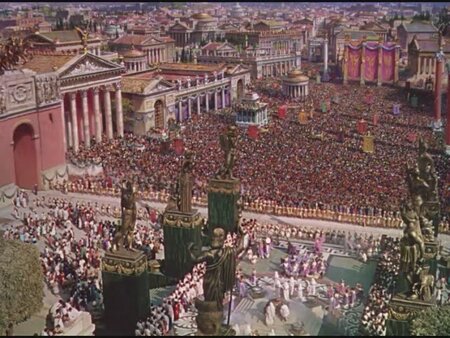
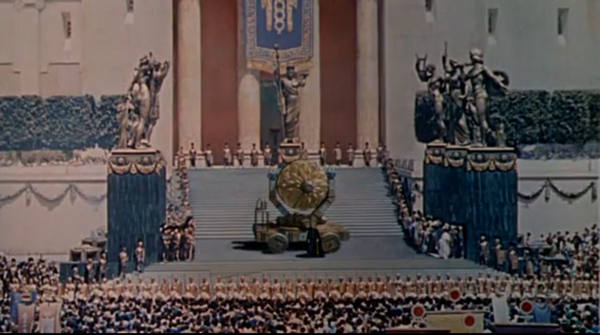
«Atlantis, the Dead continent» (R. D. Pal, 1961)
One of the most original methods used was A. Arnold Gillespie, director of the special effects department of MGM, during the production of the film «Atlantis, the Dead continent» (1961). He used water and cork crumbs to create the illusion of a lively crowd. In the layouts, there was an antidote with a liquid on the surface of which little pieces of cork wood were floating. When the air was shaken or blown lightly, these particles started to move chaoticly, giving the impression of a moving mass of people. This stunt only worked on general plans, where the audience couldn’t see the details.
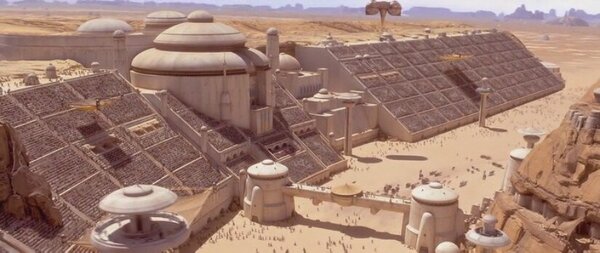
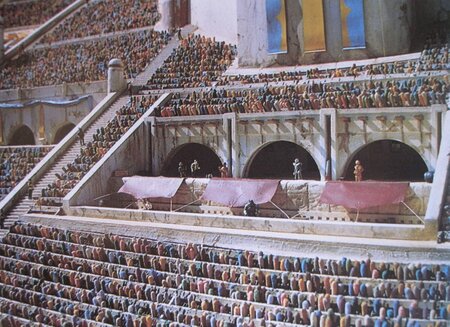
«Star Wars: Episode 1 — The Hidden Threat» (R. D. Lukas, VFX Superweather D. Noll, 1999)
The same principle was used by artists of Industrial Light & Magic (ILM) in the creation of the episodes «Star Wars: Episode I — The Hidden Threat» (1999). To fill the giant stadium on planet Naboo, they needed thousands of viewers. Instead of a complex animation or expensive massage, they took regular cotton wands, painted in different colours. On a large scale, they certainly look funny, but in the general shots of the stadium, they created the effect of a densely filled stand.
CGI and composerry
Forrest Gump (1994)
Forrest Gamp (rege R. Zemékis, 1994); scene in Washington, D.C.
In the filming of the scene in Washington, the camera was originally locked in one place, and it took the front line off a small crowd.
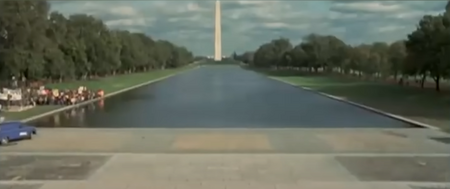
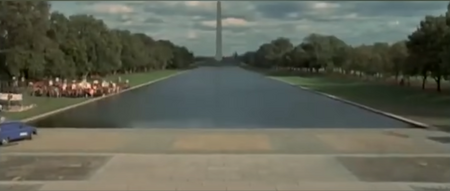
Forrest Gamp (rege R. Zemékis, 1994); crowd duplication and positioning
Then, when the main frame was taken off, the crowd moved along the pool at different points.
Forrest Gamp (R. Zemékis, VFX Superviser, C. Ralston, 1994)
All the footage taken came together, creating the end of the scene.
Forrest Gamp (rege R. Zemékis, 1994); scene at the stadium
The scene at the stadium was filmed in a similar way. Initially, only a small group of people (about 100 statists) with Go cards were filmed.
Forrest Gamp (R. Zemékis, VFX Superviser, C. Ralston, 1994)
The crowd then duplicated, filled the empty space, and even added an additional tier that was not at the original stadium.
Forrest Gamp (rege R. Zemékis, 1994); Ping-pong
The ping-pong game was filmed entirely in the studio. Only the first row of viewers was real.
Forrest Gamp (R. Zemékis, VFX Superviser, C. Ralston, 1994)