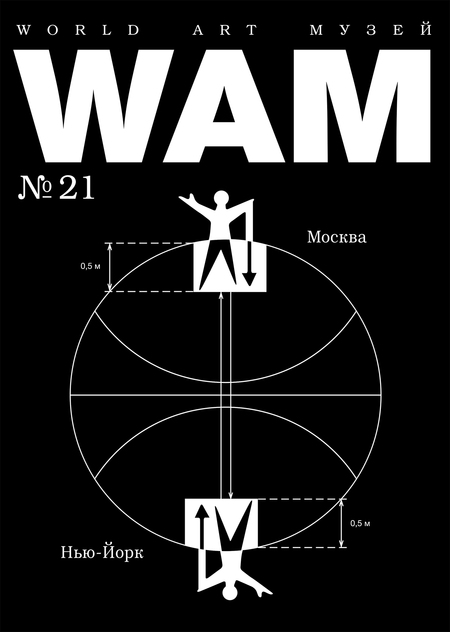
Issue 21 of the WAM journal was published in 2006. The issue contains 264 pages. The publication is based on the archives of Victor and Margarita Tupitsyn, who have been living abroad for over thirty years and are known for their publications and curatorial projects. While in exile, they maintained ties with representatives of Russian contemporary art, correspondence with whom formed the basis of the book «Moscow–New York.»
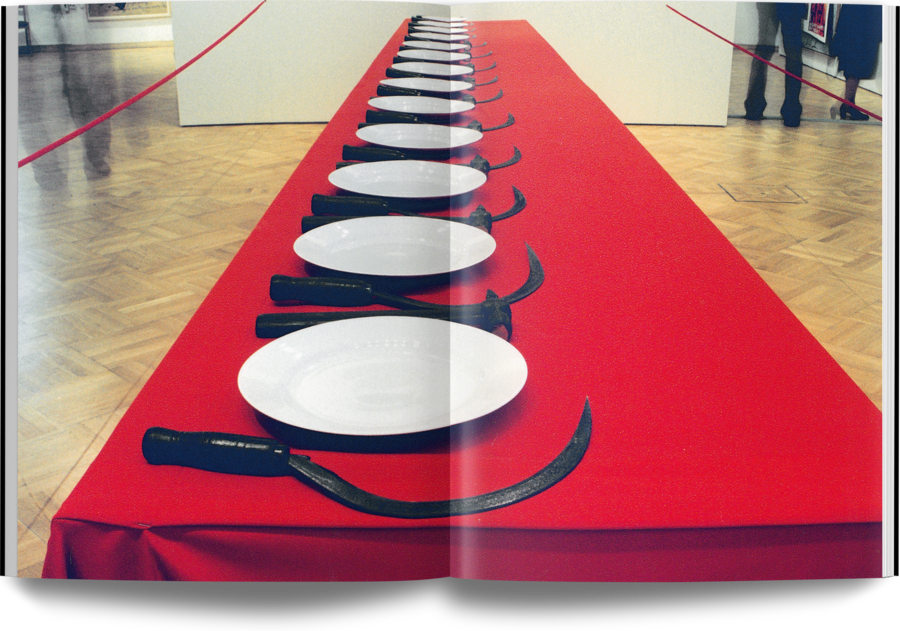
The text reveals the unique factual history of the artistic ideas and events that shaped the development of the neo-avanguard—both in the USSR and abroad—from the mid-1970s to the early 1990s.
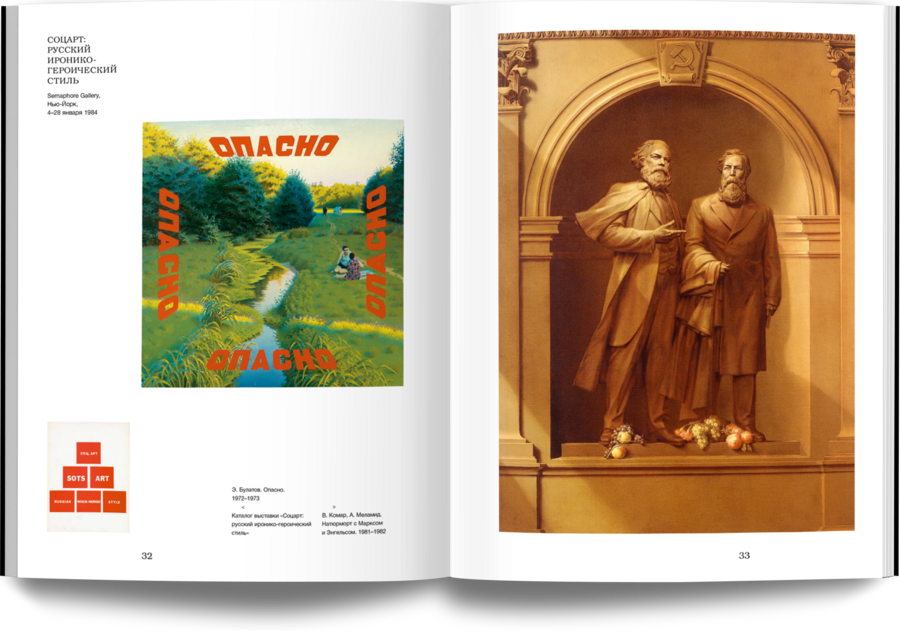
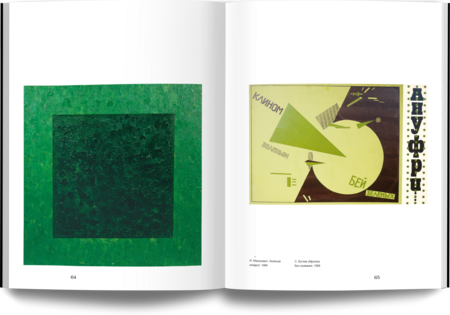
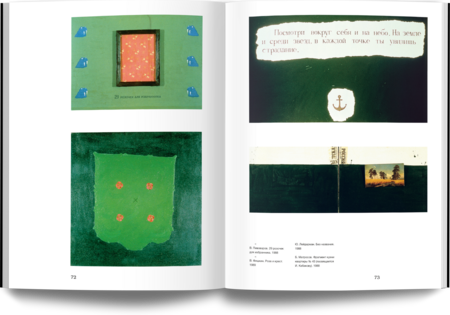
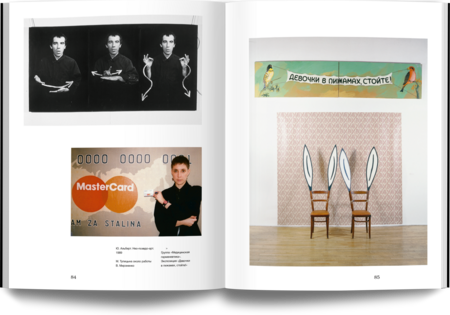
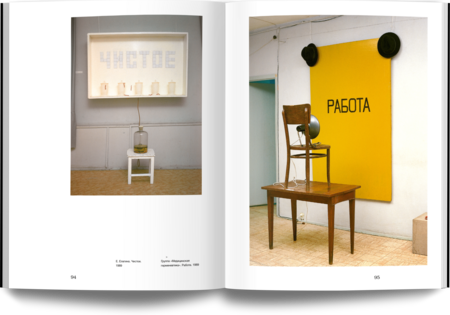
In late 1980, Margarita Tupitsyn returned to New York after having earned her master’s degree and beginning doctoral studies at the Graduate Center, City University of New York. She was subsequently appointed curator at the Contemporary Russian Art Center of America (SoHo, New York) in 1981. This book narrates the developments of the subsequent years. It compiles unique archival materials that provide insight into the two interconnected contexts (doublebind) of independent Russian art—in Moscow and New York. Thanks to these «communicating vessels, ” contemporary Russian art became what we know it as today.
Viktor Tupitsyn
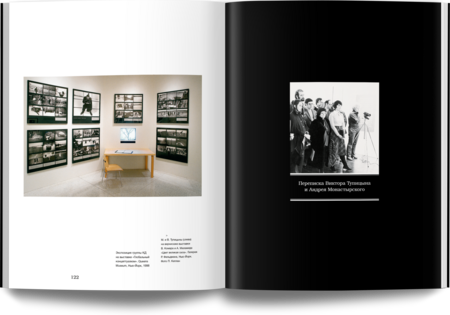
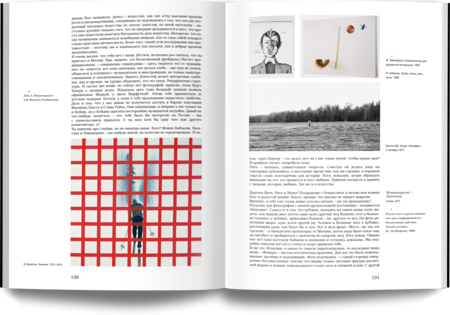
In the early 1990s, correspondence ceased to be an exclusive means of acquiring information. Having exhausted its cultural mission, letter-writing with friends retained the qualities of private practice. In both New York and Moscow, these letters were read and circulated among a narrow circle of conceptual artists, poets, and theorists, undoubtedly contributing to a shared understanding of the most significant art events of the time—events unfolding on both sides of the ocean. Conceptualism, as we know, distinguishes itself from other aesthetic practices precisely because «archivalness» and «museum quality» are part of its genetic code.»
Viktor Tupitsyn
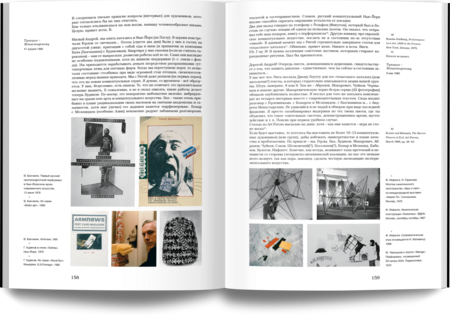
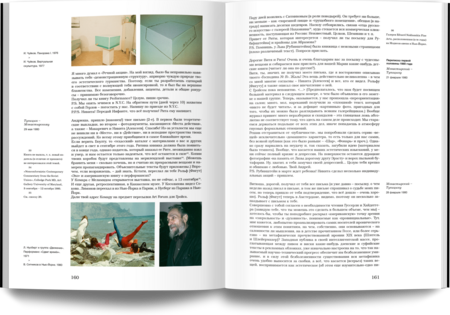
The book chronicles the history of experimental aesthetic practices—those that were previously ignored by the official cultural industry: the press, art criticism, and Soviet museum institutions. Essentially, the publication serves as a catalog of an unfulfilled museum of Russian Neo-Avant-garde from the 1970s to the 1990s. This issue was produced in collaboration with the «Interrosa» Publishing Program.