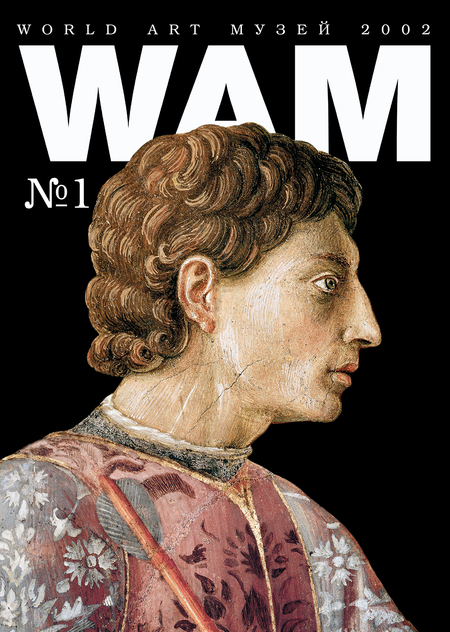
The first issue of the WAM magazine was published in 2002. The issue comprised 128 pages. The issue opens with an editorial from the Editor-in-Chief, Egor Larichev, and Publisher Arseny Mesheryakov.
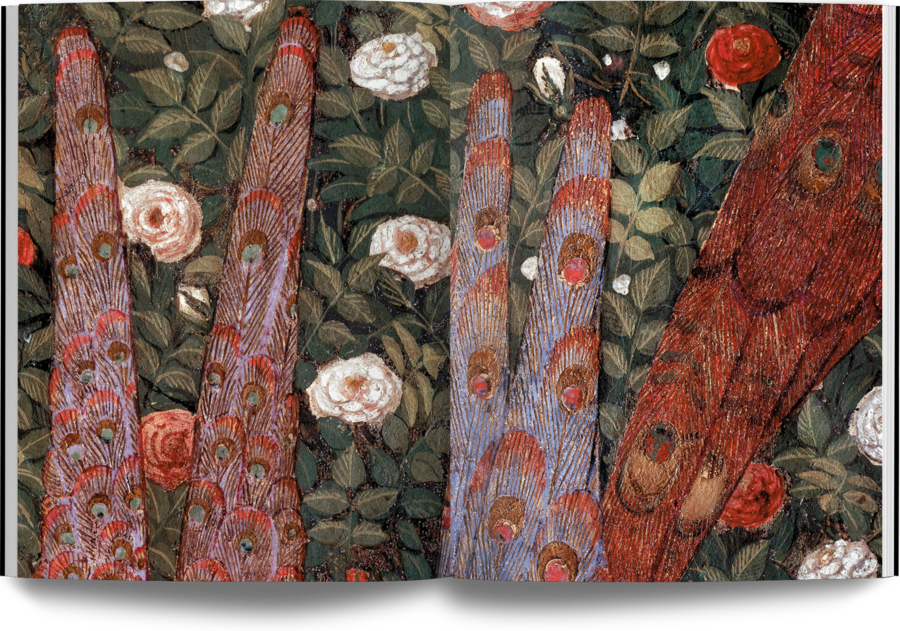
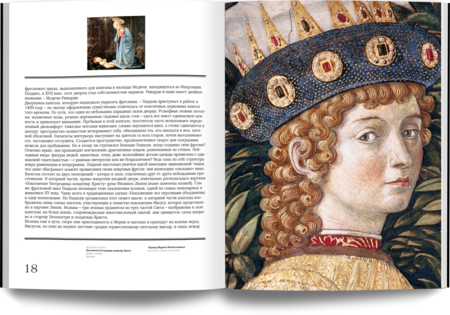
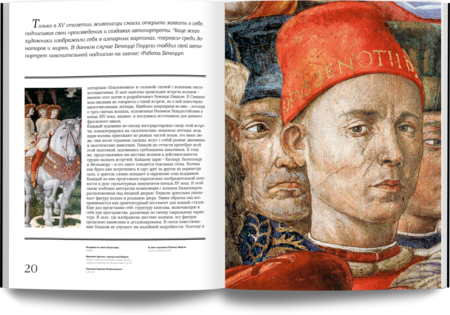
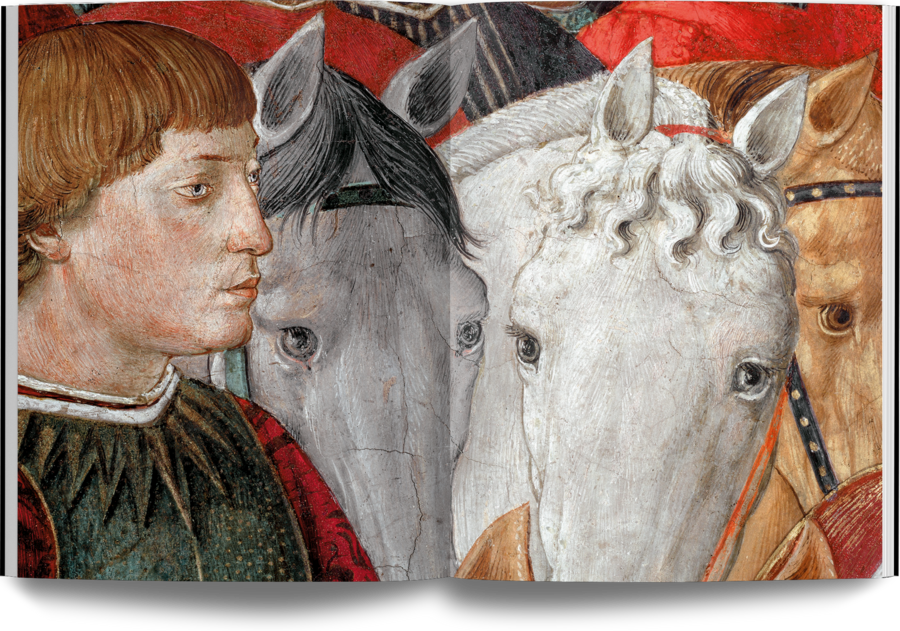
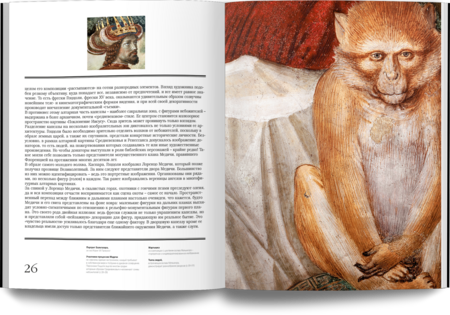
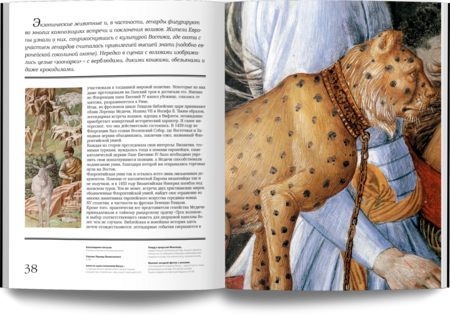
The article by art historian, art critic, and curator Kirill Svetlyakov, «Gozzoli—Cinema of the Early Renaissance, ” is dedicated to the work of the Italian artist, a painter from the Quattrocento period, a master of fresco painting, and a representative of the Florentine school of painting. In the article, the author argues that the frescoes of the artist, who lived in the 15th century, resonate in many ways with contemporary television and cinematic modes of vision and give the impression of documentary footage.
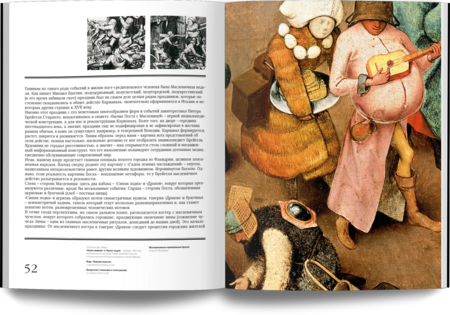
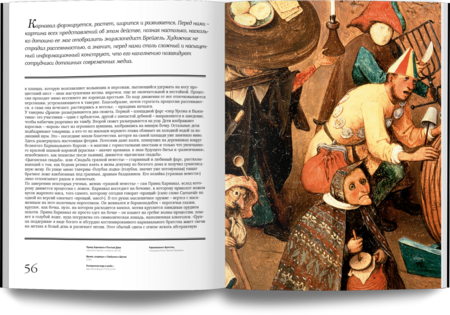
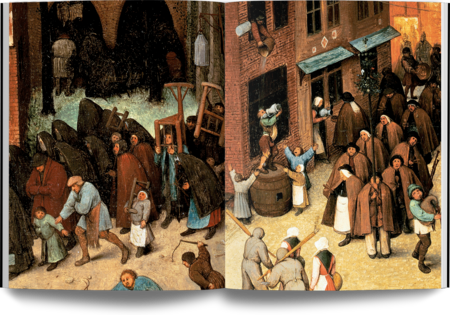
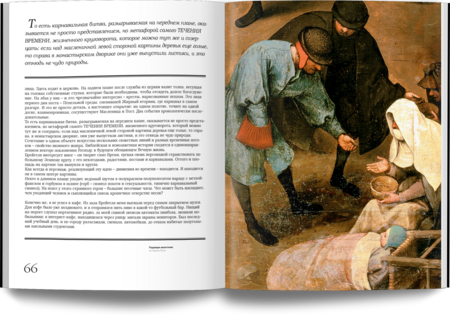
Gleb Vecherov’s article, «Bruegel: The Reconstruction of Time, ” is dedicated to the work of Pieter Bruegel the Elder, a Dutch artist, painter, and draftsman of the Northern Renaissance. In the article, the author examines only one canvas by Bruegel—"The Triumph of Gluttony"—using it to illustrate why the artist remains relevant today and what makes him so appealing to the contemporary viewer.
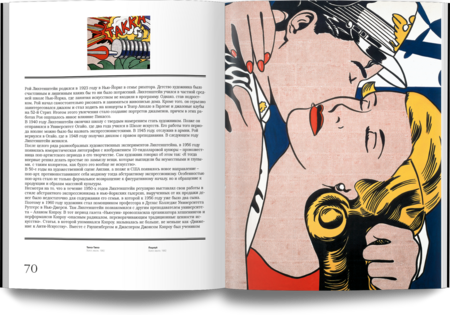
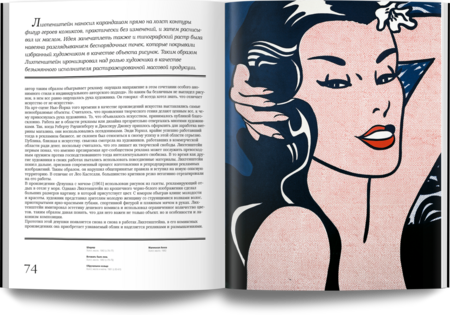
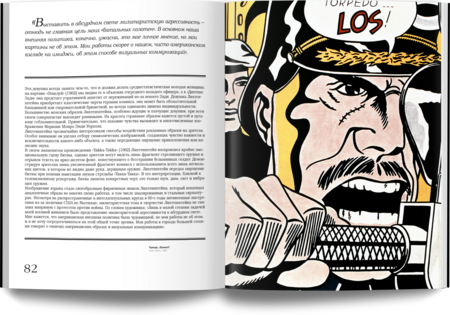
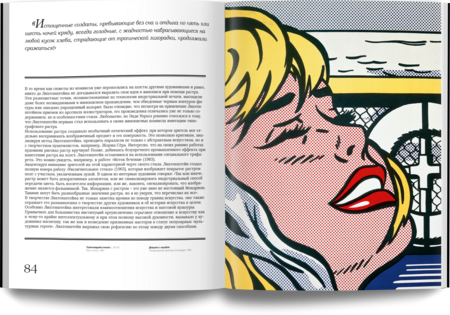
The article, «Lichtenstein. Tacca-tacca and Close-up Raster, ” by art historian Dmitry Barabanov, is dedicated to the work of American artist Roy Lichtenstein—a leading figure in the Pop Art movement and one of the most influential and recognizable artists of the 20th century. By examining Lichtenstein’s biography and creative evolution, the author demonstrates how the artist, who wagered on the provocative ambiguity of artistic expression, managed to uncover several new territories in art.
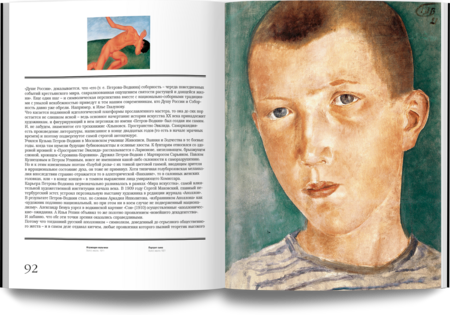
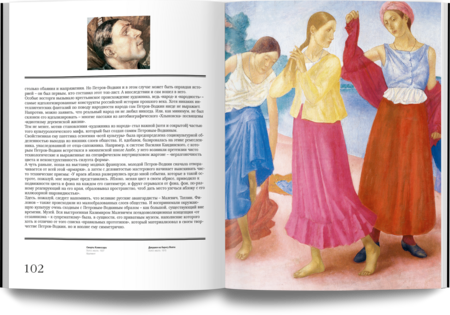
An article by art critic and art historian Andrei Kovalev, «Petrov-Vodkin. Beyond the Tomb of the Painting, ” is dedicated to the work of Kuzma Petrov-Vodkin—a Russian and Soviet painter, graphic artist, playwright, educator, and art theorist. By examining the history of the artist’s creative development and interpreting his artistic and theoretical works across various periods, the author traces Petrov-Vodkin’s lineage in relation to the preceding artistic and philosophical traditions, concluding that the „hidden meaning of all Soviet culture is the religion of universal resurrection.“
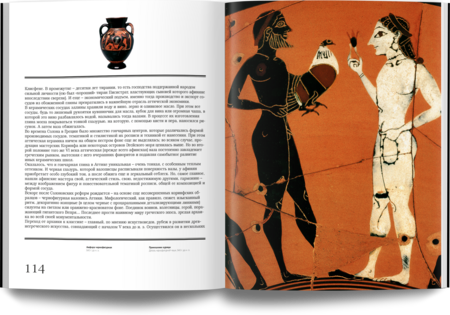
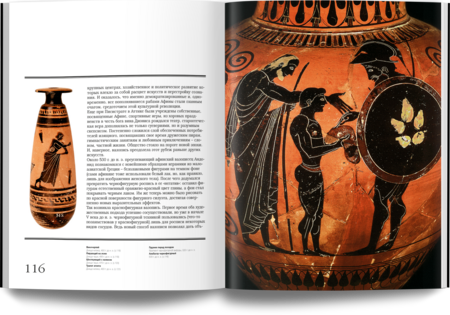
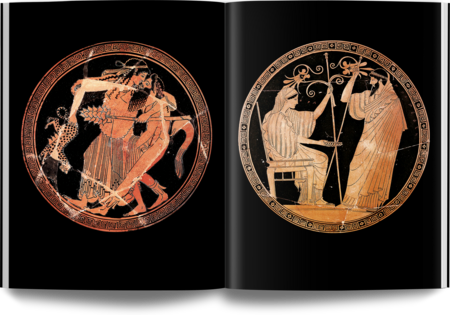
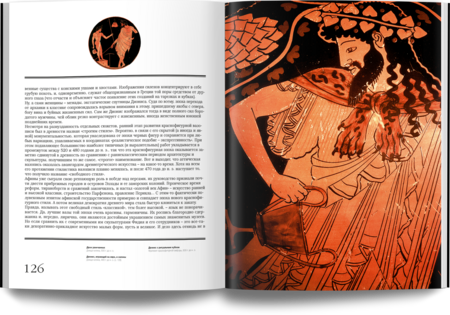
Vladimir Sipyagin’s article, «Fragile Harmony: Vase Painting of Ancient Attica at the Turning of Eras, ” is dedicated to the ancient Greek tradition of ceramic vase painting, particularly that of Attica. Approaching this tradition from a historical perspective, the author describes the emergence of black-figure and red-figure vase painting, the types of ceramic vessels, and the themes of the decorations against the backdrop of events occurring in Attica during the period known as the „Short Mature Summer of the Athenian State.“