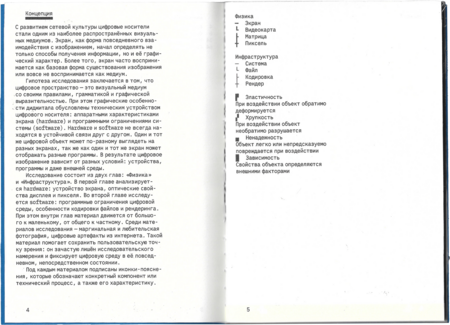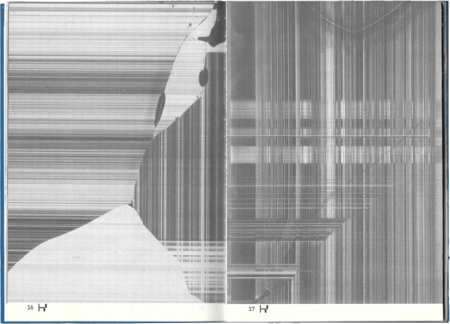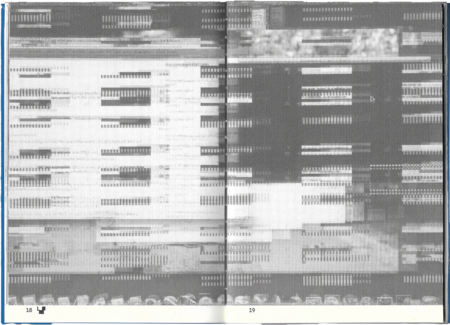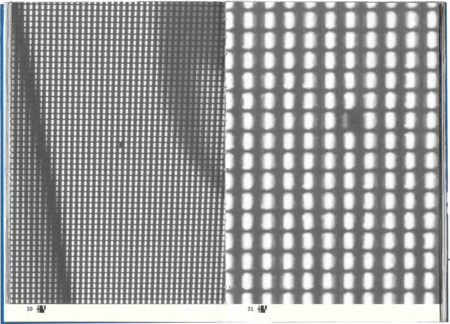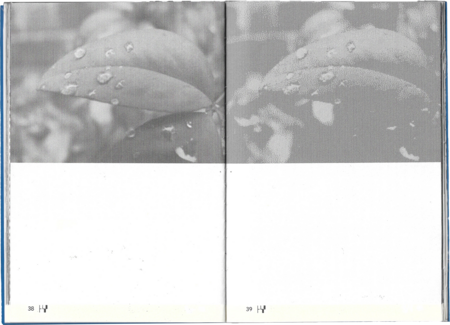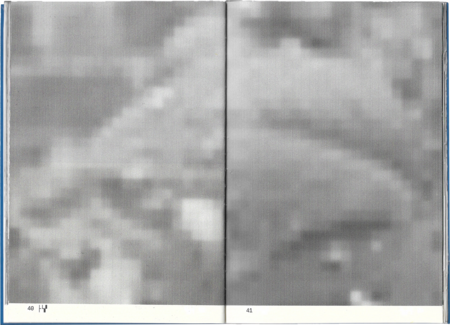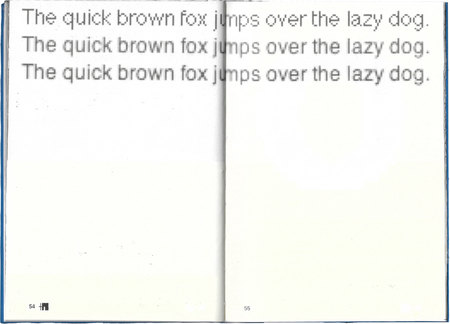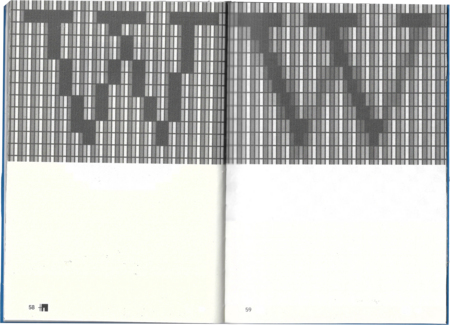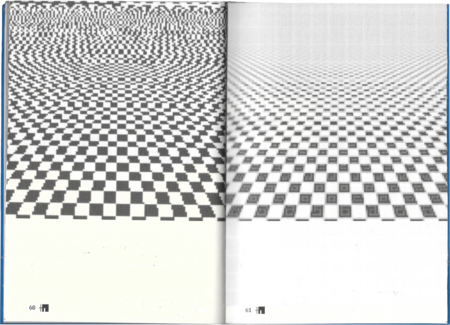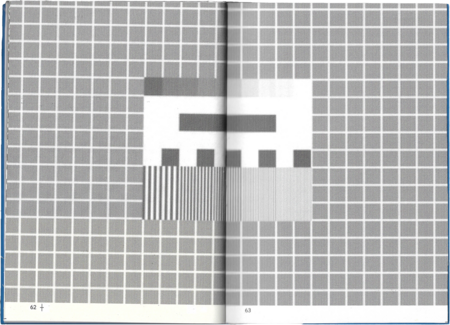
With the evolution of network culture, digital media have become one of the most prevalent visual mediums. The screen, as a form of everyday interaction with imagery, has begun to define not only how information is received but also its graphic character. Moreover, the screen is often perceived as a fundamental mode of image existence, or sometimes not perceived as a medium at all.
The goal of this visual research is to articulate digital space as a distinct visual medium possessing its own rules, grammar, and graphic expressiveness.

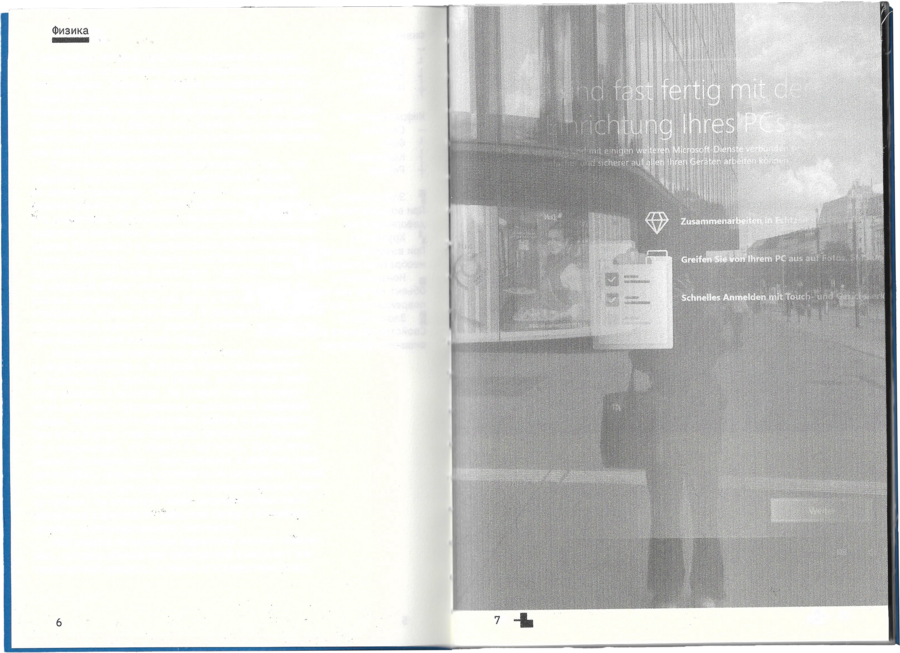
The research consists of two chapters: «Physics» and «Infrastructure.» The first chapter analyzes the hardware—screen device, optical properties of the display and pixel. The second chapter explores the software—programming constraints of the digital environment, file encoding peculiarities, and rendering. Materials are compared at two levels: a component or technical process affecting the image—screen, graphics card, matrix, pixel, system, file, encoding, rendering—and a property of that component: elasticity, fragility, unreliability, or dependence. Definitions are provided at the beginning of the publication.