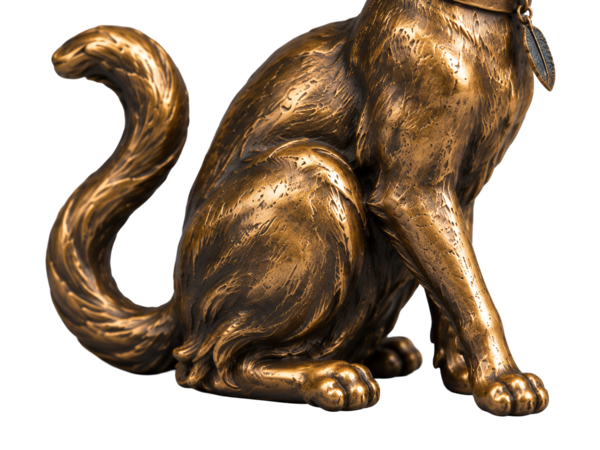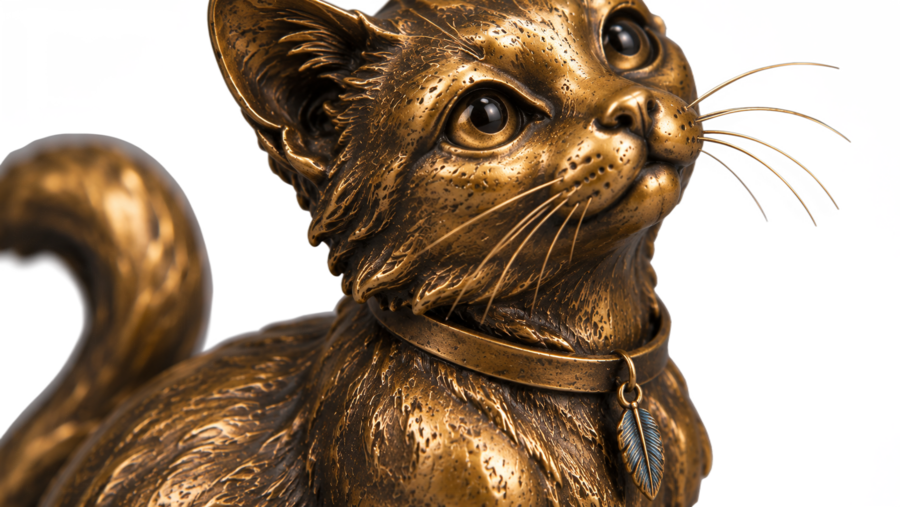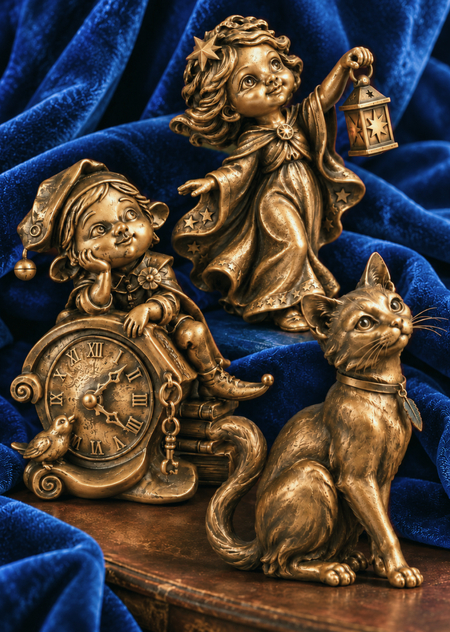
After the performance of «The Blue Bird, ” the characters do not disappear—they leave the stage and continue to live in the city, near places connected to the history of the Theater Arts. Svet’s Soul helps one notice the hidden, Clock’s Soul preserves the memory of time and the performances, and the Cat confuses the tracks, turning the search into a game. The project is based on a series of miniature bronze objects: three character figurines and one additional route marker. The miniature bronze figurines become part of the urban environment, continuing the performance beyond the stage. The viewer takes the place of Tiltyl and Mitil: they walk the route, notice the details, look for clues, and embark on their own search for their Blue Bird.
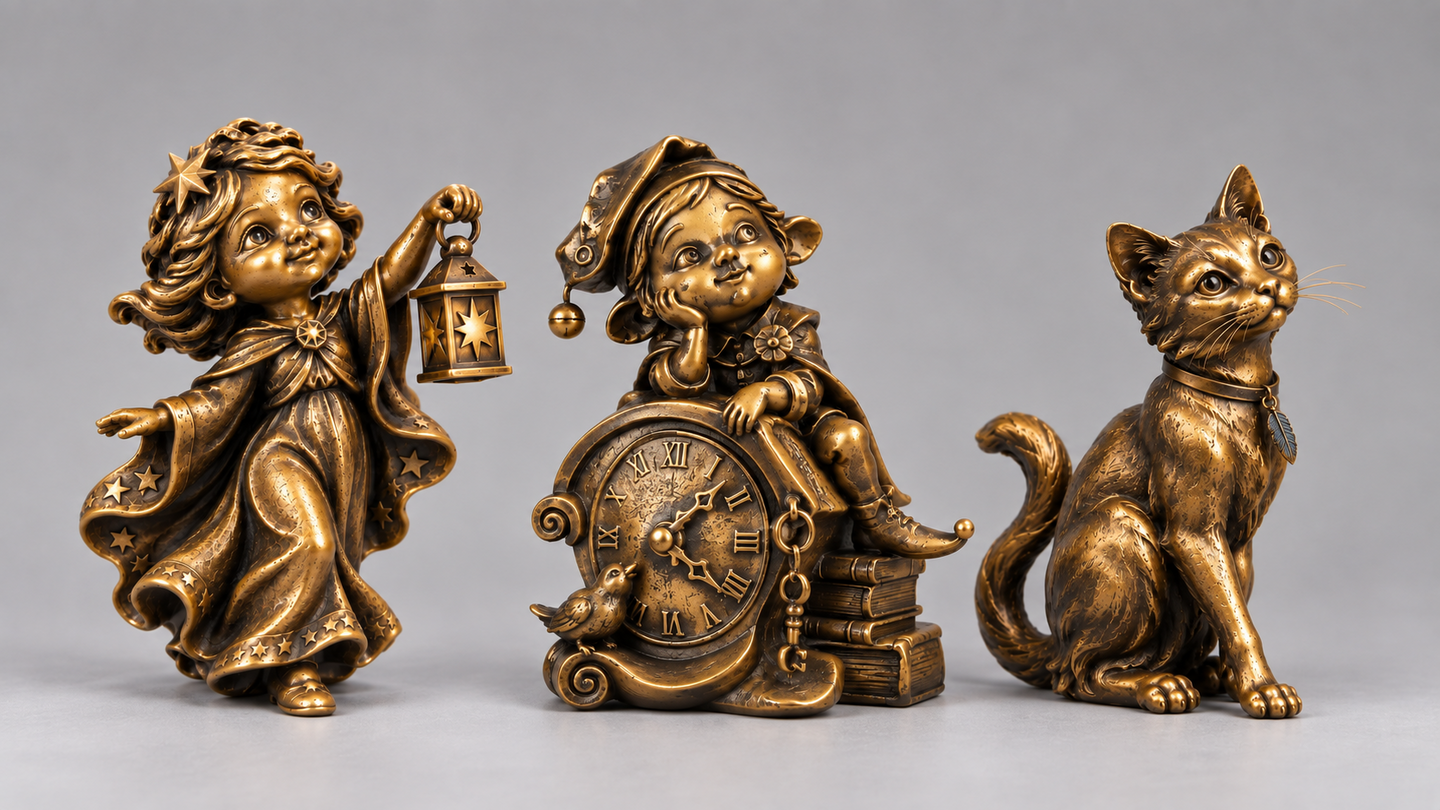
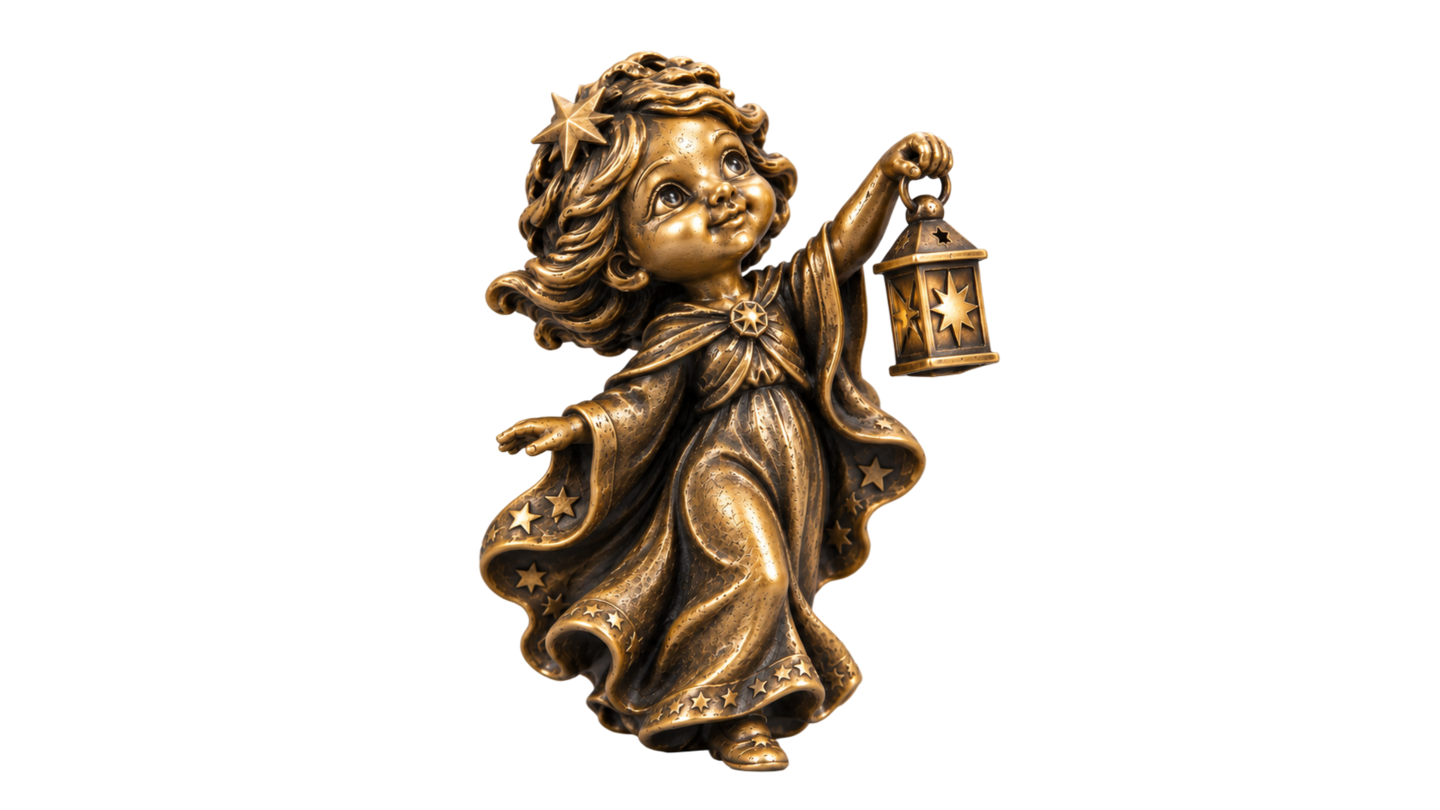
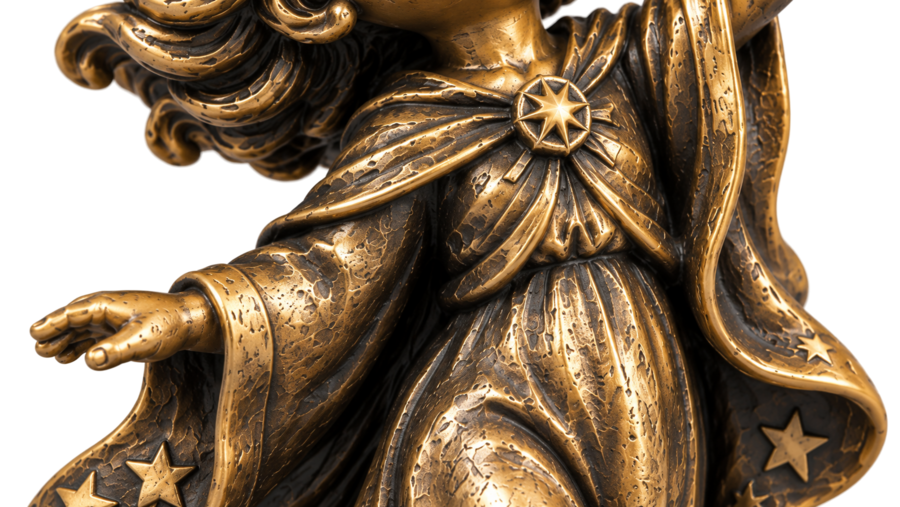
Soul of Light — M. Kh. T. named after A. P. Chekhov
She extracts a particle of stage light from the theater, helping to reveal what usually goes unnoticed. In the play The Soul of Light, hope, the unveiling of secrets, and visibility are intrinsically linked.

The Trail of the Blue Bird at M. Gorky Literary-Artistic School
Instead of another figurine, a bronze feather and a QR code appear here. This signifies that the bird was once present but has slipped away again. This point connects the physical route with a digital clue and continues the quest.
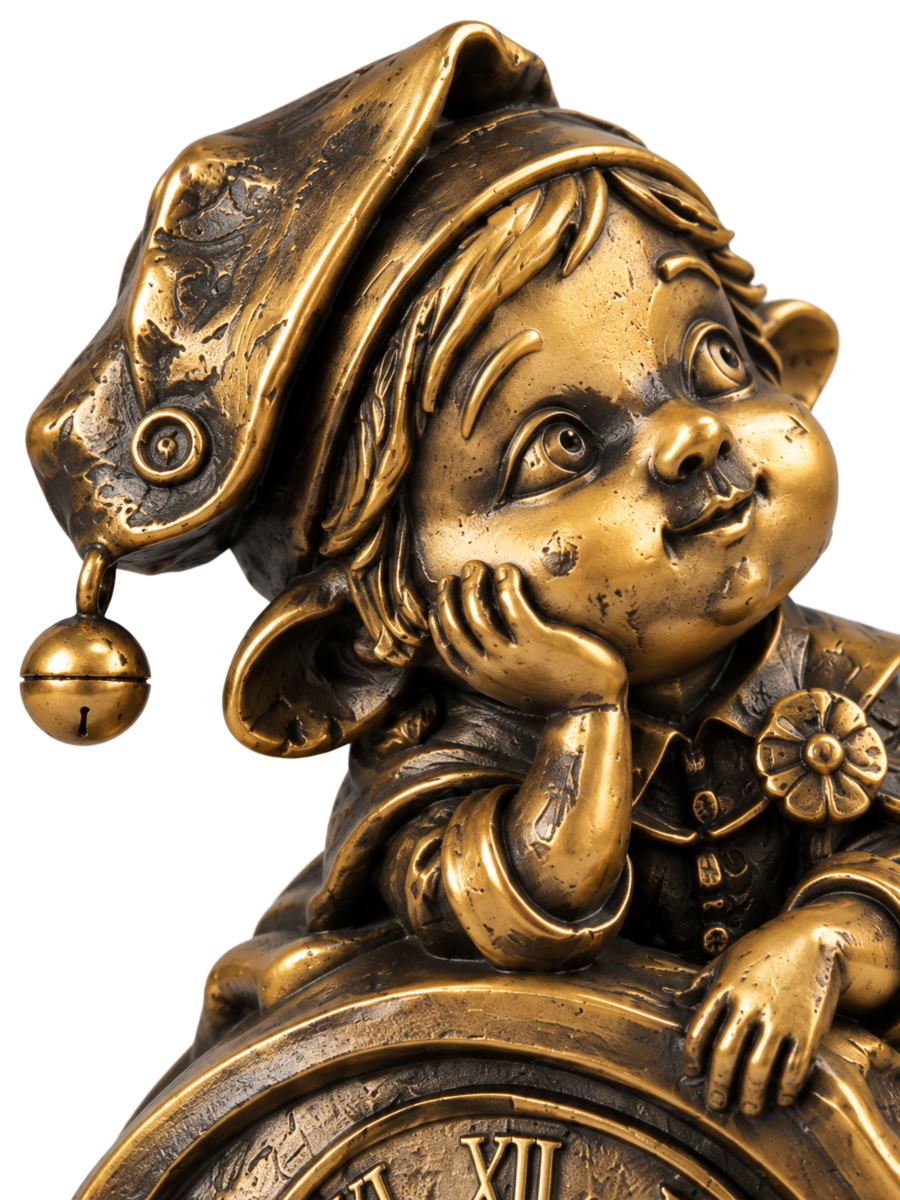
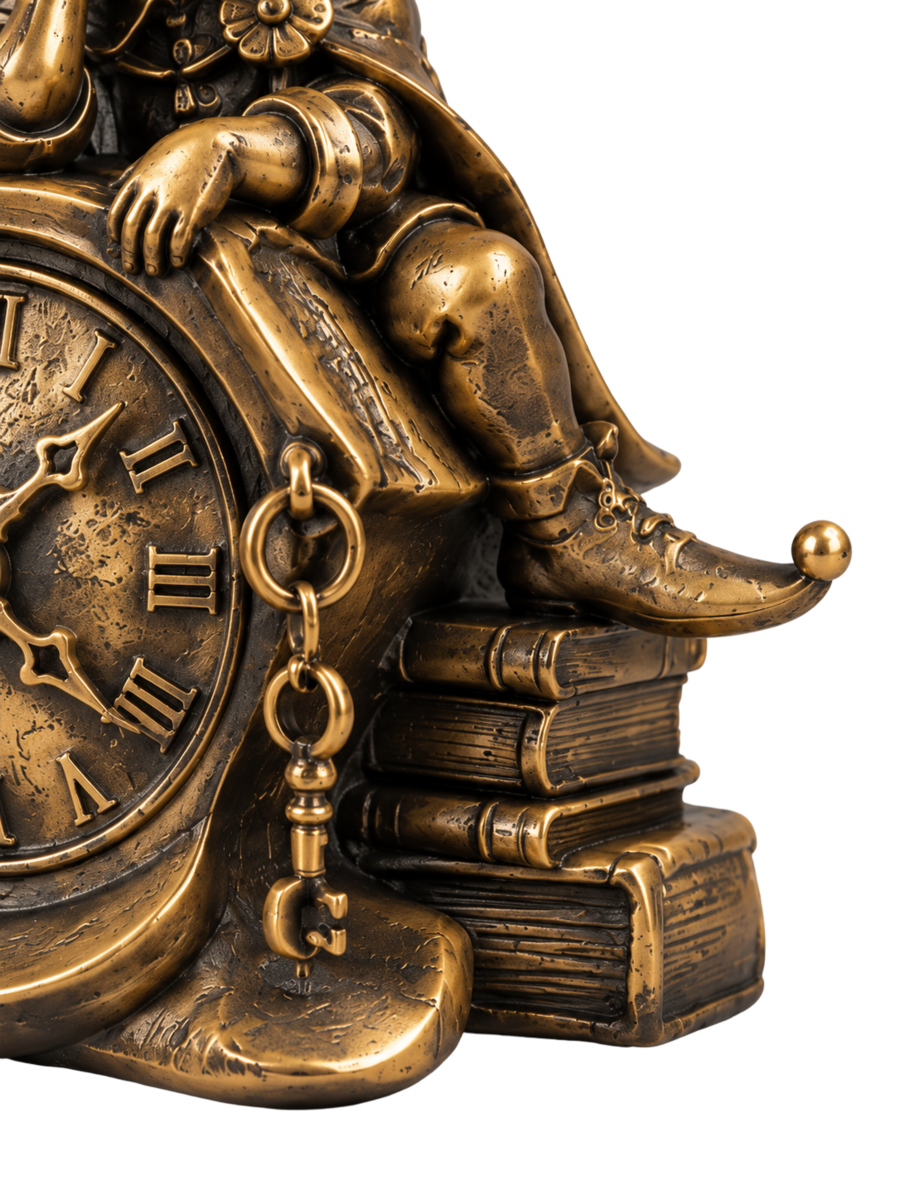
Soul of the Clock — K.S. Stanislavski House-Museum
She remembers the performances, the voices, and the moments that have long vanished from the stage. Her image connects the past and the present, serving as a reminder of the swift passage of time.
Koshka — The Artists' Home of MKHAT (Vladimir I. Nemirovich-Danchenko’s Apartment Museum)
She knows more than she lets on, hiding clues and constantly misleading the viewer. Cunning and capricious, the Cat transforms the route into a game, making the search for the Bluebird less predictable.