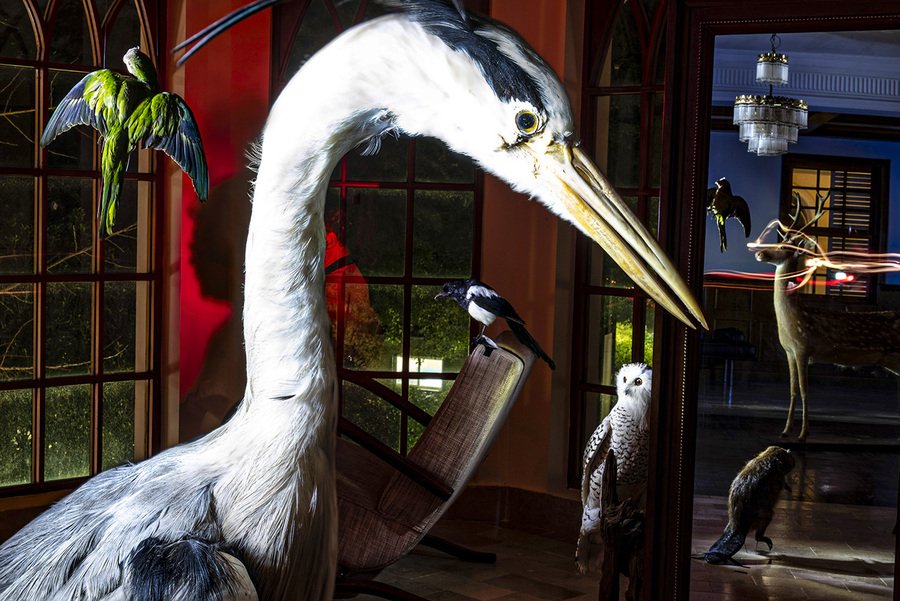
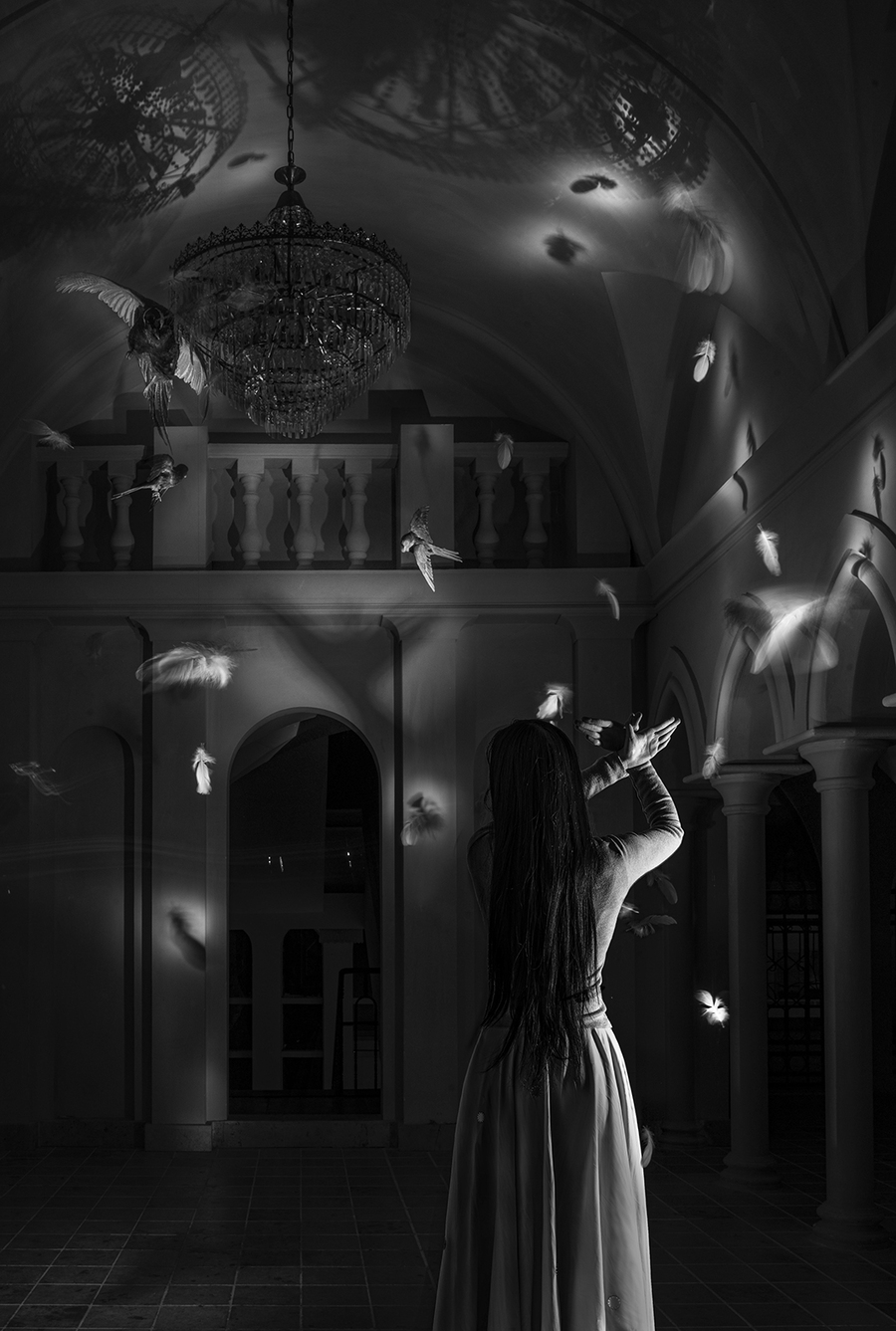
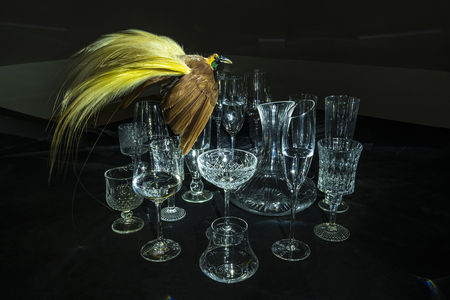
Animals are the subject of human observation. Today, the order established by modern society is largely shaped through production methods that are inspired by animal experiments. However, animals' habitats are increasingly being deprived and eroded, reducing them to mere objects for human observation. As a result, the mutual gaze between humans and animals has ceased to exist. This mirrors John Berger’s inquiry, «Why Look at Animals». As animals become marginalized in human environments, their essence shifts from independent existence to products of human lifestyles.
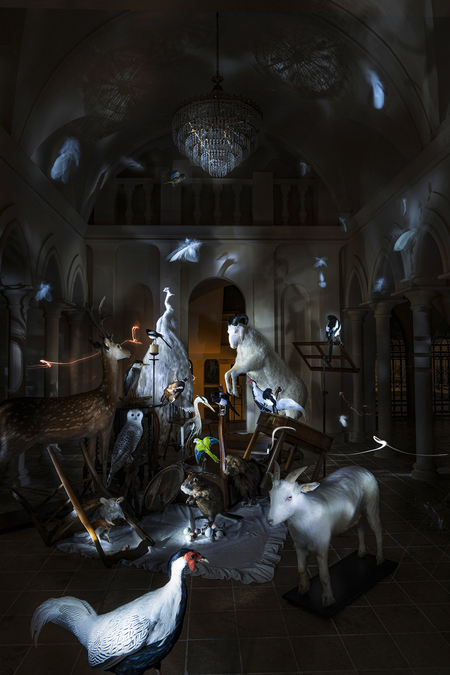
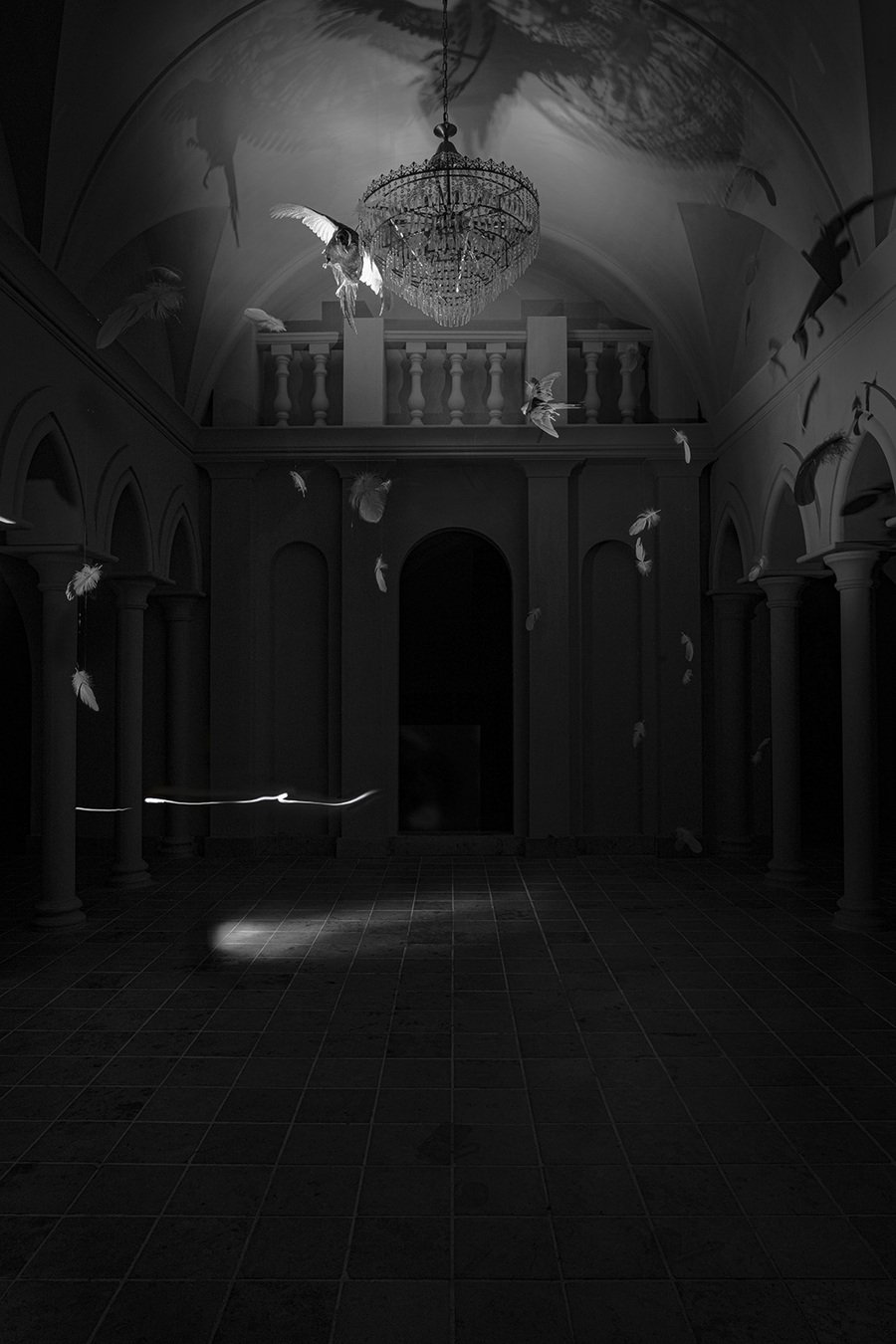
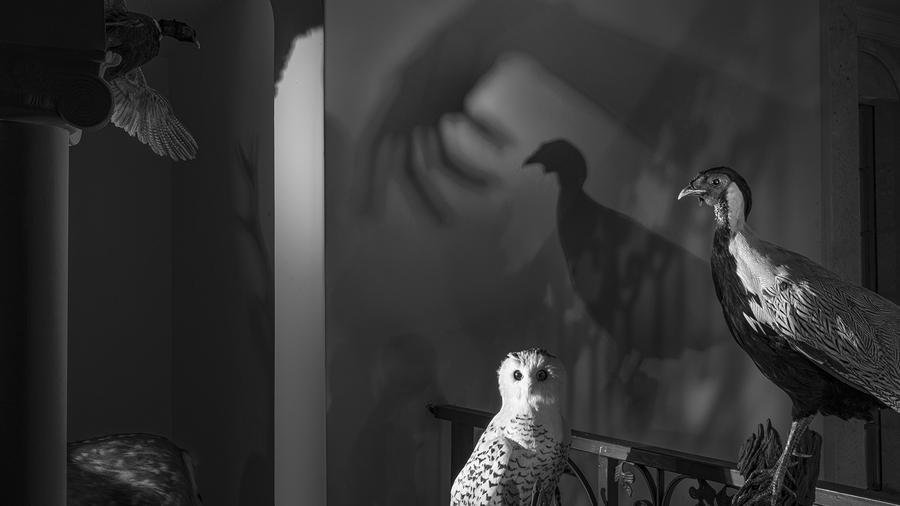
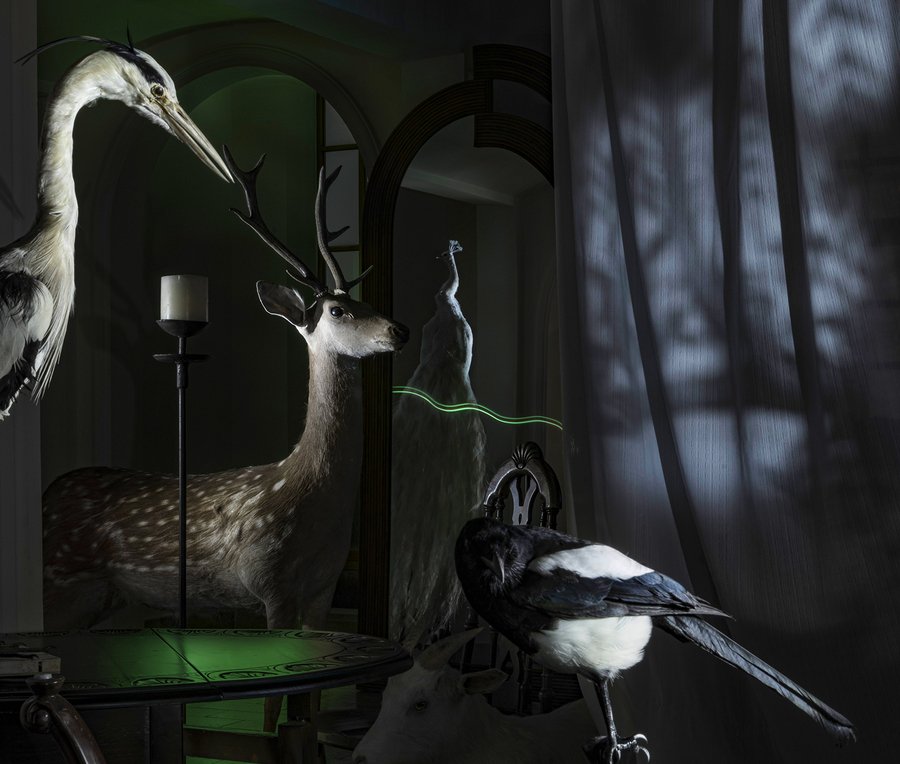
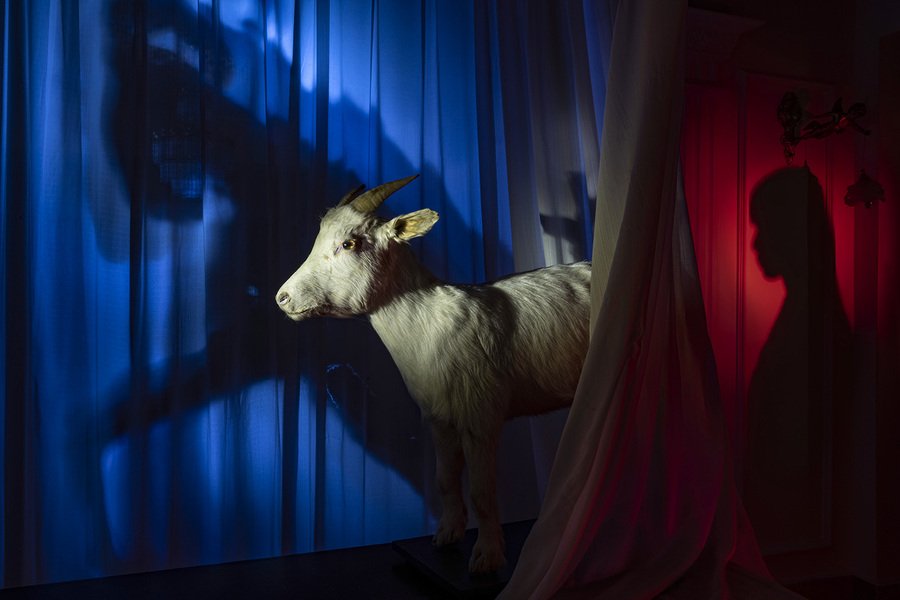
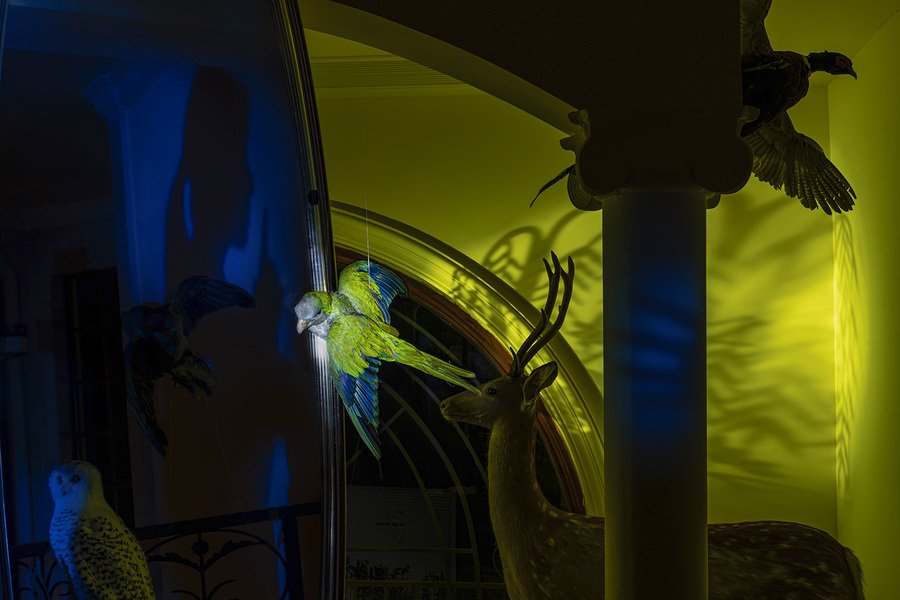
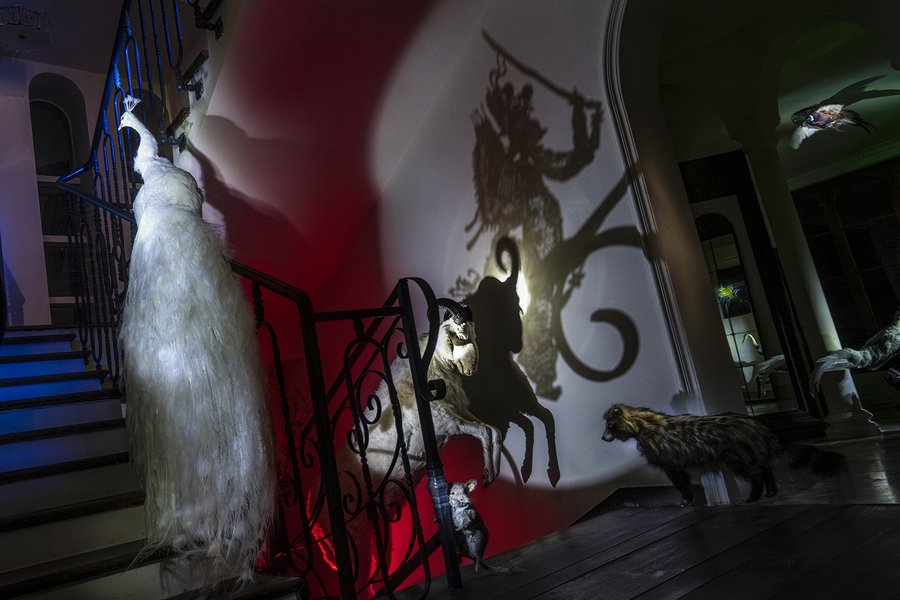
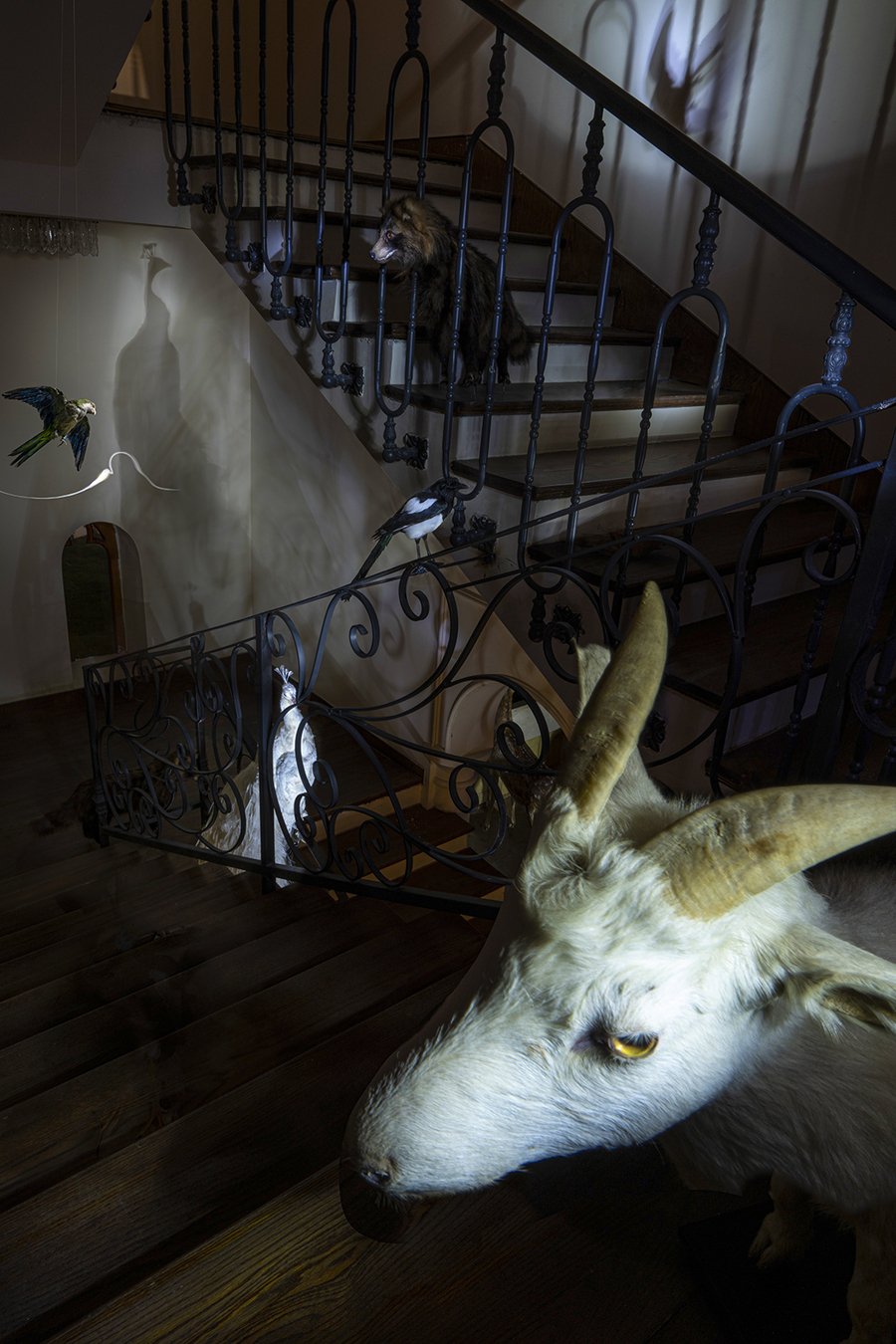
In this series, my focus is on animal specimens, objects marked by the absence of life. Light replaces tactile interaction, endowing these specimens with a transcendental presence while fostering a dialogue about existence, disappearance, reality, dreams, and the dual act of seeing and being seen. Once vibrant lives, these specimens now reside in artificial spaces, serving as symbols of humanity’s control over nature. Viewers engaging with these photographs are not only observing the specimens but are also being watched by them, creating a face-to-face encounter that transcends time and space.
The interplay between possession and loss, civilization, and nature is constantly highlighted by the specimens. Their presence reminds us that, as we measure nature against the yardstick of civilization, we may also, in some way, lose our ability to converse with it.