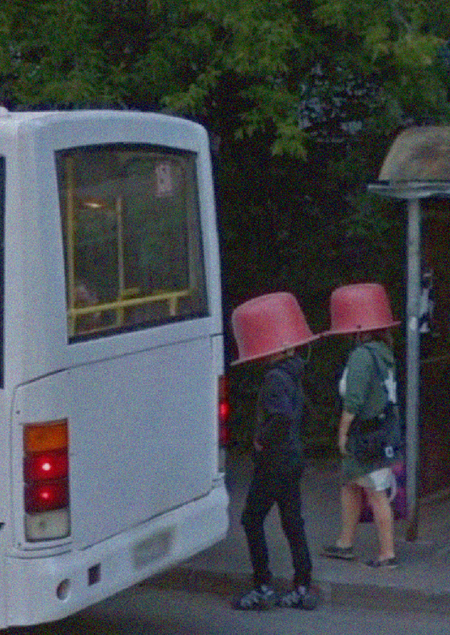
Google Maps Tribes
It often seems to us that modern society is too complex to grasp, that its essence is hidden behind layers of digital technology and cultural codes. But perhaps, if we view it from the outside—in the most everyday moments, in raw reportage—we can capture its core. This is precisely how the method was born: finding images using Google Maps, where people are caught off guard in their mundane routines—engaged in ordinary activities, devoid of staging. Their faces are obscured by pixels, and in this blur, individual personalities vanish, leaving only a collective image: a faceless person, but one with a route, a habit, an action.
Modern individuals are immersed in daily life. Utility bills, trips to the store, the commute from home to work and back—these rituals structure their days. They live among concrete walls, metal fences, and asphalt, where nature exists only in timid fragments. And in this world, stripped of myths, something archaic is happening: much like primitive tribes that worshipped totems and wore attributes of animals or plants, modern people subtly begin to worship their environment. They gradually integrate into it, externally merging with the landscape—erasing the self, donning the mask of the familiar to dissolve into monotony.
The cozy masks of everyday life become their defense. Within them, they find the security of an understandable world, where they don’t need to be themselves—they simply need to be part of the background.
During the study, the photos were categorized.
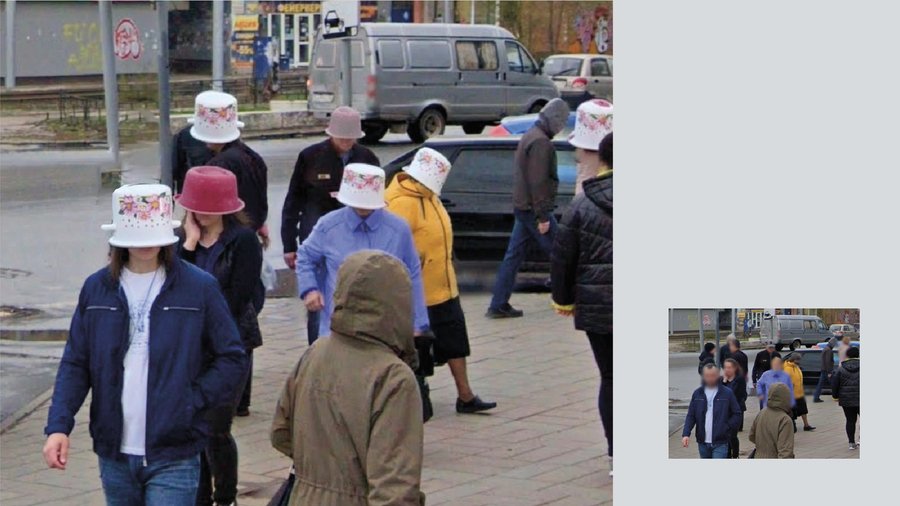
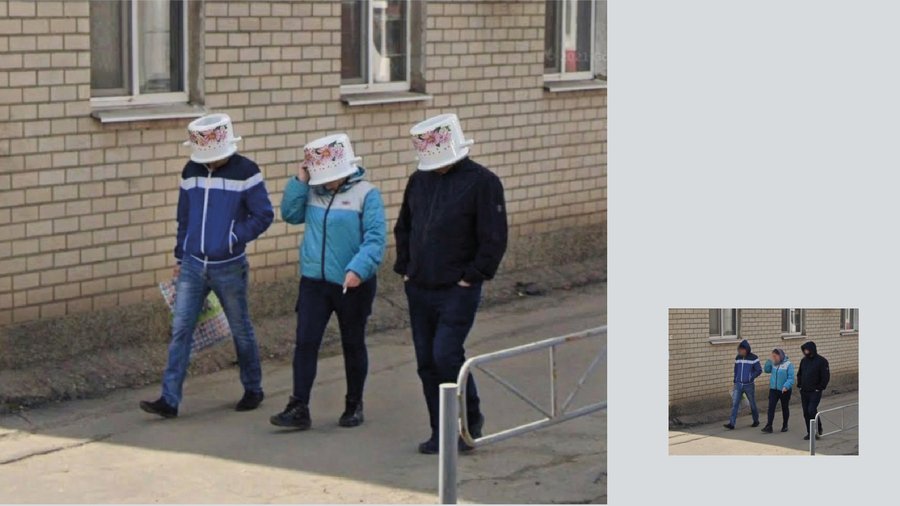
Strolls
Transportation
Offerings
Interaction with Animals